Encapsulation vs Disposal: Asbestos Options
Compare encapsulation and disposal for asbestos abatement: costs, rules, and when each method applies.
Encapsulation seals asbestos in place for $5–$15 per sq ft; disposal removes it for $20–$50 per sq ft. Choose based on material condition and regulation.
- Method
- Encapsulation vs disposal
- Encapsulation cost
- $5–$15 per sq ft
- Disposal/abatement cost
- $20–$50 per sq ft
- Best for
- Good condition vs damaged or friable
- Regulation
- EPA, OSHA, state rules
Some links on this page are affiliate links.If you buy through them we may earn a commission at no extra cost to you. We do not accept payment for rankings. Read the full disclosure.
Encapsulation and disposal are two distinct approaches to managing asbestos-containing material. Encapsulation seals the material in place, while disposal removes it entirely. The right choice depends on material condition, location, budget, and applicable federal and state regulations.
What Encapsulation Means
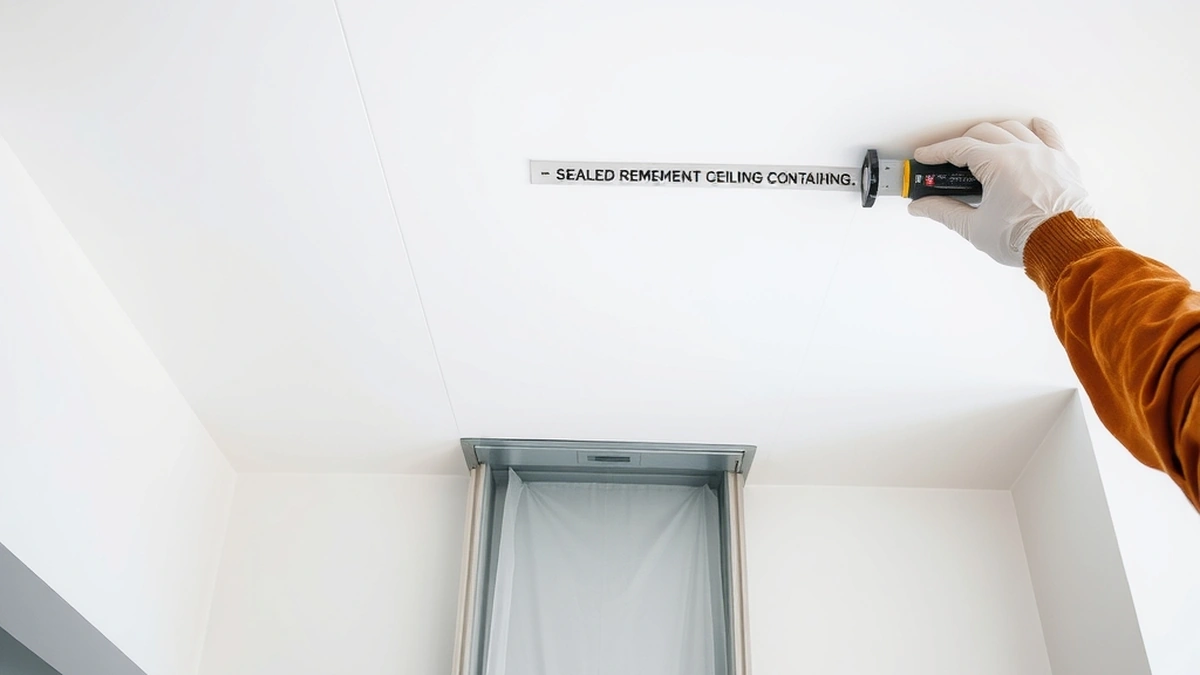
Encapsulation involves applying a specialized coating, called an encapsulant, over asbestos-containing material. The goal is to bind fibers so they cannot become airborne. This method leaves the material in the building rather than taking it out.
Encapsulation is generally considered when the material is in good condition and not friable. Friable material can be crumbled by hand pressure and releases fibers more easily. Non-friable material, such as intact floor tile or certain cement products, may be a candidate if it remains undisturbed.
The encapsulant must be compatible with the substrate and applied according to manufacturer specifications. After application, the area usually requires ongoing inspection to verify the coating has not cracked, peeled, or degraded.
What Disposal Means
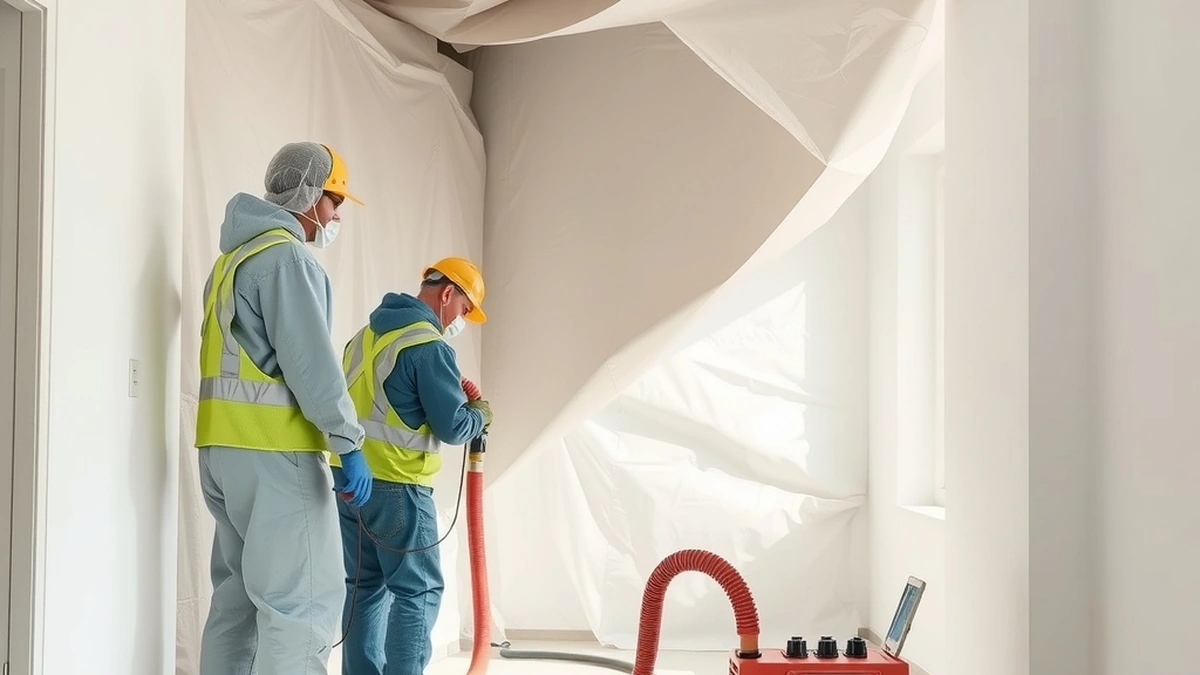
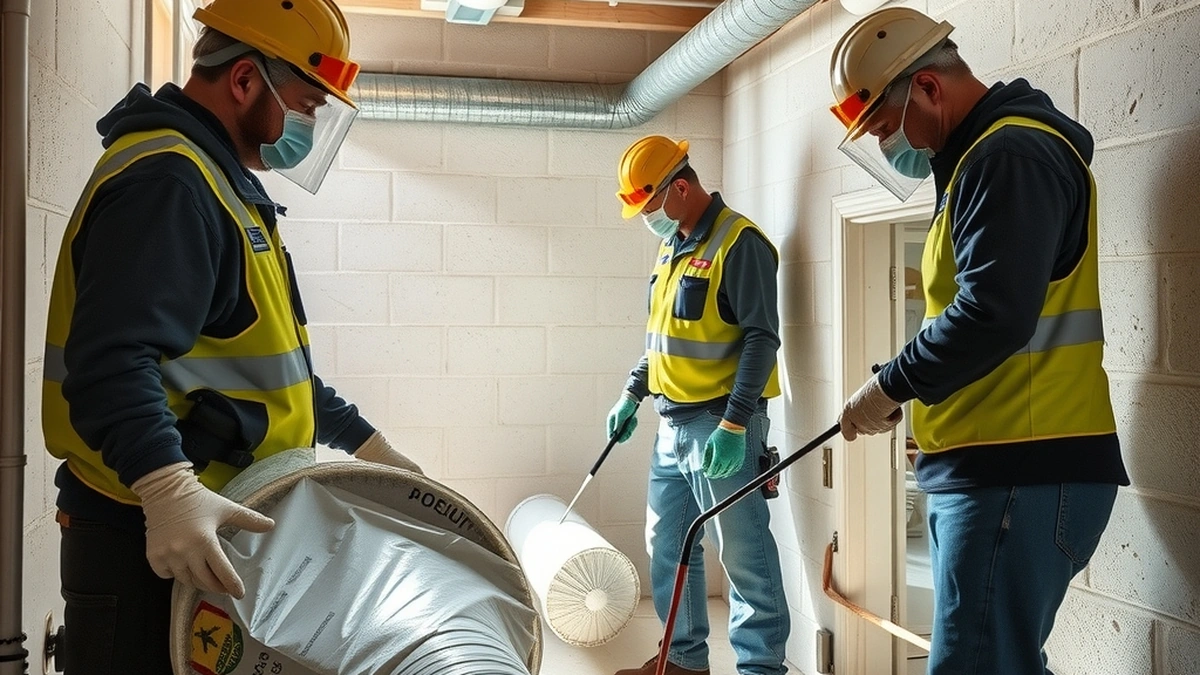
Disposal, in the context of asbestos abatement, means removing the asbestos-containing material and transporting it to a licensed landfill. This is a full abatement process, not simply throwing material in the trash. Asbestos waste is regulated under federal rules, and disposal must follow packaging, labeling, and transport requirements.
Removal is typically required when material is damaged, friable, or scheduled for demolition or renovation that would disturb it. Once the material is removed and disposed of, the asbestos hazard at that location is eliminated, though the process is more disruptive and expensive than encapsulation.
Disposal does not end responsibility at the building boundary. Waste must go to a facility permitted to accept asbestos, and records may be required depending on jurisdiction and project size.
Cost Comparison
Cost is often the most visible difference between the two options. Encapsulation typically costs $5–$15 per sq ft. General asbestos abatement and removal ranges from $20–$50 per sq ft. Pipe insulation removal runs $25–$75 per linear ft, while floor tile removal runs $10–$25 per sq ft.
Here is how the arithmetic can look for a hypothetical 500 sq ft area:
- Encapsulation at $5–$15 per sq ft: $2,500–$7,500
- Abatement and disposal at $20–$50 per sq ft: $10,000–$25,000
For pipe insulation, a 50-linear-foot run at $25–$75 per linear ft would cost $1,250–$3,750 for removal. Encapsulating the same run, if priced per square foot of surface area, would depend on pipe diameter and insulation thickness, but would generally fall below removal costs.
Testing also adds to the project budget. Bulk testing runs $50–$150 per sample, and an asbestos survey typically costs $300–$800. These figures are estimates and vary by region, contractor, and site conditions. More detail on pricing is available in our guide to asbestos removal cost per square foot.
When Each Method Applies
Encapsulation may be appropriate when:
- Material is intact and non-friable
- Removal would create more risk than leaving the material in place
- Budget constraints make full abatement impractical
- The material will remain undisturbed for the foreseeable future
Disposal or removal is typically required when:
- Material is damaged, deteriorating, or friable
- Renovation or demolition will disturb the material
- Local regulations mandate removal for the specific material type
- The property owner wants permanent elimination of the asbestos source
A licensed inspector or abatement contractor can assess whether material qualifies for encapsulation. This determination should not be made by visual inspection alone. Testing and a survey help establish condition and fiber release potential.
Regulation and Safety First
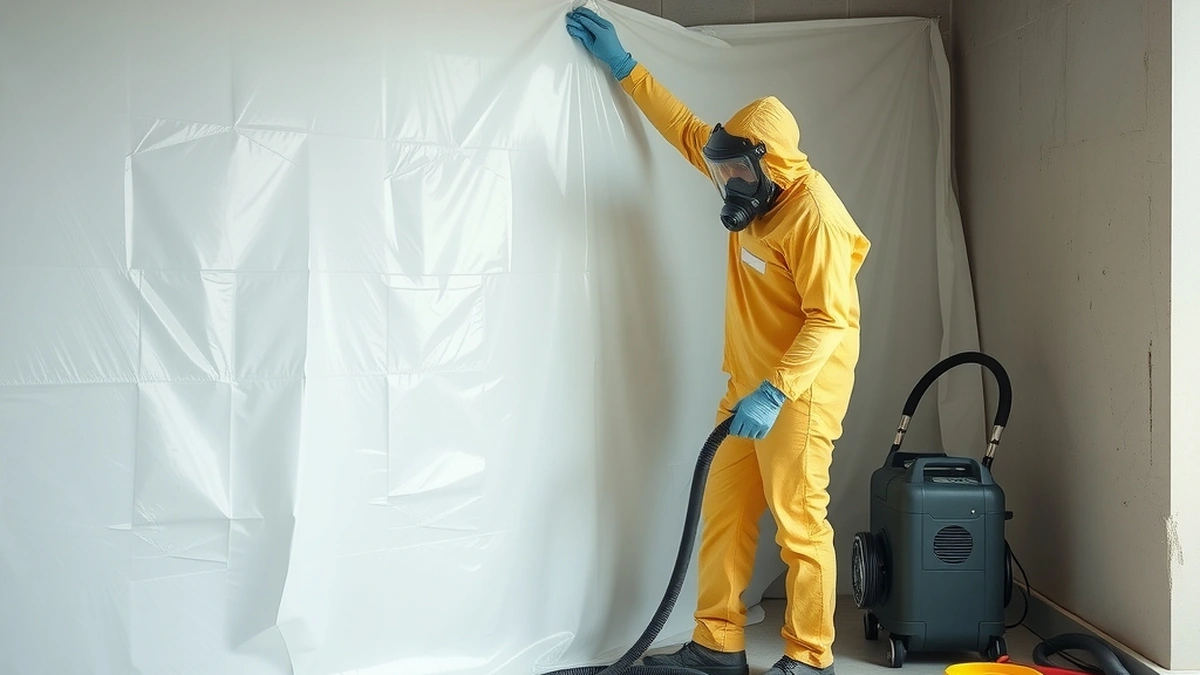
Asbestos work is regulated at the federal level by the EPA and OSHA, with additional rules from state and local agencies. The EPA regulates asbestos under laws such as the Clean Air Act and the Toxic Substances Control Act. OSHA sets worker protection standards, including exposure limits, training, and personal protective equipment requirements.
Encapsulation does not remove regulatory obligations. If encapsulated material is later disturbed during renovation, it becomes subject to abatement rules. Disposal must follow hazardous waste transport and landfill acceptance criteria.
No asbestos work should be treated as a casual project. Friable material, in particular, should never be handled by untrained individuals. Our guide on DIY asbestos removal explains why homeowner removal of friable material is discouraged.
Long-Term Considerations
Encapsulation leaves asbestos in the building. That means future buyers, renovators, or maintenance workers need to know the material is present. Disclosure requirements vary by state, and encapsulated material may affect property transactions or renovation plans.
Disposal removes the material permanently, but it involves higher upfront cost, more disruption, and potential waste transportation logistics. After disposal, the area may require clearance testing or visual inspection by an air monitoring professional, depending on the scope and local rules.
Encapsulated surfaces need periodic inspection. If the encapsant fails, fibers can release. Building owners should maintain records of the encapsulation product used, application date, and inspection schedule.
Related Services and Maintenance
Whether a property uses encapsulation or disposal, ongoing asbestos management may involve testing, repair, installation of replacement materials, or routine maintenance. Our site covers these topics in more detail:
- Asbestos removal vs asbestos testing explains the difference between identifying asbestos and abating it.
- Asbestos removal installation covers replacement materials after abatement.
- Asbestos removal repair addresses damaged material that may not require full removal.
Maintenance plans for encapsulated asbestos should include visual checks, documentation, and professional re-evaluation if the building changes use or undergoes renovation. More information is available in our asbestos removal maintenance overview and our best asbestos removal directory.
Choosing Between Encapsulation and Disposal
There is no universal answer. Encapsulation costs less upfront and preserves the existing material, but it requires long-term monitoring and leaves asbestos in place. Disposal costs more and causes more disruption, but it removes the source permanently.
Start with testing and a survey to confirm asbestos presence and condition. Then consult a licensed abatement professional who can evaluate whether encapsulation meets regulatory requirements for your specific material. Estimates cited here are general ranges; actual project costs depend on location, material type, accessibility, and contractor rates.
Regulation and safety come first. Do not attempt DIY removal of friable asbestos, and do not assume encapsulation is permitted without checking applicable federal, state, and local rules.
Frequently asked questions
What is asbestos encapsulation?
Encapsulation applies a sealant, or encapsulant, over asbestos-containing material to bind fibers and prevent release without removing the material.
What is asbestos disposal?
Disposal means abating and removing asbestos-containing material, then transporting it to a licensed landfill under EPA and OSHA rules.
How much does encapsulation cost?
Encapsulation typically runs $5–$15 per sq ft, depending on material, location, and contractor pricing.
How much does asbestos removal cost?
General abatement ranges from $20–$50 per sq ft, while pipe insulation removal runs $25–$75 per linear ft.
Can I encapsulate damaged asbestos myself?
No. DIY work on friable or damaged asbestos is unsafe and often violates federal and state regulations; hire a licensed abatement contractor.
Does encapsulation require future monitoring?
Yes. Encapsulated material must be inspected periodically to confirm the sealant remains intact and fibers are not releasing.
Sources
Some links are affiliate links.If you buy through them we may earn a commission at no extra cost to you. We do not accept payment for rankings. Read the full disclosure.