Asbestos Removal Repair: When It Is Worth It
Compare repair, encapsulation, and full abatement costs to decide when asbestos removal repair makes sense for your property.
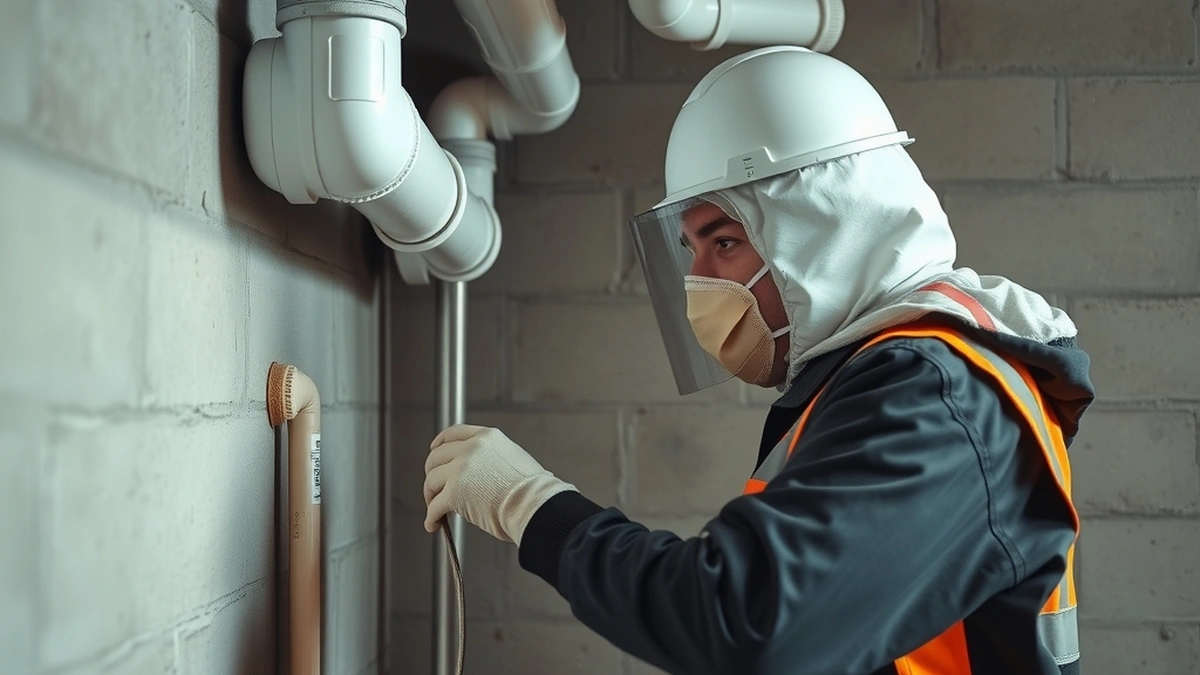
Asbestos removal repair is worth it when the material is intact, non-friable, and encapsulation costs less than full abatement while meeting EPA and OSHA rules.
- Best for
- Intact, non-friable asbestos in good condition
- Encapsulation cost
- $5–$15 per sq ft
- Full abatement cost
- $20–$50 per sq ft
- Bulk testing
- $50–$150 per sample
- Survey cost
- $300–$800
Some links on this page are affiliate links.If you buy through them we may earn a commission at no extra cost to you. We do not accept payment for rankings. Read the full disclosure.
Asbestos removal repair is worth it when the material is intact, non-friable, and sealing it costs less than full removal while satisfying EPA and OSHA requirements. Repair is not appropriate for crumbling, damaged, or friable asbestos, which must be removed by licensed professionals. This guide explains how to compare repair, encapsulation, and abatement so you can make a regulated, safety-first decision.
What Asbestos Removal Repair Means
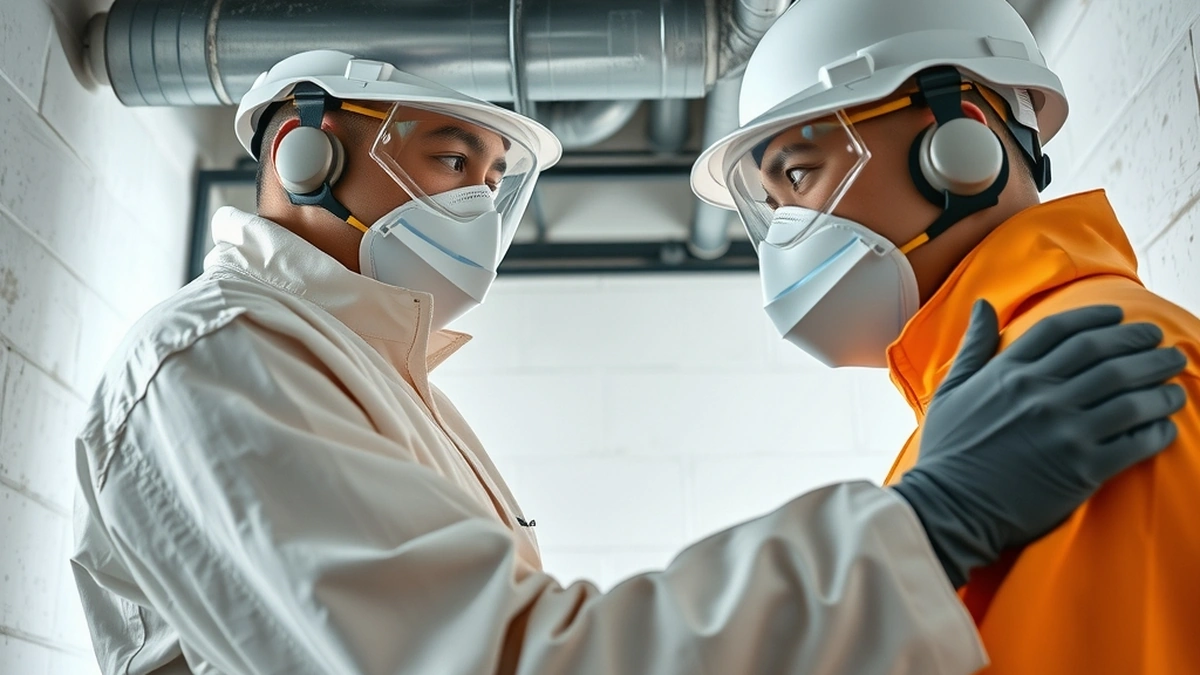
Repair in an asbestos context usually means encapsulation or enclosure rather than physical removal. Encapsulation applies a sealant that binds fibers in place, while enclosure builds a barrier around the material. Both approaches leave the asbestos in the building, so they only work when the material is in good condition and unlikely to release fibers.
Before any repair, a qualified inspector must confirm the material contains asbestos and assess its condition. Bulk testing costs $50–$150 per sample, and a full survey typically runs $300–$800. Those figures are estimates and vary by location and property size. Testing is a regulatory prerequisite, not an optional step, because you cannot lawfully manage asbestos without knowing where it is.
When Repair Is Worth It
Repair makes sense when three conditions are true:
- The asbestos-containing material is intact and non-friable.
- The area will not be disturbed by renovation, demolition, or daily wear.
- Encapsulation or enclosure costs significantly less than full abatement.
For example, if you have 400 square feet of intact asbestos floor tile, encapsulation at $5–$15 per square foot would cost $2,000–$6,000. Full removal at $10–$25 per square foot would cost $4,000–$10,000. In this scenario, repair saves roughly $2,000–$4,000 upfront, but it leaves material in place that may require future disclosure, monitoring, or removal during later renovations.
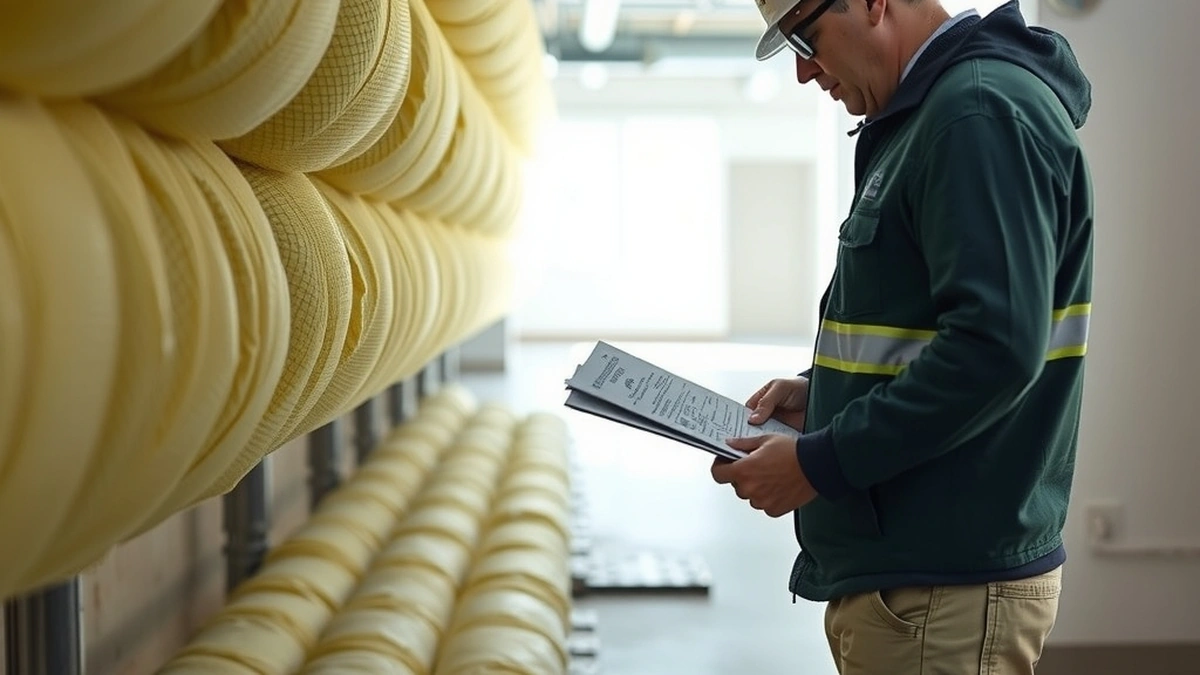
Pipe insulation illustrates a different calculation. Removing 50 linear feet of asbestos pipe insulation at $25–$75 per linear foot costs $1,250–$3,750. Encapsulating the same area at $5–$15 per square foot depends on the surface area of the pipe, but if the insulated surface measures 20 square feet, encapsulation would cost $100–$300. The repair is far cheaper, yet it only applies if the insulation is not damaged and will remain undisturbed.
When Full Abatement Is Required
Repair is not worth it when the material is friable, damaged, or located in a high-traffic area where it could be broken, sanded, drilled, or disturbed. Friable asbestos can release fibers with hand pressure, and the EPA regulates it more strictly. Full abatement at $20–$50 per square foot is expensive, but it eliminates the source rather than managing it.
You should also choose removal over repair when you plan to remodel soon. Encapsulated asbestos must be disclosed to buyers and contractors, and future demolition will trigger abatement anyway. Paying for repair now and removal later often costs more than removing it once.
Cost Comparison Table
These figures are estimates. Actual prices depend on regional labor rates, containment requirements, waste disposal fees, and site access.
| Scope | Estimated Cost | Unit |
|---|---|---|
| Bulk testing | $50–$150 | per sample |
| Asbestos survey | $300–$800 | per survey |
| Encapsulation | $5–$15 | per sq ft |
| Floor tile removal | $10–$25 | per sq ft |
| Pipe insulation removal | $25–$75 | per linear ft |
| Full abatement | $20–$50 | per sq ft |
Arithmetic example: A 500-square-foot basement with intact asbestos floor tile could be encapsulated for $2,500–$7,500. Full removal at $10–$25 per square foot would cost $5,000–$12,500. The repair option saves up to $5,000 initially, but the homeowner must maintain the encapsulation and disclose the material at sale.
Regulatory and Safety Requirements
EPA rules under the National Emission Standards for Hazardous Air Pollutants (NESHAP) apply to renovation and demolition involving asbestos. OSHA standards set worker protection, exposure limits, and training requirements for abatement crews. State and local agencies often require licensing, notification, and waste manifests.
Repair does not exempt a property from these rules. If encapsulation fails or the material is later damaged, the owner may face enforcement and cleanup costs. Licensed contractors should perform all repair and abatement work. This publication does not encourage DIY asbestos work, especially on friable material, and makes no medical claims about exposure outcomes.
Maintenance After Repair
Encapsulated or enclosed asbestos is not gone; it is managed. Property owners need an operations and maintenance plan that includes periodic inspections, damage reporting, and re-encapsulation if the sealant wears. The lifespan of a repair depends on the material, environment, and maintenance quality. If the area is renovated, the asbestos must be removed under full abatement protocols before work proceeds.
For more on pricing, see our overview of asbestos removal cost per square foot. To understand how repair fits into a broader project, read how much does asbestos removal cost. If you are deciding between testing and action, review asbestos removal vs asbestos testing.
Choosing the Right Path
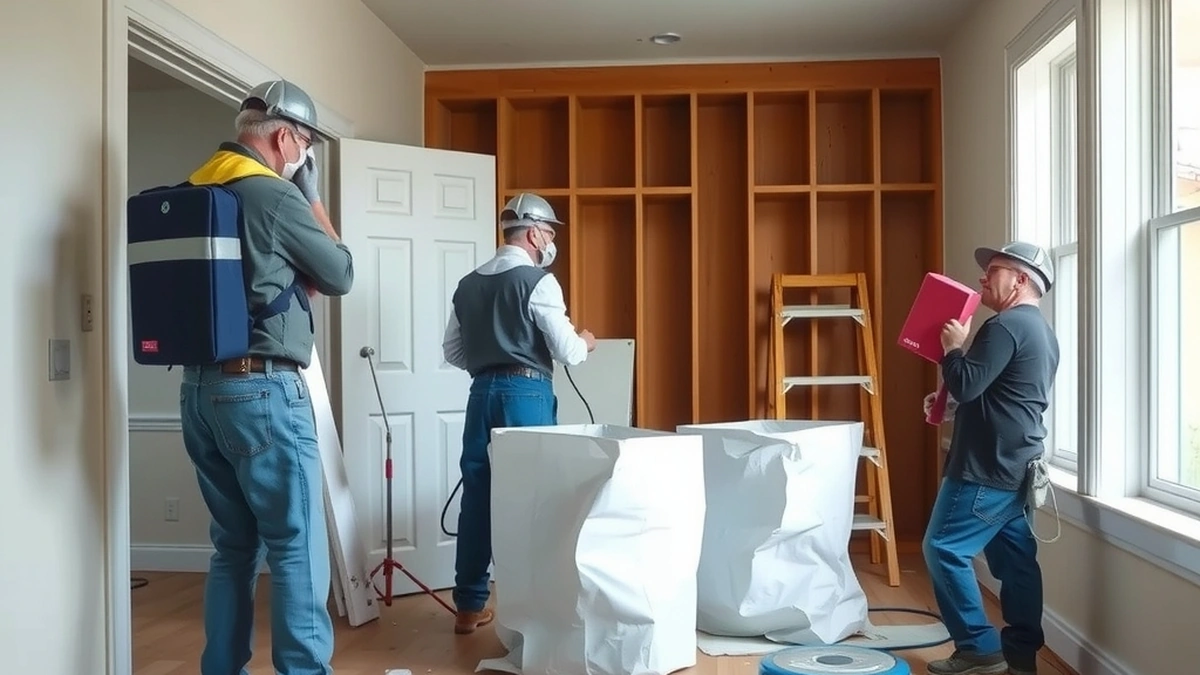
Start with testing and a survey to confirm asbestos and condition. If the material is intact and non-friable, obtain written estimates for encapsulation and full removal from licensed contractors. Compare the upfront savings against long-term obligations such as disclosure, monitoring, and possible future removal. When the material is damaged or renovation is planned, full abatement is usually the only compliant and durable option.
For ongoing care of managed asbestos, see our asbestos removal maintenance guide. For general information on selecting qualified providers, visit best asbestos removal. We do not recommend DIY removal of friable asbestos; see diy asbestos removal for why professional handling is required. If you want to understand how long abatement results last, read how long does asbestos removal last.
Frequently asked questions
What is asbestos removal repair?
Repair means sealing or enclosing asbestos-containing material instead of removing it, often through encapsulation or enclosure, when the material remains intact and undisturbed.
Is repair safer than removal?
Repair can avoid disturbing fibers, but only licensed professionals should assess whether the material is stable enough to remain in place under EPA and OSHA guidelines.
How much does encapsulation cost?
Encapsulation typically runs about $5–$15 per square foot, which is often less than full abatement at $20–$50 per square foot.
Can I repair friable asbestos myself?
No. Friable asbestos must be handled by licensed abatement professionals; DIY work on damaged or crumbling material is unsafe and may violate regulations.
Do I need testing before repair?
Yes. Bulk testing at $50–$150 per sample and a survey at $300–$800 confirm whether asbestos is present and what condition it is in.
How long does a repair last?
Lifespan depends on the material and environment; encapsulated asbestos must be monitored and maintained according to an abatement plan and local rules.
Sources
Some links are affiliate links.If you buy through them we may earn a commission at no extra cost to you. We do not accept payment for rankings. Read the full disclosure.