Best Asbestos Removal: What Actually Matters
Learn what to prioritize when choosing an asbestos removal contractor. Safety, certification, and transparent pricing matter most.
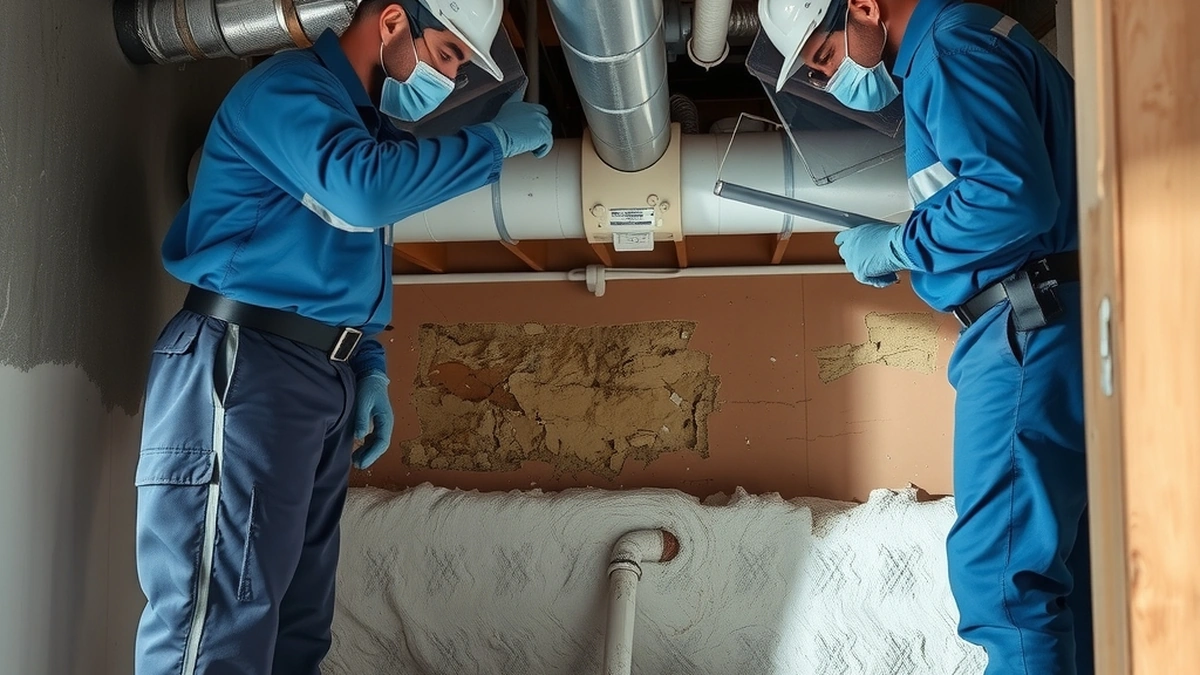
When choosing a contractor, prioritize licensed, fully insured operators who follow EPA and OSHA protocols. Verify EPA-accredited training and state licensing, request a written scope of work, and confirm cleanup procedures.
- Typical range
- Varies by system and site
- First step
- Measure the space and confirm the load
- Professional help
- Recommended for structural or electrical work
Some links on this page are affiliate links.If you buy through them we may earn a commission at no extra cost to you. We do not accept payment for rankings. Read the full disclosure.
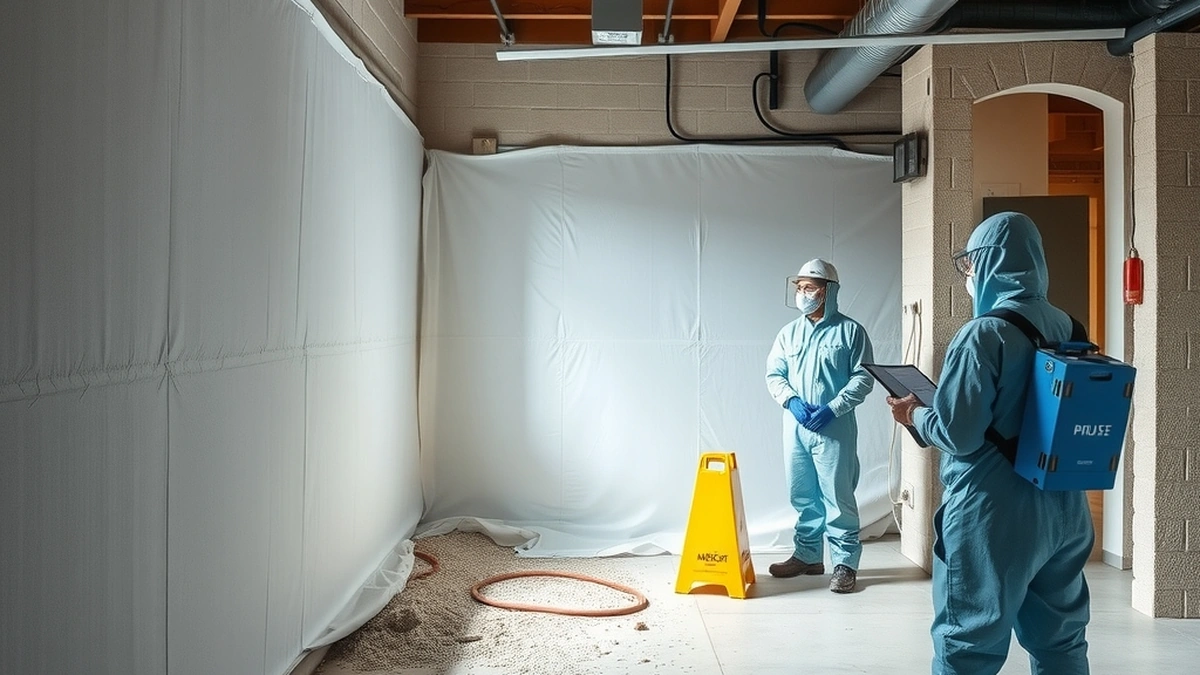
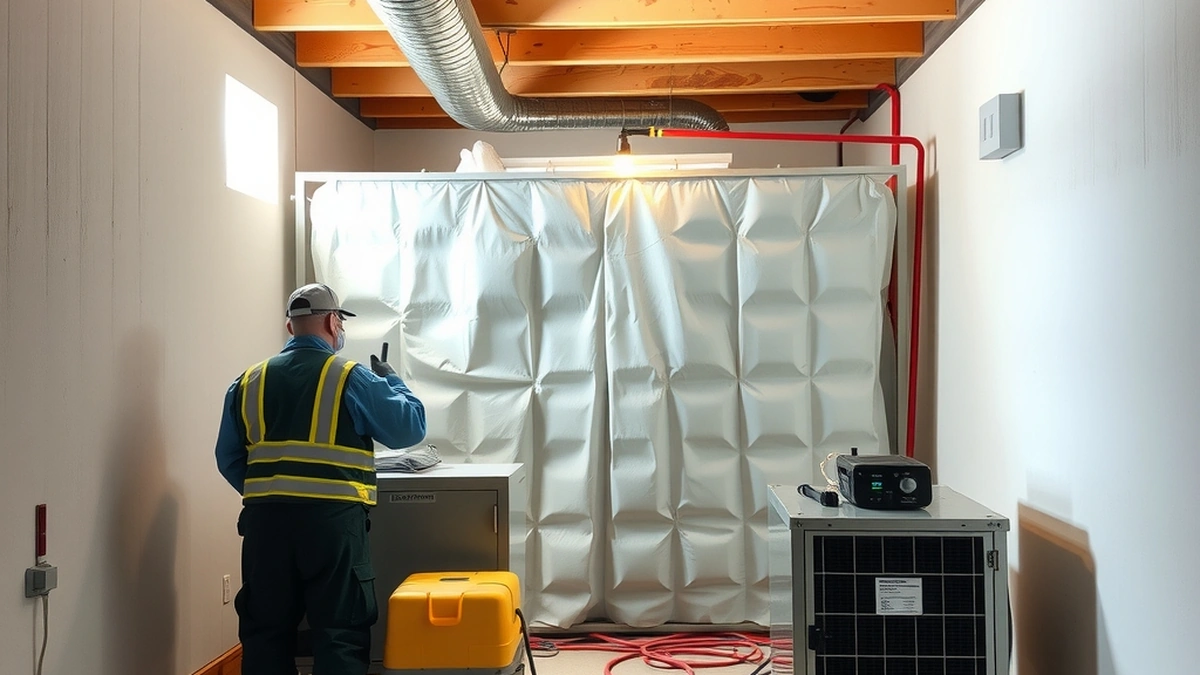
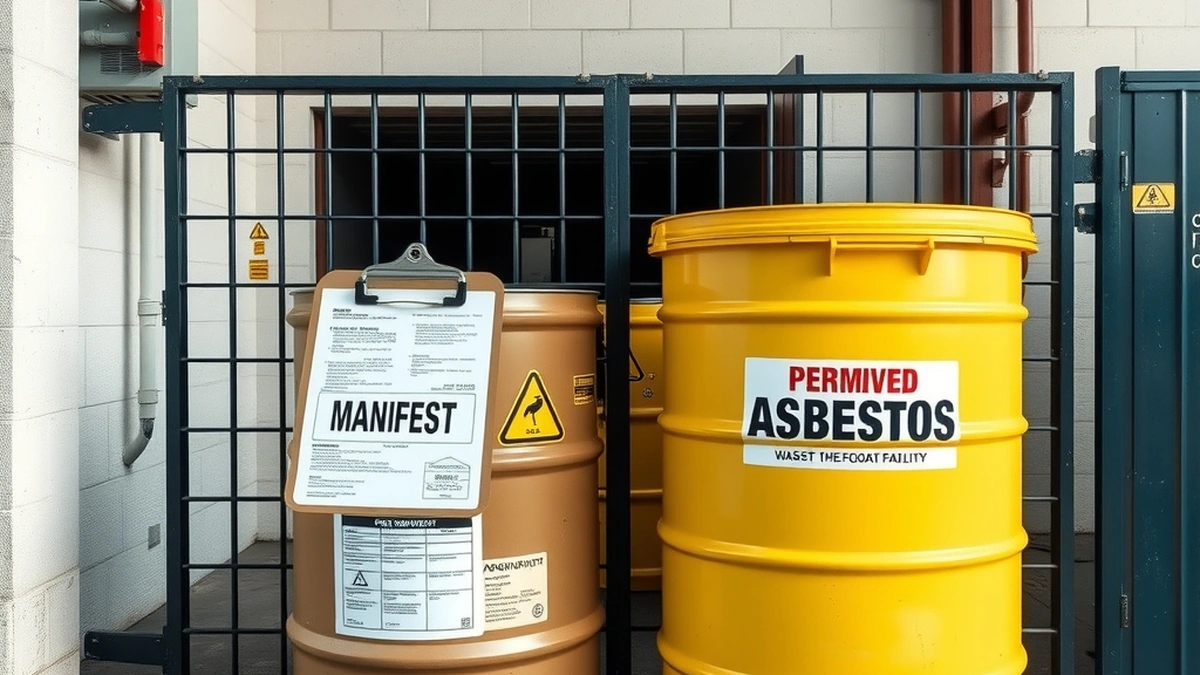
Hiring an asbestos contractor is not a shopping decision in the ordinary sense. The company you choose will build a regulated work area inside your home, generate hazardous waste that must be manifested and landfilled under federal rules, and decide when the air is clean enough to breathe again. The useful question is not which bid is lowest, but which contractor can document licensing, containment, and independent clearance testing before you sign anything.
What “Best” Actually Means Here
Best asbestos removal means a licensed abatement contractor who can prove containment, worker protection, and independent clearance testing for the specific material in your building. It is not a superlative about customer service.
That definition rules out most of what marketing pages emphasize. A “best” contractor is not the fastest, the cheapest per square foot, or the one with the largest advertisement. It is the one whose paperwork survives a five-minute check: an active state license, current insurance certificates, trained workers, and a written scope that names the containment method.
The Numbers Behind a Typical Project
Every credible estimate is built from the same few figures. Use these ranges to sanity-check a bid.
| Service | Typical range |
|---|---|
| Bulk sample testing | $50–$150 per sample |
| Full asbestos survey | $300–$800 |
| General abatement | $20–$50 per sq ft |
| Pipe insulation removal | $25–$75 per linear ft |
| Floor tile removal | $10–$25 per sq ft |
| Encapsulation | $5–$15 per sq ft |
Work through the arithmetic on a real scope. A 300-square-foot textured ceiling at $20 per square foot is $6,000; at $50 per square foot it is $15,000. Add 40 linear feet of pipe insulation: 40 × $25 = $1,000 at the low end, 40 × $75 = $3,000 at the high end. Testing four samples costs 4 × $50 = $200 to 4 × $150 = $600, and a whole-house survey adds $300 to $800, so pre-abatement work alone runs roughly $500 to $1,400. A $2,400 all-in bid for that ceiling works out to $8 per square foot — below what containment and disposal cost, which means something in the scope is missing.
Licensing and Insurance You Can Verify
Asbestos abatement is regulated at the federal, state, and often local level. Workers need training through an EPA-accredited program, and most states issue their own abatement contractor license on top of that. Ask for the license number, not a certificate PDF, then look it up in your state’s database yourself. A lapsed or restricted license is disqualifying, whatever the crew’s reputation.
Insurance matters just as much. Request certificates for general liability, workers’ compensation, and pollution liability, and confirm the policy limits and expiration dates. Pollution coverage is the one homeowners forget, and it is the one that responds when fibers escape containment and damage a neighbor’s property or a worker’s lungs. A contractor who cannot produce a certificate the same day is not insured in any way you can rely on.
Removal vs Encapsulation
The two approaches solve different problems, and the price gap is wide enough to distort a decision. For 400 square feet of ceiling, full abatement at $20–$50 per square foot is $8,000–$20,000. Encapsulation of the same area at $5–$15 per square foot is $2,000–$6,000. At the midpoints, that is $14,000 against $4,000 — a $10,000 difference on one room.
Encapsulation seals material in place; it does not remove it. That makes it suitable for intact, firmly bonded material that will not be disturbed by renovation, and unsuitable for friable or water-damaged material. If you plan to remodel the space within a few years, encapsulation simply defers the removal cost and adds a second mobilization. For a fuller breakdown, see abatement vs encapsulation.
How to Vet a Contractor in Five Steps
- Confirm the license. Look up the contractor’s number in your state database and check the expiration date and any disciplinary actions.
- Request insurance certificates for general liability, workers’ compensation, and pollution liability, and verify them with the broker if anything looks altered.
- Ask for a written scope that names the material, the square footage or linear footage, the containment method, the number of air samples, and who performs clearance testing.
- Collect three written estimates on the same scope, then compare line items rather than totals.
- Call two recent clients with comparable projects and ask specifically whether clearance testing passed on the first attempt and whether the final invoice matched the quote.
A contractor who resists any of these steps is telling you something useful.
What a Written Estimate Should Contain
A usable estimate reads like a work order, not a business card. It should list the material to be removed, its location, the square or linear footage, the containment and negative air equipment, the number of workers, the disposal method and landfill, the clearance testing provider, and a schedule. Disposal is not a trivial line: waste must be bagged, labeled, hauled by a permitted carrier, and buried at an approved facility, and those fees vary by region and weight.
Testing belongs in the estimate too. Bulk sampling at $50–$150 per sample and a survey at $300–$800 are pre-abatement costs that should appear as separate items; bundling them into one lump sum hides the part you most need to compare. Our guide to asbestos removal costs breaks the same categories down project by project.
Reading Reviews Without Being Misled
Reviews are useful for one thing: finding out how a company behaves when something goes wrong. Look for accounts of containment failures, surprise change orders, and missed clearance tests, and note how the contractor responded. A review that says “great crew, fair price” tells you almost nothing about a regulated process.
Ignore ratings that aggregate across unrelated trades, and be skeptical of a page of five-star reviews posted within the same month. Match the reviewer’s project to yours — commercial boiler work and a residential popcorn ceiling demand different experience. A contractor with strong reviews but an expired license is still the wrong hire. Our guide to reading abatement reviews covers the patterns worth tracking.
Red Flags That End the Conversation
Walk away from any contractor who suggests you remove the material yourself, who discourages an independent inspection, or who offers to skip clearance testing to save time. The same applies to anyone who quotes a firm price without inspecting the site, refuses to name the disposal facility, or cannot explain negative air pressure in plain language.
One more: a bid that is dramatically lower than the other two is a scope problem, not a discount. Asbestos work has real fixed costs — containment materials, HEPA equipment, disposable suits and respirators, waste hauling, lab analysis, and insurance — and no legitimate operator can cut them by half. If you are weighing whether the work is worth doing at all, asbestos removal vs testing explains what each step actually buys you.
The best asbestos removal company is the one that makes verification easy. Ask for the license, the insurance, the scope, and the clearance report, and hire the contractor who answers without hesitation.
Frequently asked questions
How do I verify a contractor is properly licensed?
Check state databases for Class I/II/III asbestos certifications and look for active insurance policies covering general liability and pollution.
What should I ask for in a written estimate?
Ask for itemized line items, including labor, materials, disposal fees, and clearance testing, so you can compare apples to apples.
Is encapsulation ever a better alternative than full removal?
Encapsulation seals the material but does not eliminate it; full removal is required when the material is friable, damaged, or part of a larger renovation.
How much does a standard abatement job typically cost?
Abatement generally runs between $20 and $50 per square foot depending on location, containment setup, and material type.
Why do estimates vary so much between contractors?
Varying project scopes, containment requirements, and material types lead to different pricing; always get at least three written quotes.
Can I handle asbestos removal myself safely?
No. Asbestos removal requires specialized training, HEPA filtration, negative air pressure, and proper waste disposal by licensed professionals.
Sources
Some links are affiliate links.If you buy through them we may earn a commission at no extra cost to you. We do not accept payment for rankings. Read the full disclosure.