DIY asbestos removal: what you can and cannot do
Learn which asbestos tasks homeowners may legally handle, when federal and state rules require licensed abatement, and how testing fits into the process.
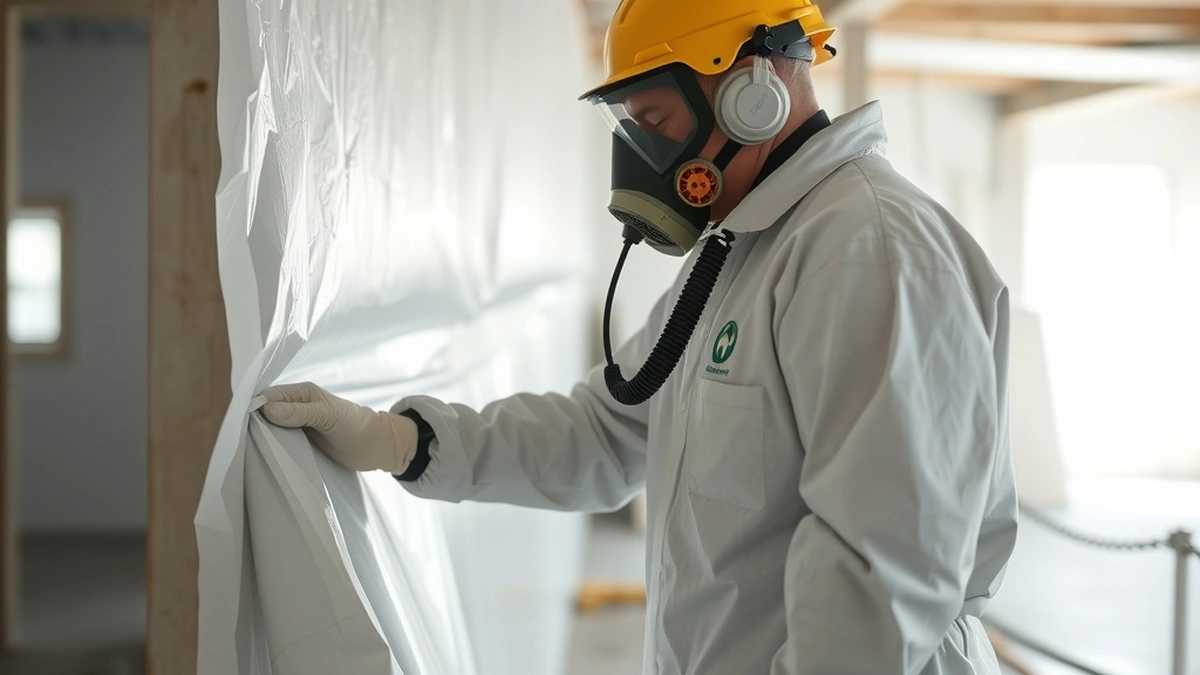
Homeowners may only handle very limited, non-friable asbestos materials in some states; friable asbestos and most removal work requires licensed professionals and regulated containment.
- Typical bulk testing cost
- $50–$150 per sample
- Typical asbestos survey cost
- $300–$800
- Typical abatement cost
- $20–$50 per sq ft
- Pipe insulation removal
- $25–$75 per linear ft
- Floor tile removal
- $10–$25 per sq ft
Some links on this page are affiliate links.If you buy through them we may earn a commission at no extra cost to you. We do not accept payment for rankings. Read the full disclosure.
DIY asbestos removal: what you can and cannot do depends almost entirely on whether the material is friable, where it is located, and what your state and local regulations allow. In most cases, homeowners should not attempt to remove asbestos-containing materials on their own, especially when the material can release fibers into the air. Testing comes first, and abatement usually follows under controlled conditions.
This guide explains the legal and practical limits of do-it-yourself asbestos work, when licensed abatement is required, and how cost estimates compare across common remediation scenarios.
Start with testing, not removal
Before any removal decision, you need to know whether asbestos is present. You cannot identify asbestos by sight alone, and disturbing suspect material without testing can create a hazard where none existed previously.
A licensed inspector or accredited laboratory typically collects bulk samples and analyzes them using polarized light microscopy or transmission electron microscopy. Bulk testing generally costs $50–$150 per sample. If you need a full property survey, expect a range of $300–$800 depending on the size of the building and the number of areas sampled.
Testing is the only defensible first step. If results come back negative, no abatement is needed. If results are positive, the next step is determining whether the material is friable or non-friable and whether removal, repair, or encapsulation is appropriate. For more on the distinction between testing and abatement, see /asbestos-removal-vs-asbestos-testing/.
What friable means and why it matters
Friable asbestos material can be crumbled, pulverized, or reduced to powder by hand pressure when dry. Examples include sprayed-on fireproofing, some pipe and boiler insulation, and certain acoustical ceiling textures. Because friable material releases fibers easily, it is regulated more strictly and is generally not suitable for any form of DIY handling.
Non-friable asbestos, such as some vinyl floor tiles or asphalt roofing products, binds the fibers in a matrix. These materials are less likely to release fibers if they remain intact, but they can still become hazardous if they are sanded, sawed, drilled, or broken.
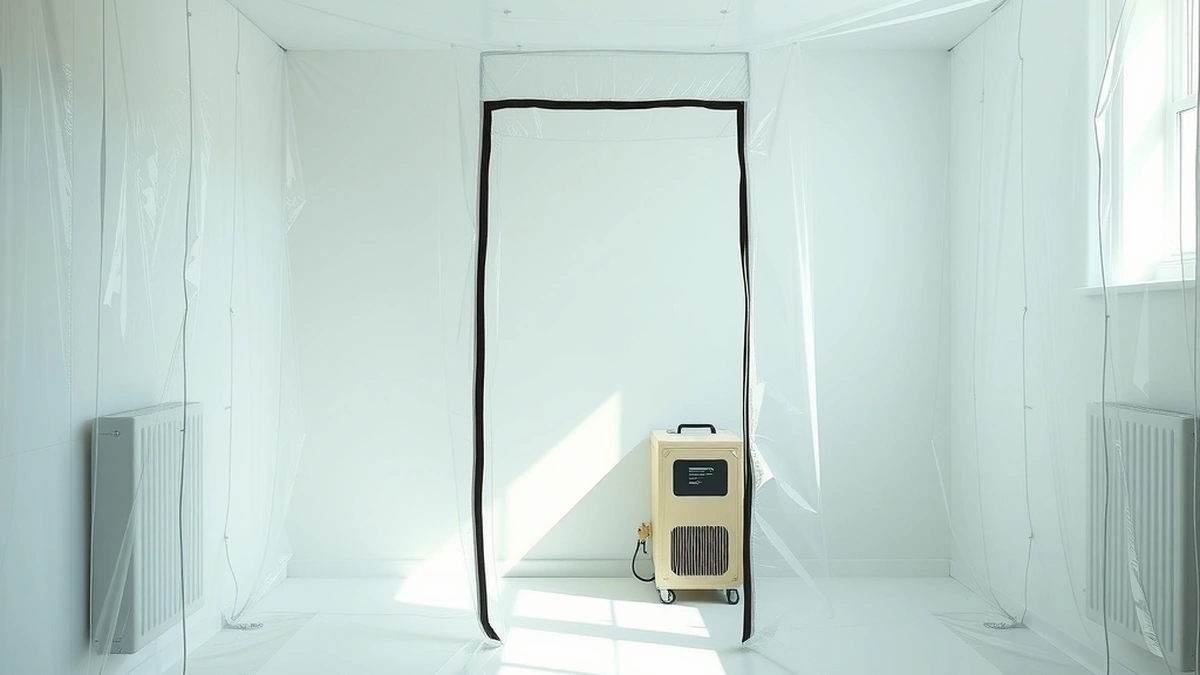
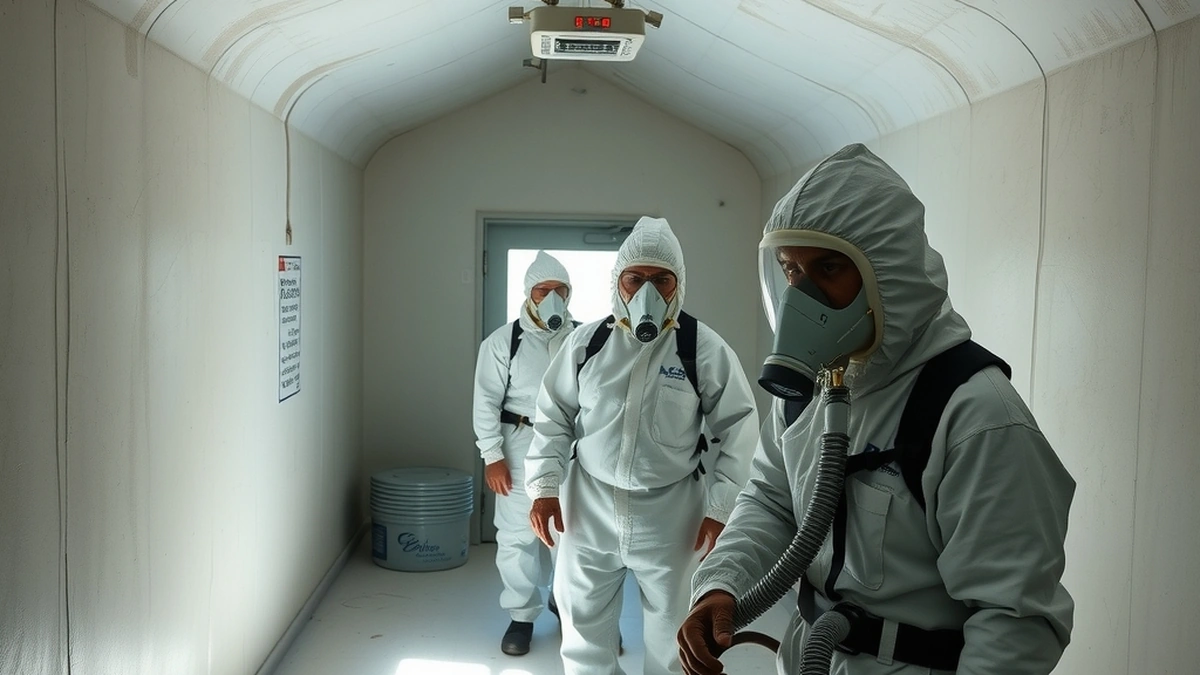
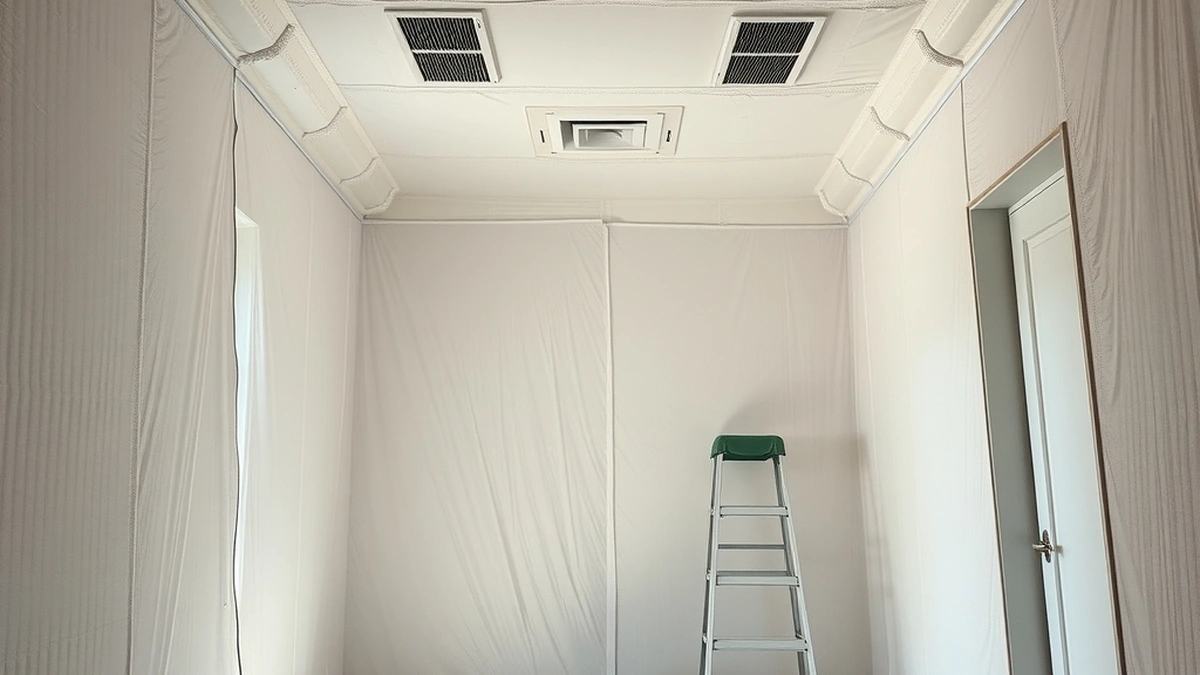
Under federal rules and most state programs, friable asbestos removal is considered abatement work. It typically requires trained workers, respirators, negative-pressure containment, decontamination units, air monitoring, and approved waste disposal. Homeowners should not attempt this work themselves.
Where DIY might be allowed
Some jurisdictions allow an owner-occupant to perform limited asbestos-related work in a single-family home they own and live in, but exemptions are narrow. They usually apply only to non-friable materials in good condition, and they often require notification, proper wet methods, sealed waste containers, and disposal at an approved landfill.
Even where an exemption exists, “allowed” does not mean “safe.” Cutting, scraping, or removing asbestos-containing floor tile, for example, can still release fibers if the material is damaged or if the wrong tools are used. Many local building departments and health agencies require permits or licensed contractors regardless of ownership status.
Before touching any suspect material, check your state environmental agency and local building code requirements. If you are unsure, hire a licensed asbestos abatement contractor. For general cost context, see /how-much-does-asbestos-removal-cost/.
What you cannot do without a license
Most regulated asbestos work is off-limits to unlicensed individuals. You generally cannot legally or safely perform the following without proper accreditation:
- Remove friable pipe insulation, boiler insulation, or sprayed-on fireproofing
- Demolish walls, ceilings, or floors that contain asbestos
- Use power tools on asbestos-containing materials
- Set up negative-pressure containment or decontamination chambers
- Transport or dispose of asbestos waste at a standard landfill
Violating EPA, OSHA, or state asbestos rules can result in fines, stop-work orders, and liability for contamination that spreads to other parts of the home or neighboring properties.
Cost context for professional abatement
If testing confirms asbestos and removal is required, professional abatement is priced by material type and accessibility. These figures are estimates and vary by region, project size, and labor rates.
| Work type | Estimated cost |
|---|---|
| General abatement | $20–$50 per sq ft |
| Pipe insulation removal | $25–$75 per linear ft |
| Floor tile removal | $10–$25 per sq ft |
| Encapsulation | $5–$15 per sq ft |
Here is how the arithmetic can look in practice. Removing asbestos-containing floor tile from a 120-square-foot kitchen at $10–$25 per sq ft would cost roughly $1,200–$3,000. Encapsulating the same area at $5–$15 per sq ft would cost roughly $600–$1,800, but encapsulation is only appropriate when the material is in good condition and a professional confirms it is a viable strategy.
For pipe insulation, removing 20 linear feet at $25–$75 per linear ft would cost roughly $500–$1,500. These costs include containment, labor, HEPA filtration, waste handling, and disposal, not just the physical removal.
For a broader look at pricing, see /asbestos-removal-cost-per-square-foot/.
Encapsulation and repair as alternatives
Encapsulation involves applying a sealant that binds asbestos fibers in place so they cannot become airborne. It is generally less expensive than removal, with estimates around $5–$15 per sq ft, but it does not eliminate the asbestos. The material remains in the building and must be managed during future renovations or demolition.
Repair may involve patching or enclosing damaged asbestos material rather than removing it. Like encapsulation, repair is only appropriate under specific conditions and should be evaluated by an inspector or licensed contractor. If the material is friable or badly deteriorated, removal is usually the safer long-term option.
For more on repair approaches, see /asbestos-removal-repair/. For ongoing management after abatement or encapsulation, see /asbestos-removal-maintenance/.
Disposal rules are strict
Asbestos waste cannot go in household trash or a standard construction dumpster. Regulated asbestos-containing waste must be:
- Kept wet until it is packaged
- Sealed in leak-tight, labeled containers
- Transported by a licensed hauler where required
- Disposed of at an approved landfill that accepts asbestos waste
Improper disposal can expose waste handlers, contaminate soil and water, and create liability for the property owner. Even if you perform legal owner-occupant work on non-friable material, you are still responsible for compliant packaging and disposal.
When to call a professional
You should contact a licensed asbestos abatement contractor if:
- Testing confirms friable asbestos
- The material is damaged, water-stained, or crumbling
- You plan a renovation or demolition that will disturb suspect materials
- You are unsure whether your local rules allow owner-occupant removal
- You need containment, air monitoring, or certified waste disposal
Professional abatement firms follow EPA and OSHA work practices, use trained supervisors and workers, and provide documentation that may be required for real estate transactions or insurance purposes.
For help evaluating providers, see /best-asbestos-removal/. If you want to understand how long abatement results remain effective, see /how-long-does-asbestos-removal-last/. For installation-related abatement work in new construction or renovation contexts, see /asbestos-removal-installation/.
Bottom line
DIY asbestos removal is highly restricted and usually inappropriate for friable materials. Testing should come first, followed by a professional assessment of whether removal, encapsulation, or repair is the right path. When in doubt, assume the material contains asbestos until proven otherwise, and leave regulated abatement to licensed contractors.
Next, compare how much does asbestos removal cost, asbestos removal installation, asbestos removal repair before you commit.
Frequently asked questions
Can I remove asbestos myself?
Only in very limited circumstances and only for non-friable materials where local rules allow owner-occupant work; friable asbestos should always be handled by a licensed abatement contractor.
What is friable asbestos?
Friable asbestos is material that can be crumbled, pulverized, or reduced to powder by hand pressure when dry, which makes fiber release much more likely.
How much does asbestos testing cost?
Bulk sampling typically runs $50–$150 per sample, while a full property survey often costs $300–$800 depending on size and scope.
Do I need a license for asbestos abatement?
Federal and most state regulations require licensed abatement professionals for regulated removal, containment, and disposal; homeowner exemptions are narrow and vary by jurisdiction.
Can I cover asbestos instead of removing it?
Encapsulation may be an option for some materials and generally costs $5–$15 per sq ft, but suitability must be confirmed by an inspector or abatement professional.
How should asbestos waste be disposed of?
Asbestos waste must be wetted, sealed in leak-tight containers, labeled, and transported to an approved landfill under applicable EPA and state hazardous waste rules.
Sources
Some links are affiliate links.If you buy through them we may earn a commission at no extra cost to you. We do not accept payment for rankings. Read the full disclosure.