Asbestos Removal Maintenance Schedule Guide
A practical maintenance schedule for asbestos-containing materials, including inspection intervals, abatement costs, and when to call a licensed professional.
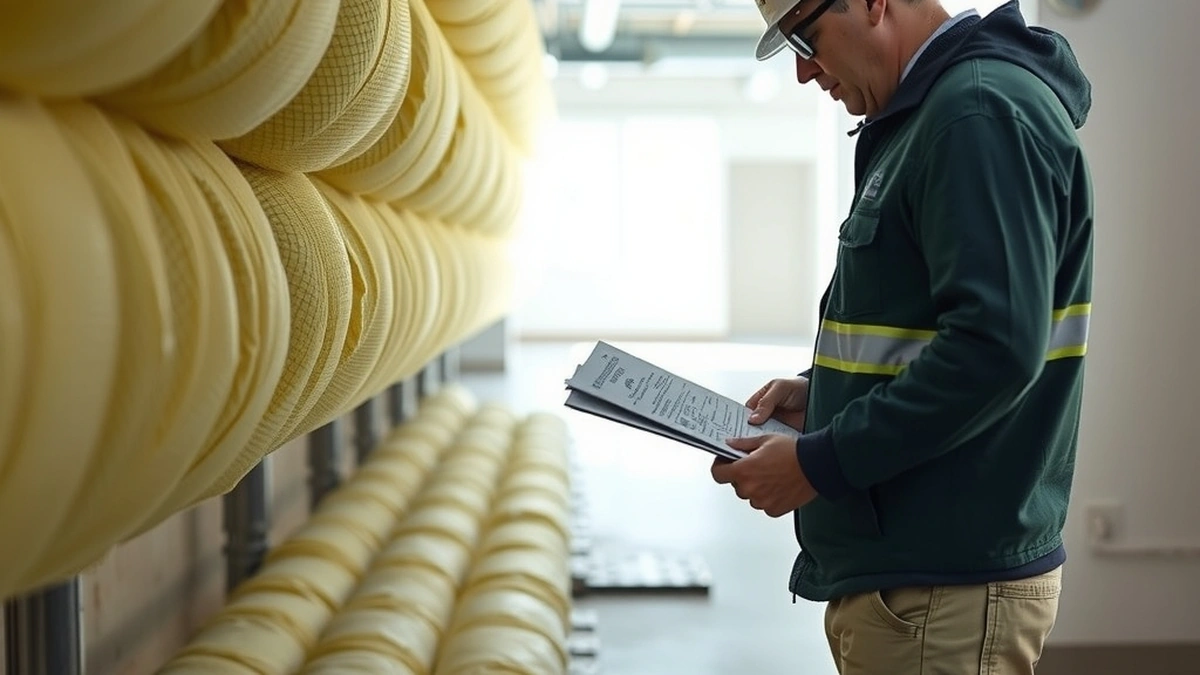
Schedule visual inspections every 6–12 months for intact asbestos-containing materials; damaged or friable material requires immediate evaluation by a licensed abatement professional.
- Inspection frequency
- Every 6–12 months for intact ACM
- Bulk testing
- $50–$150 per sample
- Asbestos survey
- $300–$800
- Abatement
- $20–$50 per sq ft
- Encapsulation
- $5–$15 per sq ft
Some links on this page are affiliate links.If you buy through them we may earn a commission at no extra cost to you. We do not accept payment for rankings. Read the full disclosure.
An asbestos removal maintenance schedule is a written plan for monitoring asbestos-containing materials (ACM) in a building so they remain intact and do not become a hazard. Intact ACM that is not disturbed generally does not release fibers, but damage, water intrusion, or renovation can change that condition quickly. This article outlines how to build a schedule, what inspections cost, and when removal or encapsulation is necessary.
Why a Maintenance Schedule Matters
Asbestos-containing materials were common in US construction through much of the 20th century. Floor tile, pipe insulation, boiler wrapping, ceiling texture, and roofing products may all contain asbestos. When these materials are in good condition and left alone, the risk of fiber release is low. When they become damaged, friable, or are disturbed during repairs, airborne fibers can create a regulatory and safety issue.
A maintenance schedule assigns responsibility, sets inspection intervals, and records the condition of each material over time. It is not a substitute for abatement when damage is found, but it helps building owners identify problems before they become emergencies.
Recommended Inspection Intervals
Intact asbestos-containing materials should be visually inspected at least every 6 to 12 months. High-traffic areas, mechanical rooms, and locations with water exposure may need more frequent checks. After any event that could damage building materials—such as a leak, flood, fire, or impact—inspect the affected areas immediately.
Each inspection should note:
- Material type and location
- Visible damage, water staining, or delamination
- Signs of disturbance from recent work
- Changes since the previous inspection
Findings should be logged in writing or digitally, with photos where useful. If any material shows damage, contact a licensed asbestos professional before maintenance staff or contractors touch the area.
Testing and Survey Costs
Before a maintenance schedule can be meaningful, building owners need to know which materials contain asbestos. A licensed inspector collects bulk samples and sends them to a laboratory for analysis.
Bulk testing typically costs $50–$150 per sample. A full asbestos survey, which includes inspection, sampling, and reporting across a building, generally ranges from $300–$800 depending on square footage and the number of samples required. These figures are estimates; actual pricing varies by region and project scope.
Testing is the only way to confirm whether suspect material contains asbestos. Visual identification alone is not reliable, and assuming a material is safe without laboratory confirmation can lead to unregulated disturbance.
Abatement, Encapsulation, and Repair Options
When an inspection finds damaged ACM, the response depends on the material, its condition, and planned building work. Removal is not always the first or only option.
Complete abatement removes the material and disposes of it as asbestos waste. Typical abatement costs range from $20–$50 per square foot. Pipe insulation removal is priced by linear foot and typically runs $25–$75 per linear ft. Floor tile removal typically costs $10–$25 per sq ft.
Encapsulation seals the material with a specialized coating to prevent fiber release. Encapsulation generally costs $5–$15 per sq ft. It can be appropriate for some intact materials, but it is not suitable for every situation and does not eliminate the need for future monitoring.
Repair of localized damage may be possible under strict containment procedures, but it must be performed by trained professionals. These cost figures are estimates and should be confirmed with a licensed abatement contractor after site inspection.
What Triggers Immediate Action
Certain conditions require prompt attention outside the routine schedule. Water damage, physical impact, renovation plans, or demolition all change the risk profile of ACM.
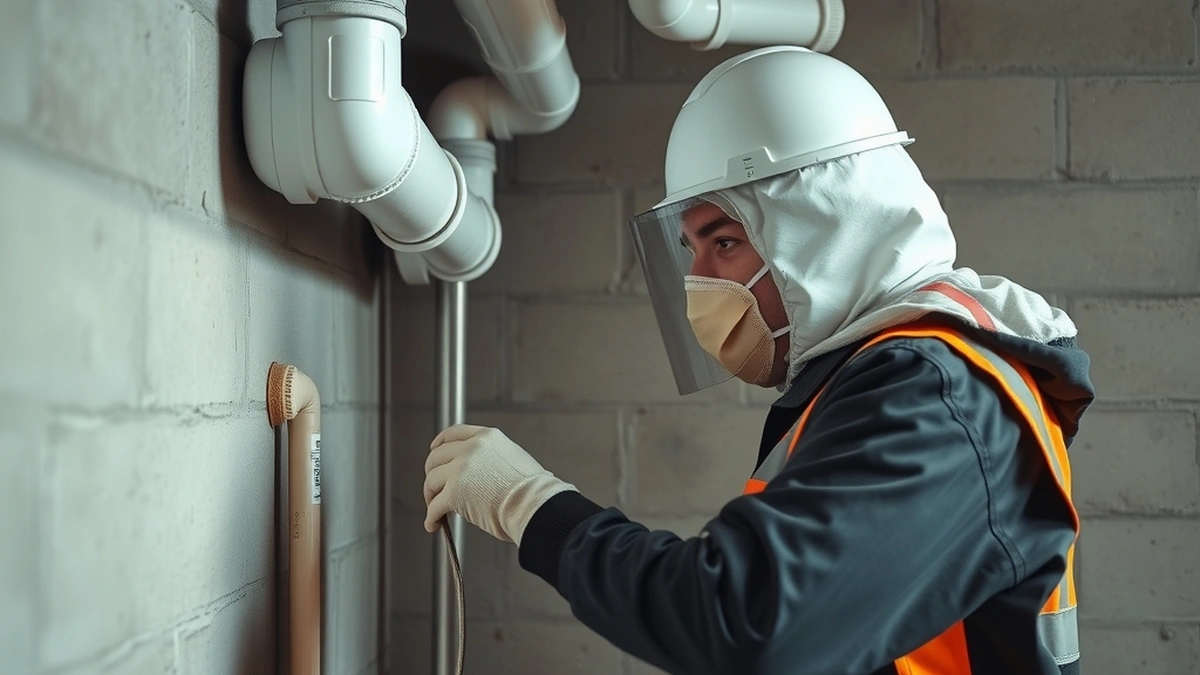
If pipe insulation is hanging, floor tile is cracked and powdery, or ceiling material is peeling, restrict access to the area and contact a licensed asbestos abatement professional. Do not allow maintenance staff to sweep, drill, sand, or remove suspect material. DIY disturbance of friable asbestos is unsafe and may violate federal, state, or local regulations.
Renovation or demolition triggers additional obligations. Before work begins, affected materials must be identified and, if necessary, removed by licensed contractors under containment. This protects workers and occupants and helps avoid regulatory penalties.
Documentation and Recordkeeping
A maintenance schedule only works if it is documented. Keep records of:
- Asbestos survey reports and laboratory results
- Inspection dates and findings
- Photos of material condition
- Abatement or encapsulation work orders
- Waste disposal manifests from removal projects
These records support compliance with OSHA, EPA, and applicable state or local requirements. They also help future owners or property managers understand what asbestos-containing materials exist and how they have been maintained.
Working With Licensed Professionals
Asbestos inspection, abatement, and encapsulation should be performed by licensed and accredited professionals. Regulations vary by state and locality, and some jurisdictions have stricter requirements than federal minimums. Verify credentials before signing a contract, and request a written scope of work that includes containment, air monitoring if required, and disposal documentation.
For more context on pricing, see our guide to asbestos removal cost per square foot. If you are weighing removal against testing, review asbestos removal vs asbestos testing. For information on how long abatement results last, see how long does asbestos removal last.
Maintenance Schedule Checklist
Use this checklist to build or review your building’s asbestos maintenance program:
- Identify all suspect asbestos-containing materials through a licensed survey.
- Collect bulk samples for laboratory confirmation where needed.
- Assign a responsible person to oversee inspections.
- Schedule visual inspections every 6–12 months for intact ACM.
- Inspect immediately after leaks, floods, impacts, or renovation activity.
- Log all findings with dates, photos, and condition notes.
- Contact a licensed abatement professional for any damaged or friable material.
- Obtain written estimates before scheduling removal or encapsulation.
- Retain all reports, work orders, and disposal records on file.
- Review and update the schedule annually or after any major building change.
A consistent maintenance schedule helps property owners manage asbestos-containing materials responsibly. It does not make asbestos safe to disturb, but it creates a system for detecting damage early and responding with licensed professionals when action is required.
Frequently asked questions
What is an asbestos maintenance schedule?
A documented plan for regularly inspecting asbestos-containing materials to confirm they remain intact and do not release fibers into the air.
How often should ACM be inspected?
Intact asbestos-containing materials should be visually inspected at least every 6 to 12 months, or sooner if building conditions change.
Who can perform asbestos inspections?
Only trained and accredited inspectors should collect samples or assess condition; building staff can do basic visual walkthroughs but not sampling.
What does bulk testing cost?
Bulk sampling and laboratory analysis typically costs $50–$150 per sample, depending on the lab and turnaround time.
When is abatement required instead of encapsulation?
Abatement is required when material is damaged, friable, or scheduled for demolition or renovation that would disturb it.
Can maintenance staff remove asbestos tiles?
No. Friable or damaged asbestos material must be handled by licensed abatement professionals following federal and state regulations.
Sources
Some links are affiliate links.If you buy through them we may earn a commission at no extra cost to you. We do not accept payment for rankings. Read the full disclosure.