Abatement vs Disposal: What Homeowners Need to Know
Learn the difference between asbestos abatement and disposal, including costs, regulations, and when each applies.
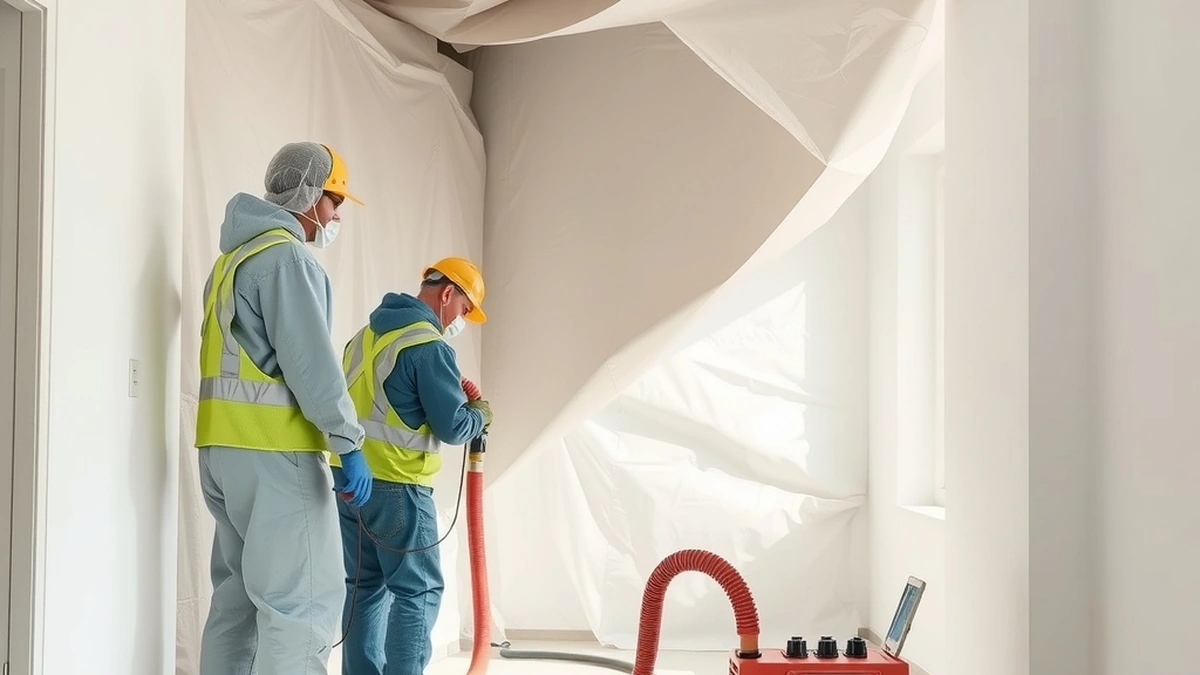
Abatement removes or contains asbestos; disposal handles the resulting waste. Both are regulated, and disposal alone is not abatement.
- Bulk testing
- $50–$150 per sample
- Asbestos survey
- $300–$800
- Abatement
- $20–$50 per sq ft
- Pipe insulation removal
- $25–$75 per linear ft
- Floor tile removal
- $10–$25 per sq ft
Some links on this page are affiliate links.If you buy through them we may earn a commission at no extra cost to you. We do not accept payment for rankings. Read the full disclosure.
Abatement and disposal are not the same thing. Abatement means removing, encapsulating, enclosing, or repairing asbestos-containing material so it no longer poses an exposure risk. Disposal means packaging, transporting, and burying the resulting waste at an approved landfill. You cannot legally substitute disposal for abatement, and you cannot legally abate without planning for disposal.
How Abatement and Disposal Differ
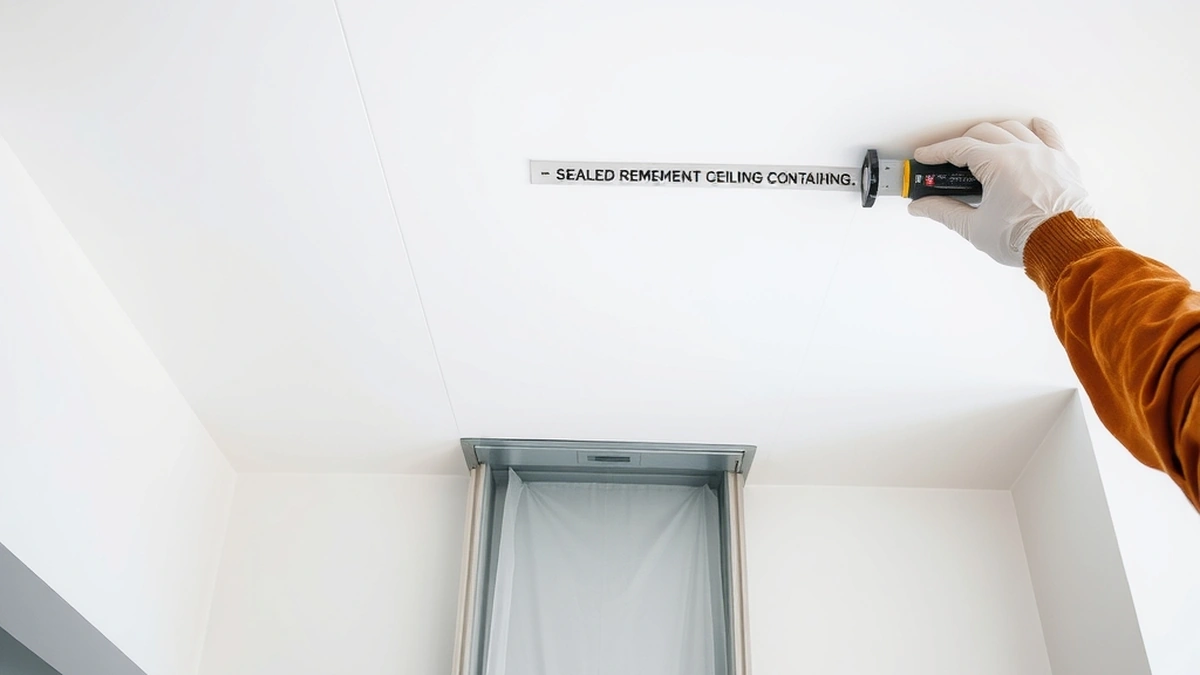
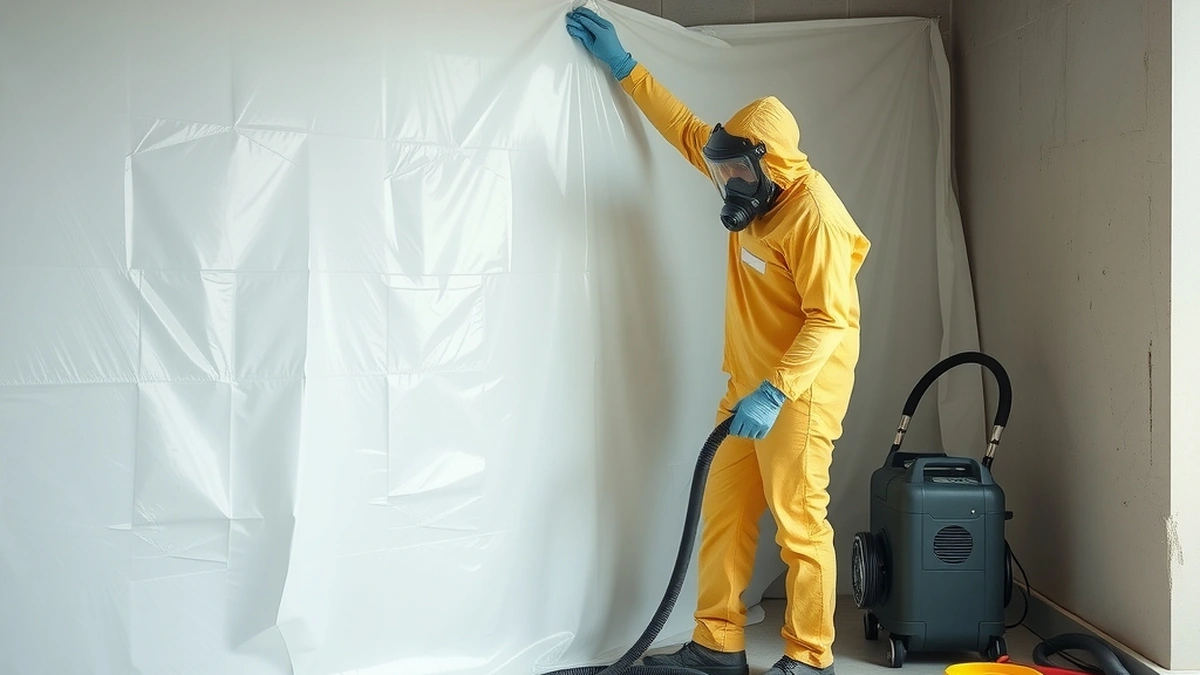
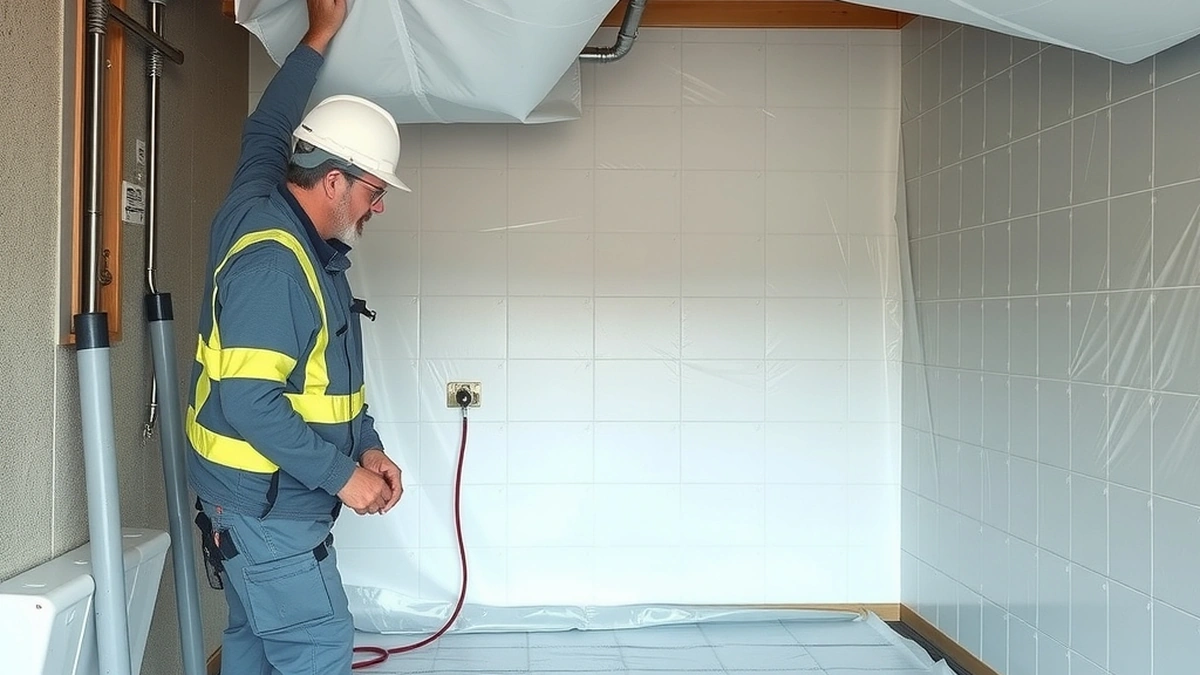
Abatement addresses the hazard in place. A contractor may remove asbestos pipe insulation, seal floor tile with an encapsulant, or build an airtight enclosure around contaminated material. Disposal addresses the waste stream. Once asbestos-containing material is removed or stripped, it becomes regulated asbestos-containing waste. It must be wetted, sealed in leak-tight containers, labeled, and hauled to a facility permitted to accept it.
The distinction matters because a project can include abatement without disposal, such as when encapsulation leaves the material in the building. It can also include disposal without new abatement, such as when a homeowner discovers old asbestos bags in a shed. For most residential projects, however, abatement generates waste, so disposal follows automatically.
Why Testing Comes First
Before any abatement or disposal decision, you need to know what you are dealing with. Bulk sampling typically costs $50–$150 per sample. A full asbestos survey often runs $300–$800, depending on home size and the number of suspect materials. Testing identifies whether material is friable, meaning it can be crumbled by hand pressure, or non-friable, such as vinyl floor tile in good condition.
Friable material usually requires full removal by a licensed contractor because disturbance releases fibers. Non-friable material may be a candidate for encapsulation or enclosure, but only after a professional assessment. Skipping testing risks unnecessary removal costs or, worse, illegal disposal of hazardous waste.
Abatement Costs by Material Type
Professional asbestos abatement is priced by the affected area or linear run. Estimates vary by region, containment requirements, and material condition.
- Full abatement: $20–$50 per square foot
- Pipe insulation removal: $25–$75 per linear foot
- Floor tile removal: $10–$25 per square foot
- Encapsulation: $5–$15 per square foot
Here is an example using mid-range estimates. Suppose a 10-foot section of basement pipe insulation needs removal. At $25–$75 per linear foot, the labor and containment cost falls between $250 and $750. If the same basement has 200 square feet of asbestos floor tile at $10–$25 per square foot, removal ranges from $2,000 to $5,000. Encapsulating that same tile at $5–$15 per square foot would cost $1,000 to $3,000, but the material remains in place and may require future monitoring.
These figures are estimates. A contractor must inspect the site before issuing a firm quote. For broader pricing context, see our overview of asbestos removal cost per square foot.
Disposal Costs and Logistics
Disposal is usually bundled into the abatement contractor’s price, but it helps to understand what you are paying for. Asbestos waste must be placed in 6-mil polyethylene bags or rigid drums, sealed, and marked with hazard labels. Transport requires a licensed hauler, and the receiving landfill charges tipping fees based on weight.
A typical residential project might produce several hundred pounds of bagged waste. If a landfill charges $50–$100 per ton and a project generates 1 ton of asbestos waste, disposal fees add $50–$100 before hauling and paperwork. Manifests must track the waste from generation to final disposal, creating a legal record that protects the homeowner and contractor.
Never place asbestos waste in household trash or a construction dumpster. Doing so violates federal and state rules and can expose sanitation workers and the public to airborne fibers. For more on what professional removal includes, read our guide to asbestos removal installation.
Encapsulation as an Alternative
Encapsulation coats asbestos-containing material with a sealant that binds fibers and prevents release. At $5–$15 per square foot, it often costs less than removal. It is sometimes appropriate for intact pipe insulation, boiler jackets, or certain ceiling materials in low-traffic areas.
Encapsulation is not disposal. The asbestos stays in the building, so future renovations, demolition, or damage can disturb it again. Property disclosures may still require noting the presence of encapsulated asbestos. If you choose encapsulation, ask the contractor for a maintenance plan and re-inspection schedule. Our page on asbestos removal maintenance covers ongoing obligations for managed-in-place asbestos.
Regulation and Safety First
EPA rules under the National Emission Standards for Hazardous Air Pollutants set work practice standards for demolition and renovation. OSHA standards protect workers with requirements for training, respirators, air monitoring, and decontamination. State and local agencies often add licensing, notification, and disposal rules.
Homeowners should not attempt DIY removal of friable asbestos. Disturbing insulation, sprayed-on coatings, or damaged pipe wrap can release fibers that linger for days. Even non-friable floor tile can become friable if it is sanded, sawed, or broken. For a discussion of why DIY is discouraged for regulated material, see DIY asbestos removal.
If the material is in good condition and undisturbed, leaving it alone may be the safest short-term option. If renovation will disturb it, hire a licensed abatement contractor who handles testing, containment, removal, and disposal as one regulated project.
Choosing the Right Path
The choice between abatement and disposal is not really an either/or decision. Abatement controls the hazard; disposal manages the waste. Testing determines whether asbestos is present. Material type and condition determine whether removal, encapsulation, or enclosure is appropriate. A licensed contractor then prices the work and arranges lawful disposal.
Start with a survey if you suspect asbestos in insulation, tile, cement, or older adhesives. Get written estimates that separate testing, abatement, and disposal line items. Confirm that the contractor holds required licenses and that waste will go to an approved facility. For help finding qualified professionals, visit our directory of best asbestos removal providers.
If you are weighing testing against a full project, our comparison of asbestos removal vs asbestos testing explains how the two steps fit together. And if damage has already occurred, asbestos removal repair outlines emergency response options for disturbed material.
Abatement vs disposal is ultimately about sequence, not substitution. Test first, abate second, and dispose of the waste only through legal channels.
Frequently asked questions
What is asbestos abatement?
Abatement is the controlled removal, encapsulation, enclosure, or repair of asbestos-containing materials to reduce exposure risk.
What is asbestos disposal?
Disposal is the lawful packaging, transport, and landfilling of asbestos waste at an approved facility.
Can I dispose of asbestos myself?
Homeowners should not handle friable asbestos waste; licensed abatement contractors must manage removal and disposal under EPA and OSHA rules.
How much does abatement cost?
Professional abatement typically runs $20–$50 per square foot, depending on material type, location, and containment needs.
Is encapsulation cheaper than removal?
Encapsulation often costs $5–$15 per square foot, which is generally less than full removal at $20–$50 per square foot.
Do I need testing before abatement?
Yes. Bulk sampling costs $50–$150 per sample, and a full survey typically costs $300–$800 to confirm where asbestos is present.
Sources
Some links are affiliate links.If you buy through them we may earn a commission at no extra cost to you. We do not accept payment for rankings. Read the full disclosure.