Asbestos Removal Installation: What It Involves
A step-by-step overview of professional asbestos removal installation, including containment, abatement, clearance testing, and typical US costs.
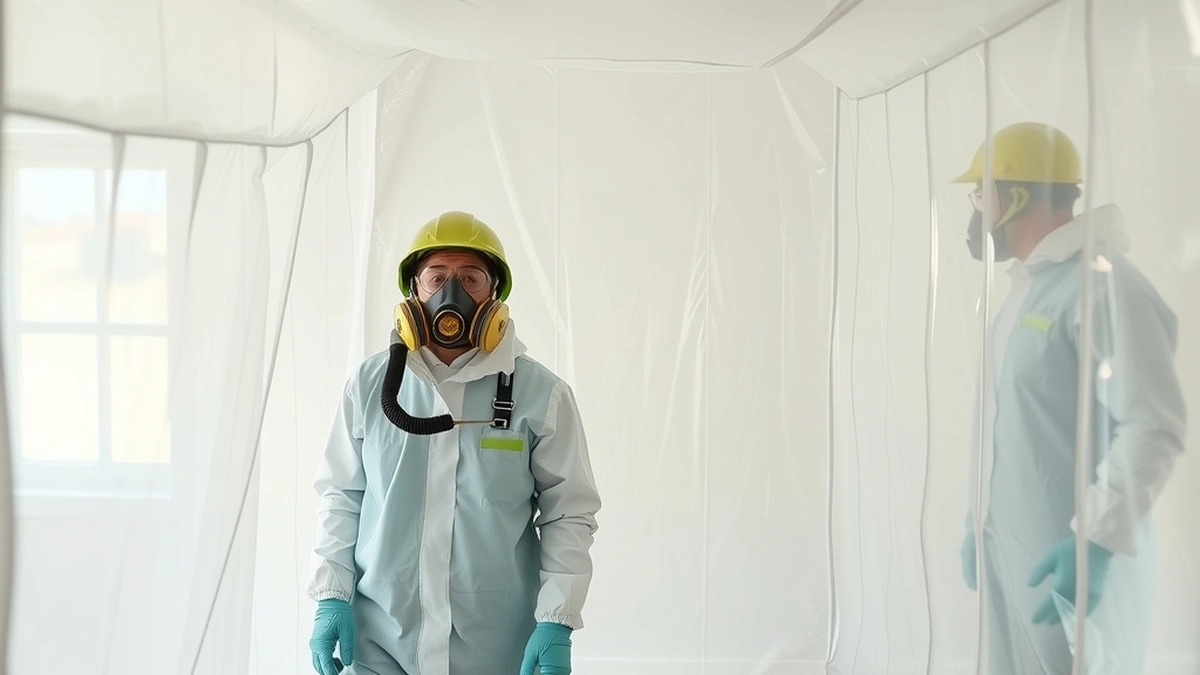
Professional asbestos removal installation involves inspection, sealed containment, licensed abatement, waste disposal, and third-party clearance testing before reoccupancy.
- Typical abatement cost
- $20–$50 per sq ft
- Pipe insulation removal
- $25–$75 per linear ft
- Floor tile removal
- $10–$25 per sq ft
- Encapsulation
- $5–$15 per sq ft
- Asbestos survey
- $300–$800
Some links on this page are affiliate links.If you buy through them we may earn a commission at no extra cost to you. We do not accept payment for rankings. Read the full disclosure.
Asbestos removal installation is the regulated process of isolating, removing, or sealing asbestos-containing materials (ACMs) inside a building. It is performed by licensed abatement contractors under containment to prevent airborne fibers from spreading to occupied areas. The work ends only after clearance testing confirms the area is safe for reoccupancy.
What the Term Means
“Asbestos removal installation” describes the setup and execution of an abatement project, not a product installation. It includes building containment, creating negative air pressure, removing or encapsulating asbestos, decontaminating workers, and disposing of waste at an approved facility. Because asbestos fibers are microscopic and hazardous when inhaled, every step follows federal, state, and local regulations.
Property owners usually begin by confirming whether asbestos is present. An asbestos survey costs approximately $300 to $800, and bulk testing runs about $50 to $150 per sample. These figures are estimates and vary by location and laboratory.
Step 1: Inspection and Survey
Before any removal begins, a licensed inspector identifies suspect materials and collects samples for laboratory analysis. Common ACMs include pipe insulation, floor tiles, ceiling textures, boiler insulation, and roofing materials. The survey report maps where asbestos is located, its condition, and whether it is friable, meaning it can be crumbled by hand pressure.
This step determines the scope of work. A small patch of damaged pipe insulation requires different controls than floor tile throughout a kitchen. Survey results also shape the cost estimate. For example, if testing confirms asbestos in 200 square feet of floor tile, removal at $10 to $25 per square foot would cost roughly $2,000 to $5,000 before disposal and clearance fees.
Step 2: Containment Setup
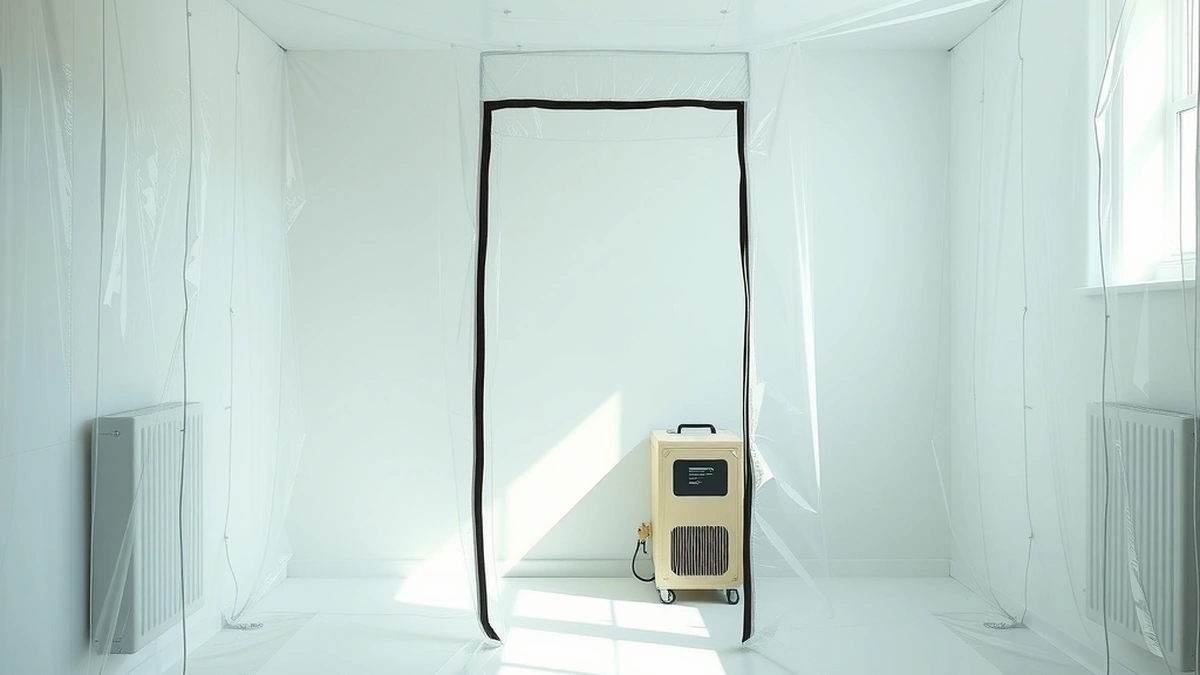
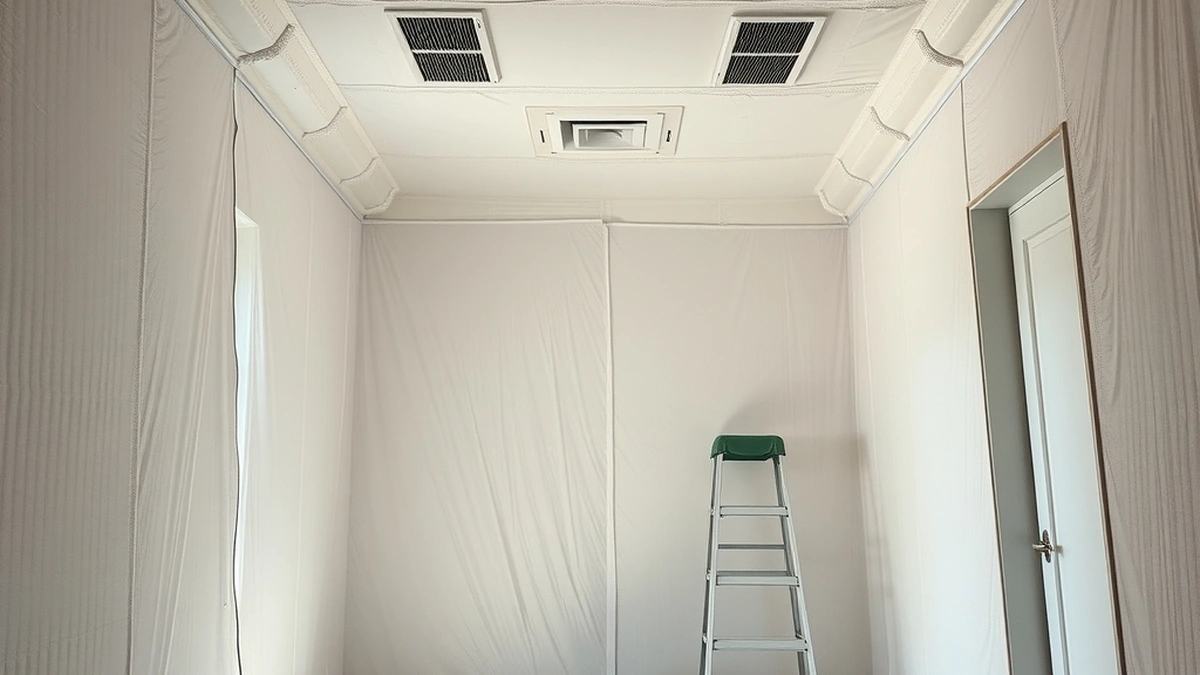
Containment is the core of asbestos removal installation. Contractors seal the work area with polyethylene sheeting, tape vents and doorways, and install negative air pressure units equipped with HEPA filters. The goal is to ensure air flows into the containment area, not out of it, so fibers cannot escape into hallways or living spaces.
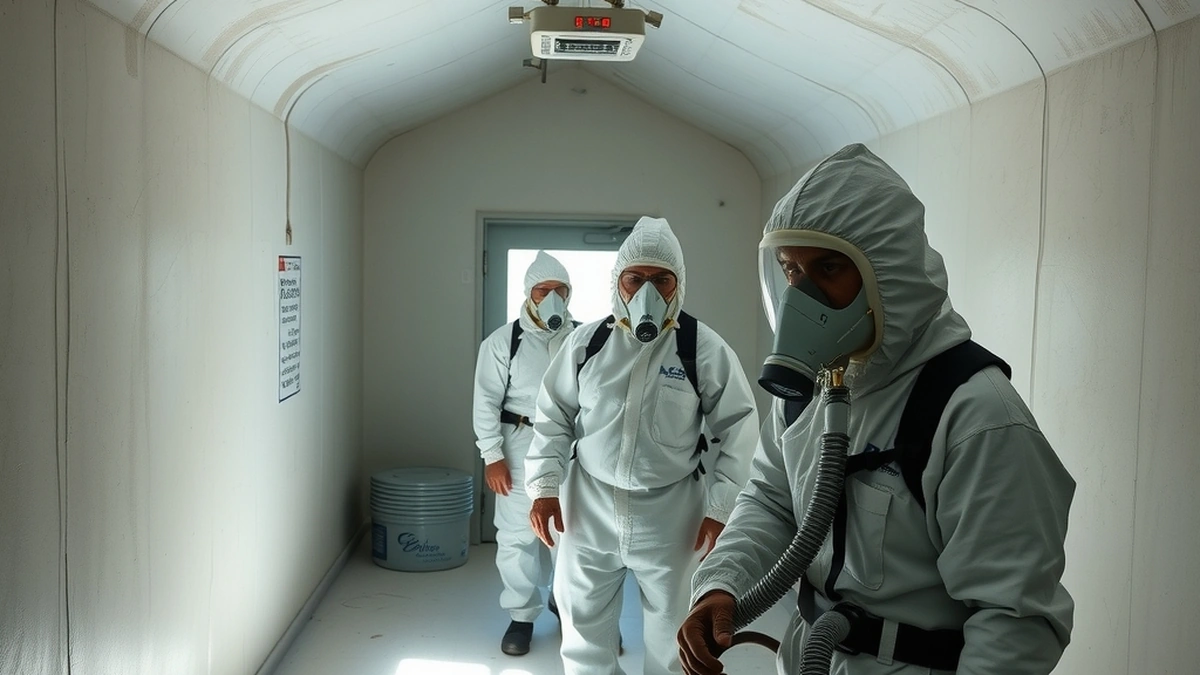
Workers establish a decontamination chamber at the entrance. This typically includes a clean room, a shower area, and a contaminated equipment room. Anyone entering the zone wears disposable coveralls, respirators with HEPA cartridges, and gloves. These controls protect both workers and building occupants.
Step 3: Abatement Methods
Contractors choose removal, encapsulation, or enclosure based on the material and project goals.
Removal physically takes the ACM out of the building. It is the most complete solution but also the most labor-intensive. Typical abatement costs range from $20 to $50 per square foot. Pipe insulation removal runs about $25 to $75 per linear foot. Floor tile removal averages $10 to $25 per square foot. These are estimates; actual prices depend on access, height, material condition, and local disposal fees.
Encapsulation applies a sealant that binds asbestos fibers in place so they cannot become airborne. It costs roughly $5 to $15 per square foot. Encapsulation may be appropriate when removal would damage surrounding materials or when the ACM is in good condition and unlikely to be disturbed. It does not eliminate asbestos, so future renovation still requires disclosure and careful handling.
Enclosure builds a permanent barrier around the asbestos, such as a sealed gypsum wall over insulated pipes. It is less common than removal or encapsulation but may be used in mechanical rooms or crawl spaces.
Step 4: Waste Handling and Disposal
Asbestos waste must be wetted, sealed in leak-tight containers, and labeled according to EPA and Department of Transportation rules. Contractors transport it to a landfill permitted to accept asbestos. Disposal fees are separate from abatement labor and vary by weight and distance.
For example, removing 100 linear feet of pipe insulation at $25 to $75 per linear foot implies labor costs of $2,500 to $7,500. Disposal, air monitoring, and clearance testing are added on top. Property owners should request a written quote that lists each line item rather than a single lump sum.
Step 5: Clearance Testing and Reoccupancy
After abatement, the containment area undergoes a visual inspection and air sampling. A third-party inspector, independent of the abatement contractor, collects air samples and analyzes them using phase contrast microscopy or transmission electron microscopy. If fiber concentrations are below the applicable clearance level, containment can be dismantled and the area reopened.
Clearance testing protects property owners from liability and confirms that the work area is safe. Skipping this step can leave hidden contamination and create problems during future real estate transactions.
Typical Cost Scenarios
Costs vary widely, but the following examples show how the canonical pricing applies. These are estimates, not quotes.
- Survey and testing: $300 to $800 for a survey, plus $50 to $150 per bulk sample.
- Floor tile room: 150 square feet at $10 to $25 per square foot equals $1,500 to $3,750 for removal labor.
- Pipe insulation: 40 linear feet at $25 to $75 per linear foot equals $1,000 to $3,000 for removal labor.
- Encapsulation: 200 square feet at $5 to $15 per square foot equals $1,000 to $3,000.
Total project cost includes containment setup, negative air machines, worker decontamination, waste disposal, and clearance testing. For more detail on pricing, see our guide to asbestos removal cost per square foot.
Repairs and Maintenance After Removal
Once asbestos is removed or encapsulated, surrounding materials may need repair. Drywall, flooring, or insulation replacement falls outside asbestos abatement but is part of restoring the space. Our overview of asbestos removal repair covers how contractors handle surfaces after abatement.
Long-term stewardship matters too. If encapsulation was used instead of removal, periodic inspections confirm the sealant remains intact. Learn more in our asbestos removal maintenance article.
Choosing a Contractor
Hire a licensed asbestos abatement contractor with proof of insurance, worker training, and waste disposal documentation. Ask for references and a written work plan that specifies containment, negative air pressure, disposal destination, and clearance testing. Avoid any contractor who suggests dry scraping, sanding, or removing friable asbestos without containment.
Homeowners should not attempt DIY removal of friable asbestos. Disturbing damaged insulation or sprayed-on coatings can release fibers that remain airborne for hours. For context on why professional controls are required, see our article on DIY asbestos removal.
Removal Versus Testing
Testing identifies whether asbestos is present; removal installation addresses it. Some property owners assume a positive test automatically means demolition, but that is not always true. Intact, undisturbed asbestos may be managed in place with regular inspections. Our comparison of asbestos removal vs asbestos testing explains when each step is necessary.
How Long Results Last
Properly completed abatement removes the treated material permanently, but other asbestos may remain elsewhere in the building. Encapsulated materials require ongoing monitoring. For perspective on durability and reinspection intervals, read how long asbestos removal lasts.
For help evaluating providers in your area, see our directory of best asbestos removal resources.
Asbestos removal installation is a controlled, multi-stage process that begins with testing and ends with clearance. It protects occupants, workers, and property value by keeping fibers contained and documenting that the area is safe to reenter. Always use licensed professionals and never attempt friable asbestos removal without proper containment and training.
Frequently asked questions
What is asbestos removal installation?
It is the regulated process of isolating, removing, or sealing asbestos-containing materials in a building under controlled conditions by licensed professionals.
Who should perform asbestos removal?
Only trained and licensed asbestos abatement contractors should handle removal, especially for friable materials that can release fibers.
How much does asbestos abatement cost?
Abatement typically ranges from $20 to $50 per square foot, depending on material type, location, and containment requirements.
Is encapsulation a substitute for removal?
Encapsulation seals asbestos in place and costs $5–$15 per square foot, but it is not appropriate for every material or renovation plan.
How is clearance confirmed after removal?
A qualified inspector conducts visual inspection and air testing to confirm fiber levels are below applicable reoccupancy thresholds.
Can homeowners remove asbestos themselves?
DIY removal of friable asbestos is strongly discouraged due to health risks and regulatory requirements; licensed contractors are required in many cases.
Sources
Some links are affiliate links.If you buy through them we may earn a commission at no extra cost to you. We do not accept payment for rankings. Read the full disclosure.