Encapsulation vs Abatement: Choosing an Asbestos Strategy
Compare asbestos encapsulation and abatement costs, regulations, and when each method applies under US EPA and OSHA guidance.
Encapsulation seals asbestos in place at $5–$15 per sq ft; abatement removes it at $20–$50 per sq ft. Testing and a licensed survey determine which option is compliant.
- Encapsulation cost
- $5–$15 per sq ft
- Abatement cost
- $20–$50 per sq ft
- Bulk testing
- $50–$150 per sample
- Asbestos survey
- $300–$800
Some links on this page are affiliate links.If you buy through them we may earn a commission at no extra cost to you. We do not accept payment for rankings. Read the full disclosure.
Encapsulation vs abatement is a choice between sealing asbestos-containing material in place or removing it entirely. Encapsulation costs roughly $5–$15 per sq ft, while abatement runs about $20–$50 per sq ft. The right path depends on material condition, friability, occupancy plans, and applicable EPA and OSHA regulations.
What encapsulation means
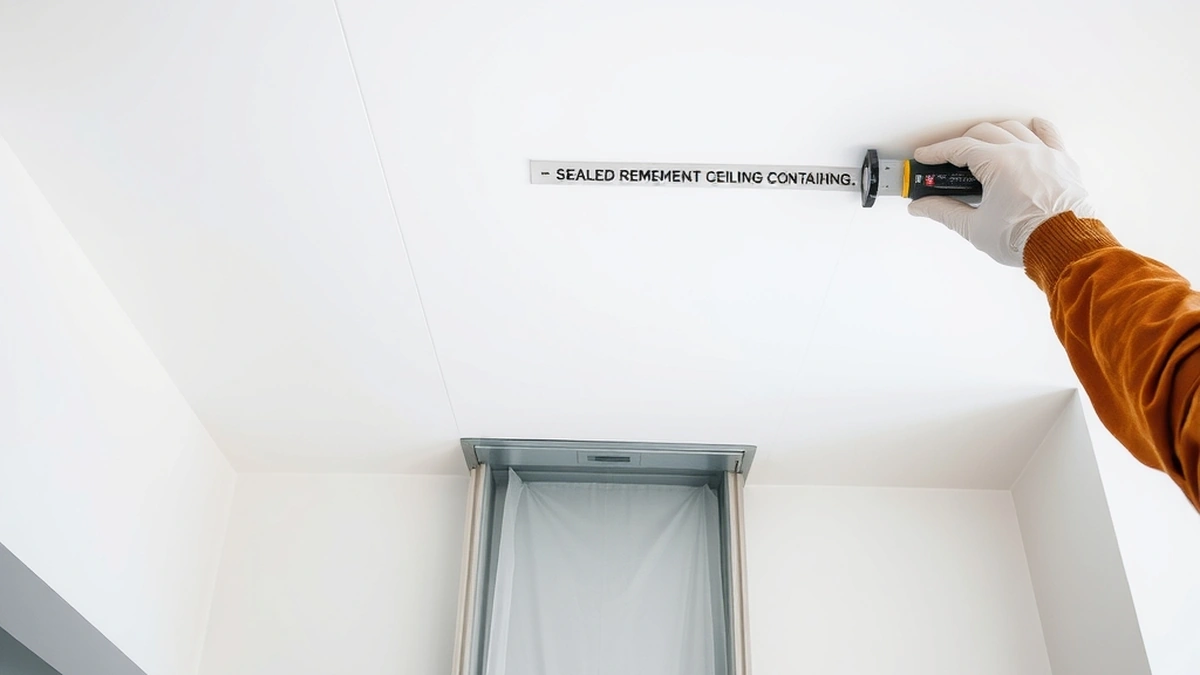
Encapsulation treats asbestos-containing material with a penetrating or bridging sealant that binds fibers to the substrate and prevents release. It does not remove asbestos; it manages it in place. This approach can make sense when material is in good condition, non-friable, and unlikely to be disturbed during normal building use.
Because the asbestos remains, the building owner assumes ongoing responsibilities. Encapsulated areas typically require periodic inspections, updated records, and clear labeling so future contractors do not drill, cut, or sand through the sealed layer. If renovation or demolition is planned later, the encapsulated material may still need abatement before work proceeds.
What abatement means
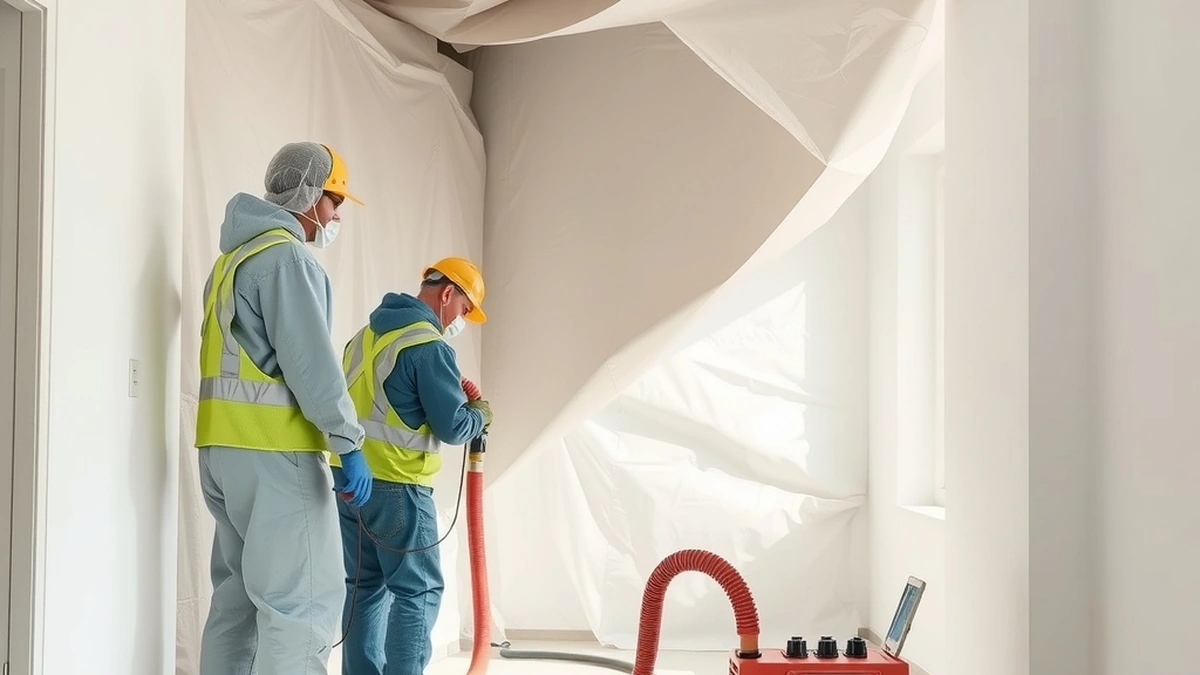
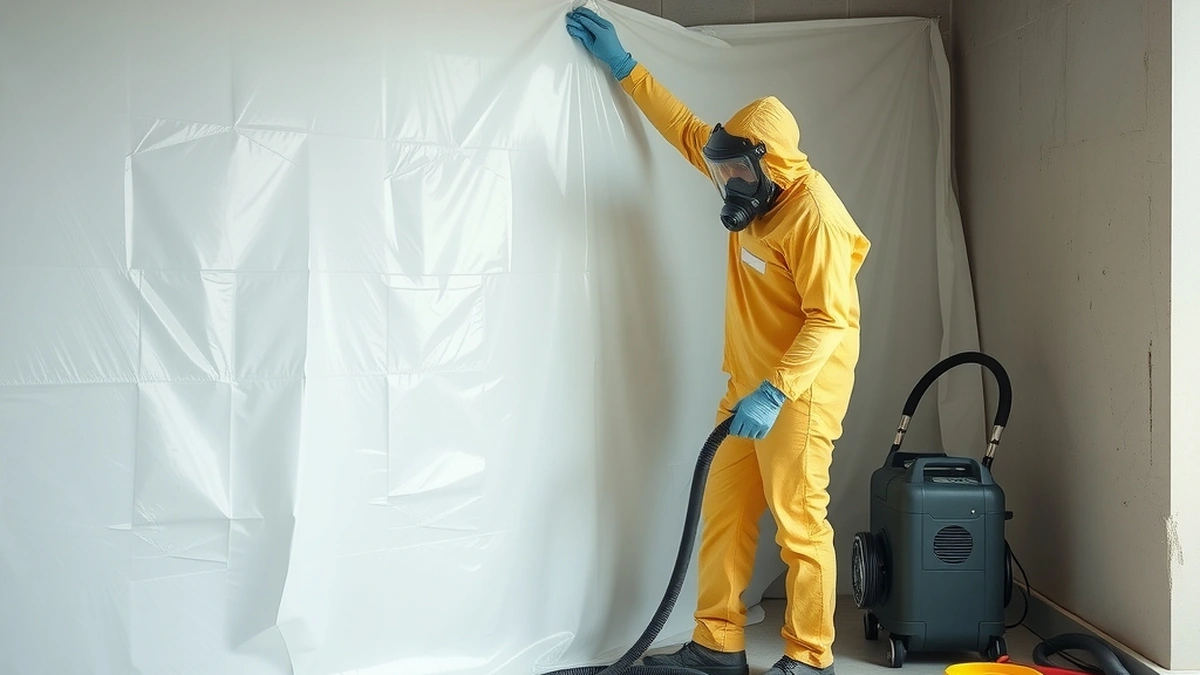
Abatement removes asbestos-containing material from the building or isolates it behind airtight barriers. Licensed contractors use negative-pressure containment, HEPA filtration, decontamination units, and regulated waste disposal to protect workers and occupants. Abatement permanently eliminates the source, which can simplify future renovations and property transactions.
Removal is generally required when material is damaged, friable, or scheduled for disturbance. Friable asbestos crumbles under hand pressure and can release fibers with minimal contact. Pipe insulation, sprayed-on fireproofing, and deteriorating boiler insulation often fall into this category and should not be encapsulated as a substitute for removal.
Cost comparison with sample arithmetic
Cost figures below are estimates. Actual pricing varies by location, material type, accessibility, and disposal fees.
| Method | Typical cost range | Best suited for |
|---|---|---|
| Encapsulation | $5–$15 per sq ft | Intact, non-friable material not slated for disturbance |
| Abatement | $20–$50 per sq ft | Damaged, friable, or soon-to-be-disturbed material |
| Pipe insulation removal | $25–$75 per linear ft | Thermal system insulation on piping |
| Floor tile removal | $10–$25 per sq ft | Vinyl asbestos tile or mastic |
| Bulk testing | $50–$150 per sample | Laboratory confirmation of asbestos content |
| Asbestos survey | $300–$800 | Building-wide assessment and sampling plan |
For example, encapsulating 800 sq ft of intact asbestos-containing floor tile at $10 per sq ft would cost about $8,000. Removing the same 800 sq ft at $18 per sq ft would cost about $14,400. The removal price includes labor, containment, HEPA air clearance, and regulated waste transport, while encapsulation covers surface preparation, sealant application, and clearance testing.
A 50-linear-foot run of damaged pipe insulation at $45 per linear foot would cost roughly $2,250 to remove. Encapsulating that same run might cost less upfront, but the insulation remains in place and must be monitored for the life of the building or until future abatement.
Testing comes before either option
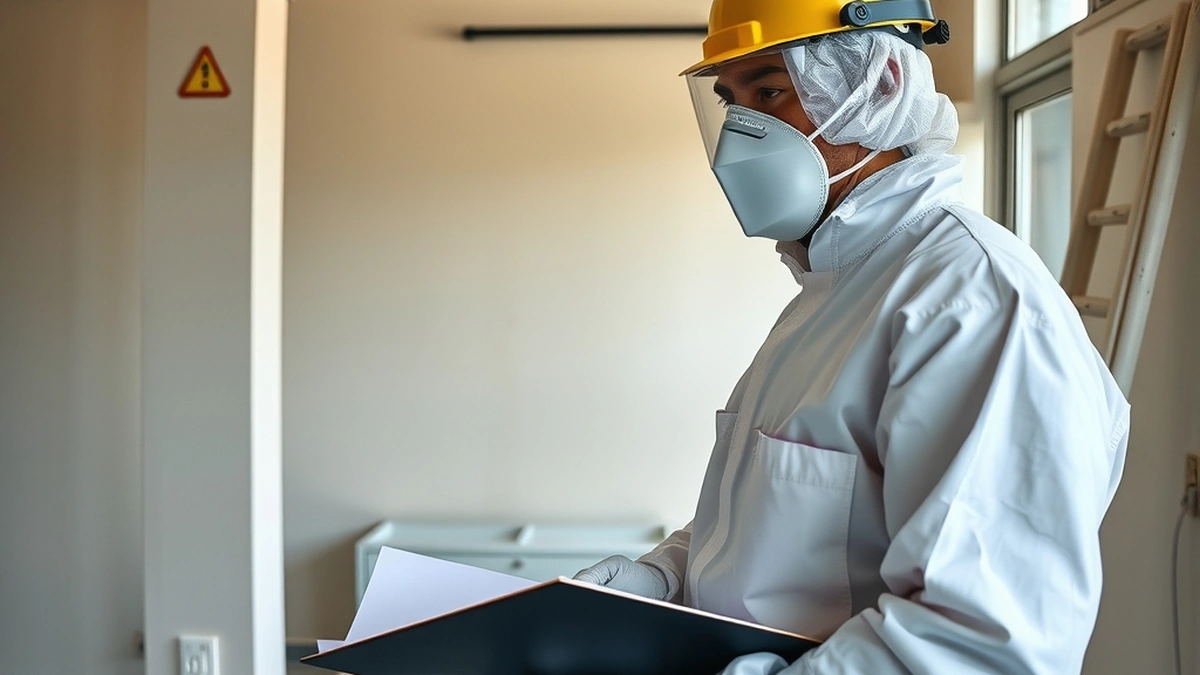
No encapsulation or abatement decision should proceed without laboratory confirmation. A licensed inspector collects bulk samples and sends them to an accredited lab. Bulk testing typically costs $50–$150 per sample. A full asbestos survey, including visual assessment, sampling strategy, and report, typically runs $300–$800.
Testing identifies whether material contains asbestos, the percentage of asbestos, and whether the material is friable. That information drives regulatory requirements under EPA NESHAP and OSHA worker-protection standards. Skipping testing risks unregulated disturbance, which can expose occupants and create liability for the property owner.
For more on how testing fits into project planning, see our overview of asbestos removal vs asbestos testing.
Regulatory and safety context
EPA regulations address asbestos in schools, public buildings, and demolition or renovation projects. OSHA standards set exposure limits, require worker training, and mandate respiratory protection and regulated areas during abatement. State and local agencies often impose stricter licensing, notification, and disposal rules.
Encapsulation does not exempt a building from these rules. If encapsulated material is later damaged during maintenance, the disturbance can trigger abatement requirements and air monitoring. Abatement projects generally require notification to the appropriate agency, licensed contractors, clearance air sampling, and documentation of waste disposal.
Property owners should verify contractor licensing and insurance before signing any contract. Unlicensed removal or encapsulation can result in fines, stop-work orders, and costly recontamination cleanup.
When encapsulation may be appropriate
Encapsulation can be a reasonable interim or long-term strategy when:
- Material is intact and non-friable
- The area will not undergo renovation or demolition
- Budget constraints make full removal impractical now
- The material is difficult to access without structural demolition
- A qualified inspector and industrial hygienist approve the approach
Encapsulation is not a DIY task. Applying sealant to asbestos-containing material can disturb fibers if done incorrectly. Only trained professionals should perform the work, using appropriate containment and personal protective equipment.
For related guidance on non-removal strategies, see our pages on asbestos removal repair and asbestos removal maintenance.
When abatement is usually necessary
Abatement is typically the better choice when:
- Material is friable or damaged
- Renovation, demolition, or building systems work will disturb the material
- The property is being sold and buyers or lenders require removal
- Encapsulation has failed or the sealant is peeling
- Long-term liability and monitoring costs outweigh removal savings
Removal ends the obligation to monitor the material, though it costs more upfront. A 1,000-sq-ft area abated at $30 per sq ft costs about $30,000. Encapsulating the same area at $10 per sq ft costs about $10,000, but future inspections, potential re-encapsulation, and eventual removal can add expense over time.
Installation, repair, and maintenance distinctions
Some projects combine encapsulation with repair of surrounding materials. For example, a contractor might encapsulate asbestos-containing insulation while replacing damaged protective jacketing. Other projects involve enclosure—building an airtight barrier around asbestos rather than removing it. Enclosure differs from encapsulation because it physically isolates the material rather than coating it.
Maintenance after encapsulation includes visual checks for water damage, impact damage, or sealant degradation. If the encapsulated layer fails, fibers can become airborne, and the area may need immediate abatement. Building owners should keep records of encapsulation dates, products used, inspection results, and clearance reports.
For broader cost context, see our guide to asbestos removal cost per square foot and our installation overview at asbestos removal installation.
Choosing between the two
Start with a licensed asbestos survey. The inspector’s report identifies material type, condition, friability, and recommended response actions. From there, compare the upfront cost of encapsulation against abatement, then add long-term monitoring, future renovation costs, and resale considerations.
If the material is sound and will remain undisturbed, encapsulation at $5–$15 per sq ft can save money in the short term. If the material is damaged, friable, or in the path of planned construction, abatement at $20–$50 per sq ft removes the hazard permanently. Neither option should be attempted by untrained building owners, especially where friable material is present.
For help evaluating overall project scope, see our best asbestos removal directory and our cautionary guidance on DIY asbestos removal.
Frequently asked questions
What is asbestos encapsulation?
Encapsulation applies a sealant or binding agent over asbestos-containing material to lock fibers in place and prevent them from becoming airborne.
What is asbestos abatement?
Abatement is the removal, repair, or enclosure of asbestos-containing materials by licensed professionals following EPA and OSHA work practices.
Is encapsulation cheaper than abatement?
Yes. Encapsulation typically runs $5–$15 per sq ft, while abatement runs $20–$50 per sq ft, though removal eliminates the material entirely.
Can I encapsulate friable asbestos myself?
No. Friable material crumbles by hand pressure and releases fibers easily; only licensed abatement professionals should handle it under containment.
Does encapsulation require future monitoring?
Yes. Encapsulated material remains in place and must be inspected periodically to confirm the sealant is intact and fibers are not releasing.
How do I know which method to use?
A licensed inspector collects bulk samples at $50–$150 per sample and issues a survey report costing $300–$800 to determine condition and abatement needs.
Sources
Some links are affiliate links.If you buy through them we may earn a commission at no extra cost to you. We do not accept payment for rankings. Read the full disclosure.