How Long Does Asbestos Removal Last
Asbestos removal timelines depend on material type, square footage, and containment requirements. Learn what affects abatement duration and cost.
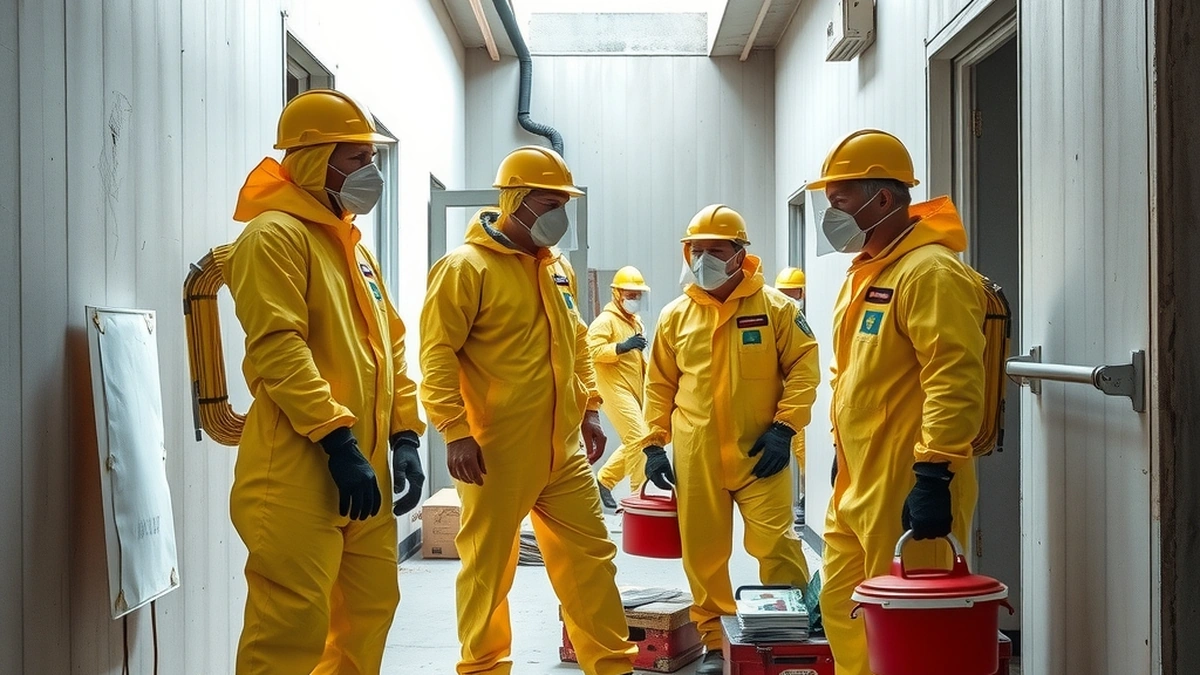
Most residential asbestos removal projects take 1 to 5 days, while larger commercial abatement can run 1 to 3 weeks depending on square footage and containment needs.
- Typical residential timeline
- 1–5 days
- Large commercial timeline
- 1–3 weeks
- Bulk testing cost
- $50–$150 per sample
- Asbestos survey cost
- $300–$800
- Abatement cost
- $20–$50 per sq ft
Some links on this page are affiliate links.If you buy through them we may earn a commission at no extra cost to you. We do not accept payment for rankings. Read the full disclosure.
Asbestos removal usually takes between one and five days for a typical residential project. Larger commercial abatement jobs can extend to one to three weeks. The exact timeline depends on the material type, square footage, and containment requirements.
Property owners often confuse removal duration with how long the results last. When abatement is performed correctly, asbestos-containing material is either removed or sealed so it cannot release fibers. Clearance testing afterward confirms the area is safe to reoccupy. This article explains what affects project length, how pricing is calculated, and why professional testing comes before any abatement work.
What Determines Removal Duration
Several factors control how long asbestos removal takes. The condition of the material matters first. Friable asbestos, which crumbles easily under hand pressure, requires more careful containment and slower work than non-friable material such as vinyl floor tile.
Square footage drives labor time directly. A small patch of pipe insulation in a basement might take one day. Full abatement across a 2,000-square-foot home can take a week or more. Accessibility also matters. Material behind walls or above ceilings requires demolition and reconstruction, which adds days to the schedule.
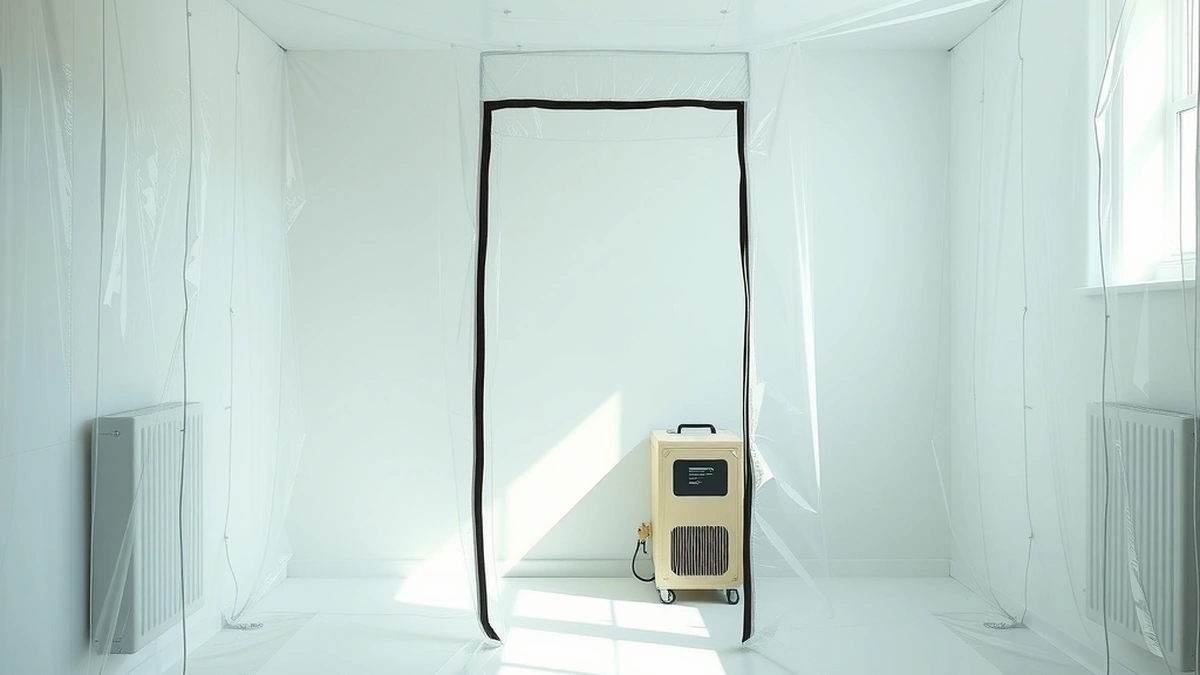
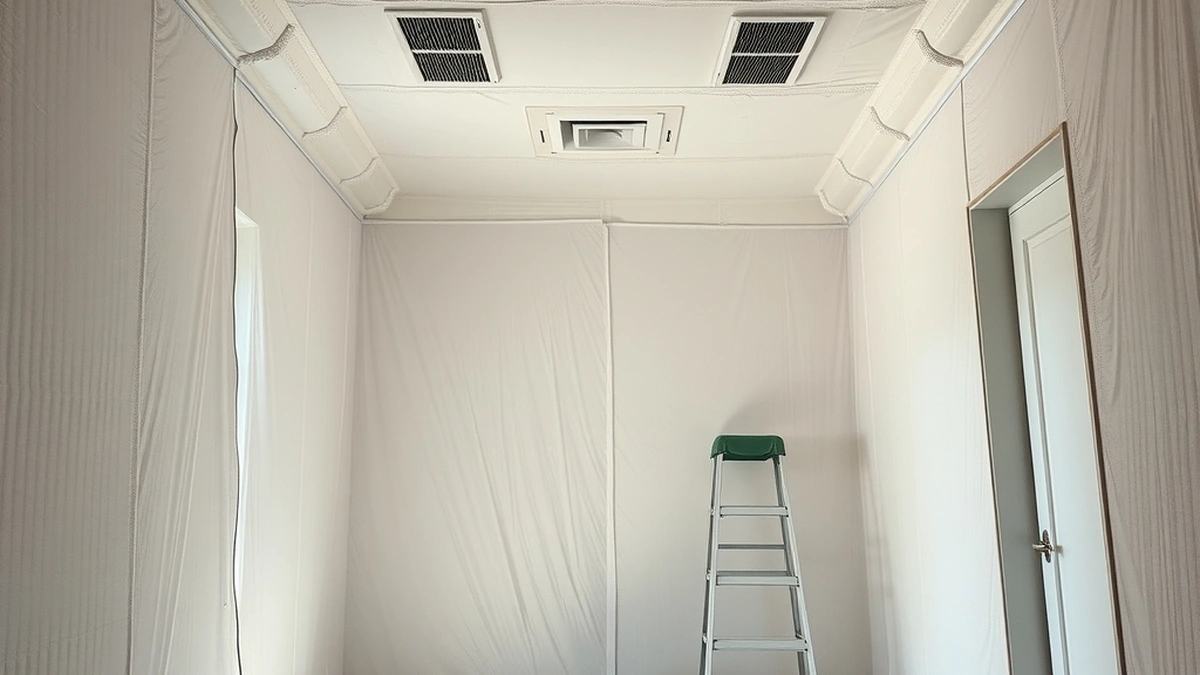
Containment setup is another major variable. Abatement crews must seal the work area with plastic sheeting, create negative air pressure, and establish decontamination chambers. Setup alone can consume half a day on a standard residential job. Clearance testing and air monitoring after removal add additional time before the containment can be taken down.
Typical Timelines by Project Size
Small residential jobs, such as removing asbestos pipe insulation in a single room, often finish in one to two days. Medium projects, including floor tile removal across several rooms, commonly require three to five days. Large residential or light commercial abatement can run one to two weeks. Full commercial building abatement may take three weeks or longer.
These are estimates. Actual schedules depend on local permitting, crew size, and whether clearance testing passes on the first attempt. If air samples show elevated fiber levels, additional cleaning and retesting are required, which extends the project.
Testing Comes Before Removal
No abatement should begin without confirming that asbestos is present. Bulk sampling costs $50 to $150 per sample. A full asbestos survey typically runs $300 to $800 depending on the size of the property and the number of areas sampled.
Testing identifies which materials contain asbestos and whether they are friable or non-friable. That determination shapes the removal method, the containment level, and the final cost. Skipping testing risks unnecessary abatement of non-asbestos material or, worse, disturbing asbestos without proper controls.
For more on how testing fits into the overall process, see our guide on asbestos removal vs asbestos testing.
Cost Estimates and Sample Arithmetic
Abatement pricing is usually quoted per square foot or per linear foot. General asbestos removal averages $20 to $50 per square foot. Pipe insulation removal runs $25 to $75 per linear foot. Floor tile removal costs $10 to $25 per square foot. Encapsulation, which seals material in place rather than removing it, costs $5 to $15 per square foot.
Here is how the arithmetic works for a sample project. Imagine a 400-square-foot basement with asbestos floor tile. At $10 to $25 per square foot, removal would cost $4,000 to $10,000. If the same basement has 100 linear feet of asbestos pipe insulation, removal at $25 to $75 per linear foot adds $2,500 to $7,500. Testing might add another $300 to $800 for a survey, plus $50 to $150 per bulk sample if lab analysis is needed.
Encapsulation can reduce upfront cost. Sealing 400 square feet at $5 to $15 per square foot costs $2,000 to $6,000. However, encapsulation leaves the asbestos in place. It may require ongoing monitoring and can complicate future renovation or demolition.
For a broader cost overview, see our page on how much does asbestos removal cost.
Removal vs. Encapsulation vs. Repair
Property owners sometimes face a choice between full removal, encapsulation, and repair. Removal takes the asbestos-containing material out of the building entirely. It is the most permanent solution but also the most disruptive and expensive.
Encapsulation applies a sealant that binds asbestos fibers so they cannot become airborne. It costs less and takes less time than removal, but the material remains in the building. Future work that disturbs the encapsulated area can still release fibers.
Repair involves patching or enclosing damaged asbestos material. It is appropriate for limited damage and can extend the life of the material, but it does not eliminate the hazard.
Each option has different timeline and cost implications. Removal usually takes longer because of containment, waste handling, and clearance testing. Encapsulation and repair are faster but may require long-term maintenance. Our asbestos removal repair page covers patching and enclosure methods in more detail.
Regulatory Requirements and Safety
Asbestos abatement is regulated at the federal level by agencies including the Environmental Protection Agency and the Occupational Safety and Health Administration. State and local rules often add licensing, notification, and disposal requirements. Licensed abatement contractors follow work practices designed to protect workers and occupants from fiber exposure.
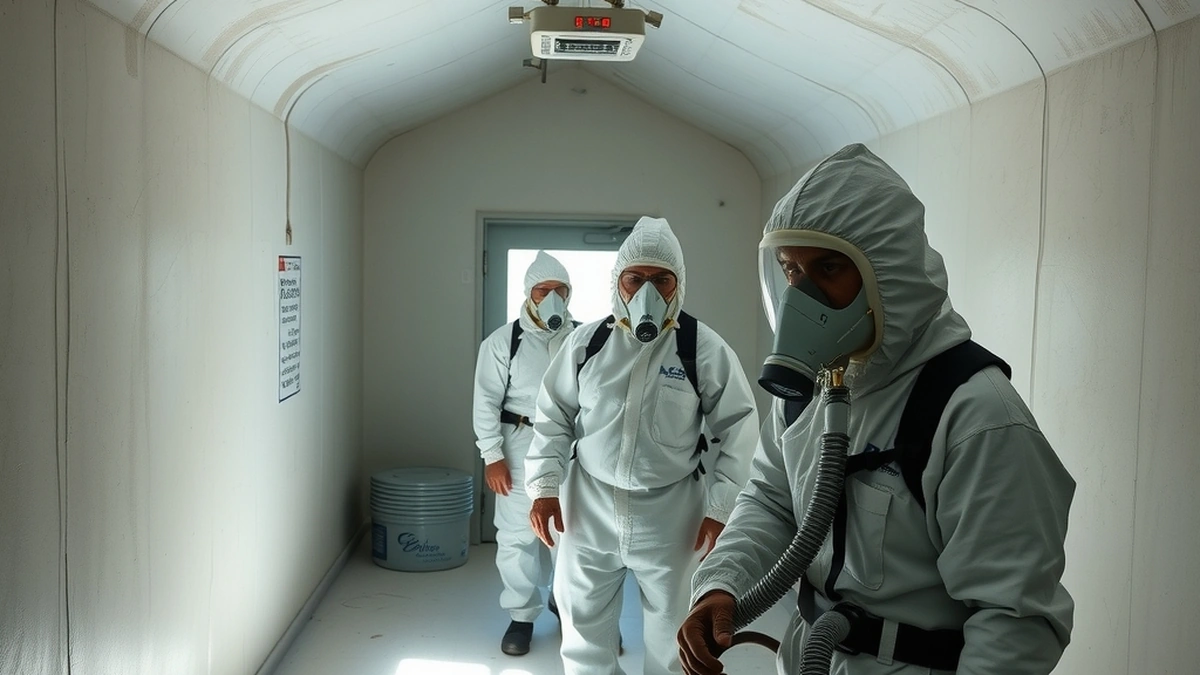
Work areas must be contained. Workers wear respirators and disposable coveralls. Waste is wetted, sealed in labeled bags, and disposed of at approved landfills. Air monitoring may be required during and after abatement. Clearance testing confirms that fiber levels are below regulatory limits before the area is released for normal use.
DIY removal of friable asbestos is strongly discouraged. Disturbing asbestos without training and equipment can release fibers that remain airborne for hours and settle throughout a home. For more on why professional abatement matters, see our article on DIY asbestos removal.
Post-Removal Maintenance and Long-Term Safety
After asbestos removal or encapsulation, the area should remain free of asbestos hazards provided no new asbestos-containing material is disturbed. If encapsulation was used, the sealed material should be inspected periodically for damage. Water leaks, impact, or renovation work can compromise encapsulation and require remediation.
Property owners planning future renovations should request an asbestos survey before demolition begins. Discovering asbestos mid-project can stop work and add unplanned time and cost. Ongoing maintenance of older buildings should include checking pipe insulation, floor tile, and textured coatings for signs of damage.
Our asbestos removal maintenance page explains how to monitor encapsulated areas and schedule follow-up inspections.
Choosing a Qualified Abatement Contractor
Hiring a licensed asbestos abatement contractor is the most important decision in the process. Verify licensing, insurance, and references before signing a contract. Ask about containment procedures, waste disposal, and clearance testing. A reputable contractor provides a written scope of work, a timeline estimate, and a cost breakdown.
Cost should not be the only factor. The cheapest bid may cut corners on containment or disposal, creating liability and health risks. Compare at least three quotes and confirm that each contractor follows EPA and OSHA work practices.
For help finding qualified professionals, see our directory of best asbestos removal services. If you are also considering related home improvement work, our asbestos removal installation page covers replacement options after abatement is complete.
What to Expect From Start to Finish
A typical residential abatement follows this sequence: inspection and sampling, lab analysis, abatement plan and permits, containment setup, removal or encapsulation, cleaning, clearance testing, and containment breakdown. From first phone call to final clearance, the process often takes one to two weeks for a standard home, even if the physical removal lasts only a few days.
Delays usually come from scheduling lab analysis, waiting for permit approval, or failed clearance tests requiring recleaning. Property owners should build a buffer into their schedule and avoid planning reoccupation until written clearance results are in hand.
Asbestos removal is a regulated, multi-step process. The physical work may last only days, but testing, permitting, and clearance extend the total timeline. Professional abatement ensures the material is handled safely and the property is safe to occupy afterward.
Next, compare how much does asbestos removal cost, asbestos removal installation, asbestos removal repair before you commit.
Frequently asked questions
How long does asbestos removal take?
Most residential jobs finish in 1 to 5 days. Larger commercial projects can take 1 to 3 weeks depending on size and containment requirements.
Does asbestos removal last forever?
Proper abatement removes or seals asbestos-containing material so it does not release fibers. Clearance testing confirms the area is safe for reoccupation.
How much does asbestos testing cost?
Bulk sampling typically costs $50 to $150 per sample, while a full asbestos survey usually runs $300 to $800 depending on property size.
What does asbestos abatement cost per square foot?
General abatement averages $20 to $50 per square foot. Pipe insulation removal runs $25 to $75 per linear foot, and floor tile removal runs $10 to $25 per square foot.
Can I remove asbestos myself?
Friable asbestos should only be handled by licensed abatement professionals. Disturbing it without proper containment can release dangerous fibers.
Is encapsulation an alternative to removal?
Encapsulation seals asbestos material in place and costs about $5 to $15 per square foot, but it does not remove the material and may require long-term monitoring.
Sources
Some links are affiliate links.If you buy through them we may earn a commission at no extra cost to you. We do not accept payment for rankings. Read the full disclosure.