Abatement vs Enclosure: Choosing Asbestos Management
Compare asbestos abatement and enclosure methods, costs, regulations, and when each approach applies under US safety guidance.
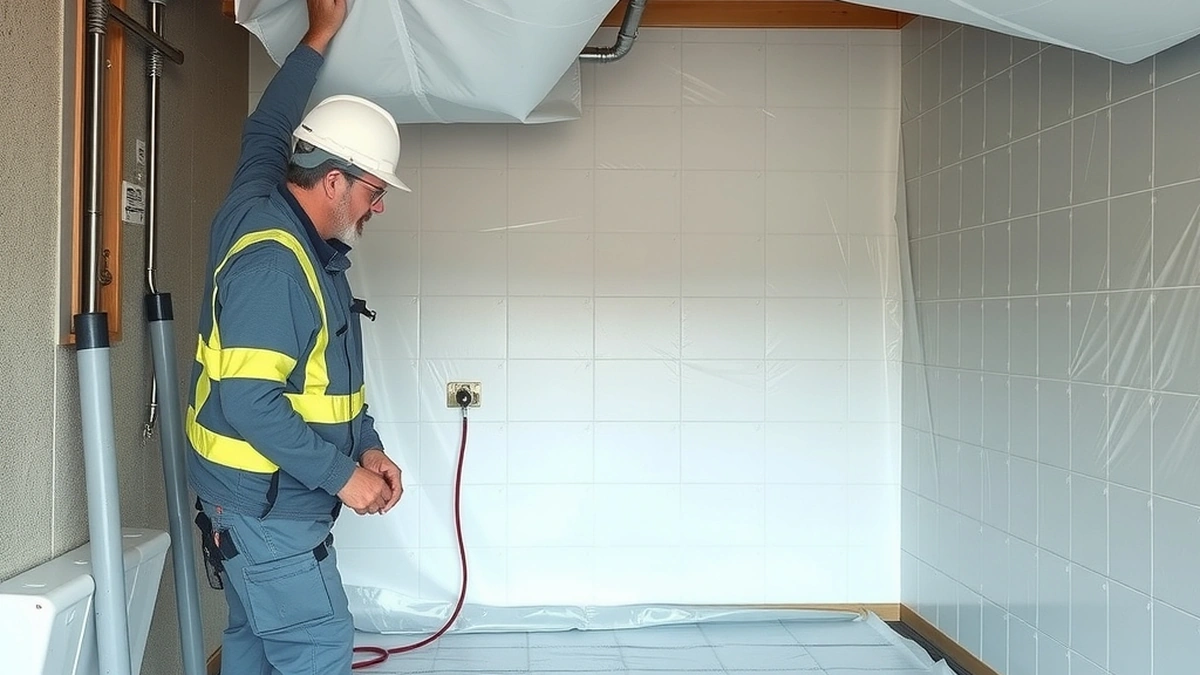
Abatement removes asbestos-containing material permanently; enclosure seals it in place behind barriers. Choose based on material condition, location, and budget.
- Abatement cost range
- $20–$50 per sq ft
- Encapsulation cost range
- $5–$15 per sq ft
- Bulk testing
- $50–$150 per sample
- Asbestos survey
- $300–$800
Some links on this page are affiliate links.If you buy through them we may earn a commission at no extra cost to you. We do not accept payment for rankings. Read the full disclosure.
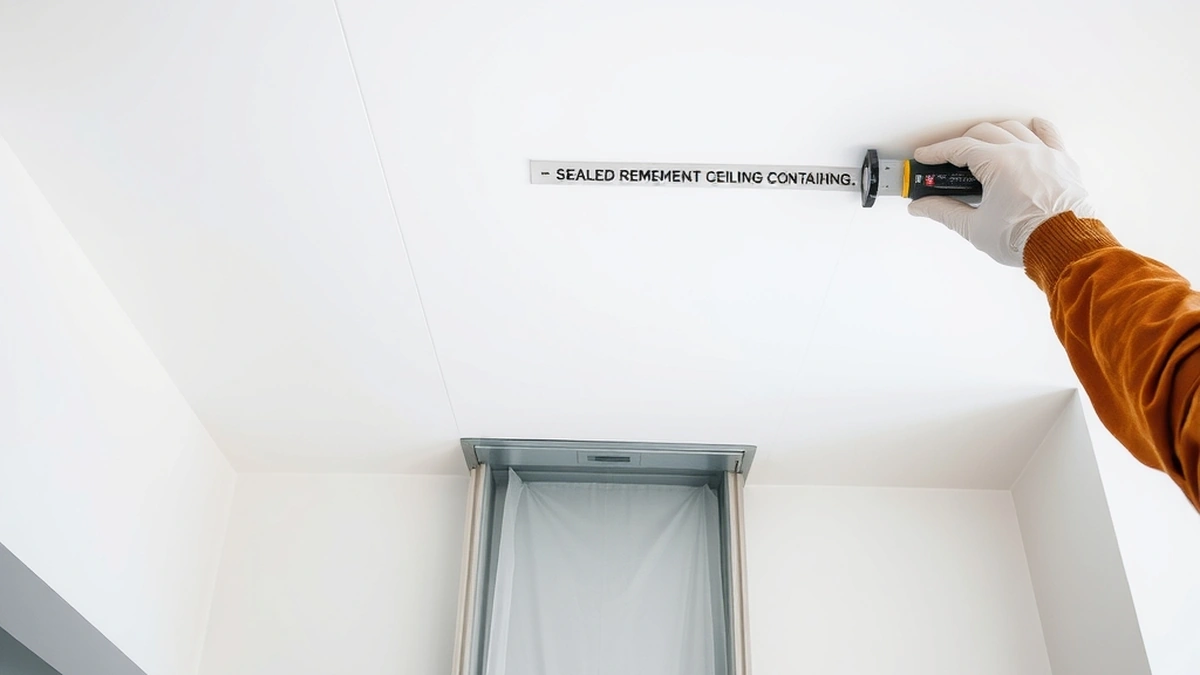
Asbestos abatement means removing asbestos-containing material from a building. Asbestos enclosure means leaving the material in place and sealing it behind an airtight barrier. The right choice depends on material condition, location, budget, and long-term plans for the property.
Abatement vs Enclosure: Core Differences
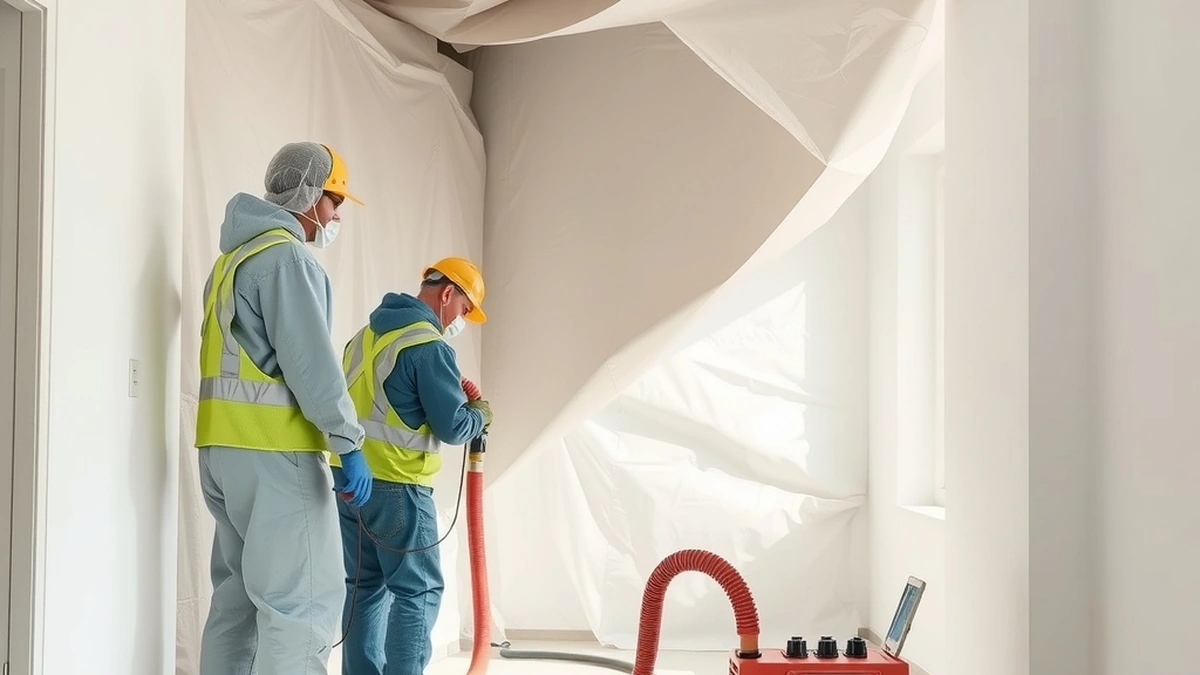
Abatement removes the hazard. Enclosure contains it. Under abatement, licensed contractors extract asbestos-containing insulation, floor tile, pipe wrap, or surfacing material, then dispose of it as hazardous waste. Under enclosure, workers build a physical barrier—often gypsum board, metal paneling, or a sealed membrane—around the material so fibers cannot enter occupied areas.
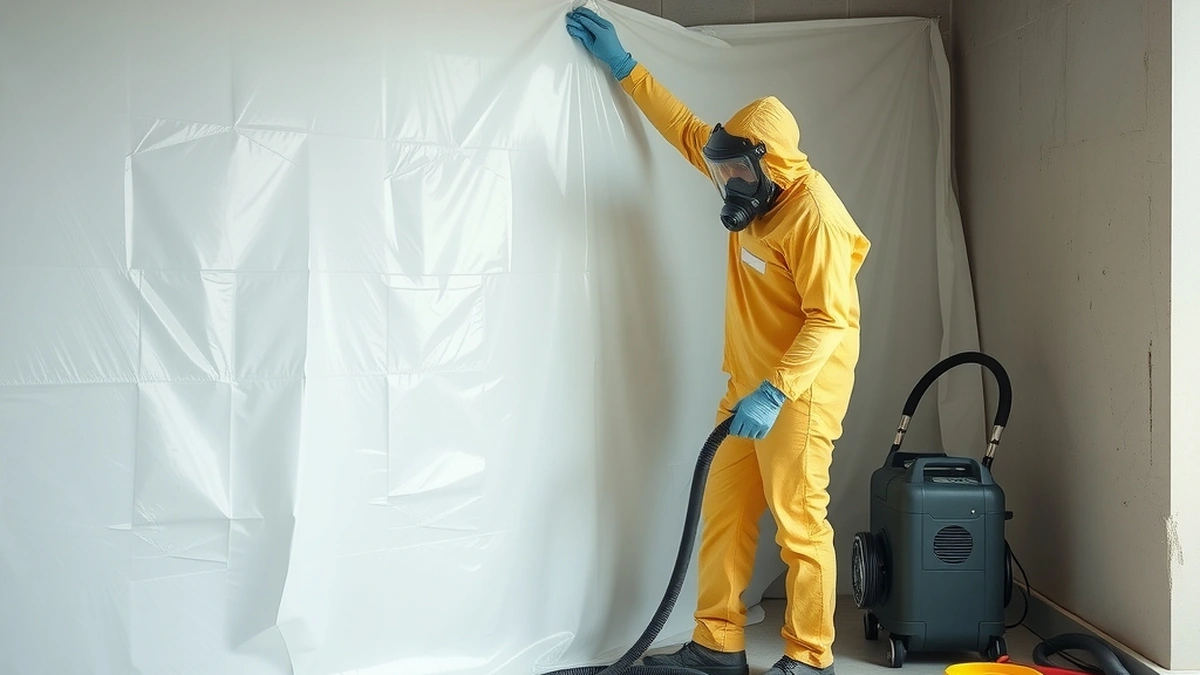
Neither approach should be attempted as a do-it-yourself project when the material is friable, meaning it can be crumbled by hand pressure. Friable asbestos releases fibers more easily and requires negative-pressure containment, specialized respirators, and decontamination procedures. Non-friable material, such as intact vinyl floor tile, may present a lower immediate risk, but cutting, sanding, or breaking it can still release fibers.
How Testing and Surveys Fit In
Before choosing abatement or enclosure, a building needs an asbestos survey. A survey identifies suspect materials, their locations, and their condition. Bulk samples are collected and sent to a laboratory for analysis.
Testing costs typically run $50 to $150 per sample. A full survey often costs $300 to $800, depending on building size and the number of samples required. These are estimates, and actual pricing varies by region and contractor.
Without testing, there is no reliable way to know whether a material contains asbestos. Visual inspection alone cannot confirm it, and assuming a material is safe can lead to accidental exposure during renovation or repair work.
Abatement: Removal and Disposal
Abatement is the only method that permanently eliminates asbestos-containing material from a structure. Once removal is complete and clearance testing confirms the area is safe, the material no longer poses a fiber-release risk in that space.
Typical abatement costs range from $20 to $50 per square foot. For example, removing asbestos-containing material from a 500-square-foot basement area might cost:
- Low estimate: 500 sq ft × $20 = $10,000
- High estimate: 500 sq ft × $50 = $25,000
Specific components carry different pricing. Pipe insulation removal often costs $25 to $75 per linear foot. Removing 20 linear feet of insulated pipe could therefore range from $500 to $1,500. Floor tile removal typically runs $10 to $25 per square foot. Removing 300 square feet of tile might cost $3,000 to $7,500.
Abatement involves more than pulling material out. Contractors must seal the work area, create decontamination units, use HEPA filtration, wet the material to suppress fibers, and transport waste to an approved landfill. Clearance air monitoring is usually required before the area can be reoccupied.
Because abatement removes the source, it is often preferred when a building is being renovated, demolished, or converted to residential use. It can also simplify future real estate transactions, since buyers and lenders often prefer properties with documented asbestos removal.
Enclosure: Sealing Material in Place
Enclosure leaves asbestos-containing material installed and builds a barrier around it. This approach is sometimes used when removal would be more dangerous than leaving the material alone, such as when asbestos is wrapped around pipes in a confined crawlspace or sprayed onto structural beams in a ceiling that is otherwise sound.
Enclosure costs are generally lower than full abatement. Encapsulation, a related treatment that coats material with a sealant, typically runs $5 to $15 per square foot. Treating 400 square feet might cost:
- Low estimate: 400 sq ft × $5 = $2,000
- High estimate: 400 sq ft × $15 = $6,000
Full enclosure with framing and paneling can cost more than encapsulation, depending on materials and labor.
Enclosure is not a set-it-and-forget-it solution. The barrier must be inspected regularly for damage, water intrusion, or deterioration. If the enclosure is breached during future repairs, asbestos fibers could be released. Building owners must maintain records showing where enclosed asbestos exists and inform contractors, tenants, or buyers before work begins.
Enclosure may be appropriate when the material is in good condition, unlikely to be disturbed, and located in an area with limited access. It is generally less suitable for high-traffic areas or spaces slated for near-term renovation.
Regulatory Context
Federal agencies set the framework for asbestos work, though states and localities often impose stricter rules. The Environmental Protection Agency regulates asbestos under laws such as the Clean Air Act and the Asbestos Hazard Emergency Response Act. The Occupational Safety and Health Administration sets worker exposure limits and requires training, medical monitoring, and respiratory protection for abatement crews.
The Department of Housing and Urban Development provides guidance for asbestos in housing, particularly in federally assisted properties. Local building departments may require permits for enclosure or abatement work, and disposal must follow hazardous waste rules.
Property owners are generally responsible for hiring licensed asbestos contractors. Using unqualified workers can result in regulatory fines, contaminated buildings, and liability for improper disposal.
Cost Comparison Example
Consider a 1,000-square-foot area with asbestos-containing floor tile and pipe insulation. The owner must decide between full abatement and enclosure of the affected zones.
Abatement estimate:
- Floor tile removal: 1,000 sq ft × $10 to $25 = $10,000 to $25,000
- Pipe insulation removal: 100 linear ft × $25 to $75 = $2,500 to $7,500
- Testing and survey: approximately $350 to $950
Total abatement range: roughly $12,850 to $33,450, depending on conditions and local labor rates.
Enclosure estimate:
- Enclosure or encapsulation of 1,000 sq ft at $5 to $15 = $5,000 to $15,000
- Testing and survey: approximately $350 to $950
Total enclosure range: roughly $5,350 to $15,950.
Enclosure appears less expensive in this example, but it leaves asbestos in the building. Future demolition or renovation may still require abatement, potentially duplicating costs. Long-term inspection and record-keeping also carry administrative expense.
Choosing the Right Approach
Several factors should guide the decision:
- Material condition: Damaged or friable material usually favors abatement.
- Location: Material behind walls or in mechanical rooms may be a candidate for enclosure.
- Future plans: Buildings slated for demolition or major renovation often benefit from abatement now.
- Budget: Enclosure may cost less upfront, but abatement removes future liability.
- Occupancy: Vacant buildings allow more aggressive abatement; occupied buildings may require phased work.
A licensed asbestos inspector or abatement contractor can evaluate the site and recommend a compliant approach. Testing should always come first, because cost and method depend on confirmed results.
For more on pricing, see our overview of asbestos removal cost per square foot. If you are weighing repair versus full removal, our guide to asbestos removal vs asbestos testing explains how survey results shape project scope. Property owners considering ongoing care of encapsulated or enclosed material should review asbestos removal maintenance for inspection and record-keeping practices.
This article provides general information about asbestos management and does not constitute medical advice. Asbestos exposure can cause serious health conditions. Always consult licensed asbestos professionals for testing, abatement, or enclosure work.
Next, compare how much does asbestos removal cost, asbestos removal installation, asbestos removal repair before you commit.
Frequently asked questions
What is asbestos abatement?
Abatement is the removal, cleanup, and disposal of asbestos-containing material by licensed professionals following federal and state regulations.
What is asbestos enclosure?
Enclosure involves constructing an airtight barrier around asbestos-containing material so fibers cannot enter occupied spaces.
Is enclosure cheaper than abatement?
Enclosure often costs less upfront than full removal, but long-term monitoring and future demolition costs can add expense.
Can I enclose friable asbestos myself?
No. Friable material releases fibers easily and should only be handled by licensed abatement contractors under containment.
Does enclosure require a survey first?
Yes. A professional survey identifies asbestos locations and condition before any abatement or enclosure work begins.
Which option is permanent?
Abatement is permanent because the material is removed; enclosure leaves material in place and requires ongoing inspection.
Sources
Some links are affiliate links.If you buy through them we may earn a commission at no extra cost to you. We do not accept payment for rankings. Read the full disclosure.