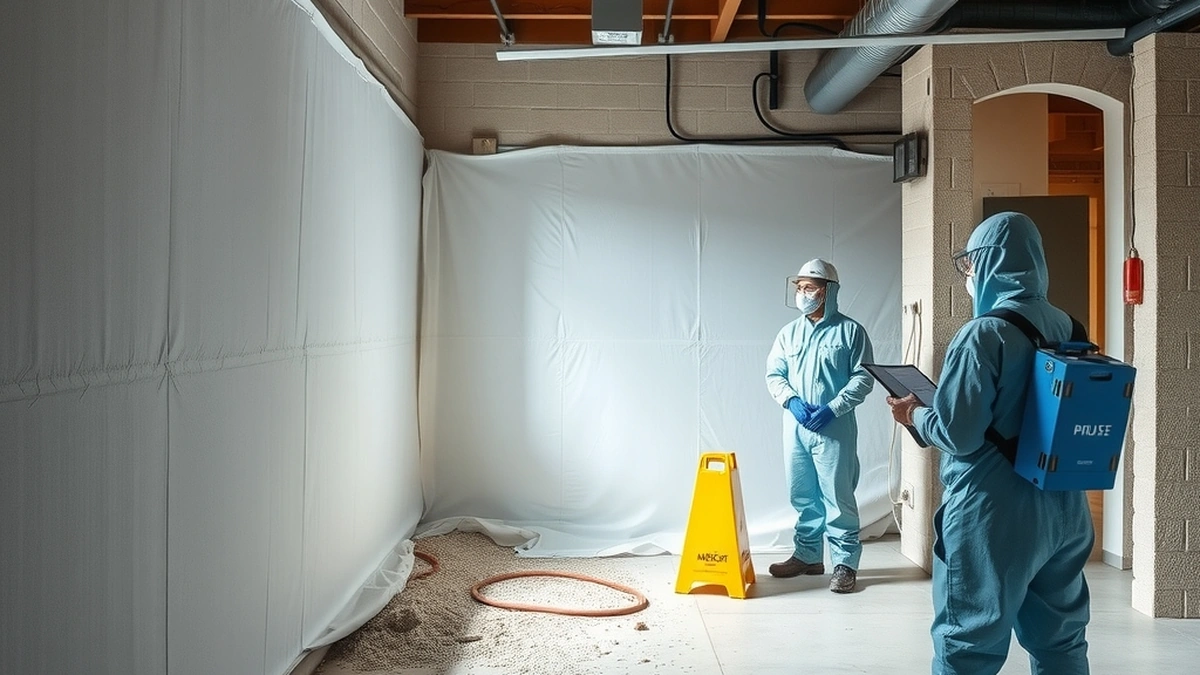
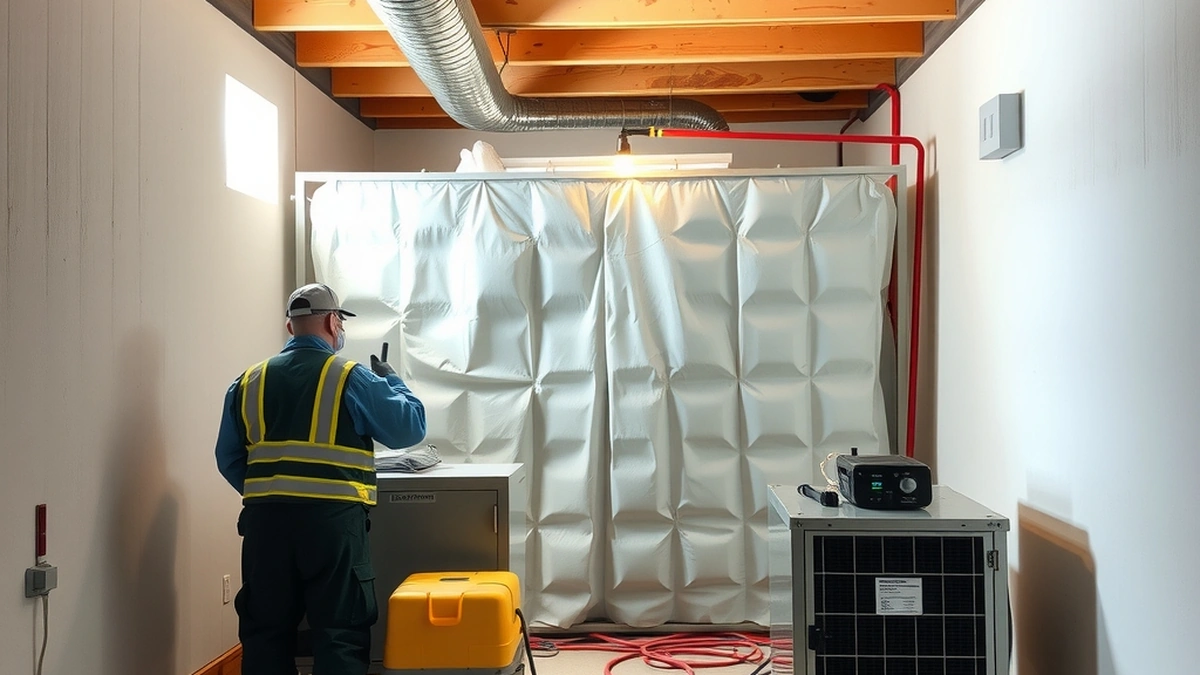
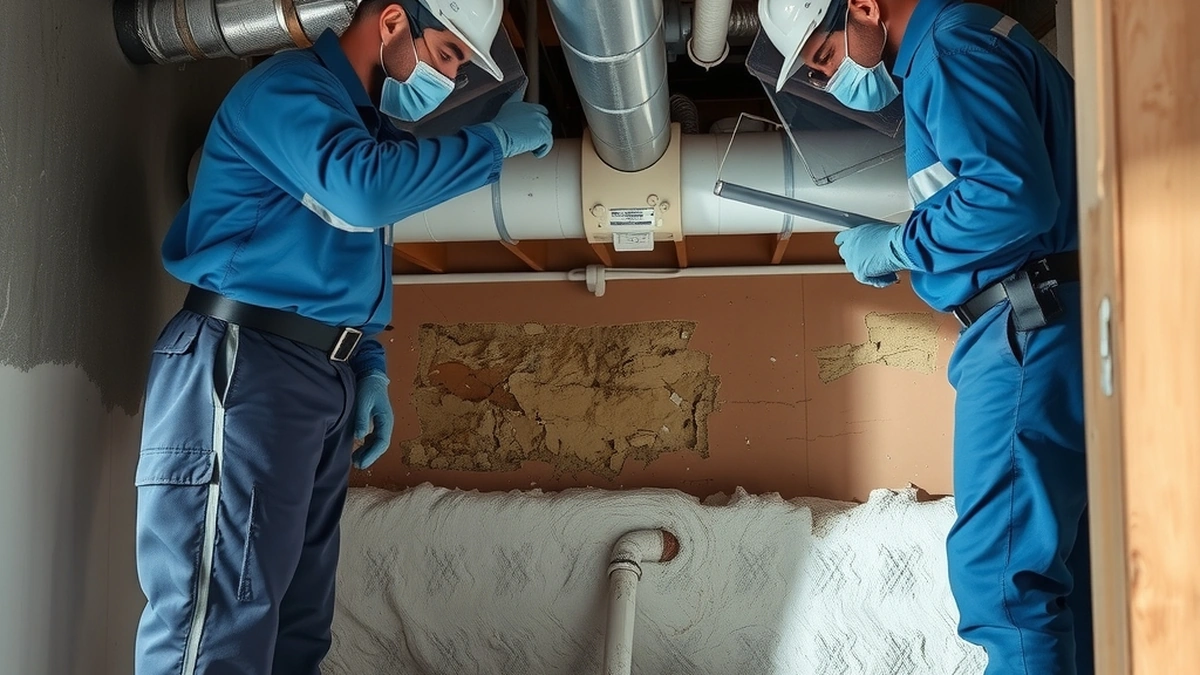
Enclosure Reviews for Asbestos Abatement Projects
What to look for in enclosure reviews when planning asbestos containment, including cost estimates, regulatory context, and professional abatement options.
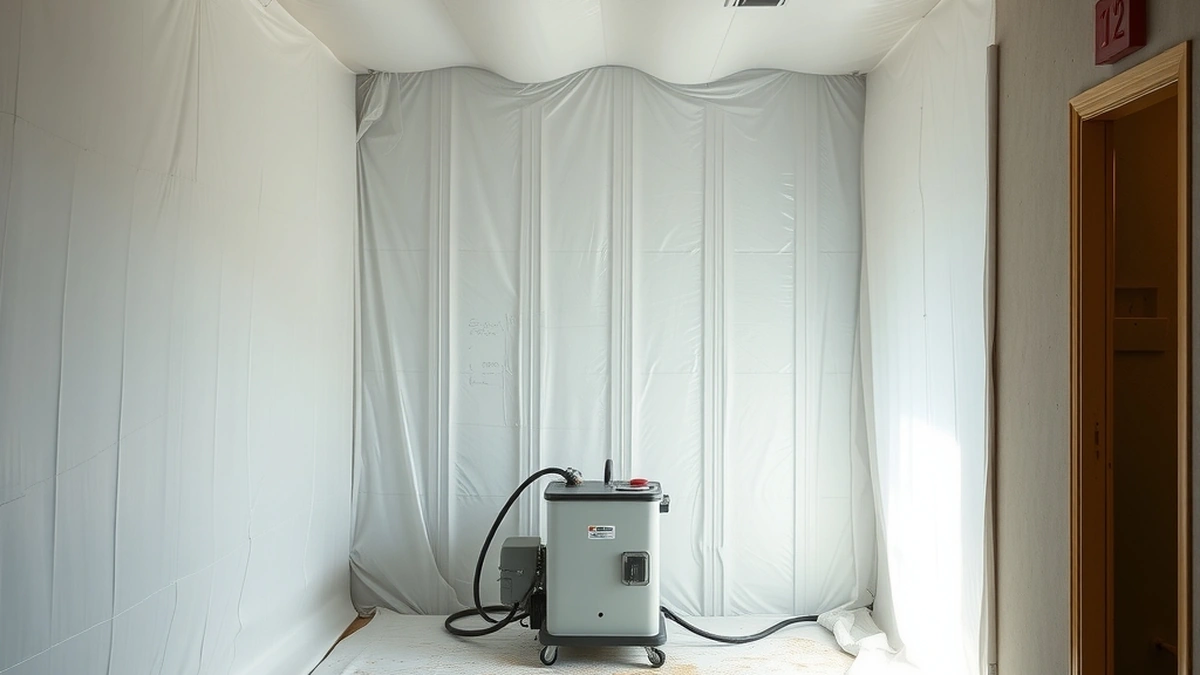
Enclosure reviews evaluate whether plastic sheeting, negative pressure units, and decontamination units properly contain asbestos fibers during abatement.
- Typical abatement cost
- $20–$50 per sq ft
- Encapsulation cost
- $5–$15 per sq ft
- Bulk sampling cost
- $50–$150 per sample
- Asbestos survey cost
- $300–$800
Some links on this page are affiliate links.If you buy through them we may earn a commission at no extra cost to you. We do not accept payment for rankings. Read the full disclosure.
Enclosure reviews assess whether a containment setup can safely hold asbestos fibers during abatement. A proper review checks plastic sheeting integrity, negative pressure performance, decontamination unit placement, and air filtration before any material is disturbed. If the enclosure fails review, abatement should not proceed until deficiencies are corrected.
What an Enclosure Review Covers
An enclosure review is a pre-work inspection of the physical barrier that separates an asbestos work area from the rest of the building. Reviewers examine the thickness and overlap of polyethylene sheeting, the sealing of vents and doorways, the location of negative air machines, and the path workers take through decontamination chambers. The goal is to confirm that fibers generated during removal cannot migrate into occupied spaces.
Reviewers also verify that warning signs are posted at entry points and that only trained personnel enter the containment zone. These checks are not optional formalities. A breach in sheeting or a loss of negative pressure can release asbestos fibers into hallways, ventilation systems, or adjacent rooms, turning a localized abatement job into a building-wide contamination event.
Why Enclosure Integrity Matters
Asbestos fibers are microscopic and lightweight. Once airborne, they can remain suspended for hours and travel on air currents. Enclosure reviews exist because containment failure is one of the most common ways abatement projects expose building occupants to risk. Even small gaps around pipes, electrical conduits, or window frames can compromise the entire barrier.
The review process typically happens before abatement starts and may continue as work progresses. If contractors need to move equipment or add penetrations to the enclosure, those changes should be re-reviewed. Documentation from the review, including photos and pressure readings, can also be useful if questions arise later about whether containment was maintained.
Common Enclosure Components Reviewed
Most professional enclosures include several standard elements. Reviewers check each one:
- Polyethylene sheeting: Usually 6-mil plastic, taped at seams and edges to walls, floors, and ceilings.
- Negative air machines: HEPA-filtered units that exhaust air outdoors, creating lower pressure inside the enclosure than outside.
- Airlocks and decontamination units: Separate chambers where workers put on and remove protective gear before entering or exiting the work area.
- Sealed penetrations: Any pipes, ducts, or cables passing through the barrier must be sealed with tape or foam.
- Warning signage: Clearly visible labels at all entrances indicating an asbestos hazard and restricting access.
If any component is missing or improperly installed, the enclosure review should flag it before abatement begins.
Cost Context for Enclosure and Abatement Work
Enclosure construction is typically included in the overall abatement price, but understanding separate cost lines helps property owners evaluate quotes. Professional asbestos abatement generally ranges from $20 to $50 per square foot. For a 400-square-foot area, that works out to $8,000 to $20,000. Encapsulation, where applicable, costs roughly $5 to $15 per square foot, so the same 400-square-foot area would be $2,000 to $6,000.
Other related services carry their own pricing. Bulk sampling usually costs $50 to $150 per sample. If a project requires ten samples, the lab testing portion would be $500 to $1,500. An asbestos survey typically runs $300 to $800 depending on building size and scope. Pipe insulation removal is priced by linear foot, often $25 to $75 per linear foot. Removing 20 linear feet of insulated pipe would therefore cost about $500 to $1,500. Floor tile removal averages $10 to $25 per square foot, meaning 300 square feet of tile would cost roughly $3,000 to $7,500.
These figures are estimates. Actual prices vary by region, material condition, accessibility, and whether the asbestos is friable or non-friable. Property owners should request written quotes that break out containment, labor, disposal, and clearance testing separately.
How Reviews Connect to Testing and Removal
Enclosure reviews do not replace asbestos testing. Before any enclosure is built, a qualified inspector should identify where asbestos is present through bulk sampling and visual assessment. Testing confirms the material type and condition, which determines whether enclosure-based removal, encapsulation, or repair is appropriate. If testing shows asbestos is present but intact, encapsulation may be an option. If the material is damaged or must be removed, a full enclosure is usually required.
Once testing is complete and a removal plan is set, the enclosure review verifies that the containment matches the scope of work. For example, removing damaged pipe insulation in a basement may require a smaller containment than stripping floor tile throughout a commercial suite. Reviewers adjust their checklist based on square footage, ceiling height, and HVAC configuration.
Property owners can learn more about the distinction between testing and abatement in our overview of asbestos removal vs asbestos testing, and explore general cost factors at asbestos removal cost per square foot.
Regulatory Context for Containment
Federal agencies set the framework for asbestos abatement, though enforcement often happens through state and local programs. The Environmental Protection Agency regulates asbestos under rules covering schools, public buildings, and renovation or demolition projects. The Occupational Safety and Health Administration establishes worker protection standards, including requirements for containment, respirators, and air monitoring during abatement.
OSHA standards generally require that asbestos work be regulated through controlled areas and that airborne fiber levels remain below permissible exposure limits. Enclosure reviews help demonstrate that containment measures were in place before work began. Local building departments may also require permits for abatement projects, especially when demolition or major renovation is involved.
Choosing a Professional for Enclosure and Abatement
Because enclosure failure can spread contamination, this work should be handled by trained asbestos professionals. Contractors should be able to explain their containment plan, show negative pressure readings, and provide clearance testing results after the job. Property owners should avoid any provider who suggests skipping enclosure review or working without containment for friable asbestos.
DIY removal of friable asbestos is strongly discouraged. Homeowners who suspect asbestos in insulation, floor tile, or pipe wrap should arrange for professional sampling and abatement rather than attempting containment themselves. For guidance on why professional containment matters, see our discussion of DIY asbestos removal.
Maintenance and Long-Term Considerations
After abatement is complete and the enclosure is removed, the work area should undergo visual inspection and air clearance testing. Clearance testing confirms that fiber levels are safe for reoccupation. If asbestos-containing material was encapsulated rather than removed, the encapsulated area should be inspected periodically for damage, water intrusion, or wear that could compromise the seal.
Building owners should keep records of enclosure reviews, abatement contracts, waste disposal manifests, and clearance reports. These documents may be required during future renovations, property transactions, or insurance claims. Ongoing maintenance of non-friable asbestos materials, such as intact floor tile or siding, generally involves monitoring for damage and avoiding activities that could disturb the material.
More information about ongoing care for asbestos-containing materials is available in our guide to asbestos removal maintenance, and details about installation practices during abatement can be found at asbestos removal installation. For broader context on selecting abatement services, see best asbestos removal and asbestos removal repair.
Enclosure reviews are a critical checkpoint in any asbestos abatement project. They verify that containment barriers, negative pressure systems, and decontamination procedures are ready before fibers are released. Skipping or rushing this review increases the risk of exposure, regulatory issues, and costly rework. Property owners should treat enclosure review as a standard part of professional abatement, not an optional add-on.
Frequently asked questions
What is an asbestos enclosure?
An asbestos enclosure is a sealed containment area built with plastic sheeting and tape to keep asbestos fibers from spreading during removal or repair work.
Why are enclosure reviews important?
Enclosure reviews confirm that containment barriers, negative pressure, and air filtration meet safety standards before abatement begins.
How much does asbestos abatement cost?
Professional asbestos abatement typically ranges from $20 to $50 per square foot, depending on material type, location, and containment requirements.
Can I build an asbestos enclosure myself?
DIY enclosure for friable asbestos is not recommended; improper containment can release fibers and create serious exposure risks for occupants.
What is negative pressure in an enclosure?
Negative pressure means air flows into the containment area rather than out, usually achieved with HEPA-filtered exhaust machines vented outside.
How long does an asbestos enclosure stay in place?
The enclosure remains until abatement is complete, surfaces are cleaned, and clearance testing confirms airborne fiber levels are safe.
Sources
Some links are affiliate links.If you buy through them we may earn a commission at no extra cost to you. We do not accept payment for rankings. Read the full disclosure.