How to Read Asbestos Abatement Reviews
Compare abatement reviews, verify credentials, and understand pricing before hiring an asbestos removal contractor.
Abatement reviews help you compare licensed asbestos contractors, verify credentials, and estimate removal costs before signing a contract.
- Bulk testing
- $50–$150 per sample
- Asbestos survey
- $300–$800
- Full abatement
- $20–$50 per sq ft
- Pipe insulation removal
- $25–$75 per linear ft
- Floor tile removal
- $10–$25 per sq ft
Some links on this page are affiliate links.If you buy through them we may earn a commission at no extra cost to you. We do not accept payment for rankings. Read the full disclosure.
How to Read Asbestos Abatement Reviews
Asbestos abatement reviews help property owners compare licensed contractors, verify credentials, and understand pricing before signing a contract. Reading reviews is not a substitute for checking licenses or requesting written estimates, but it provides a starting point for evaluating who performs the work and how they handle regulated materials. This guide explains what to look for in abatement reviews, how cost estimates break down, and which questions to ask before hiring.
What Abatement Reviews Should Tell You
A useful abatement review describes more than whether the job was finished. It should mention whether the contractor provided a written scope of work, contained the work area, used negative air pressure where required, and arranged for clearance testing after removal. Reviews that skip these details offer limited value for a regulated process where containment and disposal matter as much as the removal itself.
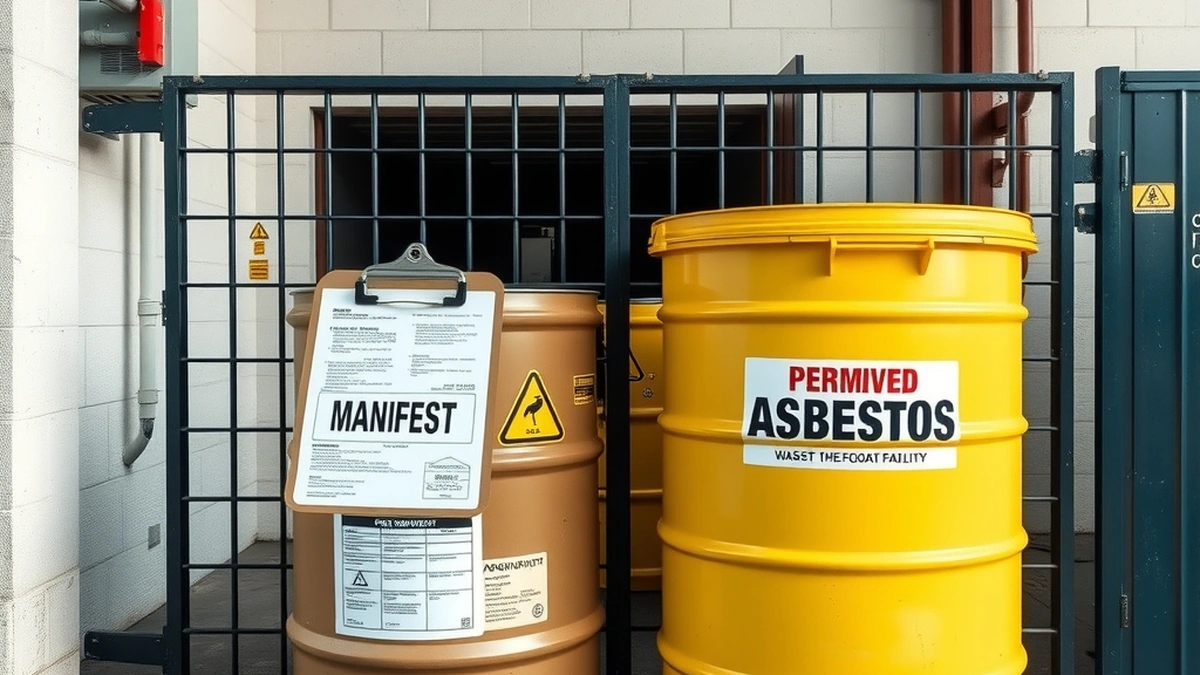
Look for patterns across multiple reviews rather than relying on a single comment. Consistent mentions of missed deadlines, poor communication, or surprise charges are warning signs. Repeated praise for thorough site preparation, proper waste manifesting, and post-abatement air testing suggests a contractor takes compliance seriously.
Verify Licenses Before Trusting Reviews
Reviews can be helpful, but they do not replace license verification. Asbestos abatement contractors in the United States typically need state or local licensing, and workers must follow Occupational Safety and Health Administration standards for respiratory protection, exposure monitoring, and waste handling. The Environmental Protection Agency also regulates asbestos under federal rules for schools, public buildings, and renovation or demolition projects.
Before calling a contractor referenced in a review, confirm that their license is active and that they carry liability insurance and workers’ compensation coverage. Ask for the license number and check it with your state licensing board. A contractor with strong reviews but an expired license should not be hired for friable asbestos work.
How Abatement Pricing Appears in Reviews
Cost is one of the most common topics in abatement reviews, but reviewers often leave out the variables that drive price differences. Estimates should be treated as estimates until a contractor inspects the site and identifies the material, its condition, and the square footage involved.
Typical pricing ranges include:
- Bulk sampling: $50 to $150 per sample
- Asbestos survey: $300 to $800
- Full abatement: $20 to $50 per square foot
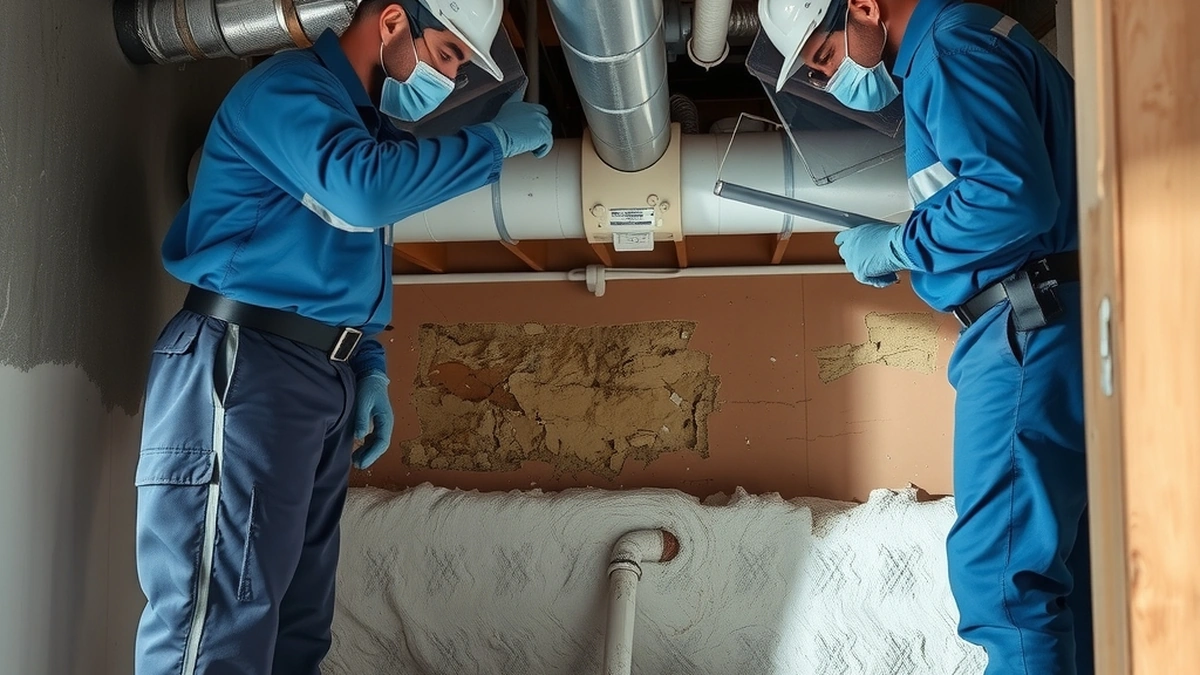
- Pipe insulation removal: $25 to $75 per linear foot
- Floor tile removal: $10 to $25 per square foot
- Encapsulation: $5 to $15 per square foot
To illustrate how these figures apply, consider a 400-square-foot basement with asbestos-containing floor tile. At $10 to $25 per square foot, removal could cost $4,000 to $10,000 before disposal fees, containment setup, and clearance testing. If the same space has pipe insulation running 50 linear feet, removal at $25 to $75 per linear foot adds $1,250 to $3,750. Encapsulating 400 square feet instead of removing tile might cost $2,000 to $6,000, but encapsulation is not appropriate for every material or condition.
Reviews that mention a single flat price without describing the scope may not reflect what your property requires. Always request a written estimate after an on-site inspection.
Compare Removal, Repair, and Maintenance Options
Not every asbestos situation requires full removal. Reviews sometimes mention encapsulation, enclosure, or repair as alternatives, and understanding the difference helps you evaluate whether a reviewer’s experience matches your project.
Removal physically takes the asbestos-containing material out of the building. It is often the most expensive option but eliminates the source. Repair involves fixing damaged material so it no longer releases fibers, while maintenance refers to ongoing monitoring and management of asbestos left in place. Encapsulation coats the material with a sealant to prevent fiber release.
If a review praises a contractor for low-cost encapsulation, confirm whether encapsulation is acceptable for your material type and local regulations. Some jurisdictions restrict encapsulation for certain applications, and future renovation may still require removal. For more on these distinctions, see our overview of asbestos removal versus asbestos testing and our guidance on asbestos removal repair.
Check for Containment and Clearance Practices
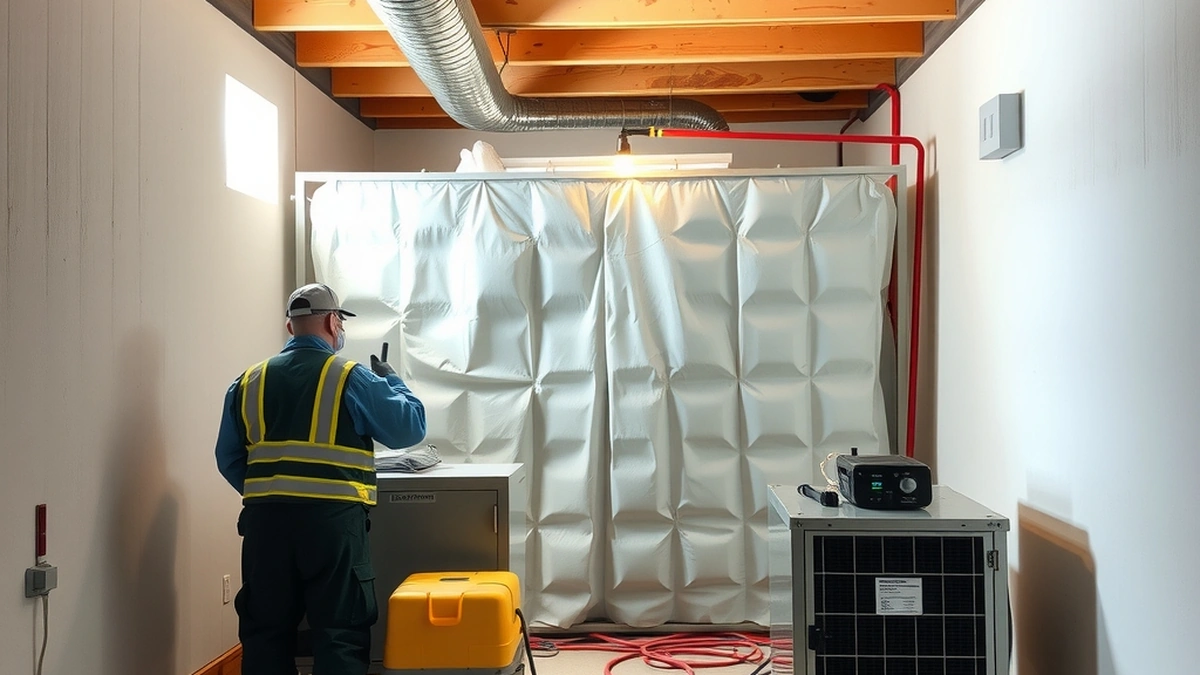
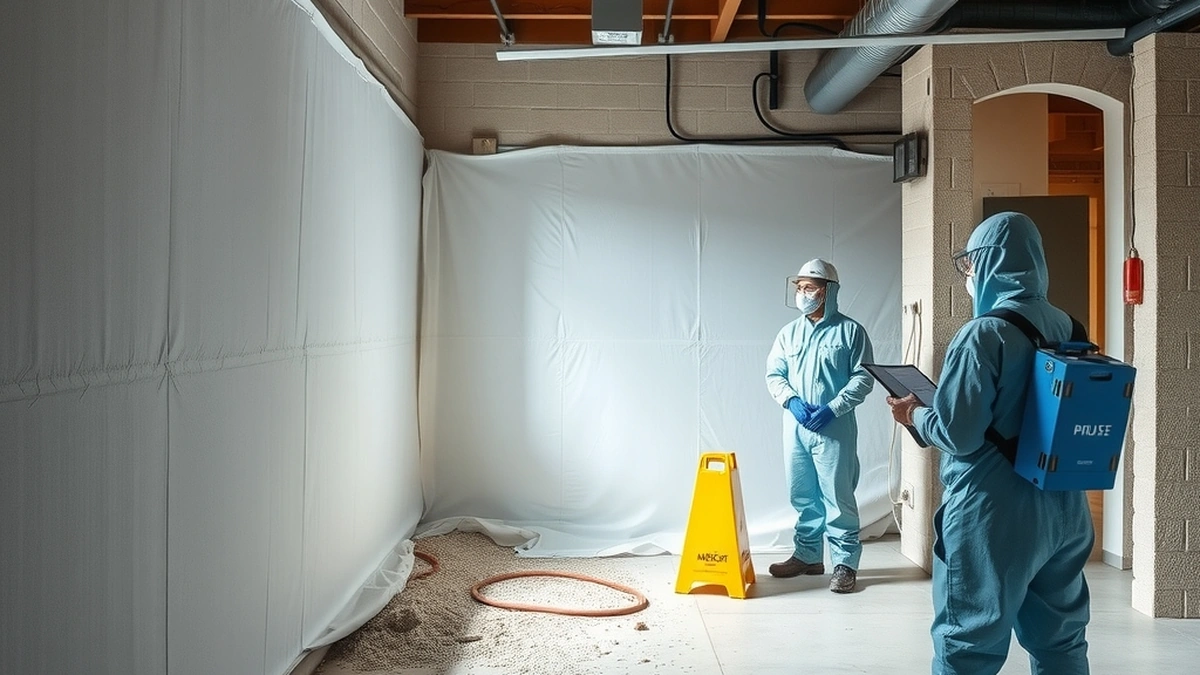
Detailed abatement reviews often describe how the contractor contained the work area. Proper containment typically includes plastic sheeting over openings, negative air machines with HEPA filtration, decontamination units for workers, and sealed waste containers labeled for asbestos disposal. After abatement, clearance testing by an independent inspector confirms that airborne fiber levels are below applicable limits before the area is reoccupied.
If reviews mention dust spreading to other rooms, missing air testing, or workers without respirators, treat those as serious concerns. Asbestos abatement is regulated because improper removal can expose occupants and workers to airborne fibers. A contractor’s review history should reflect consistent adherence to containment and clearance protocols.
Read Reviews With the Project Type in Mind
A review for removing asbestos pipe insulation in a commercial boiler room may not apply to floor tile removal in a single-family home. Linear-foot pricing for pipe insulation differs from square-foot pricing for floor tile, and site access, building occupancy, and disposal logistics all affect cost and difficulty.
When reading reviews, note the material type, square footage or linear footage, building type, and whether the project involved occupied spaces. A contractor experienced with commercial pipe insulation may not be the best fit for residential floor tile, and vice versa. Match the reviewer’s project to yours before giving their comments too much weight.
Use Reviews to Build a Shortlist, Not to Decide Alone
Start by reading abatement reviews on independent platforms and asking for references from past clients. Then narrow your list to two or three contractors and request written estimates. Each estimate should include the scope of work, material to be removed or encapsulated, containment methods, disposal plan, timeline, and total cost.
Ask each contractor whether they perform clearance testing or use a third-party inspector. Independent clearance testing adds credibility and helps confirm the area is safe for reoccupation. Compare estimates carefully; a lower price may reflect a narrower scope, fewer air samples, or less rigorous containment.
For additional context on budgeting, see our breakdown of asbestos removal cost per square foot and our guide to how much asbestos removal costs. If you are evaluating whether to remove or manage material in place, our page on asbestos removal maintenance covers ongoing responsibilities for asbestos left in buildings.
Avoid DIY Assumptions Based on Reviews
Some reviews describe homeowners removing small amounts of asbestos-containing material themselves. This does not make it safe or compliant. Friable asbestos, which crumbles easily under hand pressure, should only be handled by licensed professionals using proper containment and disposal procedures. Even non-friable materials can become hazardous if sanded, sawed, or broken during demolition.
Reviews that encourage DIY removal should not override federal, state, or local regulations. Asbestos Removal Lab does not encourage do-it-yourself abatement for friable material. Testing first, then hiring a licensed contractor, remains the standard approach for regulated asbestos work.
Conclusion
Abatement reviews are a useful screening tool, but they work best when paired with license verification, written estimates, and clear questions about containment and clearance testing. Focus on reviews that describe specific procedures, materials, and costs rather than vague praise or complaints. Use the pricing ranges above as reference points, not quotes, and always obtain an on-site estimate before signing a contract.
If you are ready to compare qualified providers, start with our directory of best asbestos removal services. For property owners considering whether to handle asbestos themselves, our page on DIY asbestos removal explains why professional abatement is the safer path for regulated materials.
Next, compare how much does asbestos removal cost, asbestos removal installation, asbestos removal repair before you commit.
Frequently asked questions
What should abatement reviews cover?
Look for licensing, insurance, containment procedures, clearance testing, and written estimates from multiple contractors.
How much does asbestos abatement cost?
Full abatement typically runs $20 to $50 per square foot, depending on material type, location, and containment requirements.
Are reviews enough to hire a contractor?
No. Verify EPA and state licensing, request references, and confirm the contractor follows OSHA and local regulations.
What is encapsulation in abatement reviews?
Encapsulation seals asbestos material in place and costs about $5 to $15 per square foot, often cheaper than removal.
Should I read reviews before testing?
Yes. Testing identifies asbestos first, then reviews help you choose a qualified abatement firm for the next step.
Can I remove asbestos myself based on reviews?
No. Friable asbestos should only be handled by licensed professionals; DIY removal is not recommended for regulated materials.
Sources
Some links are affiliate links.If you buy through them we may earn a commission at no extra cost to you. We do not accept payment for rankings. Read the full disclosure.