Encapsulation vs Wet Removal for Asbestos
Compare encapsulation and wet removal for asbestos abatement, including costs, regulations, and when each method applies.
Encapsulation seals asbestos in place for $5–$15 per sq ft; wet removal physically removes it for $20–$50 per sq ft. Choose based on material condition, location, and local regulations.
- Encapsulation cost
- $5–$15 per sq ft
- Wet removal cost
- $20–$50 per sq ft
- Pipe insulation removal
- $25–$75 per linear ft
- Floor tile removal
- $10–$25 per sq ft
- Asbestos survey
- $300–$800
Some links on this page are affiliate links.If you buy through them we may earn a commission at no extra cost to you. We do not accept payment for rankings. Read the full disclosure.
Encapsulation and wet removal are two distinct approaches to managing asbestos-containing materials. Encapsulation seals the material in place with a specialized coating, while wet removal physically removes saturated material for disposal. The right choice depends on material condition, location, budget, and applicable federal and state regulations.
What Encapsulation Involves
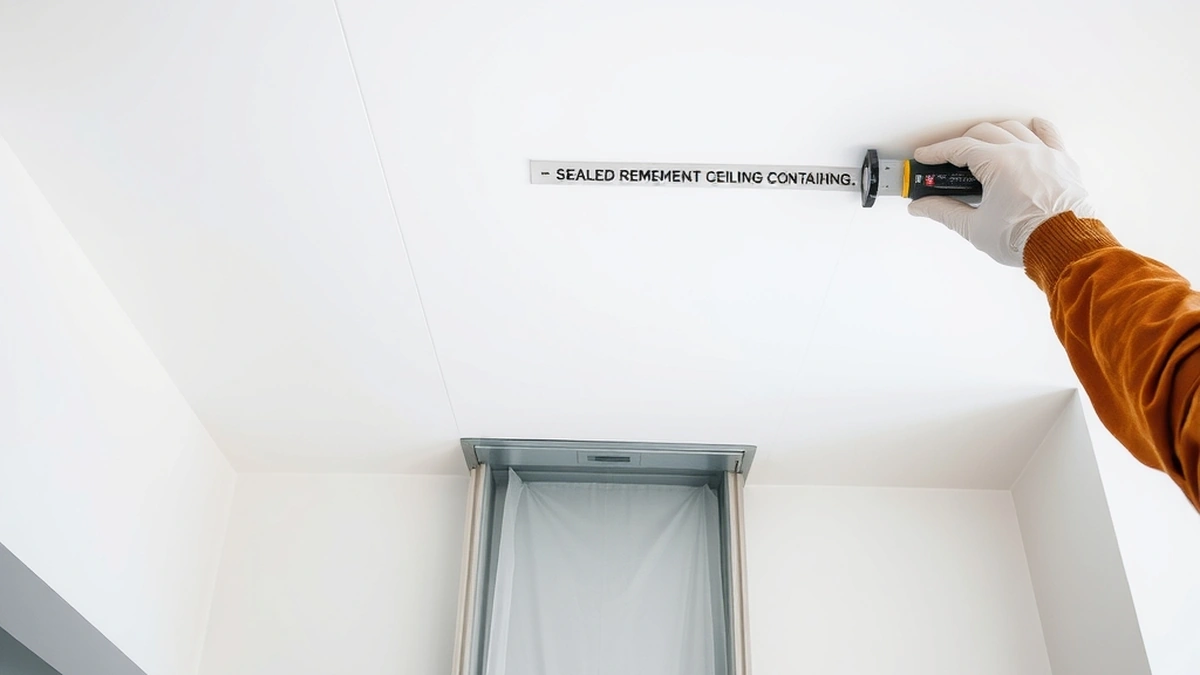
Encapsulation means applying a penetrating or bridging sealant to asbestos-containing material so fibers cannot become airborne. The asbestos remains in the building, but it is locked under a protective membrane. This method is typically considered when the material is in good condition, firmly bonded, and not likely to be disturbed by future renovation or maintenance.
Encapsulation is not appropriate for every situation. If the material is already crumbling, water-damaged, or located in an area where it will be hit, drilled, or removed during upcoming work, sealing it in place may only delay the inevitable. Encapsulated material also requires ongoing monitoring and may need to be disclosed during property transactions.
What Wet Removal Involves
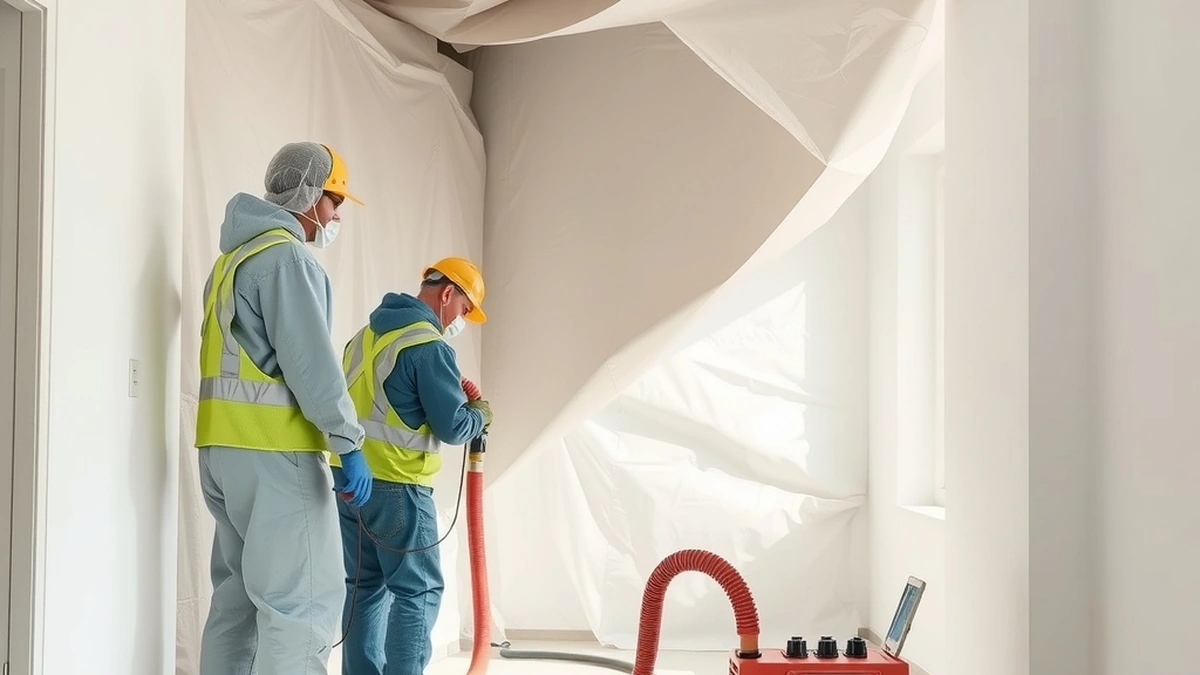
Wet removal is an abatement technique in which asbestos-containing material is kept thoroughly saturated throughout the removal process. Water mixed with a surfactant reduces fiber release by weighing particles down and preventing them from becoming airborne. Workers remove the wet material, place it in leak-tight containers, and dispose of it as asbestos waste.
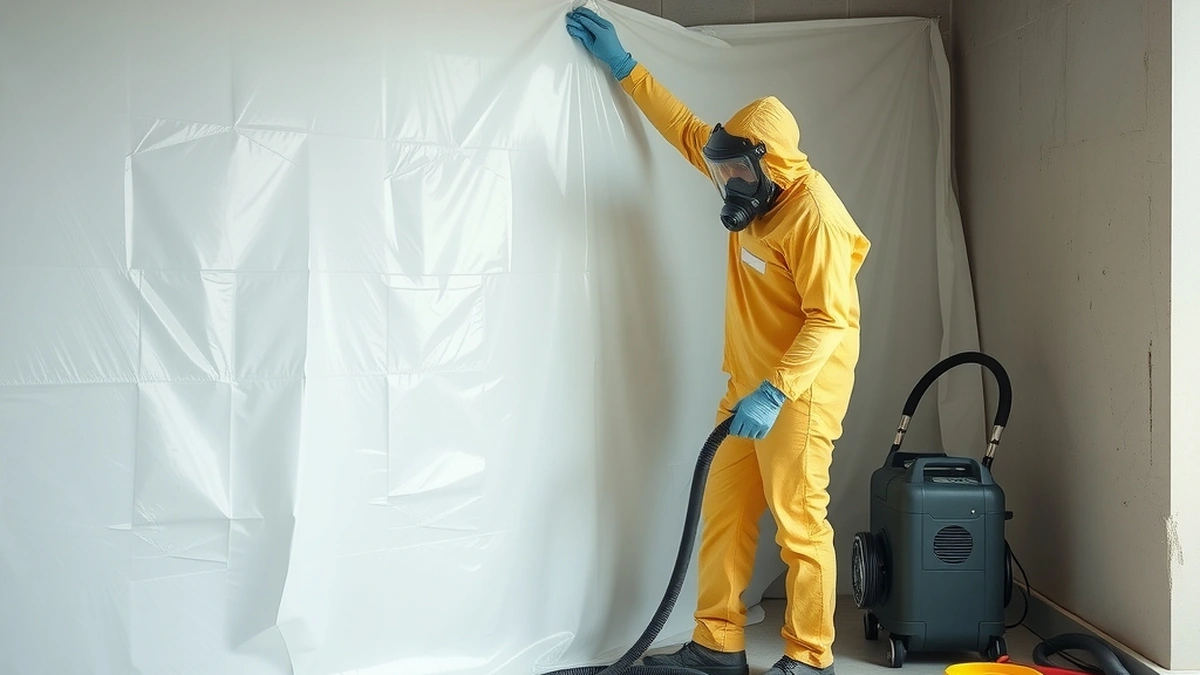
Because the material is physically taken out of the building, wet removal eliminates the future risk associated with that specific asbestos. However, it is more disruptive, requires full containment and negative air pressure in most cases, and generates waste that must be transported to an approved landfill. Air clearance testing is typically required after removal before the area can be reoccupied.
Cost Comparison
Cost is often a deciding factor, but it should not be the only one. The following figures are estimates and can vary by region, material type, accessibility, and contractor pricing.
| Service | Estimated Cost |
|---|---|
| Encapsulation | $5–$15 per sq ft |
| General asbestos abatement | $20–$50 per sq ft |
| Pipe insulation removal | $25–$75 per linear ft |
| Floor tile removal | $10–$25 per sq ft |
| Asbestos survey | $300–$800 |
| Bulk testing | $50–$150 per sample |
To illustrate the arithmetic, imagine a 500-square-foot basement with asbestos-containing pipe insulation and floor tile. Encapsulating 500 square feet at $5–$15 per sq ft would cost roughly $2,500–$7,500. Removing the same area using wet abatement at $20–$50 per sq ft would cost roughly $10,000–$25,000, not including survey, testing, or clearance fees. If the project includes 100 linear feet of pipe insulation at $25–$75 per linear ft, that portion alone adds $2,500–$7,500.
Testing and survey costs are separate. A survey at $300–$800 and bulk samples at $50–$150 per sample are necessary before either method can be scoped properly. For more detailed pricing, see our guide on asbestos removal cost per square foot.
Regulatory and Safety Considerations
Federal agencies including the EPA and OSHA regulate how asbestos is handled, and many states have stricter rules. Encapsulation may be allowed under certain conditions, but it does not remove the material from regulatory oversight. Building owners may still need to maintain an asbestos management plan, notify workers, and conduct periodic inspections.
Wet removal is generally subject to more stringent containment, worker protection, and disposal requirements because it actively disturbs the material. Contractors must follow OSHA standards for respiratory protection, decontamination, and waste handling. EPA rules govern notification, work practices, and disposal at approved facilities.
Neither method should be attempted by untrained individuals. Disturbing friable asbestos without proper controls can release fibers that create long-term hazards. For context on why professional involvement matters, review our article on DIY asbestos removal.
When Encapsulation May Be Appropriate
Encapsulation tends to make sense when:
- The asbestos-containing material is intact and in good condition.
- The material is not likely to be disturbed in the near future.
- Budget constraints make full removal impractical at this time.
- The material is in a low-traffic area where contact is unlikely.
Even when encapsulation is chosen, the material remains in the building. Future buyers, tenants, or contractors must be informed, and the encapsulant must be maintained according to product specifications. If the sealant fails or the material is later damaged, removal may become necessary.
When Wet Removal Is Typically Required
Wet removal is usually the better or required option when:
- The material is damaged, friable, or deteriorating.
- Renovation or demolition will disturb the material.
- The material is in an area with high traffic or frequent contact.
- Local regulations or lender requirements mandate removal rather than management in place.
- The property owner wants to eliminate the asbestos liability entirely.
Removal is more expensive upfront, but it ends the ongoing management obligations associated with encapsulated material. After successful abatement and clearance testing, the area can typically be used without special asbestos restrictions related to that material.
Testing Comes First
Before choosing encapsulation or wet removal, a qualified inspector should confirm whether asbestos is present and assess its condition. Bulk testing costs $50–$150 per sample, and a full survey typically runs $300–$800. Without testing, there is no reliable basis for selecting an abatement method or estimating cost.
Testing also helps determine whether the material is friable, which strongly influences whether encapsulation is even permitted. Friable material that can be crushed by hand pressure generally cannot be safely encapsulated and usually requires removal. For more on the distinction between testing and abatement, see asbestos removal vs asbestos testing.
Making the Decision
Choose encapsulation only when the material is stable, the budget is limited, and you are prepared to manage the material for the life of the building. Choose wet removal when the material is damaged, when renovation plans require it gone, or when you prefer permanent elimination over long-term containment.
Costs are estimates: encapsulation at $5–$15 per sq ft, wet abatement at $20–$50 per sq ft, pipe insulation removal at $25–$75 per linear ft, and floor tile removal at $10–$25 per sq ft. Always obtain a site-specific survey and written scope from an accredited asbestos professional before signing a contract. For broader guidance on abatement projects, visit our asbestos removal installation and asbestos removal repair resources, and consider ongoing needs through our asbestos removal maintenance overview.
Frequently asked questions
What is asbestos encapsulation?
Encapsulation applies a sealant or binding agent to asbestos-containing material so fibers cannot become airborne, leaving the material in place.
What is wet removal?
Wet removal keeps asbestos material saturated during physical removal to suppress dust, then bags and disposes of it as hazardous waste.
Which costs more?
Wet removal typically costs more because it includes labor, containment, disposal, and air clearance, while encapsulation only covers surface treatment.
Can I encapsulate damaged asbestos?
No. Encapsulation is generally suitable only for material in good condition; damaged or friable material usually requires removal by a licensed abatement contractor.
Do I need testing first?
Yes. Bulk sampling and a survey confirm whether asbestos is present before any encapsulation or removal work begins.
Is DIY asbestos removal safe?
No. DIY disturbance of friable asbestos can release dangerous fibers; EPA and OSHA recommend using trained, accredited professionals.
Sources
Some links are affiliate links.If you buy through them we may earn a commission at no extra cost to you. We do not accept payment for rankings. Read the full disclosure.