Asbestos in Home: Testing, Risks, and Abatement Costs
Learn how to identify asbestos in home materials, when testing is required, and what professional abatement typically costs.
Asbestos in home materials is common before the 1980s; only licensed testing and abatement professionals should handle friable material.
- Bulk testing (per sample)
- $50–$150
- Asbestos survey
- $300–$800
- Abatement (per sq ft)
- $20–$50
- Pipe insulation removal (per linear ft)
- $25–$75
- Floor tile removal (per sq ft)
- $10–$25
Some links on this page are affiliate links.If you buy through them we may earn a commission at no extra cost to you. We do not accept payment for rankings. Read the full disclosure.
Asbestos in home materials is a legacy issue in houses built before the 1980s. The mineral was prized for fire resistance and strength, but disturbed fibers can become a serious inhalation hazard. Homeowners should rely on licensed inspectors and abatement professionals rather than attempting to handle suspect material themselves.
Where Asbestos Appears in Older Homes
Asbestos was mixed into many residential building products because it resists heat, electricity, and chemical wear. Common locations include:
- Pipe and boiler insulation installed before 1980
- Vermiculite attic insulation, much of which came from a contaminated mine in Libby, Montana
- Vinyl floor tiles and the adhesive beneath them, often called mastic
- Asbestos-cement siding and roofing shingles
- Textured wall and ceiling coatings, including some popcorn ceilings
- Joint compound and patching compounds used on drywall
- Older furnace and wood-stove door gaskets
Intact material in good condition is generally considered lower risk than damaged, crumbling, or friable material. Friable means the material can be crushed to powder by hand pressure, which makes fiber release more likely during disturbance.
Why Visual Identification Is Not Enough
You cannot tell whether a material contains asbestos simply by looking at it. Modern substitutes often look identical to older asbestos-containing products. The only reliable way to confirm presence is through bulk sampling analyzed by an accredited laboratory.
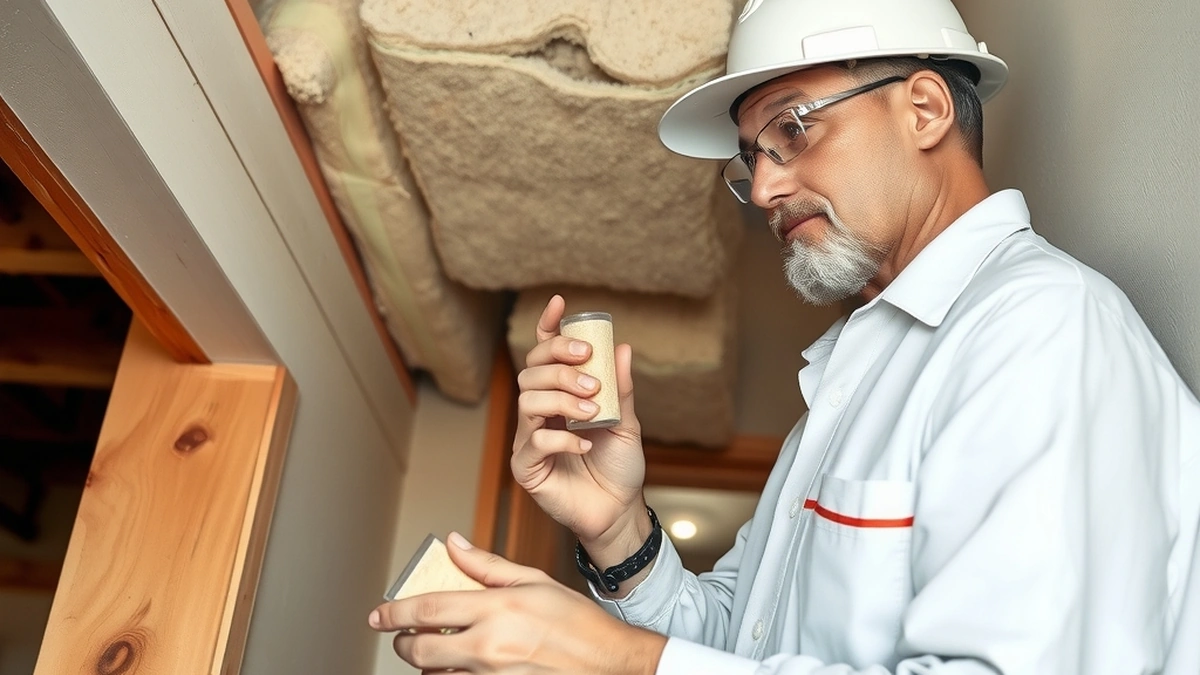
A certified asbestos inspector collects small pieces of suspect material, wets them to limit fiber release, seals them in containers, and sends them for polarized light microscopy (PLM) or transmission electron microscopy (TEM) testing. Bulk testing typically costs $50 to $150 per sample. A full asbestos survey, which includes inspection, sampling, and reporting, usually runs $300 to $800 depending on home size and the number of areas assessed.
If you are planning renovation or demolition, federal rules under the National Emission Standards for Hazardous Air Pollutants (NESHAP) often require an asbestos survey before work begins. State and local regulations may add additional notification and licensing requirements.
Friable Versus Non-Friable Material
Risk depends heavily on whether the asbestos-containing material is friable or non-friable.
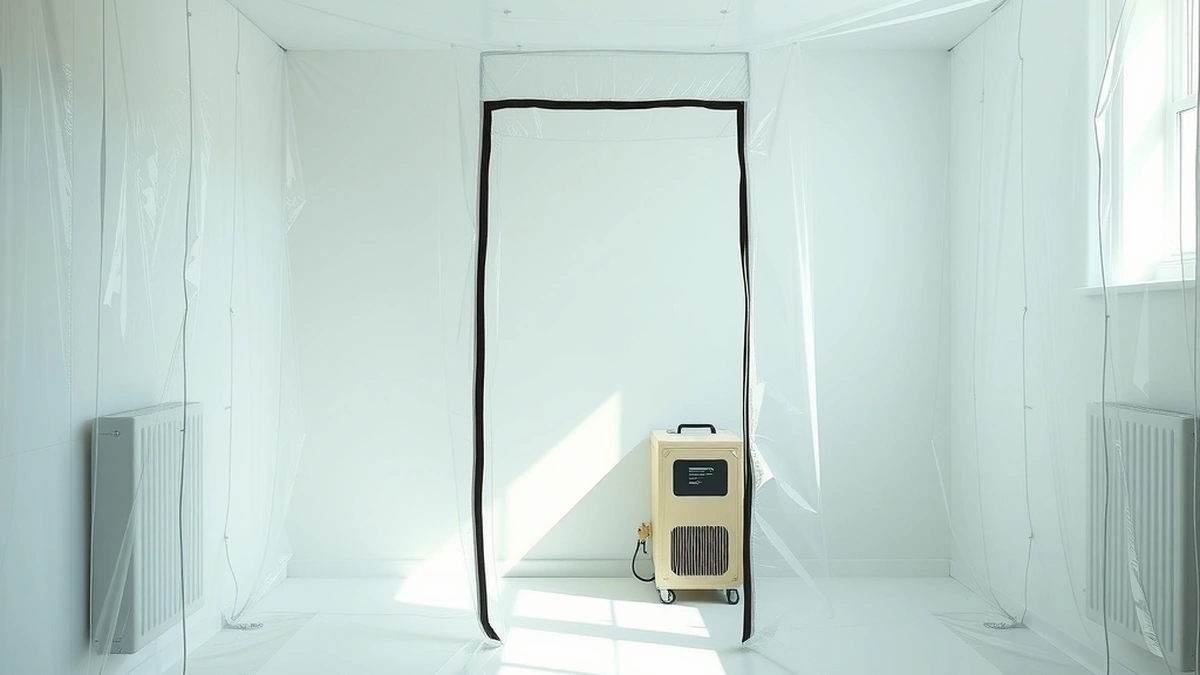
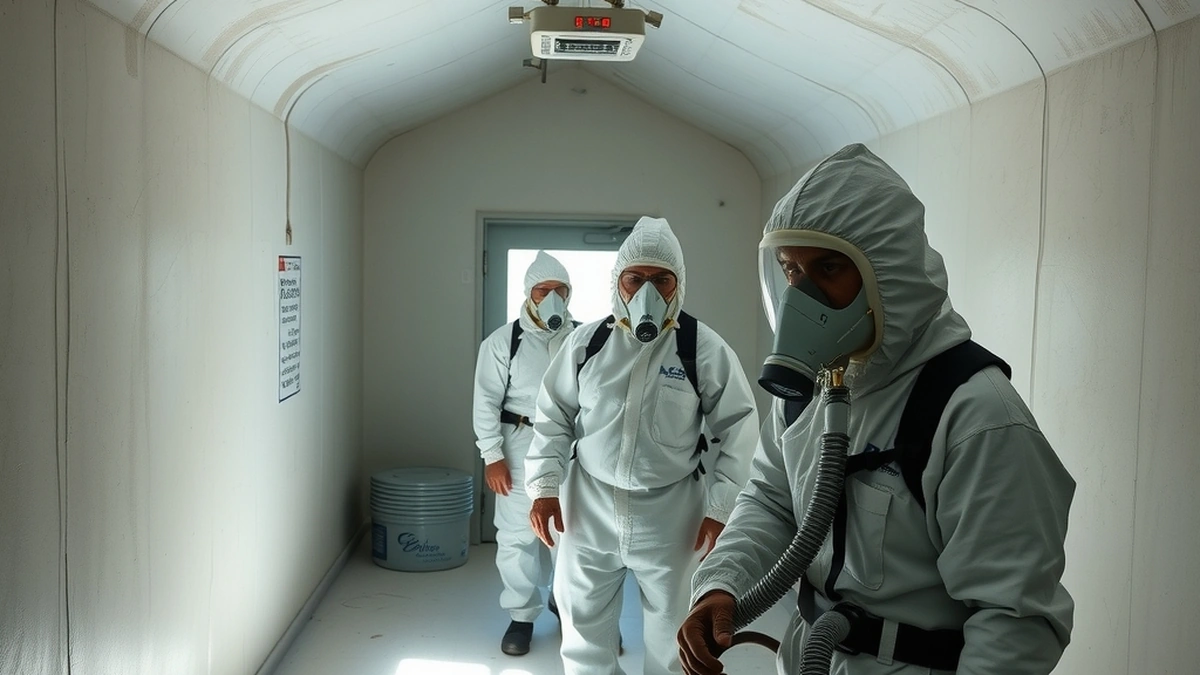
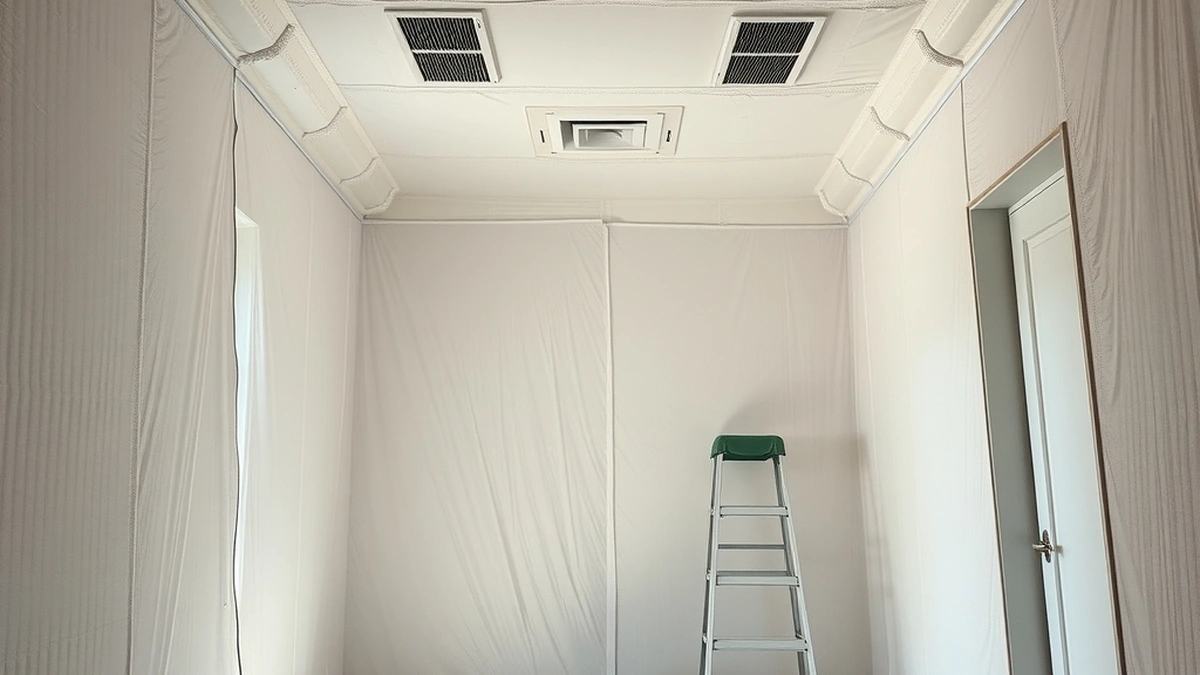
Friable material, such as sprayed-on ceiling texture or damaged pipe lagging, can release fibers with minimal disturbance. Abatement of friable material usually requires full containment, negative air pressure, HEPA filtration, and worker decontamination procedures.
Non-friable material, such as intact asbestos-cement siding or well-bound floor tile, is less likely to release fibers unless it is cut, sanded, drilled, or otherwise damaged. Even non-friable material becomes hazardous once it is broken or weathered.
Because of these distinctions, abatement strategies vary. Removal is not always the first option. Encapsulation, which seals the material with a protective coating, typically costs $5 to $15 per square foot. Enclosure, which builds an airtight barrier around the material, may be appropriate in some settings. Complete removal remains the only permanent solution when the material will be disturbed or is already deteriorating.
Typical Abatement Costs and Arithmetic Examples
Professional asbestos abatement is priced by material type, square footage, accessibility, and containment needs. The figures below are estimates and vary by region and contractor.
- General abatement: $20 to $50 per square foot
- Pipe insulation removal: $25 to $75 per linear foot
- Floor tile removal: $10 to $25 per square foot
- Encapsulation: $5 to $15 per square foot
Here is how the math works for common scenarios.
For a 200-square-foot basement with asbestos-containing floor tile at the midpoint of $17.50 per square foot:
200 sq ft × $17.50 = $3,500
For 40 linear feet of pipe insulation at the midpoint of $50 per linear foot:
40 linear ft × $50 = $2,000
For encapsulation of 300 square feet of ceiling material at $10 per square foot:
300 sq ft × $10 = $3,000
These examples exclude disposal fees, air monitoring, post-abatement clearance testing, and any repairs needed after removal. A complete project budget should include inspection, abatement, waste transport to an approved landfill, and final clearance sampling by an independent inspector.
Regulatory Oversight and Worker Safety
Several federal agencies shape how asbestos is managed in housing. The Environmental Protection Agency (EPA) enforces rules for asbestos in schools and public buildings and provides guidance for residential renovation. The Occupational Safety and Health Administration (OSHA) sets worker exposure limits and requires training, medical monitoring, and protective equipment for abatement crews. The Department of Housing and Urban Development (HUD) addresses lead and asbestos hazards in federally assisted housing programs.
Homeowners who hire abatement contractors should verify licensing, insurance, and references. A reputable contractor provides a written work plan, containment details, waste disposal manifests, and clearance testing results. Never allow an unlicensed handyman to remove suspect insulation, ceiling texture, or flooring.
What to Do Before Renovation
If your home was built before 1980 and you plan to remodel, schedule an asbestos inspection before disturbing walls, ceilings, floors, or insulation. Testing costs are modest compared with the cost of stopping a project mid-way because asbestos was discovered after demolition started.
If asbestos is confirmed and the material is in good condition, leaving it in place may be the safest option. If renovation requires removal, hire a licensed abatement firm and obtain clearance testing before reoccupying the area. Clearance testing confirms that airborne fiber levels are below applicable re-occupancy thresholds.
For more context on pricing, see our detailed breakdown of asbestos removal cost per square foot. To understand how testing fits into the overall process, read asbestos removal vs asbestos testing. For guidance on when professional removal is warranted versus repair, review asbestos removal repair.
Long-Term Management in the Home
Homeowners with confirmed asbestos should monitor the material regularly for signs of damage, water intrusion, or deterioration. Avoid drilling, sanding, scraping, or sawing suspect materials. Keep children and pets away from damaged insulation or deteriorating ceiling texture.
If you sell a home with known asbestos, disclosure requirements vary by state. Buyers often request inspection reports or price adjustments to account for future abatement. Documentation from licensed professionals can help streamline real estate transactions and demonstrate that hazards were managed responsibly.
For ongoing upkeep strategies, see asbestos removal maintenance. If you are evaluating service providers, our overview of best asbestos removal outlines what to look for in a qualified contractor. Homeowners considering their own involvement should read diy asbestos removal to understand why professional handling is strongly recommended for friable material.
Bottom Line
Asbestos in home construction is common in older properties, but it is manageable with proper testing and professional abatement. Do not assume a material is safe because it looks intact, and do not attempt DIY removal of friable asbestos. Start with a licensed inspection, obtain laboratory confirmation, and choose an abatement path—removal, encapsulation, or enclosure—based on the material condition and your renovation plans.
Frequently asked questions
What is asbestos in home materials?
Asbestos is a group of naturally occurring mineral fibers once used in insulation, flooring, siding, and other building products for heat resistance and durability.
When was asbestos used in homes?
Asbestos was widely used in residential construction from the early 1900s through the 1970s, with some uses continuing into the 1980s.
How do I know if my home has asbestos?
You cannot confirm asbestos by sight alone; a licensed inspector must collect samples and send them to an accredited laboratory for analysis.
Is all asbestos dangerous?
Intact, undisturbed asbestos-containing material generally poses low risk, but damaged or friable material can release inhalable fibers.
Can I remove asbestos myself?
DIY removal of friable asbestos is strongly discouraged; federal and state rules typically require licensed abatement contractors for regulated work.
How much does asbestos abatement cost?
Professional abatement typically ranges from $20 to $50 per square foot, depending on material type, location, and containment requirements.
Sources
Some links are affiliate links.If you buy through them we may earn a commission at no extra cost to you. We do not accept payment for rankings. Read the full disclosure.