Wet Removal vs Disposal: What Property Owners Need to Know
Compare wet asbestos removal and disposal methods, costs, and regulatory requirements for US buildings.
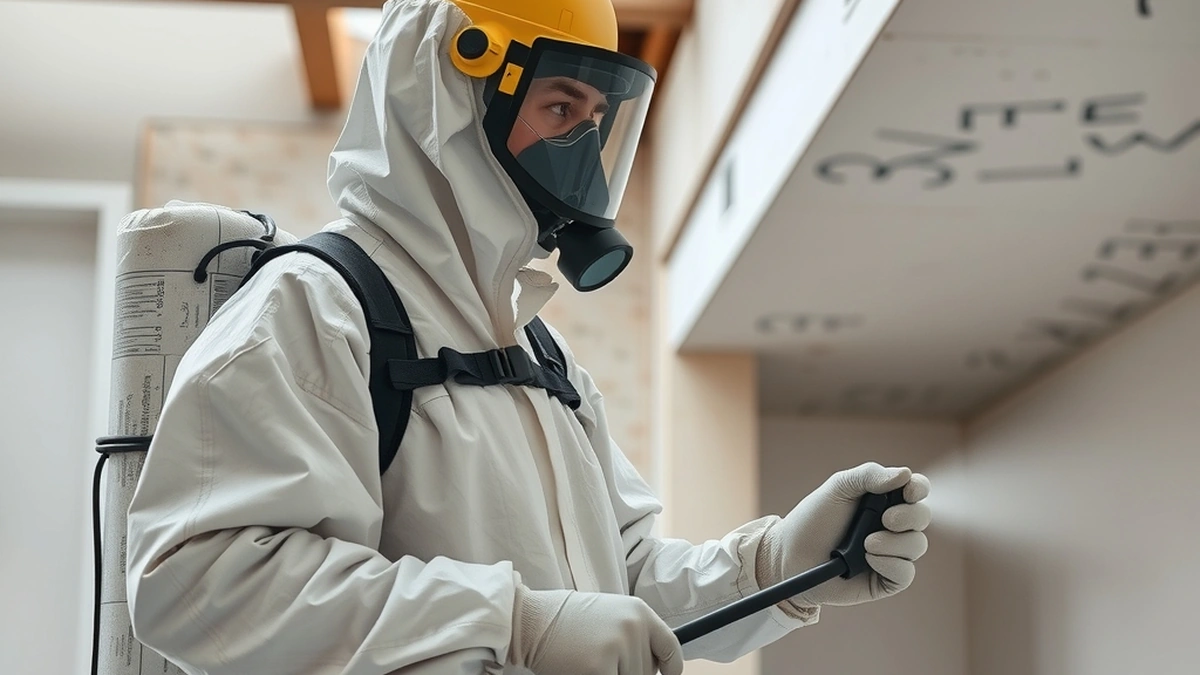
Wet removal keeps asbestos fibers suppressed during abatement, while disposal refers to the lawful packaging and transport of resulting waste to an approved landfill.
- Primary purpose
- Wet removal suppresses fibers; disposal manages final waste
- Regulatory basis
- EPA NESHAP and OSHA worker protection rules
- Typical abatement cost
- $20–$50 per sq ft (estimate)
- Bulk testing cost
- $50–$150 per sample (estimate)
Some links on this page are affiliate links.If you buy through them we may earn a commission at no extra cost to you. We do not accept payment for rankings. Read the full disclosure.
Wet removal and disposal are two distinct stages of an asbestos abatement project, not interchangeable options. Wet removal describes how material is taken down while keeping fibers suppressed with water or amended water. Disposal describes how the resulting waste is packaged, transported, and deposited at an approved facility. Understanding the difference helps property owners plan for compliant abatement and avoid costly mistakes.
Wet Removal Explained
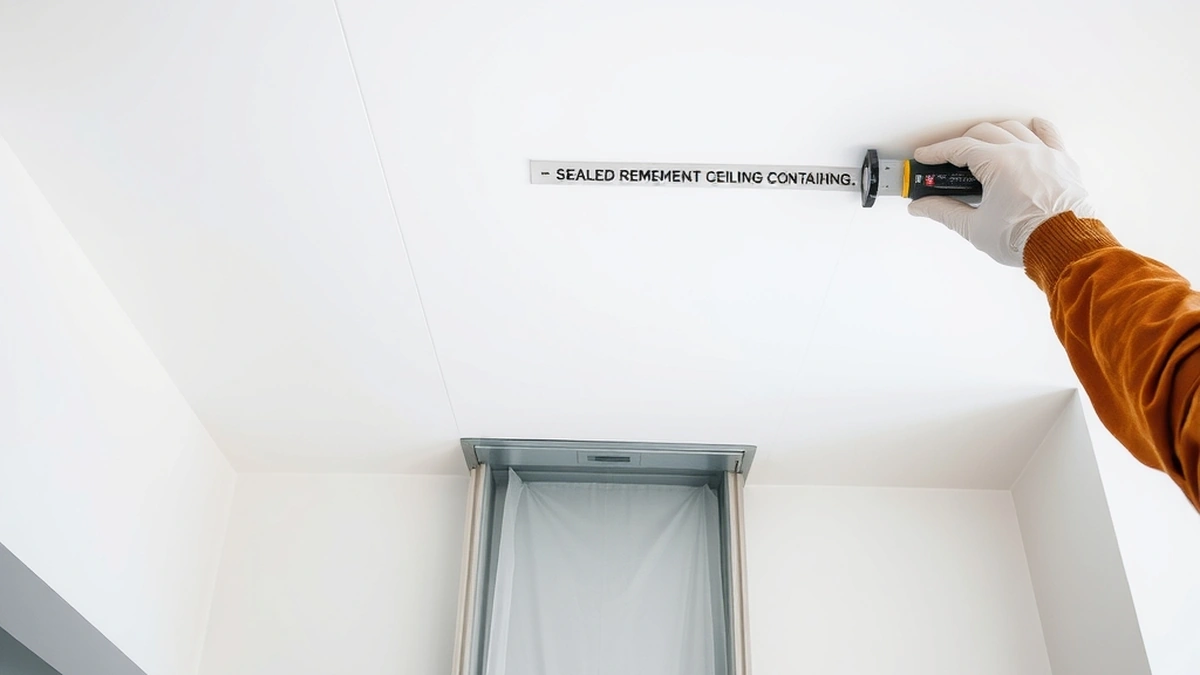
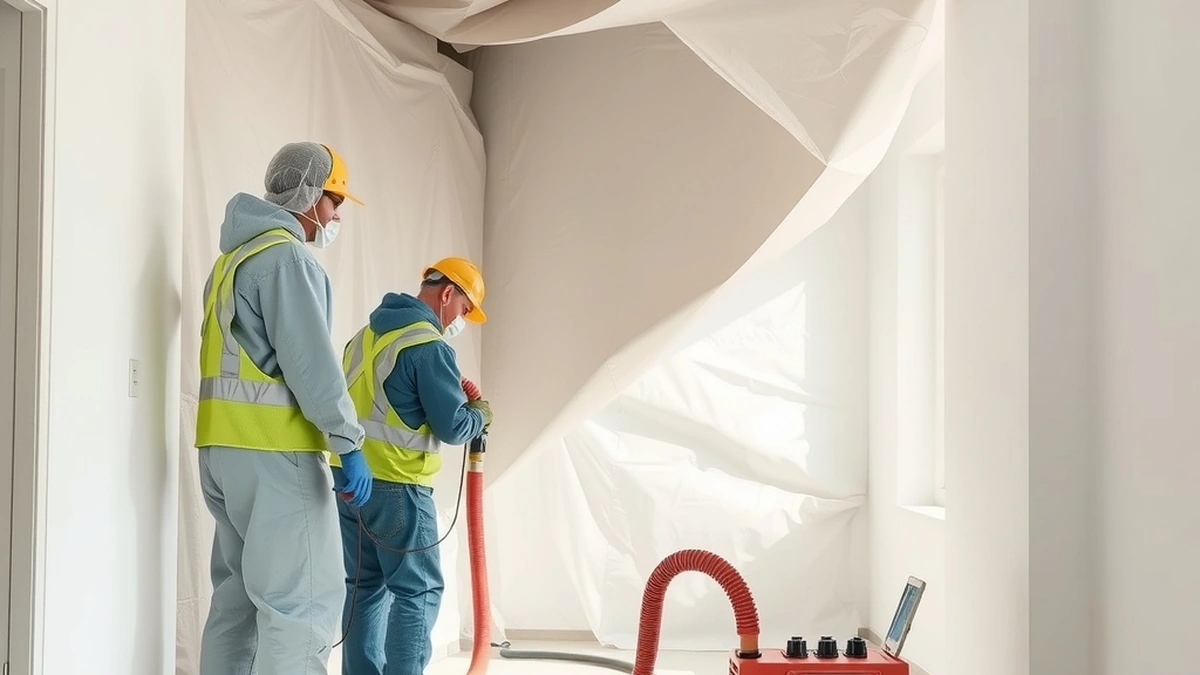
Wet removal is a work practice used during asbestos abatement to reduce the release of airborne fibers. Before removal begins, workers apply water, often mixed with a surfactant, to asbestos-containing material such as pipe insulation, sprayed-on fireproofing, or ceiling texture. The moisture makes fibers heavier and less likely to become airborne when the material is disturbed.
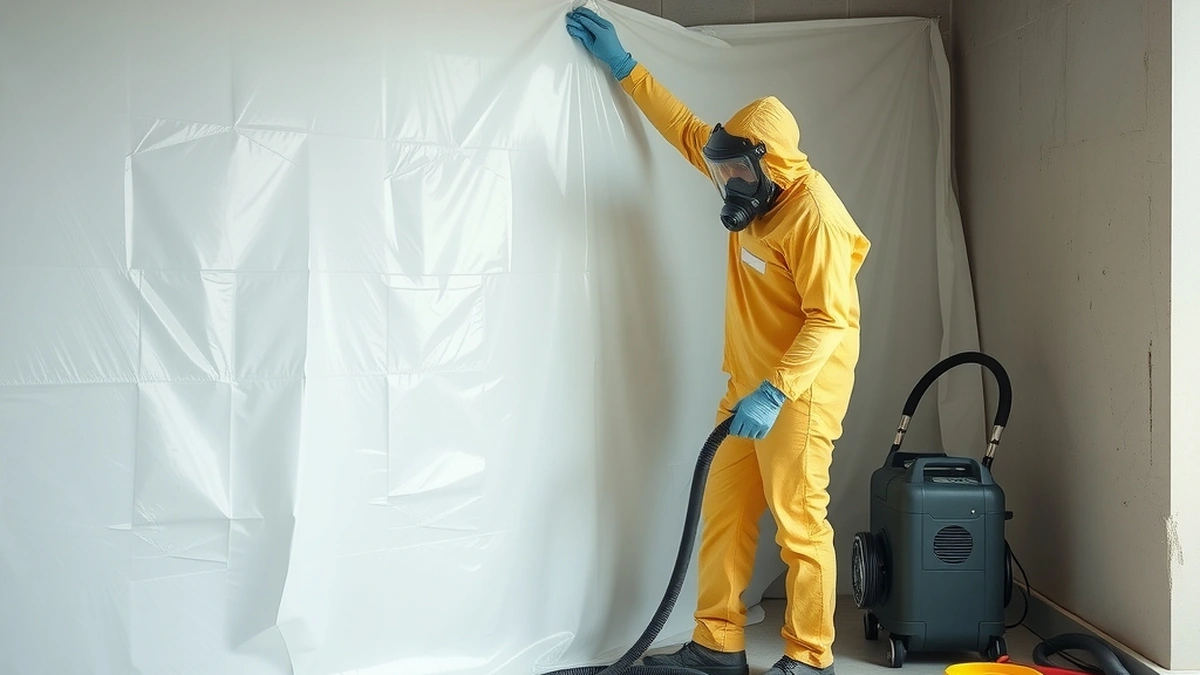
This method is commonly associated with friable asbestos materials, which can be crumbled by hand pressure and therefore pose a higher inhalation risk if dry. Wet removal does not eliminate the need for containment, negative air pressure, personal protective equipment, or air monitoring. It is one control measure within a broader abatement plan.
Wet removal also creates wastewater that must be handled carefully. Water used during abatement can become contaminated and is typically filtered, collected, and disposed of as asbestos-contaminated waste rather than poured into a storm drain or sanitary sewer without authorization.
Disposal Explained
Disposal begins once asbestos-containing material has been removed and placed into containers. Under federal rules, asbestos waste must be wetted, sealed in leak-tight containers, and labeled before transport. The containers are then taken to a landfill or disposal facility approved to accept asbestos waste.
Disposal is not the same as removal. A contractor may remove material using wet methods, dry methods with specialized controls, encapsulation, or enclosure. Regardless of removal method, the waste still requires lawful disposal. Mixing asbestos waste with construction debris or household trash is prohibited and can result in enforcement action.
Property owners should verify that their abatement contractor uses a licensed hauler and an approved disposal facility. Documentation, including waste shipment records, may be required to demonstrate that the material was handled correctly from the worksite to the final destination.
Cost Comparison and Estimates
Costs for asbestos projects vary widely by location, material type, accessibility, and project size. The figures below are estimates and should be confirmed with a licensed abatement professional after an on-site inspection.
| Item | Estimated Cost Range |
|---|---|
| Bulk testing | $50–$150 per sample |
| Asbestos survey | $300–$800 |
| General abatement | $20–$50 per sq ft |
| Pipe insulation removal | $25–$75 per linear ft |
| Floor tile removal | $10–$25 per sq ft |
| Encapsulation | $5–$15 per sq ft |
Wet removal itself is generally included in the abatement line item rather than priced separately. Disposal adds costs for containers, labels, hauling, and landfill tipping fees. These disposal costs are usually folded into the contractor’s total bid, but they can increase with the volume and weight of waste.
For example, assume a project removes 500 square feet of asbestos-containing floor tile at an estimated $15 per square foot. The removal subtotal would be:
500 sq ft × $15 = $7,500
If disposal adds an estimated $2 per square foot for containerization, transport, and landfill fees, the disposal subtotal would be:
500 sq ft × $2 = $1,000
Total estimated project cost before testing, surveys, and clearance monitoring:
$7,500 + $1,000 = $8,500
This arithmetic is illustrative only. Actual quotes depend on site conditions, local disposal fees, and whether additional services such as air sampling or third-party clearance are required.
Regulatory Framework
Federal regulations shape how wet removal and disposal must be performed. The EPA’s National Emission Standards for Hazardous Air Pollutants (NESHAP) address asbestos emissions during renovation and demolition, including requirements for wetting, containment, and waste disposal. OSHA standards govern worker protection, including exposure limits, respirator requirements, training, and decontamination procedures.
State and local rules can be stricter than federal requirements. Some states mandate licensing for abatement contractors, notification before work begins, and specific disposal manifests. Property owners should confirm which jurisdiction applies to their project and ensure the contractor follows all applicable rules.
HUD also provides guidance for asbestos in housing, particularly for properties receiving federal assistance. While HUD guidance does not replace EPA or OSHA requirements, it can affect how projects are scoped and funded in residential settings.
Wet Removal vs Disposal at a Glance
The table below compares the two concepts across key project dimensions.
| Factor | Wet Removal | Disposal |
|---|---|---|
| Stage of project | During material removal | After removal and packaging |
| Primary goal | Suppress airborne fibers | Contain and transport waste safely |
| Typical controls | Water or amended water, containment, PPE | Leak-tight containers, labels, approved landfill |
| Regulatory focus | Worker safety and air emissions | Waste handling and landfill acceptance |
| Cost driver | Labor, setup, water management | Containers, hauling, tipping fees |
These categories are not mutually exclusive. A compliant abatement project usually includes wet removal as part of the work practice and disposal as the final step for waste management.
Choosing the Right Approach
The appropriate removal method depends on the material’s condition, friability, location, and applicable regulations. Friable materials such as damaged pipe insulation often warrant wet removal or enclosure. Non-friable materials such as intact floor tile may be removed with different controls, though sanding, grinding, or abrasive removal is generally prohibited.
Encapsulation, which involves applying a sealant to bind fibers in place, may cost between $5 and $15 per square foot and can be appropriate when removal would create greater risk than leaving the material intact. However, encapsulation does not remove the asbestos, and future renovation or demolition will still require abatement and disposal.
Property owners should not attempt to remove friable asbestos themselves. DIY disturbance of asbestos-containing material can release fibers, contaminate the building, and expose occupants to health risks. Licensed abatement contractors have the training, equipment, and permits needed to manage removal and disposal lawfully.
Testing and Survey Costs Before Work Begins
Before any removal or disposal occurs, the presence of asbestos must be confirmed. Bulk sampling typically costs $50 to $150 per sample, and a full asbestos survey may range from $300 to $800 depending on building size and the number of suspect materials. These are estimates, and actual pricing depends on laboratory turnaround time, site access, and regional labor rates.
Testing identifies whether asbestos is present and helps determine whether the material is friable or non-friable. That distinction influences whether wet removal is appropriate and how disposal must be handled. Skipping testing can lead to accidental disturbance of asbestos and unnecessary exposure.
For more context on how testing fits into the overall process, see our overview of asbestos removal vs asbestos testing. Property owners evaluating overall project budgets may also want to review how much does asbestos removal cost.
Working With Professionals
Asbestos abatement is not a general contracting task. Contractors should hold required licenses, carry insurance, and follow a written work plan that addresses wet removal methods, containment, air monitoring, worker protection, and disposal. Property owners should request proof of licensing, references, and a clear description of which disposal facility will receive the waste.
The abatement process typically follows this sequence:
- Inspect and sample suspect materials.
- Prepare a written abatement and disposal plan.
- Establish containment and negative air pressure.
- Remove material using wet methods or other approved controls.
- Package and label asbestos waste.
- Transport waste to an approved disposal facility.
- Conduct clearance air monitoring and visual inspection.
- Provide documentation of proper disposal.
Additional guidance on professional abatement practices is available in our asbestos removal installation and asbestos removal repair resources. For ongoing building management after abatement, see asbestos removal maintenance.
Final Considerations
Wet removal and disposal serve different purposes in an asbestos project. Wet removal controls fiber release during the work, while disposal ensures the waste reaches an approved endpoint without endangering workers, occupants, or the environment. Both are subject to federal, state, and local regulations, and both should be handled by qualified professionals.
Cost estimates provided here are for planning purposes only. Actual pricing requires an on-site assessment and written quotes from licensed abatement contractors. Property owners should prioritize regulatory compliance and worker safety over cost savings when selecting a removal and disposal approach.
Frequently asked questions
What is wet removal?
Wet removal is an abatement method that applies water or amended water to asbestos-containing material before and during removal to suppress airborne fibers.
What is asbestos disposal?
Disposal is the regulated process of sealing asbestos waste in leak-tight containers, labeling it, and transporting it to an approved landfill.
Can I dispose of asbestos in regular trash?
No. Asbestos waste must go to a facility approved to accept it, and improper disposal can violate federal and state environmental regulations.
Is wet removal required for all asbestos projects?
Not always. Methods depend on material type, condition, and applicable regulations; encapsulation or enclosure may be appropriate in some cases.
How much does asbestos abatement cost?
Abatement typically ranges from $20 to $50 per square foot, though actual prices vary by location, material, and project size.
Who should handle asbestos removal and disposal?
Licensed asbestos abatement professionals should perform removal and coordinate disposal to protect workers and building occupants.
Sources
Some links are affiliate links.If you buy through them we may earn a commission at no extra cost to you. We do not accept payment for rankings. Read the full disclosure.