Popcorn Ceiling: Warning Signs You Should Know
Learn the warning signs of asbestos in popcorn ceilings and when to schedule professional testing.
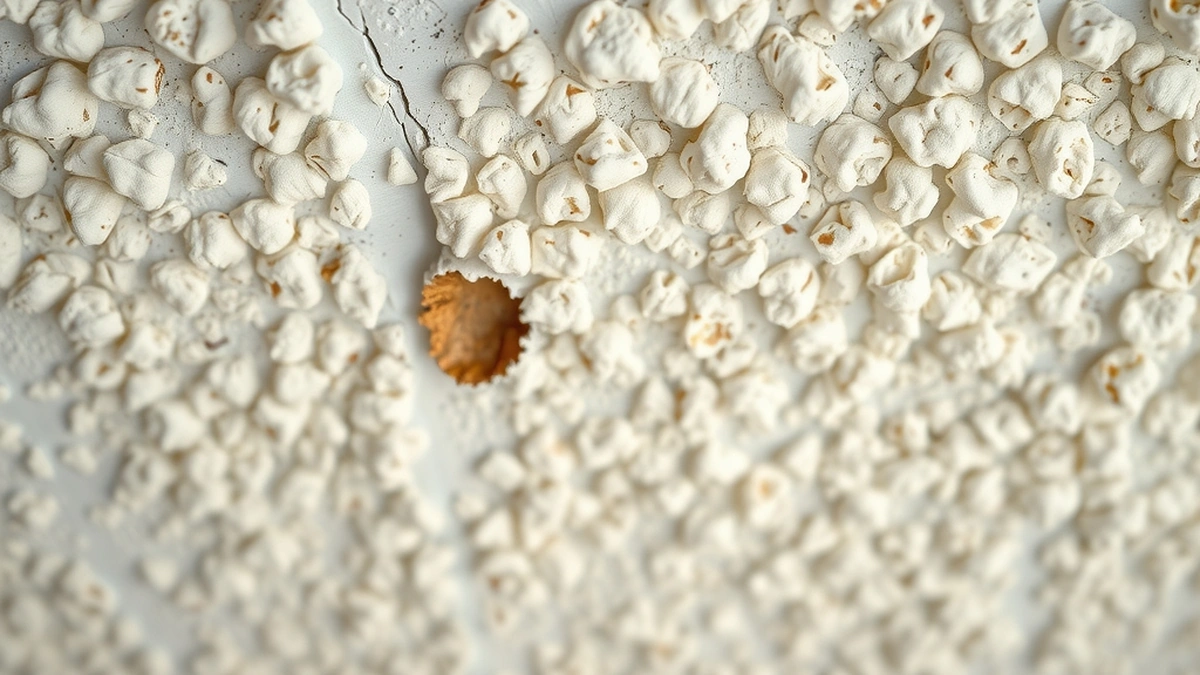
Popcorn ceilings installed before the 1980s may contain asbestos. Look for peeling, water damage, or crumbling texture, then schedule professional bulk testing before any disturbance.
- Risk period
- Pre-1980s installations
- Testing cost
- $50–$150 per sample
- Survey cost
- $300–$800
- Abatement cost
- $20–$50 per sq ft
- Immediate action
- Do not scrape, sand, or disturb
Some links on this page are affiliate links.If you buy through them we may earn a commission at no extra cost to you. We do not accept payment for rankings. Read the full disclosure.
Popcorn ceilings installed before the 1980s may contain asbestos. The only way to confirm the presence of asbestos fibers is through laboratory analysis of collected samples. If you notice peeling, cracking, or water damage, treat the ceiling as potentially hazardous until testing proves otherwise.
What a Popcorn Ceiling Is
Popcorn ceiling, also called acoustic or textured ceiling, was a common finish in residential construction from the 1950s through the 1980s. Contractors sprayed the material onto drywall to hide imperfections and absorb sound. Many formulations included asbestos because the mineral added strength, fire resistance, and durability. After regulatory restrictions took effect, manufacturers largely stopped using asbestos in these products, but millions of homes still have original ceilings from the earlier era.
You cannot identify asbestos by sight, age alone, or texture thickness. A ceiling that looks intact may still contain asbestos, while a badly damaged ceiling may not. That uncertainty is why professional testing matters before any repair, renovation, or removal.
Warning Signs That Demand Attention
Certain physical conditions increase the likelihood that asbestos fibers could become airborne. Watch for these indicators:
- Peeling or flaking texture: Sections that detach from the ceiling can release particles into the room.
- Water stains or discoloration: Moisture weakens the bond between the texture and the substrate, making the material more likely to crumble.
- Cracks or sagging: Structural movement can fracture the ceiling and disturb friable material.
- Previous repairs or patches: Mismatched texture or fresh paint may cover earlier damage that disturbed the original material.
- Renovation dust: Sanding, drilling, or scraping near the ceiling can generate visible debris that may contain fibers.
If any of these signs are present, limit activity in the room and avoid touching the ceiling. Do not use fans or open windows to “clear the air,” as air movement can spread fibers. Contact a licensed asbestos inspector to collect samples and determine whether abatement is necessary.
How Testing Works
A licensed inspector visits the property, identifies suspect areas, and collects small sections of the ceiling material. Each sample is sealed and sent to an accredited laboratory for polarized light microscopy or transmission electron microscopy. Bulk testing typically costs $50–$150 per sample. For a full property assessment, a survey may cost $300–$800 depending on square footage and the number of rooms involved.
Arithmetic example: If an inspector collects four samples from a living room, hallway, and two bedrooms, laboratory fees could total $200–$600. If the home is larger and the survey includes ten samples plus site fees, the total could approach the upper end of the $300–$800 survey range. These figures are estimates; actual pricing varies by location and contractor.
Testing is the only defensible way to confirm asbestos. Visual checklists and home observation cannot replace laboratory results. If results are positive, you can proceed with a remediation plan based on the condition of the material and your renovation goals.
Abatement Options and Costs
When asbestos is confirmed, property owners generally face three paths: encapsulation, enclosure, or removal. Encapsulation involves applying a sealant to bind fibers and prevent release. This method usually costs $5–$15 per square foot. For a 400-square-foot living room, encapsulation might cost $2,000–$6,000 before labor minimums and disposal fees.
Removal, or abatement, involves carefully taking down the contaminated material under containment. Professional abatement typically costs $20–$50 per square foot. For that same 400-square-foot room, removal could cost $8,000–$20,000. These are estimates and do not include post-abatement clearance testing, repairs, or refinishing.
If your project also involves other building materials, costs differ by component. Pipe insulation removal often runs $25–$75 per linear foot. Floor tile removal generally costs $10–$25 per square foot. A licensed contractor can provide a written scope after inspecting the site.
Encapsulation is not appropriate for every situation. If the ceiling is already peeling or water-damaged, sealing over the material may trap moisture and worsen deterioration. A professional assessment determines whether encapsulation, enclosure, or full removal is the safer choice.
Why DIY Removal Is Not Recommended
Scraping a popcorn ceiling is one of the most common ways homeowners accidentally release asbestos fibers. Once disturbed, fibers can settle into carpet, furniture, and HVAC ducts, making cleanup far more complex and expensive. Standard household vacuums and dust masks do not capture or block microscopic asbestos fibers.
Regulations vary by state and locality, but many jurisdictions require licensed abatement contractors for asbestos removal in residential settings. Improper removal can also create liability issues when selling the home, since disclosure laws often require reporting known asbestos work.
For more context on how testing fits into the broader process, see our overview of asbestos removal vs asbestos testing. If you are weighing whether professional help is necessary, our guide on DIY asbestos removal explains the risks and regulatory considerations. For general pricing expectations, review asbestos removal cost per square foot.
When to Call a Professional
Schedule an inspection if your home was built before the 1980s and you plan to paint, patch, or remove the ceiling. You should also call a professional after water leaks, roof leaks, or any event that left the ceiling damp. Real estate transactions, insurance claims, and planned renovations are additional reasons to document the condition of textured ceilings.
A licensed inspector can collect samples safely and interpret laboratory results. If abatement is required, a licensed contractor will establish containment, use negative air pressure, remove material using wet methods, and dispose of waste according to federal and state regulations. Clearance testing after abatement confirms the area is safe for reoccupancy.
Do not wait for visible collapse to act. Early testing is less expensive than emergency remediation, and it protects everyone in the household from unnecessary exposure.
Maintenance and Long-Term Monitoring
If testing shows asbestos is present but the ceiling is intact and undisturbed, leaving it in place may be the safest option. Monitor the ceiling twice a year for new cracks, stains, or peeling. Keep records of inspection reports and laboratory results for future buyers or insurance purposes.
Avoid hanging heavy objects, installing ceiling fans, or driving screws into textured ceilings without first confirming they are asbestos-free. Even minor vibrations from above-floor foot traffic can loosen deteriorating material over time.
For ongoing care, our asbestos removal maintenance article covers inspection schedules and documentation. If you need broader context on installation and removal methods, see asbestos removal installation. For help finding qualified providers, explore our best asbestos removal directory.
Popcorn ceilings from the pre-1980s era carry a real possibility of asbestos content. Warning signs such as peeling, water damage, and cracking should prompt professional testing, not guesswork. Bulk testing costs $50–$150 per sample, surveys range from $300–$800, and abatement typically runs $20–$50 per square foot. Treat any suspect ceiling as hazardous until a laboratory confirms otherwise, and rely on licensed professionals for sampling and abatement.
Frequently asked questions
What years are popcorn ceilings risky?
Ceilings installed before the 1980s are more likely to contain asbestos, though only laboratory testing can confirm it.
Can I tell if a ceiling has asbestos by looking?
No. Visual inspection cannot confirm asbestos; a licensed inspector must collect samples for bulk testing.
Is a damaged popcorn ceiling dangerous?
Damaged or friable material can release fibers, so avoid disturbing it and contact a professional for assessment.
How much does asbestos testing cost?
Bulk testing typically runs $50–$150 per sample, while a full survey may cost $300–$800 depending on property size.
Should I remove a popcorn ceiling myself?
No. DIY removal of friable asbestos material is strongly discouraged; hire a licensed abatement contractor.
What does abatement cost per square foot?
Professional asbestos abatement generally ranges from $20–$50 per square foot, depending on the scope and method.
Sources
Some links are affiliate links.If you buy through them we may earn a commission at no extra cost to you. We do not accept payment for rankings. Read the full disclosure.