Floor Tiles and Mastic: Warning Signs
Learn how to spot damaged asbestos floor tiles and mastic, when to test, and what abatement typically costs.
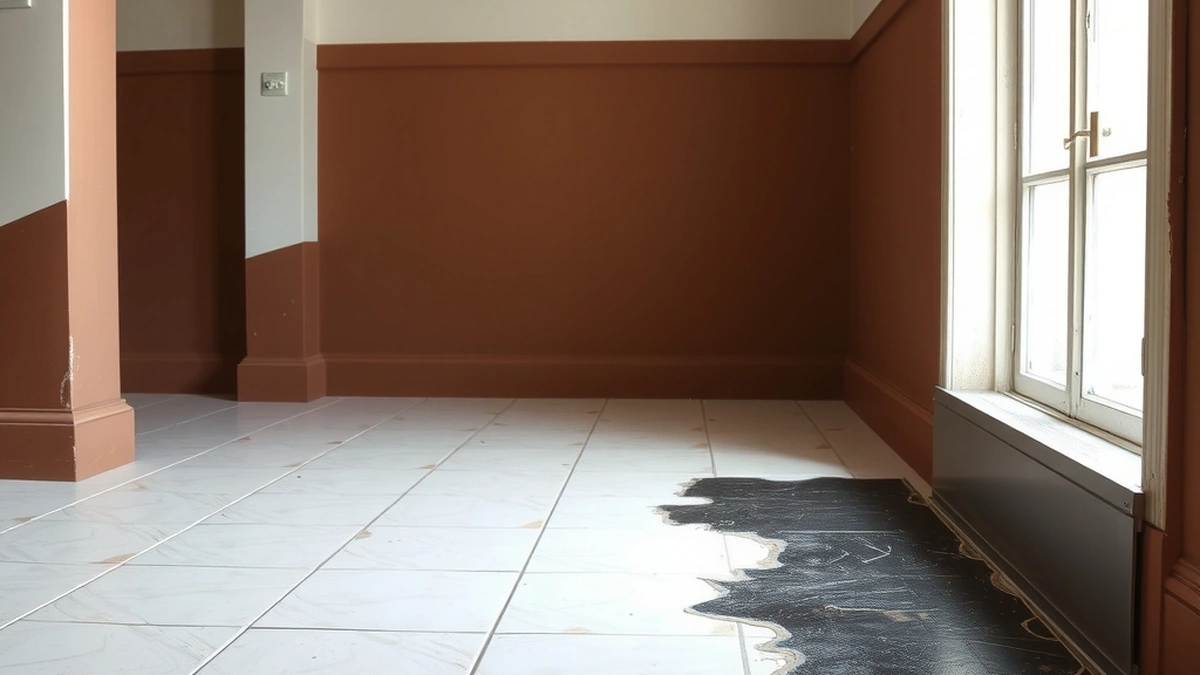
Damaged, loose, or crumbling floor tiles and black mastic can signal asbestos; stop work and contact a licensed professional for testing before any removal.
- Common age range
- Pre-1980s installations
- Bulk testing cost
- $50–$150 per sample
- Asbestos survey cost
- $300–$800
- Floor tile removal cost
- $10–$25 per sq ft
- Encapsulation cost
- $5–$15 per sq ft
Some links on this page are affiliate links.If you buy through them we may earn a commission at no extra cost to you. We do not accept payment for rankings. Read the full disclosure.
Floor tiles and mastic: warning signs are often easy to overlook until a renovation begins. Cracked, loose, or crumbling vinyl tile, along with dark adhesive underneath, can indicate asbestos-containing material. If you notice these conditions, stop work and arrange professional testing before disturbing the floor.
Why Older Floor Tiles and Mastic Matter
Many buildings constructed before the 1980s used vinyl floor tiles and black mastic adhesive that contained asbestos. The mineral was valued for durability, heat resistance, and binding strength. When the material remains intact and undisturbed, it generally poses a lower immediate risk. The danger rises when tiles crack, lift, or break, and when mastic becomes exposed during demolition or flooring replacement.
Warning signs do not always look dramatic. A tile edge that curls upward, a floor that feels spongy in one spot, or adhesive that oozes through seams can all suggest aging material. Because asbestos fibers are microscopic, you cannot confirm or rule out asbestos by sight alone.
Visible Warning Signs to Watch For
Property owners should inspect older floors for specific indicators. The following signs warrant caution:
- Tiles that are cracked, chipped, or broken into pieces
- Tiles lifting at the edges or corners
- Loose tiles that shift underfoot
- Powdery residue or dust near seams and baseboards
- Black or dark brown mastic visible where tile is missing
- Water damage or staining beneath flooring
- Previous patch jobs with mismatched tile or adhesive
None of these signs prove asbestos is present, but each justifies treating the area as potentially hazardous until testing says otherwise. Avoid sweeping, vacuuming, or scrubbing suspect flooring, because those actions can release fibers into the air.
How Testing Confirms the Risk
The only reliable way to determine whether floor tiles or mastic contain asbestos is laboratory analysis of a collected sample. An accredited inspector typically removes small sections from discreet locations and sends them to a qualified lab. Bulk testing generally costs $50–$150 per sample. A full asbestos survey for a home or commercial space often runs $300–$800, depending on square footage and the number of areas sampled.
Do not collect samples yourself. Disturbing tile or mastic without proper containment can spread fibers throughout the building. A licensed professional follows work practices designed to limit exposure and preserve sample integrity.
What the Numbers Mean for Budgeting
If testing confirms asbestos, the next step is deciding between removal and encapsulation. Costs vary by region, accessibility, and condition, but the following estimates provide a starting point.
For a hypothetical 200-square-foot kitchen with asbestos floor tiles:
- Full removal at $10–$25 per square foot equals $2,000–$5,000.
- Encapsulation at $5–$15 per square foot equals $1,000–$3,000.
These figures are estimates and do not include disposal fees, containment setup, air monitoring, or replacement flooring. If the project also involves pipe insulation, removal may cost $25–$75 per linear foot. General abatement work can range from $20–$50 per square foot depending on complexity.
Encapsulation seals the material in place rather than removing it. It can be appropriate when tile is well-adhered and in good condition, but it is not a solution for loose, broken, or water-damaged flooring. Covering asbestos tile with new flooring without addressing underlying damage may trap problems and complicate future renovations.
When Removal Is Necessary
Removal becomes the safer choice when tiles are friable, meaning they can be crumbled by hand pressure, or when mastic is exposed and deteriorating. Renovation plans that require tearing up the floor also make removal necessary, because installing new flooring over damaged asbestos material does not eliminate the hazard.
Licensed abatement contractors isolate the work area, use negative air pressure where required, wear appropriate respiratory protection, and dispose of waste at approved facilities. Attempting this work without training and equipment increases the risk of fiber release and can contaminate HVAC systems, clothing, and adjacent rooms.
For more on overall project pricing, see our guide to asbestos removal cost per square foot. If you are weighing repair versus full abatement, our overview of asbestos removal vs asbestos testing explains how inspection fits into the process.
What Not to Do
Several common responses to suspect flooring can make the situation worse. Do not:
- Sand, scrape, or grind floor tiles or mastic
- Use power tools to remove old flooring
- Dry-sweep dust from potentially asbestos-containing areas
- Store removed tiles in living spaces or standard trash
- Allow children or pets near damaged flooring
If you are considering any work yourself, review our position on DIY asbestos removal before proceeding. For friable material, professional involvement is not optional from a safety standpoint.
Maintenance and Monitoring
When asbestos floor tiles are intact and testing confirms their presence, a maintenance approach may be reasonable. Keep the floor clean with damp methods only, avoid dragging heavy furniture across it, and place mats at entryways to reduce grit. Inspect the area periodically for new cracks, lifting edges, or moisture intrusion.
If the floor is part of a larger building maintenance plan, document the location and condition of asbestos-containing materials. This record helps future contractors avoid accidental disturbance. Our article on asbestos removal maintenance covers ongoing monitoring responsibilities in more detail.
Next Steps for Property Owners
Start by limiting access to the damaged area and avoiding further foot traffic. Contact an EPA-accredited asbestos inspector to collect samples and interpret results. If asbestos is confirmed, obtain written estimates from licensed abatement contractors for removal or encapsulation. Compare scopes of work carefully, because the lowest bid may not include containment, clearance testing, or proper disposal.
For help identifying qualified providers, see our directory of best asbestos removal resources. If the project includes installation of new flooring after abatement, our page on asbestos removal installation outlines what to expect during replacement.
Warning signs in floor tiles and mastic should never be ignored, but they also do not require panic. Testing first, then deciding based on confirmed results, protects occupants and preserves property value.
Frequently asked questions
Are all old floor tiles asbestos?
Not all old floor tiles contain asbestos, but many installed before the 1980s do. Only laboratory testing can confirm it.
Can I remove damaged floor tiles myself?
DIY removal of friable or damaged asbestos material is strongly discouraged. Disturbing it can release fibers into your home.
What does asbestos mastic look like?
Asbestos mastic is often black or dark brown adhesive beneath tile, but color alone cannot confirm asbestos content.
How much does asbestos floor tile removal cost?
Professional floor tile removal typically runs about $10–$25 per square foot, depending on location and conditions.
Is encapsulation a safe alternative?
Encapsulation can seal in good-condition material and usually costs $5–$15 per square foot, but it is not appropriate for damaged floors.
Who should I call for testing?
Contact an EPA-accredited asbestos inspector or a licensed abatement contractor to collect and analyze samples safely.
Sources
Some links are affiliate links.If you buy through them we may earn a commission at no extra cost to you. We do not accept payment for rankings. Read the full disclosure.