The Asbestos Removal Process: Step by Step
Learn how licensed professionals handle the asbestos removal process, from inspection and containment to abatement and clearance testing.
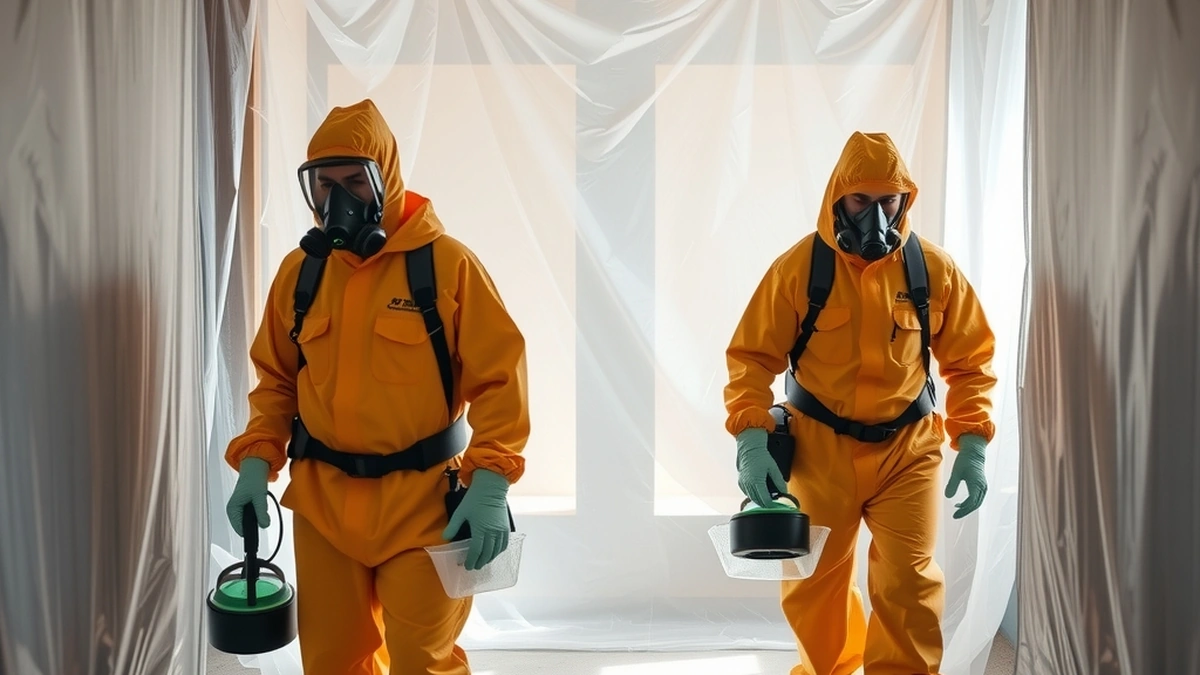
The asbestos removal process involves inspection, containment, licensed abatement, waste disposal, and clearance testing by certified professionals.
- Typical scope
- Inspection, containment, removal, disposal, clearance
- Who performs it
- Licensed asbestos abatement contractors
- Cost range
- $20–$50 per sq ft (estimate)
- Regulation
- EPA, OSHA, and state/local rules
Some links on this page are affiliate links.If you buy through them we may earn a commission at no extra cost to you. We do not accept payment for rankings. Read the full disclosure.
The asbestos removal process is a regulated sequence that moves a building from suspected contamination to verified clearance. Licensed abatement contractors perform inspection, containment, removal or encapsulation, waste disposal, and final air testing. Each step is designed to limit airborne fibers and protect workers and occupants under EPA and OSHA guidelines.
1. Inspection and Testing
Before any removal begins, a qualified inspector identifies suspect materials and collects bulk samples for laboratory analysis. Common locations include pipe insulation, floor tiles, ceiling textures, and boiler wrapping. Bulk testing typically costs $50–$150 per sample, while a comprehensive survey often runs $300–$800 depending on property size and the number of samples required. These figures are estimates and vary by region and laboratory.
Testing determines whether asbestos is present and whether the material is friable, meaning it can be crumbled by hand pressure, or non-friable. Friable material generally requires stricter containment and removal procedures. Results guide the abatement plan and help property owners understand the scope of work needed.
For more on how testing fits into the overall timeline, see our comparison of asbestos removal vs asbestos testing.
2. Abatement Planning and Notification
Once results confirm asbestos, the contractor develops a written abatement plan. This document outlines the work area, removal methods, worker protection, decontamination procedures, and waste handling. Depending on the jurisdiction and project size, notifications may be required from state or local environmental agencies before work starts.
OSHA standards require employers to assess exposure risks, provide respirators, and establish regulated areas. EPA rules address work practices and disposal for asbestos-containing materials. Contractors must also follow state licensing requirements, which often exceed federal minimums.
Property owners should verify that the contractor holds the appropriate state license and carries insurance for abatement work. Hiring an unlicensed individual can create liability and leave hazardous material behind.
3. Containment and Negative Pressure
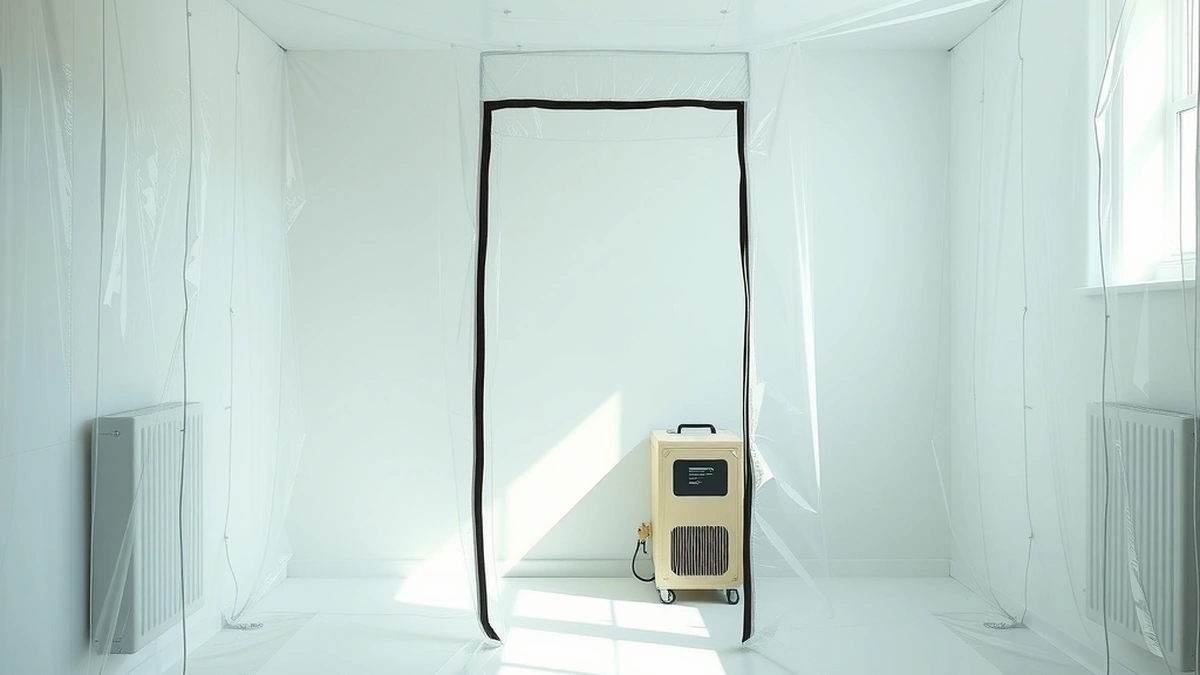
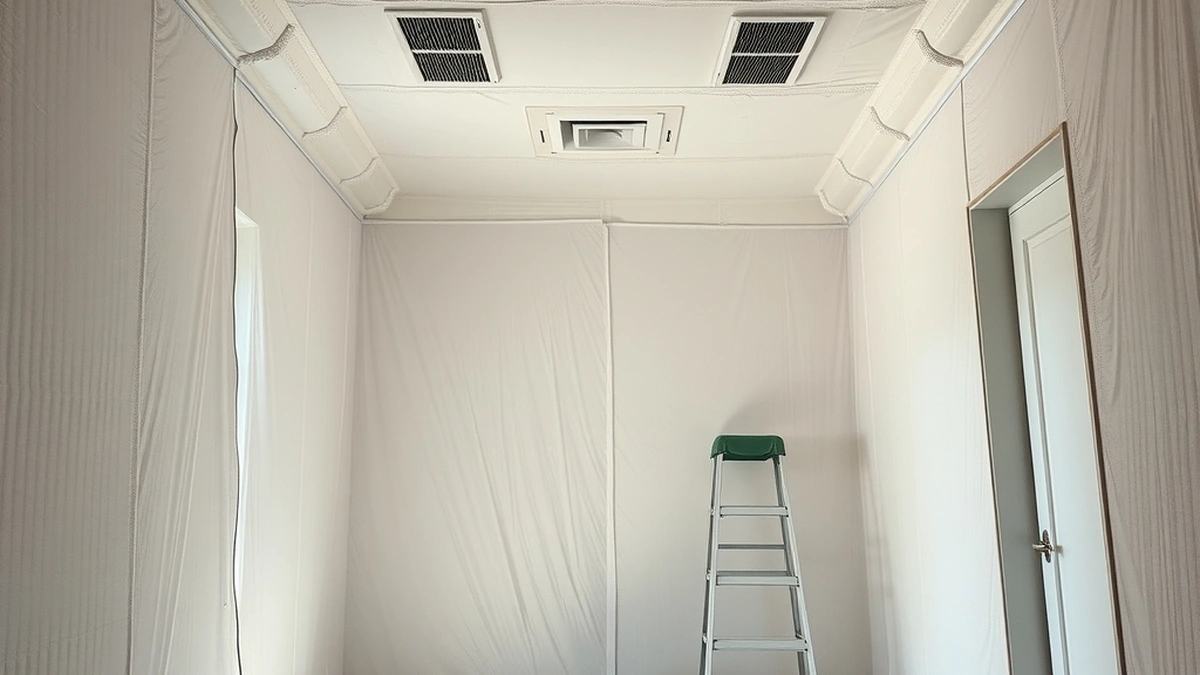
The work area is sealed off from the rest of the building using polyethylene sheeting and tape. HVAC vents are closed or covered to prevent fibers from circulating through ductwork. For many projects, contractors install negative air machines equipped with HEPA filters to draw air out of the containment and exhaust it safely outside.
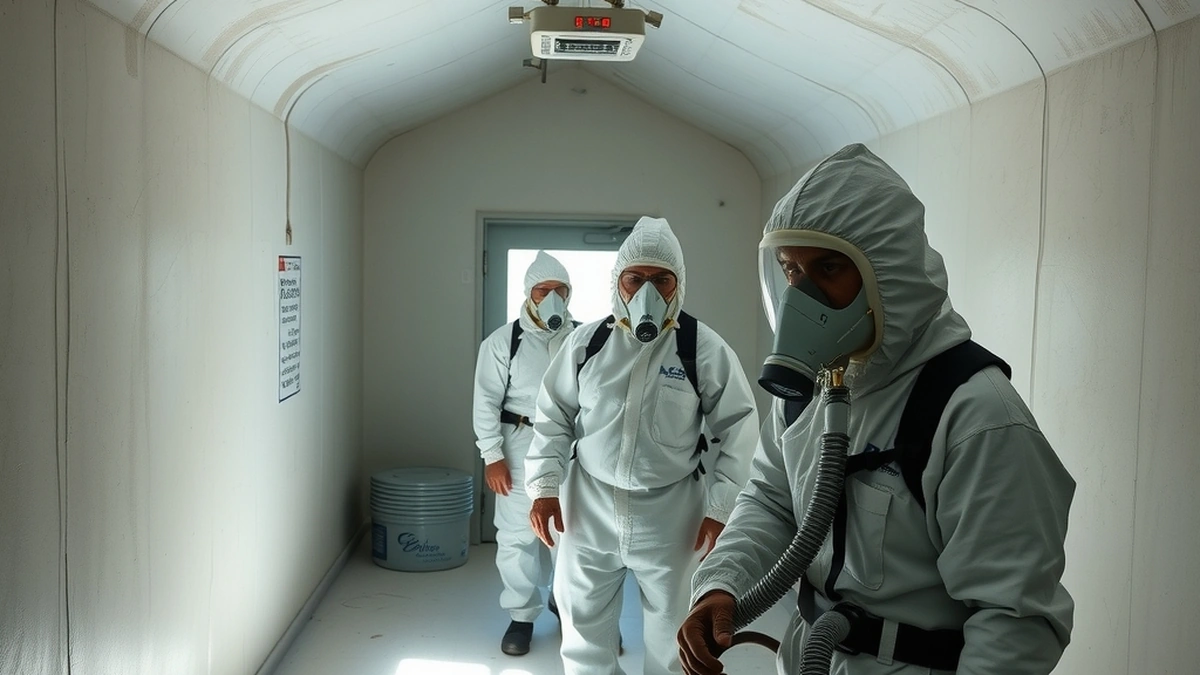
Negative pressure ensures that if the containment barrier leaks, air flows inward rather than allowing contaminated air to escape. Workers enter through a decontamination chamber where they put on disposable coveralls and respirators before entering the sealed zone.
This step is critical for friable materials such as damaged pipe insulation. Removing pipe insulation is estimated at $25–$75 per linear foot, reflecting the labor-intensive setup and careful handling required.
4. Removal or Encapsulation
Contractors choose between removal and encapsulation based on material condition, location, and renovation plans. Removal physically takes the asbestos-containing material out of the building. Encapsulation applies a sealant that binds fibers in place and prevents release.
Asbestos abatement is generally estimated at $20–$50 per square foot. For example, removing asbestos-containing floor tile from a 200-square-foot room might cost between $2,000 and $5,000 at $10–$25 per square foot, though final pricing depends on subfloor condition and disposal fees. Encapsulation is often less disruptive but leaves the material in place, requiring future monitoring and potentially complicating later demolition.
Wet methods are commonly used during removal to keep fibers from becoming airborne. Material is placed in leak-tight containers labeled for asbestos waste. Workers follow decontamination procedures before leaving the work area to avoid carrying dust into clean parts of the building.
Read more about repair-oriented approaches in our guide to asbestos removal repair.
5. Waste Disposal
Asbestos waste cannot go in regular trash. It must be wetted, sealed in labeled bags or drums, and transported to a landfill permitted to accept asbestos-containing material. Waste manifests track the material from the job site to disposal, creating a paper trail required by EPA and state regulations.
Transportation and disposal fees add to the total project cost. Property owners should ask contractors for documentation showing where waste was taken and how it was handled. Improper disposal can result in fines and environmental liability.
6. Clearance Testing and Reoccupation
After removal, an independent inspector or industrial hygienist conducts clearance testing. This usually involves a visual inspection to confirm no visible debris remains, followed by air sampling to measure fiber concentrations. Air must meet the applicable clearance level before the containment is taken down and the area is released for normal use.
Clearance testing is separate from the abatement contractor’s work in most cases, providing an objective check that the space is safe to reoccupy. If air samples exceed limits, additional cleaning and retesting are required.
For ongoing care after abatement, property owners may want to review our asbestos removal maintenance guidance.
7. Documentation and Records
Complete records protect property owners and future buyers. Documentation should include laboratory results, the abatement plan, worker certifications, waste manifests, and clearance reports. These records demonstrate compliance with EPA, OSHA, and state rules and may be requested during real estate transactions or insurance claims.
Keeping these files organized also helps if future renovation disturbs areas where encapsulated asbestos remains. Knowing exactly what was removed, what was sealed, and where it was located prevents accidental exposure years later.
Cost Examples
The following estimates illustrate how pricing can vary by material and project size. Actual quotes depend on local labor rates, accessibility, and disposal costs.
| Service | Estimated Cost | Example Calculation |
|---|---|---|
| Bulk testing | $50–$150 per sample | 5 samples = $250–$750 |
| Survey | $300–$800 | One residential survey |
| Abatement | $20–$50 per sq ft | 200 sq ft = $4,000–$10,000 |
| Pipe insulation removal | $25–$75 per linear ft | 20 linear ft = $500–$1,500 |
| Floor tile removal | $10–$25 per sq ft | 200 sq ft = $2,000–$5,000 |
| Encapsulation | $5–$15 per sq ft | 200 sq ft = $1,000–$3,000 |
These numbers are estimates, not quotes. A licensed contractor should provide a written estimate after inspecting the site.
Choosing a Licensed Contractor
Property owners should confirm that any abatement firm is licensed in their state and follows EPA and OSHA work practices. Ask for proof of insurance, references, and a detailed written scope of work. Avoid contractors who suggest dry removal, refuse containment, or offer to dispose of asbestos in regular construction debris.
For broader cost context, see our breakdown of asbestos removal cost per square foot. For general guidance on selecting a provider, visit our overview of best asbestos removal.
The asbestos removal process is not a casual renovation task. It is a regulated sequence that demands trained professionals, proper containment, lawful disposal, and independent clearance. Following each step reduces the risk of airborne fibers and helps property owners meet federal and state obligations.
Frequently asked questions
What is the asbestos removal process?
It is the regulated sequence of inspecting for asbestos, containing the work area, removing or encapsulating material, disposing of waste, and verifying air quality afterward.
Can I remove asbestos myself?
DIY removal is not recommended for friable asbestos; licensed contractors should handle it to comply with EPA and OSHA requirements and limit fiber release.
How much does asbestos testing cost?
Bulk sampling typically runs $50–$150 per sample, while a full survey often costs $300–$800, depending on property size and sample count.
What does abatement cost per square foot?
Professional asbestos abatement is estimated at $20–$50 per square foot, though final pricing depends on material type, location, and containment needs.
How long does removal take?
A small residential project may take several days to a week, while larger commercial abatement can run weeks, including setup and clearance.
Is encapsulation an alternative to removal?
Yes, encapsulation seals asbestos-containing material in place and is estimated at $5–$15 per square foot, but it is not appropriate for every condition.
Sources
Some links are affiliate links.If you buy through them we may earn a commission at no extra cost to you. We do not accept payment for rankings. Read the full disclosure.