Asbestos Pipe Insulation Guide
Professional asbestos pipe insulation removal costs, EPA/OSHA rules, containment steps, and when to hire a licensed abatement contractor.
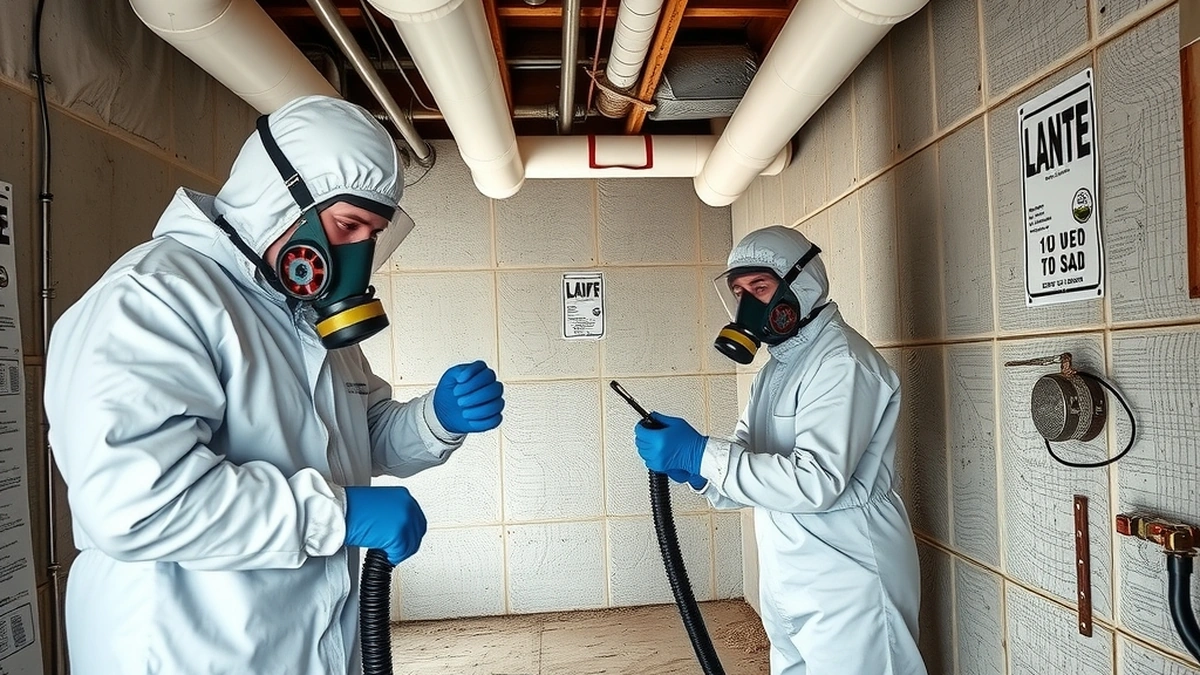
Licensed professionals typically remove asbestos pipe insulation at $25–$75 per linear foot, including containment, HEPA filtration, and regulated disposal.
- Typical removal cost
- $25–$75 per linear foot
- Bulk sampling
- $50–$150 per sample
- Asbestos survey
- $300–$800
- Encapsulation alternative
- $5–$15 per square foot
- Regulatory oversight
- EPA, OSHA, state/local agencies
Some links on this page are affiliate links.If you buy through them we may earn a commission at no extra cost to you. We do not accept payment for rankings. Read the full disclosure.
Asbestos pipe insulation removal is a regulated abatement process performed by licensed contractors to safely remove thermal system insulation from plumbing, heating, and cooling pipes. Because pipe insulation is often friable, meaning it can be crumbled by hand pressure, disturbing it can release microscopic asbestos fibers into the air. Property owners should not attempt removal themselves and should instead arrange testing, hire certified professionals, and follow EPA and OSHA requirements.
What Asbestos Pipe Insulation Looks Like
Asbestos-containing pipe insulation, sometimes called pipe lagging, was common in buildings constructed before the 1980s. It often appears as white or gray corrugated paper wrap, pre-formed cementitious sections, or mud-like fittings on valves and elbows. The material may be painted over or covered with canvas jackets, which makes visual identification unreliable.
The only way to confirm asbestos is through bulk sampling by an accredited inspector. Samples are typically analyzed using polarized light microscopy (PLM) or transmission electron microscopy (TEM). Bulk testing generally costs $50–$150 per sample, and a full asbestos survey often runs $300–$800 depending on building size and the number of areas assessed.
Typical Removal Costs
Professional asbestos pipe insulation removal is usually priced by linear foot rather than square foot. The typical range is $25–$75 per linear foot. This estimate includes inspection coordination, containment setup, negative air pressure, HEPA filtration, wet removal methods, worker decontamination, regulated waste transport, disposal, and clearance air testing.
For example, removing 50 linear feet of insulated pipe at $40 per linear foot equals $2,000. At $60 per linear foot, the same job costs $3,000. Accessibility matters: pipes in crawlspaces, behind walls, or above ceilings often cost more because of demolition and reconstruction needed to reach them.
By comparison, general asbestos abatement may be quoted at $20–$50 per square foot for broader surface areas, while floor tile removal often ranges from $10–$25 per square foot. Encapsulation, which seals asbestos material in place rather than removing it, typically costs $5–$15 per square foot and may be considered when removal is not practical. These figures are estimates, and actual prices vary by region, project complexity, and disposal facility rates.
Regulatory Framework
Federal rules establish the baseline for asbestos abatement. The EPA’s National Emission Standards for Hazardous Air Pollutants (NESHAP) requires notification before renovation or demolition involving regulated asbestos-containing materials, and it specifies work practices to minimize fiber release. OSHA standards protect workers through exposure limits, respiratory protection, training, and medical surveillance requirements.
State and local agencies often impose stricter requirements, including contractor licensing, project notification, and disposal manifests. Many jurisdictions also require third-party clearance testing after abatement to confirm the area is safe for reoccupation. Property owners should verify that their contractor holds the appropriate state or local asbestos abatement license before signing a contract.
The Professional Removal Process
A licensed abatement contractor generally follows these steps:
- Survey and sampling: An inspector identifies suspect materials and collects bulk samples for laboratory analysis.
- Work plan and notification: The contractor prepares a scope of work and submits required notifications to EPA or state authorities, often 10 working days before starting.
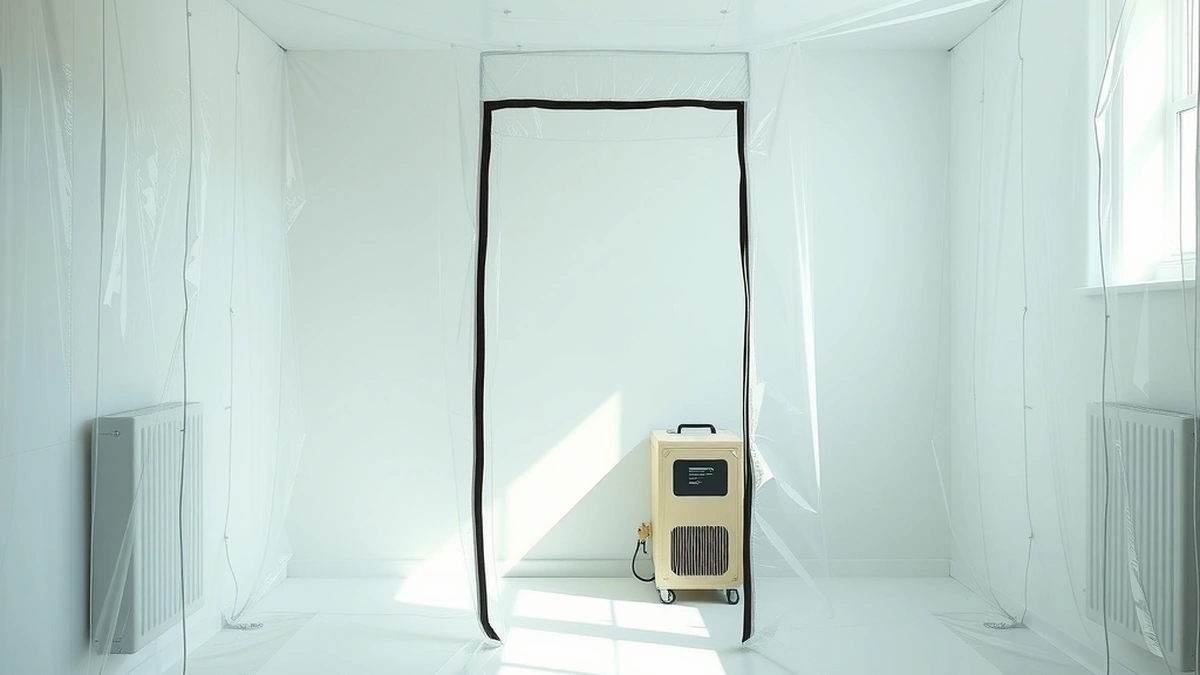
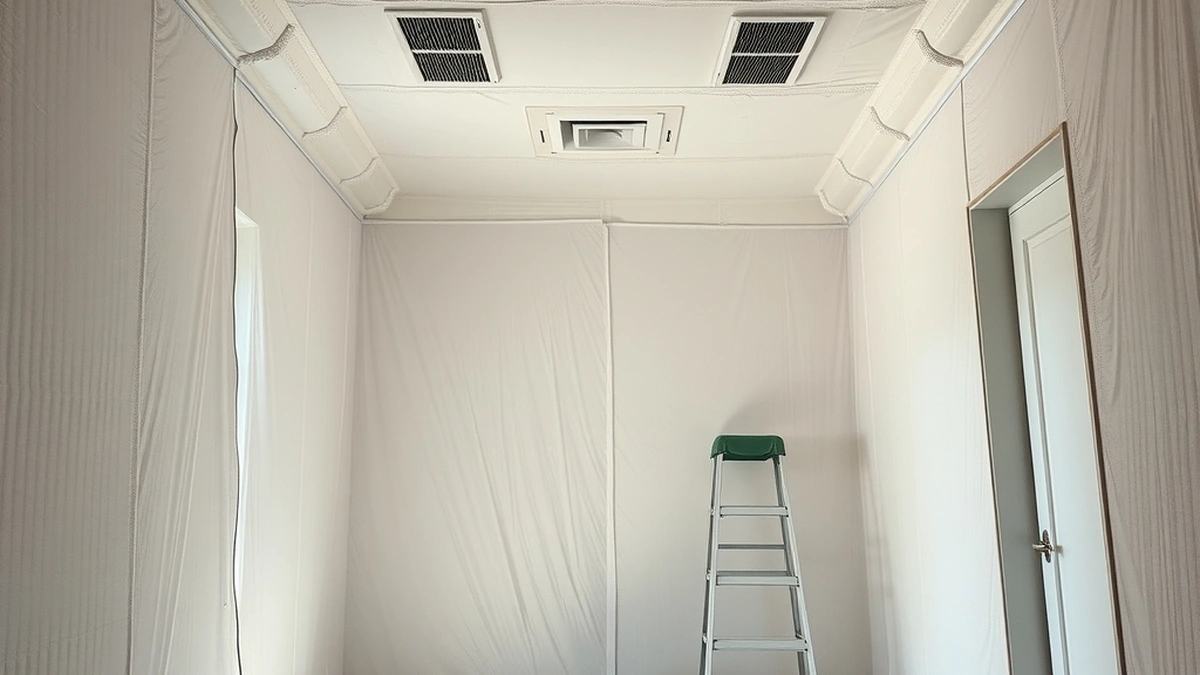
- Containment: The work area is sealed with polyethylene sheeting, and negative air pressure is established using HEPA-filtered air scrubbers to prevent fibers from escaping.
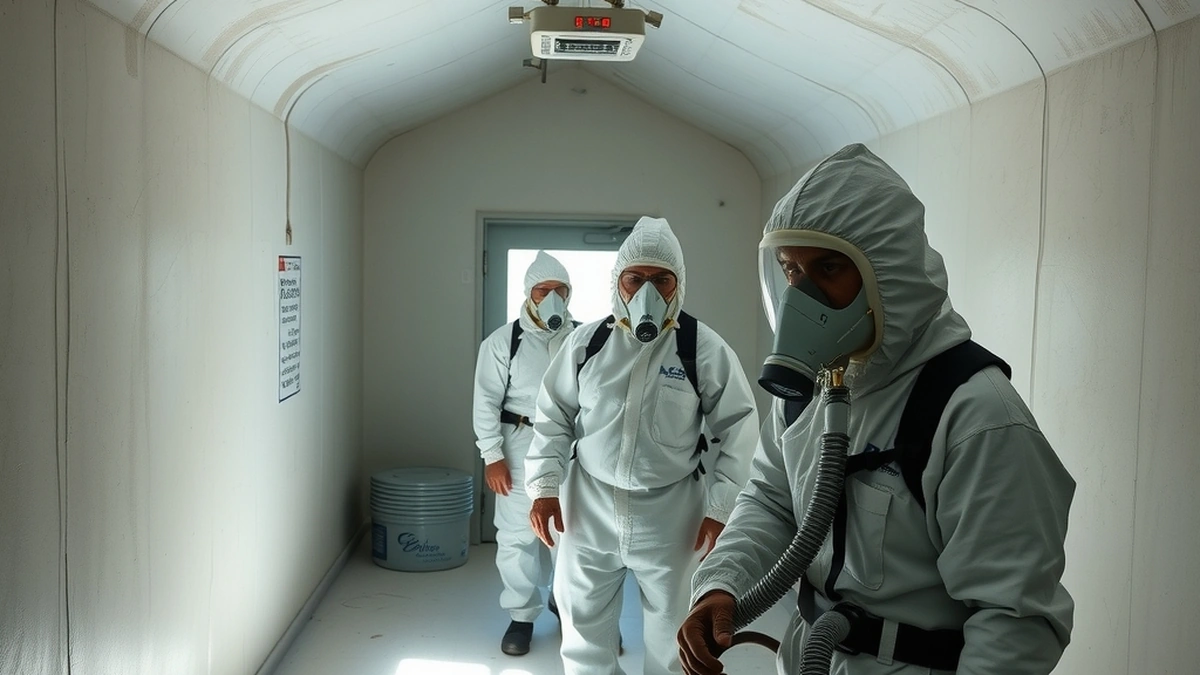
- Worker protection: Crews wear disposable coveralls, respirators with HEPA cartridges, and follow decontamination procedures when entering and exiting the containment zone.
- Wet removal: Insulation is kept wetted to suppress dust, carefully removed from pipes, and placed in leak-tight, labeled asbestos waste bags.
- Cleaning and HEPA vacuuming: Surfaces within the containment are cleaned, and air is filtered continuously.
- Clearance testing: An independent inspector conducts visual inspection and air sampling to verify the area meets reoccupancy criteria.
- Waste disposal: Asbestos waste is transported to a licensed landfill under proper manifesting procedures.
This process is not suitable for do-it-yourself handling. Disturbing friable pipe insulation without containment and respiratory protection can contaminate a home or building and create long-term exposure risks.
When Encapsulation May Be an Option
Encapsulation involves applying a bridging or penetrating sealant to asbestos-containing material so fibers cannot become airborne. It costs roughly $5–$15 per square foot and can be less disruptive than full removal. However, encapsulation leaves the asbestos in place, which means future renovations or pipe repairs may still trigger abatement requirements. It is not appropriate for insulation that is already damaged, water-stained, or likely to be disturbed soon.
Property owners considering encapsulation should consult a licensed asbestos professional to evaluate whether the material is a good candidate and whether local regulations allow it as a long-term strategy.
Related Services and Maintenance
Asbestos pipe insulation removal is one part of a broader asbestos management plan. Property owners with older buildings may also need guidance on asbestos removal cost per square foot for other materials, or help understanding the difference between asbestos removal vs asbestos testing. For ongoing buildings, asbestos removal maintenance covers monitoring and managing remaining asbestos materials, while asbestos removal repair addresses localized damage without full-scale abatement. General pricing context is available in our how much does asbestos removal cost guide, and best asbestos removal outlines how to evaluate qualified contractors.
DIY removal of friable asbestos pipe insulation is not recommended. Homeowners who suspect damaged insulation should limit access to the area, avoid sweeping or vacuuming debris, and contact a licensed asbestos abatement contractor for assessment.
Choosing a Contractor
When hiring for asbestos pipe insulation removal, ask for proof of licensing, insurance, and worker training. Request a written scope of work that specifies containment methods, waste disposal plans, and clearance testing. Confirm that the contractor will handle regulatory notifications and provide documentation of proper disposal. Comparing estimates from multiple licensed firms can help ensure fair pricing, but the lowest bid should not override credentials and safety practices.
Asbestos pipe insulation removal requires professional expertise, regulatory compliance, and careful execution. Testing first, hiring licensed abatement professionals, and following clearance procedures protect occupants, workers, and property owners from unnecessary exposure and liability.
Frequently asked questions
Is asbestos pipe insulation dangerous?
Yes. Damaged or disturbed pipe insulation can release respirable asbestos fibers, which pose inhalation risks. Only trained professionals should handle or remove it.
How much does asbestos pipe insulation removal cost?
Professional removal typically ranges from $25 to $75 per linear foot, depending on pipe diameter, accessibility, insulation condition, and local disposal fees.
Can I remove asbestos pipe insulation myself?
No. Friable asbestos pipe insulation should not be handled as a DIY project. Federal and state rules generally require licensed abatement contractors, containment, and proper disposal.
How do I know if pipe insulation contains asbestos?
You cannot confirm asbestos by sight alone. A licensed inspector must collect bulk samples, usually $50–$150 per sample, and send them to an accredited laboratory for PLM or TEM analysis.
What is encapsulation, and is it cheaper?
Encapsulation seals asbestos material in place with a protective coating and typically costs $5–$15 per square foot. It may be appropriate when removal is impractical, but it does not eliminate the material.
What regulations apply to asbestos pipe removal?
EPA NESHAP rules, OSHA worker protection standards, and state licensing requirements govern notification, containment, air monitoring, waste transport, and disposal.
Sources
Some links are affiliate links.If you buy through them we may earn a commission at no extra cost to you. We do not accept payment for rankings. Read the full disclosure.