Wet Removal vs Abatement: Key Differences Explained
Compare wet removal and full asbestos abatement, including scope, costs, regulations, and when each method applies under US safety rules.
Wet removal is a specific technique for removing asbestos-containing material while keeping it damp; abatement is the broader regulatory process that includes removal, enclosure, encapsulation, and disposal.
- Wet removal definition
- Removal of ACM while continuously wetted to suppress fibers
- Abatement definition
- Full process of identifying, controlling, removing, or encapsulating asbestos hazards
- Abatement cost estimate
- $20–$50 per sq ft
- Encapsulation cost estimate
- $5–$15 per sq ft
- Bulk testing cost estimate
- $50–$150 per sample
Some links on this page are affiliate links.If you buy through them we may earn a commission at no extra cost to you. We do not accept payment for rankings. Read the full disclosure.
Wet removal is a technique for stripping asbestos-containing material while keeping it continuously damp to suppress airborne fibers. Abatement is the broader regulatory process that includes inspection, containment, removal or encapsulation, air monitoring, and lawful disposal. Wet removal may be one step inside an abatement project, but the two terms are not interchangeable.
What Wet Removal Means
Wet removal refers to the practice of applying water or an amended water solution to asbestos-containing material (ACM) before and during removal. The goal is to keep fibers from becoming airborne when the material is disturbed. Workers typically use low-pressure sprayers, injectants, or wrapping methods that maintain saturation without creating runoff that could spread contamination.
This method is common for thermal system insulation, such as pipe wrap and boiler insulation, and for certain sprayed-on fireproofing. It does not apply to every material. Some ACM, including certain floor tiles and mastics, may be removed dry under controlled conditions if wetting could damage the substrate or create electrical hazards. A licensed abatement supervisor decides whether wet removal is appropriate after inspecting the material and reviewing applicable regulations.
What Abatement Covers
Asbestos abatement is the complete process of managing an asbestos hazard. It begins with asbestos testing and surveying to confirm the presence and location of ACM. Once confirmed, abatement can involve removal, encapsulation, enclosure, or repair, followed by decontamination, clearance air testing, and disposal at an approved landfill.
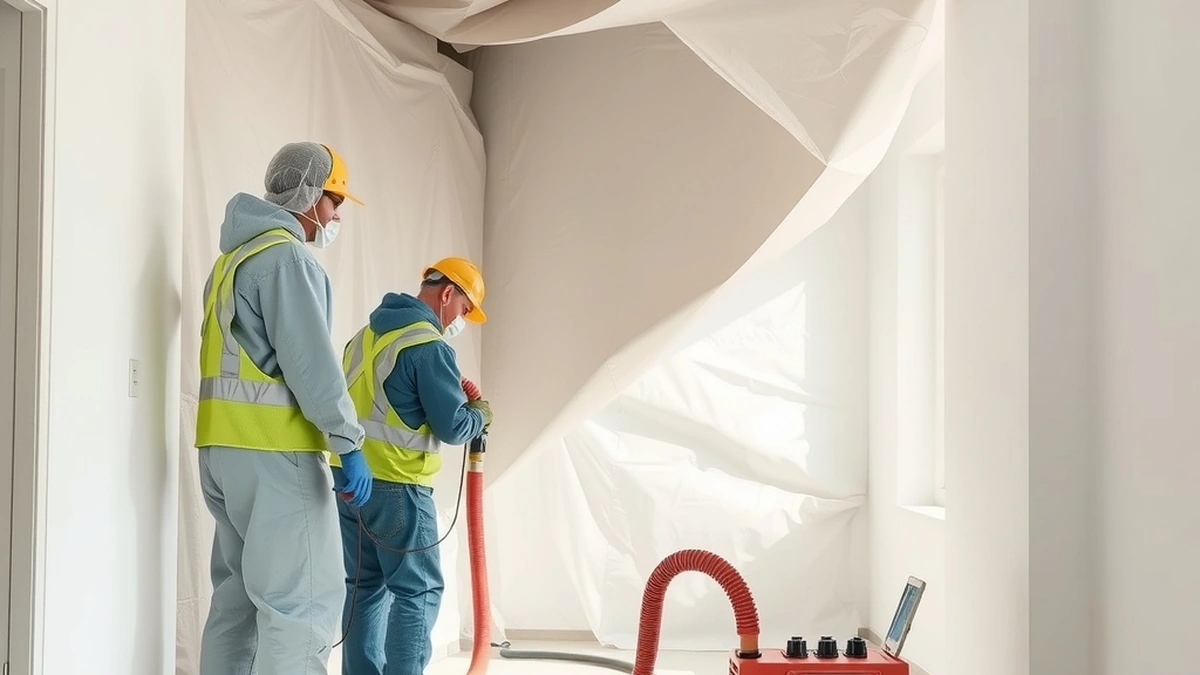
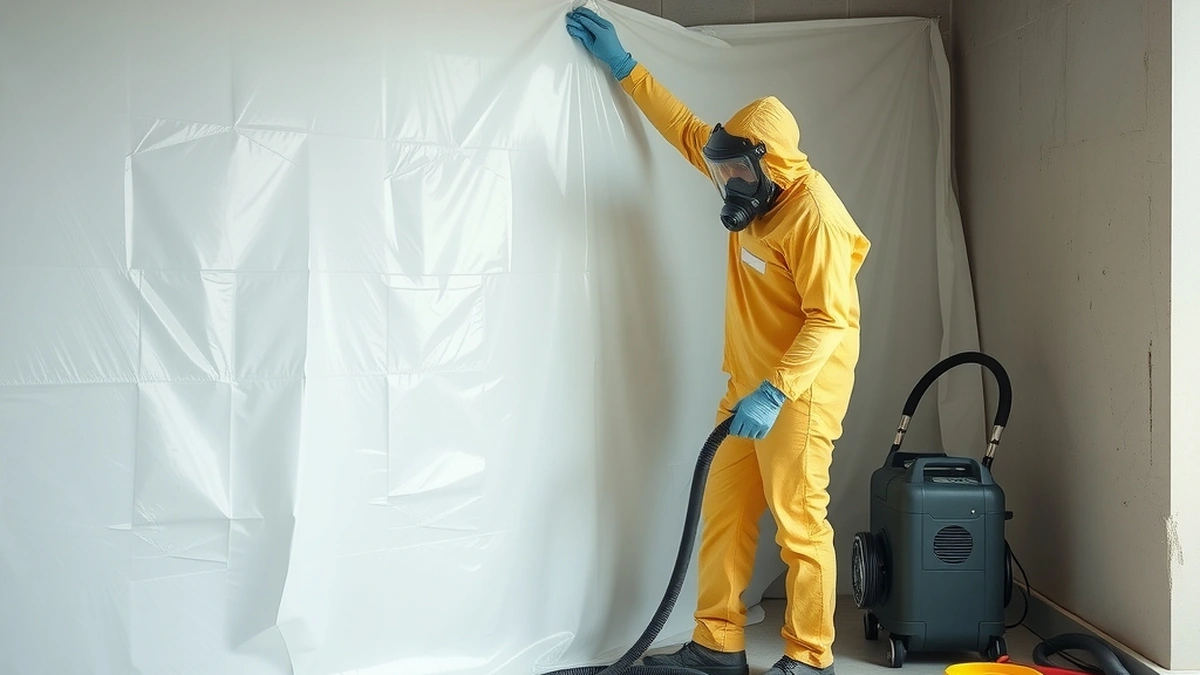
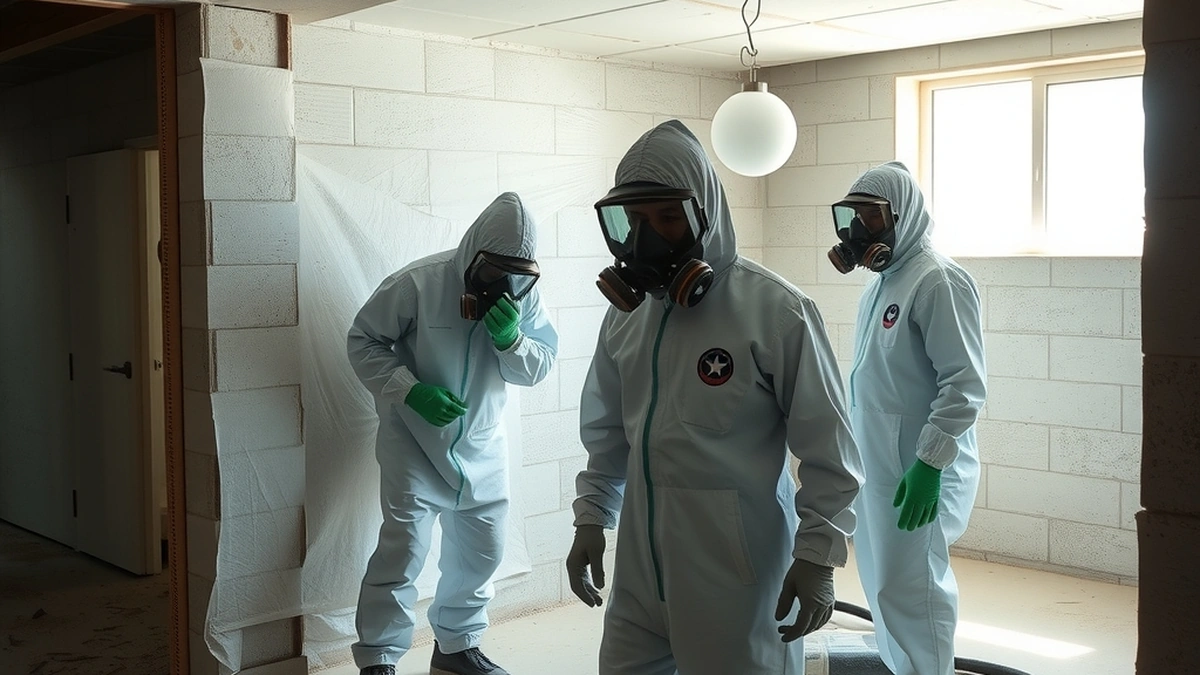
Abatement projects are governed by federal rules from the Environmental Protection Agency and the Occupational Safety and Health Administration, as well as state and local licensing requirements. Contractors must establish containments, use negative air machines, wear respirators and disposable coveralls, and follow decontamination procedures. Clearance testing by an independent inspector is often required before the area can be reoccupied.
Key Differences at a Glance
| Factor | Wet Removal | Abatement |
|---|---|---|
| Scope | One removal technique | Entire hazard management process |
| Includes testing? | No | Yes, typically starts with bulk sampling |
| Includes containment? | May include local controls | Full containment and negative pressure required |
| Includes disposal? | Yes, as part of removal | Yes, with manifesting and approved landfill |
| Regulatory status | Work practice within abatement | Regulated project from inspection to clearance |
| Typical cost basis | Linear foot or square foot | Square foot or project-based estimate |
Cost Comparison With Arithmetic
Cost figures below are estimates and vary by region, material condition, accessibility, and labor rates.
Abatement is generally priced at $20 to $50 per square foot. For a 400-square-foot basement with asbestos-containing pipe insulation and floor tile, the project estimate would be:
- Low end: 400 sq ft × $20 = $8,000
- High end: 400 sq ft × $50 = $20,000
Pipe insulation removal is often priced by linear foot at $25 to $75. For 60 linear feet of insulated piping:
- Low end: 60 linear ft × $25 = $1,500
- High end: 60 linear ft × $75 = $4,500
Floor tile removal is estimated at $10 to $25 per square foot. For a 200-square-foot kitchen:
- Low end: 200 sq ft × $10 = $2,000
- High end: 200 sq ft × $25 = $5,000
Encapsulation, which seals ACM in place rather than removing it, costs $5 to $15 per square foot. For the same 200-square-foot area:
- Low end: 200 sq ft × $5 = $1,000
- High end: 200 sq ft × $15 = $3,000
Before any of these prices apply, testing is required. Bulk sampling costs $50 to $150 per sample, and a full survey typically runs $300 to $800. If a contractor collects six bulk samples, testing alone could range from $300 to $900.
Wet removal itself is not usually sold as a separate line item. It is a work method included within removal pricing. Choosing encapsulation over full removal can reduce material handling and disposal costs, but it leaves asbestos in place and may require long-term monitoring and maintenance.
When Each Method Applies
Wet removal is selected when ACM must be taken out and the material can be safely saturated. Common examples include damaged pipe insulation, deteriorating boiler jackets, and loose sprayed-on insulation. The material is removed, bagged while wet, and transported to a licensed disposal facility.
Abatement is required whenever asbestos is disturbed during renovation, demolition, or emergency response. If testing confirms asbestos and the material will be impacted, the project falls under abatement rules regardless of whether the final method is removal, encapsulation, or enclosure.
Encapsulation may be appropriate when ACM is in good condition and removal would create more risk than leaving it sealed. The coating binds fibers and prevents release, but the asbestos remains in the building. Future renovations or damage to the encapsulated surface can renew the hazard.
Repair is another abatement option for localized damage, such as a small section of broken pipe insulation. It is not a substitute for full abatement when widespread deterioration exists.
Safety and Regulation Basics
No level of asbestos exposure is considered safe. Fibers are microscopic and can remain airborne for hours after disturbance. Wet removal reduces but does not eliminate this risk. Containment, negative air pressure, worker decontamination, and clearance air monitoring are still required for regulated projects.
Homeowners should not attempt DIY removal of friable asbestos. Friable material can be crumbled by hand pressure and releases fibers easily. Non-friable material, such as intact floor tile, may pose lower immediate risk but still requires professional handling if it will be cut, sanded, or removed.
Testing must happen before work begins. A survey identifies suspect materials, and bulk samples are analyzed by an accredited laboratory. Without test results, a contractor cannot lawfully determine whether abatement is required or which method applies.
Choosing a Qualified Contractor
Property owners should verify licensing, insurance, and training before hiring an abatement firm. Ask for references, a written scope of work, and a plan for containment and disposal. Clearance testing should be performed by an inspector independent of the abatement contractor to avoid conflicts of interest.
For cost planning, review the full asbestos removal cost breakdown to understand how square footage, material type, and accessibility affect pricing. If you are deciding between removal and repair, the asbestos removal versus asbestos testing guide explains why sampling comes first. For ongoing buildings management, the asbestos removal maintenance page covers monitoring encapsulated or enclosed materials.
Wet removal is a tool, not a complete solution. Abatement is the regulated process that ensures asbestos is identified, controlled, and disposed of according to federal and state rules. Testing determines the path, and licensed contractors carry out the work.
Next, compare how much does asbestos removal cost, asbestos removal installation, asbestos removal repair before you commit.
Frequently asked questions
Is wet removal the same as abatement?
No. Wet removal is one technique used within an abatement project; abatement includes inspection, containment, removal or encapsulation, air monitoring, and disposal.
Can I do wet removal myself?
Friable asbestos should not be handled by homeowners. Federal and state rules generally require trained, licensed professionals for regulated abatement work.
How much does asbestos abatement cost?
Professional abatement typically runs $20 to $50 per square foot, depending on material type, location, containment needs, and local labor rates.
Does wetting asbestos make it safe to remove?
Wetting suppresses fiber release during removal, but it does not eliminate the need for containment, negative pressure, PPE, decontamination, and proper disposal.
Is encapsulation cheaper than removal?
Yes. Encapsulation is estimated at $5 to $15 per square foot, while full removal is typically $20 to $50 per square foot.
Do I need testing before abatement?
Yes. Bulk sampling costs $50 to $150 per sample and confirms whether material contains asbestos before any abatement method is selected.
Sources
Some links are affiliate links.If you buy through them we may earn a commission at no extra cost to you. We do not accept payment for rankings. Read the full disclosure.