Vermiculite Insulation: Repair Options
Learn about repair options for vermiculite insulation, including encapsulation, removal, and when to hire a licensed asbestos professional.
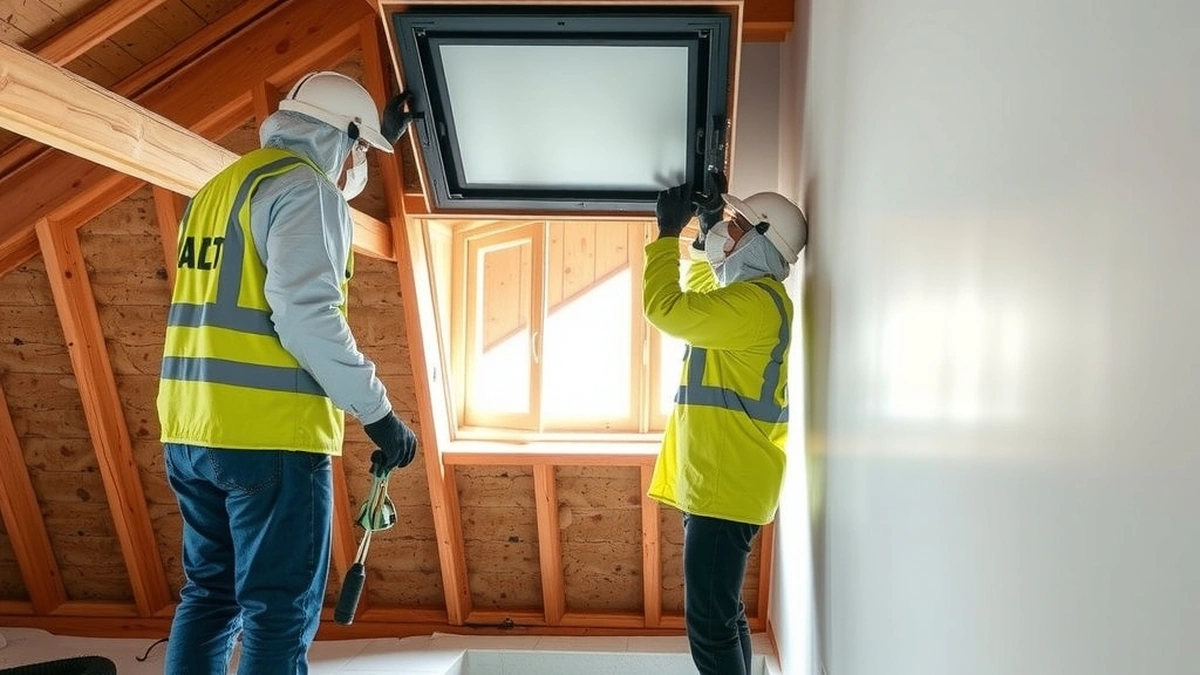
Repair options for vermiculite insulation include professional encapsulation or full abatement by a licensed contractor. DIY repair of friable material is not recommended.
- Typical assumption
- Treat as asbestos-containing unless lab testing proves otherwise
- Bulk testing
- $50–$150 per sample
- Encapsulation
- $5–$15 per sq ft
- Full abatement
- $20–$50 per sq ft
- Best practice
- Hire a licensed asbestos abatement professional
Some links on this page are affiliate links.If you buy through them we may earn a commission at no extra cost to you. We do not accept payment for rankings. Read the full disclosure.
Vermiculite insulation repair options fall into two categories: encapsulation or full abatement, both performed by licensed professionals. Because much vermiculite insulation installed before 1990 is assumed to contain asbestos, disturbing it without proper controls can release hazardous fibers. Homeowners should not attempt DIY repair of friable vermiculite insulation.
Understanding Vermiculite Insulation Risks
Vermiculite is a lightweight, pebble-like mineral that expands when heated. It was commonly used as loose-fill attic insulation, and much of it originated from a mine in Libby, Montana, that was contaminated with asbestos. The EPA advises treating vermiculite insulation as asbestos-containing unless laboratory testing proves otherwise.
Intact and undisturbed vermiculite poses a lower immediate risk, but any disturbance—such as moving it, drilling through it, or remodeling above it—can release fibers. Because asbestos-related disease risk correlates with exposure, limiting disturbance is the first principle of management.
Step One: Professional Testing Before Any Repair
Before choosing a repair path, a licensed asbestos inspector should collect bulk samples and submit them to an accredited lab. Bulk testing is estimated at $50–$150 per sample. A comprehensive property survey is estimated at $300–$800, depending on the number of sample locations and the size of the structure.
Testing matters because it determines regulatory obligations and disposal requirements. If the material tests positive, any repair or removal must follow federal, state, and local asbestos rules, including worker protection standards under OSHA and waste disposal requirements under EPA regulations.
Option One: Encapsulation
Encapsulation involves applying a sealant or covering over the vermiculite to lock fibers in place and prevent them from becoming airborne. Encapsulation is estimated at $5–$15 per sq ft. For a 1,000 square foot attic, the arithmetic is straightforward: 1,000 sq ft × $5 = $5,000 at the low end, and 1,000 sq ft × $15 = $15,000 at the high end.
Encapsulation may be appropriate when the insulation is intact, contained within an unoccupied attic, and not scheduled for disturbance. It is generally less disruptive than removal because it does not require extracting the material. However, encapsulation does not eliminate asbestos from the building. Future buyers, renovators, or inspectors must still be informed that asbestos-containing material is present and encapsulated.
Encapsulation is not a DIY task. Applying sealant to friable material can disturb it, and improper application can create a false sense of security while leaving fibers able to migrate through air leaks.
Option Two: Full Abatement and Removal
Full abatement removes the vermiculite insulation entirely and disposes of it as asbestos-containing waste. Abatement is estimated at $20–$50 per sq ft. For a 1,000 square foot attic, that equals 1,000 sq ft × $20 = $20,000 at the low end, and 1,000 sq ft × $50 = $50,000 at the high end.
Removal is typically recommended when:
- The insulation is damaged, water-stained, or actively falling.
- You plan renovations that will disturb the attic floor or ceiling.
- You want to eliminate the material permanently rather than manage it in place.
- Real estate transactions require documented asbestos removal.
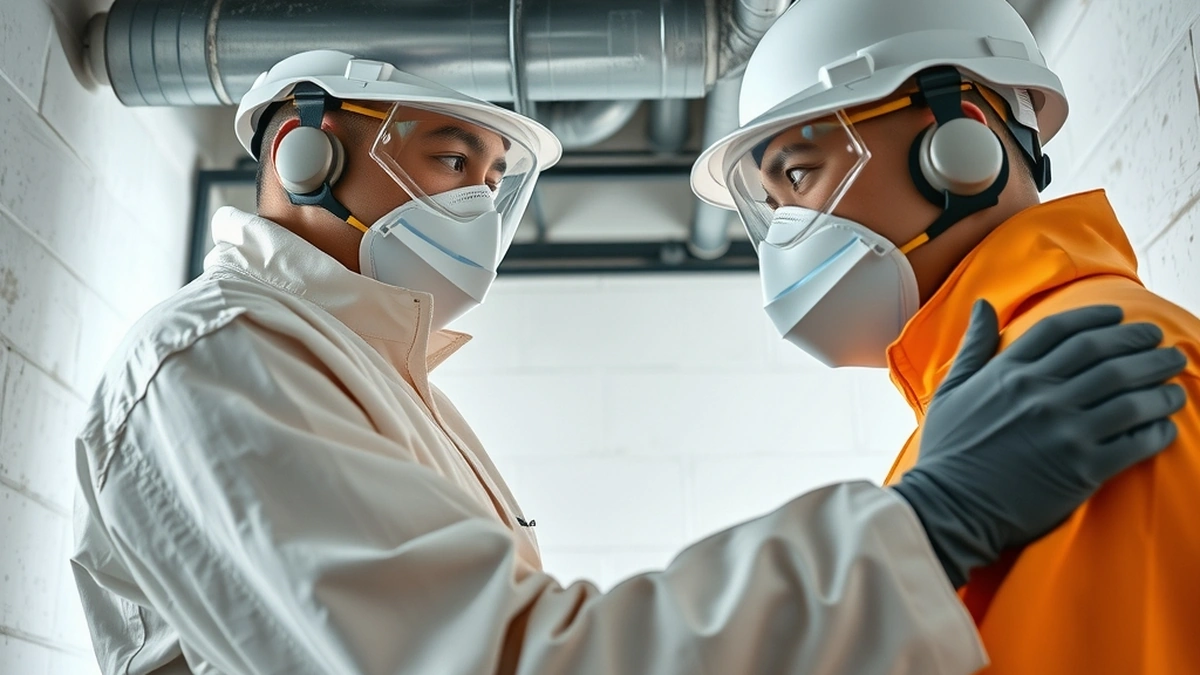
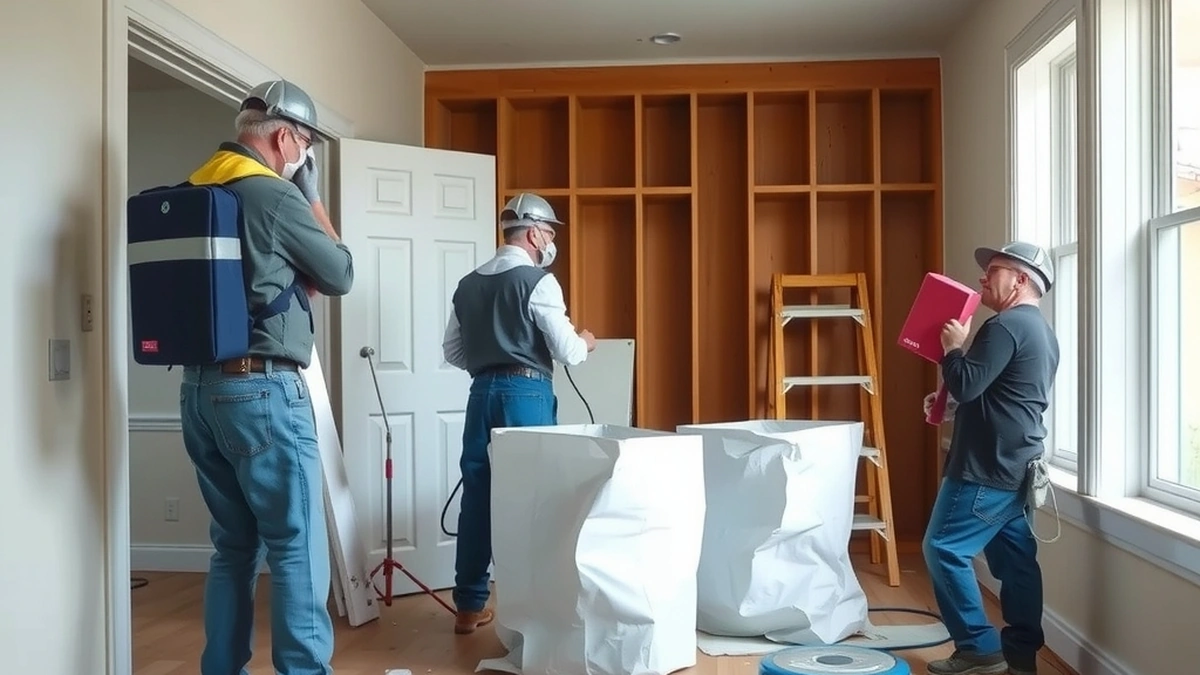
Licensed abatement contractors use containment barriers, negative air pressure, HEPA filtration, decontamination units, and personal protective equipment. After removal, clearance testing confirms the area is safe for reoccupancy. Costs vary by region, attic accessibility, disposal fees, and whether additional work such as reinsulation is needed.
Comparing Repair Costs at Scale
The table below shows estimated cost ranges for common asbestos-related work. These figures are estimates and should be confirmed with a licensed contractor after an on-site inspection.
| Work Type | Estimated Cost | Unit |
|---|---|---|
| Bulk testing | $50–$150 | per sample |
| Property survey | $300–$800 | per survey |
| Encapsulation | $5–$15 | per sq ft |
| Full abatement | $20–$50 | per sq ft |
| Pipe insulation removal | $25–$75 | per linear ft |
| Floor tile removal | $10–$25 | per sq ft |
If a home has 1,200 sq ft of vermiculite attic insulation and the owner chooses encapsulation at $10 per sq ft (mid-range), the estimated cost is 1,200 × $10 = $12,000. If the same home requires full abatement at $35 per sq ft (mid-range), the estimate is 1,200 × $35 = $42,000. These examples illustrate why testing and professional assessment matter before committing to a repair method.
When Repairs Are Not Enough
Some situations rule out encapsulation as a practical option. If vermiculite has migrated into wall cavities, HVAC ducts, or living spaces, encapsulation may be impossible to apply uniformly. If the attic is used for storage and the insulation is frequently disturbed, encapsulation can degrade over time. In those cases, full abatement is the more durable solution.
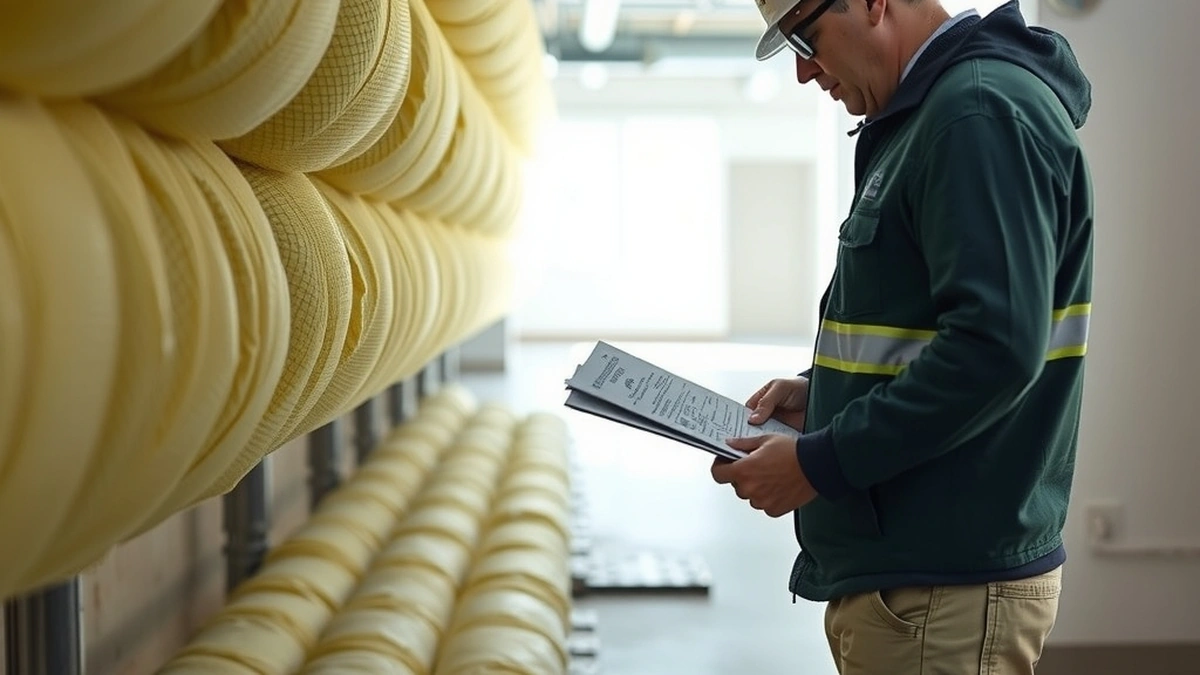
Vermiculite is sometimes found alongside other asbestos-containing materials, such as pipe insulation or floor tile. Pipe insulation removal is estimated at $25–$75 per linear ft, and floor tile removal is estimated at $10–$25 per sq ft. A whole-home assessment helps determine whether multiple materials need abatement at once, which can affect mobilization costs and scheduling.
Choosing a Licensed Abatement Professional
Repairing vermiculite insulation is not a general contractor job. Hire a company licensed for asbestos abatement in your state. Verify credentials, ask for proof of insurance and worker certification, and request a written scope of work that includes containment, removal or encapsulation methods, waste disposal, and clearance testing.
Avoid any contractor who suggests dry sweeping, household vacuum use, or DIY removal of friable material. Those practices can spread asbestos fibers throughout the home and create long-term contamination. For more context on how abatement compares to testing, see our overview of asbestos removal vs asbestos testing. If you are evaluating broader project expenses, our guide to asbestos removal cost per square foot provides additional pricing detail. Homeowners considering whether professional help is required should review our page on DIY asbestos removal before making any decisions.
Maintenance After Repair
If you encapsulate vermiculite insulation, treat the attic as a controlled area. Do not install new flooring, run cables, or add recessed lighting without first consulting an asbestos professional. Any penetration of the encapsulated layer can release fibers. Store nothing in the attic that would require moving insulation, and inspect the area periodically for signs of damage, water intrusion, or pest activity.
If you choose full abatement, request clearance documentation and keep it with your home records. This documentation can be valuable during future sales or renovations. After removal, consider adding modern, asbestos-free insulation to maintain energy efficiency, but only after the abatement contractor releases the area.
Vermiculite insulation repair options are limited to encapsulation or removal, and both require professional execution. Testing first, hiring licensed abatement personnel, and avoiding disturbance of friable material are the safest steps for protecting occupants and preserving property value.
Next, compare how much does asbestos removal cost, asbestos removal installation, asbestos removal repair before you commit.
Frequently asked questions
Is vermiculite insulation always asbestos?
Not all vermiculite contains asbestos, but much of the material sold under the Zonolite brand came from a mine contaminated with asbestos. Treat it as asbestos-containing until a lab test shows otherwise.
Can I repair vermiculite insulation myself?
No. Disturbing friable vermiculite can release asbestos fibers into the air. Repair or removal should be handled by a licensed asbestos professional using containment and negative pressure controls.
What does encapsulation cost?
Encapsulation is estimated at $5–$15 per sq ft, depending on attic accessibility, material condition, and local labor rates. A 1,000 sq ft attic would cost roughly $5,000–$15,000.
What does full abatement cost?
Full abatement is estimated at $20–$50 per sq ft. For a 1,000 sq ft attic, that equals approximately $20,000–$50,000, including containment, removal, disposal, and clearance testing.
How much does testing cost?
Bulk sampling is estimated at $50–$150 per sample. A full property survey is estimated at $300–$800, depending on the number of areas sampled and the size of the building.
When should I choose removal over encapsulation?
Removal is generally preferred if you plan major renovations, if the insulation is already damaged, or if you want to eliminate the material permanently. Encapsulation may be appropriate when the material is intact and undisturbed, subject to professional assessment.
Sources
Some links are affiliate links.If you buy through them we may earn a commission at no extra cost to you. We do not accept payment for rankings. Read the full disclosure.