Types of Asbestos Removal: Methods and Costs
Learn about the main types of asbestos removal, including abatement, encapsulation, and enclosure, with US cost estimates.
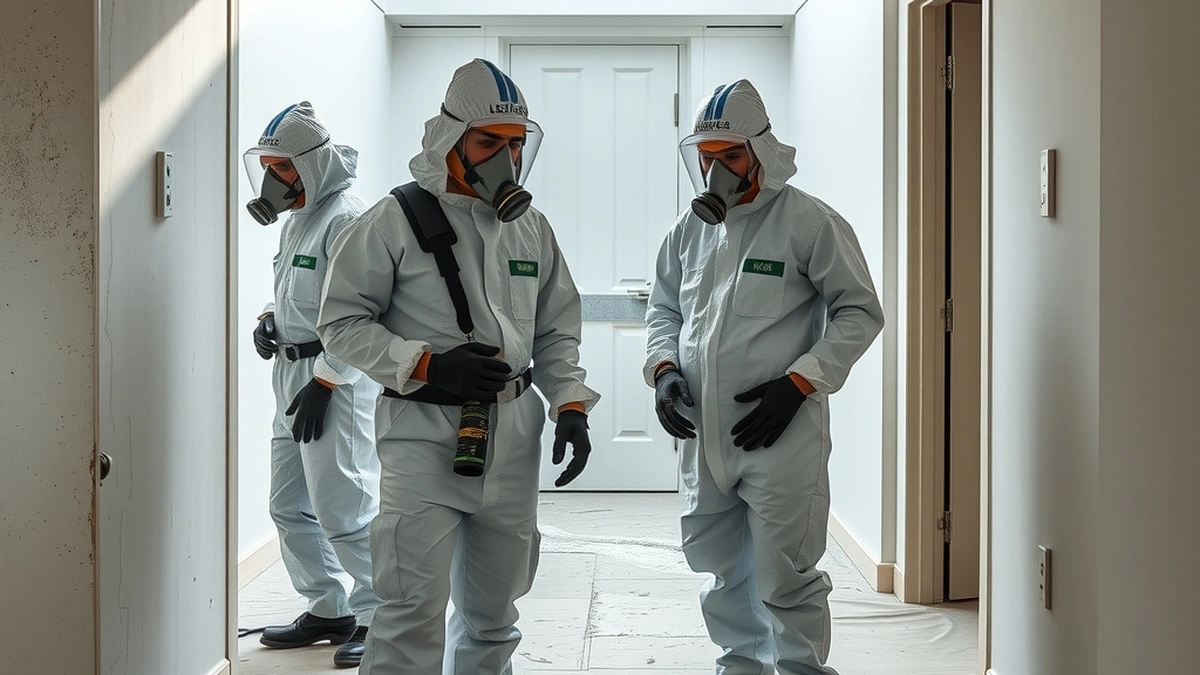
The main types of asbestos removal are abatement (full removal), encapsulation, and enclosure. A licensed contractor selects the method based on material condition, location, and regulatory requirements.
- Primary methods
- Abatement, encapsulation, enclosure
- Abatement cost
- $20–$50 per sq ft
- Encapsulation cost
- $5–$15 per sq ft
- Pipe insulation removal
- $25–$75 per linear ft
Some links on this page are affiliate links.If you buy through them we may earn a commission at no extra cost to you. We do not accept payment for rankings. Read the full disclosure.
The main types of asbestos removal are abatement, encapsulation, and enclosure. A licensed asbestos abatement contractor chooses among them based on the material’s condition, location, friability, and applicable regulations. Property owners should never attempt to remove friable asbestos-containing material themselves.
Asbestos Abatement (Full Removal)
Abatement is the physical removal of asbestos-containing material from a building. It is the only method that permanently eliminates the source material, though it is typically the most disruptive and expensive option. Abatement is generally required when material is damaged, friable, or located in an area scheduled for renovation or demolition.
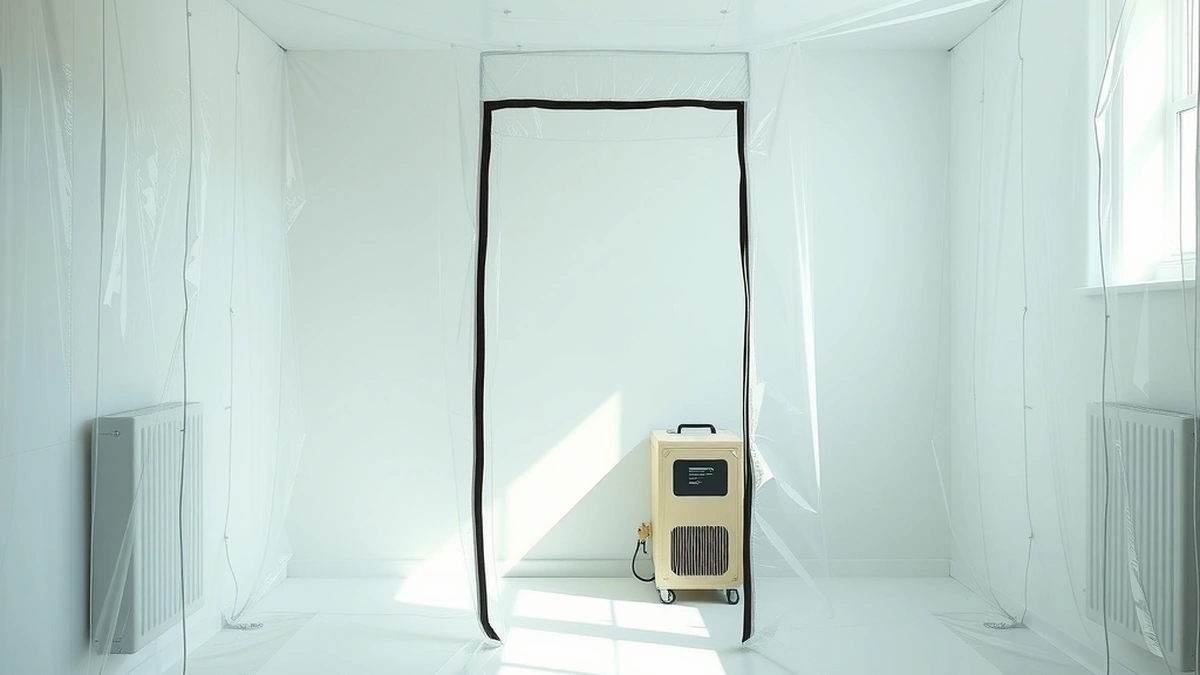
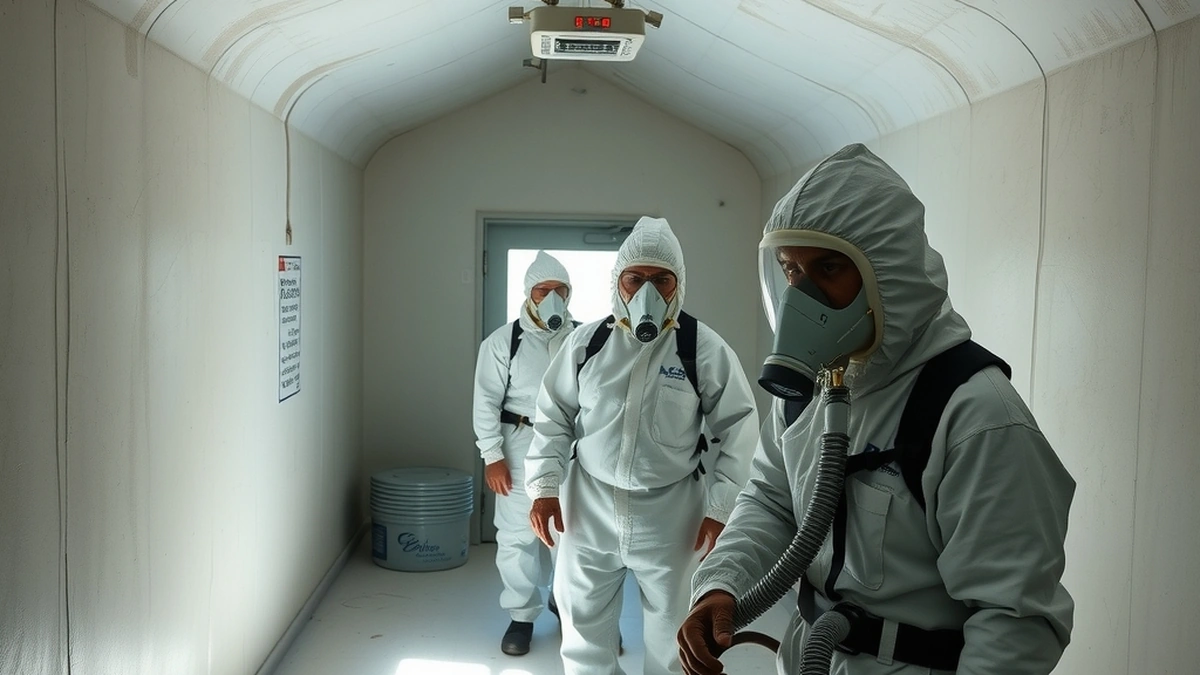
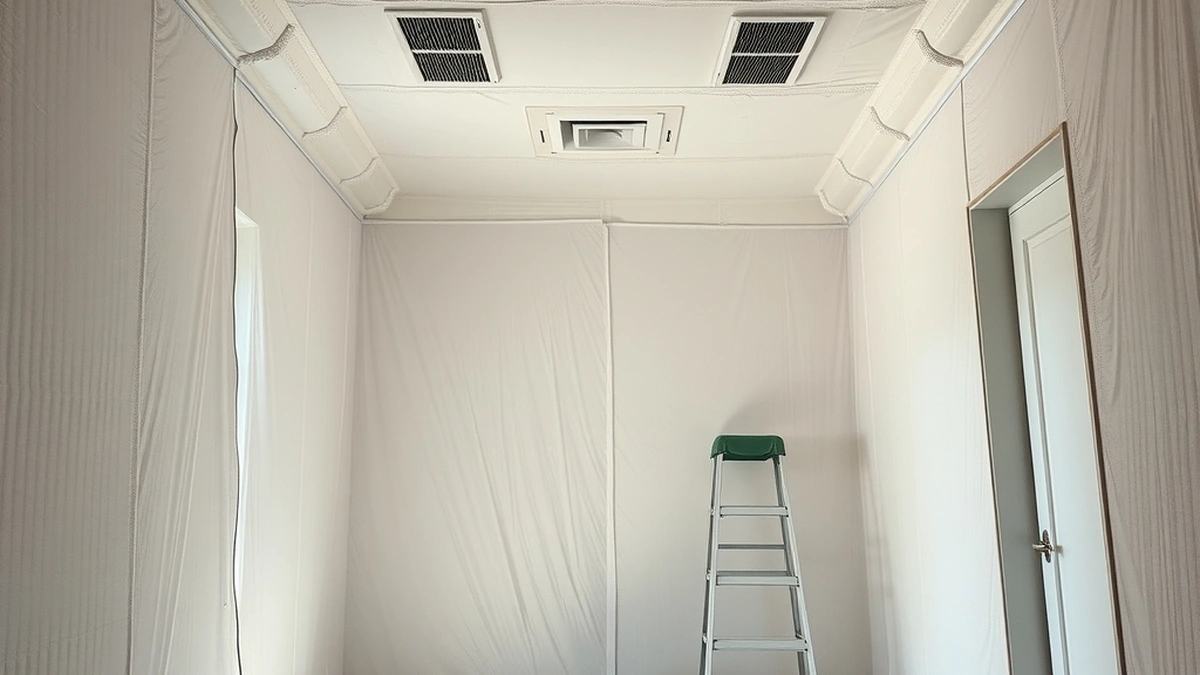
The process usually involves sealing off the work area with polyethylene sheeting, creating negative air pressure with HEPA-filtered machines, wetting the material to suppress fibers, removing it by hand or with specialized tools, and placing waste in labeled, leak-tight containers for disposal at an approved facility. Air clearance testing is commonly performed before the containment is taken down.
Cost is estimated at $20 to $50 per square foot. For example, removing asbestos-containing material from a 400-square-foot basement could cost approximately $8,000 to $20,000, depending on labor, disposal fees, and regional pricing.
Encapsulation
Encapsulation involves applying a specialized sealant or coating to asbestos-containing material so fibers cannot become airborne. The material remains in place, which makes this method less invasive than full removal. Encapsulation is often considered when the material is in good condition, firmly bonded, and not likely to be disturbed.
This approach is not appropriate for every situation. If the material is already crumbling, water-damaged, or located where renovation work will disturb it, encapsulation may not be an acceptable long-term solution. Encapsulated material must still be monitored and may need to be disclosed during a real estate transaction.
Estimated encapsulation costs range from $5 to $15 per square foot. Treating 600 square feet of asbestos-containing surface could cost roughly $3,000 to $9,000, though actual pricing depends on the product used, surface preparation, and accessibility.
Enclosure
Enclosure means constructing an airtight barrier around asbestos-containing material rather than removing or coating it. Common examples include building a sealed wall around pipe insulation or covering asbestos-containing ceiling material with a new layer of drywall. Like encapsulation, enclosure leaves the material in place, so it requires ongoing management and clear labeling.
Enclosure is often used when removal would create more risk than leaving the material isolated, such as in occupied buildings where shutting down an area for abatement is impractical. The enclosure must be designed to prevent air movement, moisture intrusion, and accidental damage.
Costs vary widely because enclosure involves carpentry, drywall, or other construction trades in addition to asbestos precautions. Property owners should obtain a written scope of work before proceeding.
Pipe Insulation Removal
Asbestos pipe insulation is one of the more common materials encountered in older buildings, especially around boilers, steam lines, and hot-water pipes. Because pipe insulation is often friable, it usually requires full abatement by a licensed contractor working inside a sealed containment area.
Estimated removal costs are $25 to $75 per linear foot. For a building with 40 linear feet of insulated pipe, the removal cost could range from $1,000 to $3,000. Factors that affect pricing include pipe diameter, insulation thickness, accessibility, and whether the pipe must remain in service during work.
Floor Tile and Mastic Removal
Vinyl asbestos floor tile and the mastic beneath it were widely used in residential and commercial construction. These materials are often classified as non-friable when intact, but cutting, sanding, or breaking them can release fibers. Removal methods depend on whether the tile is bonded to the subfloor and whether the mastic also contains asbestos.
Estimated floor tile removal costs are $10 to $25 per square foot. Removing tile from a 200-square-foot kitchen might cost approximately $2,000 to $5,000. If mastic removal is required, or if the subfloor must be replaced, costs can increase.
Testing and Survey Costs Before Removal
Before selecting a removal type, most properties need testing to confirm the presence of asbestos and assess its condition. Bulk sampling is estimated at $50 to $150 per sample. A comprehensive asbestos survey typically costs $300 to $800, depending on building size and the number of areas sampled.
Testing results inform whether abatement, encapsulation, or enclosure is appropriate, and they help contractors prepare accurate removal estimates. Owners can review related pricing context at /asbestos-removal-cost-per-square-foot/ and compare testing versus abatement at /asbestos-removal-vs-asbestos-testing/.
Choosing the Right Method
No single removal type fits every building. The decision depends on material condition, whether the area will be renovated, occupant access, budget, and local regulations. A licensed asbestos inspector or abatement contractor can evaluate the site and recommend a compliant approach.
Property owners should verify contractor licensing, insurance, and disposal documentation before work begins. For broader cost planning, see /how-much-does-asbestos-removal-cost/. For related project types, refer to /asbestos-removal-installation/, /asbestos-removal-repair/, and /asbestos-removal-maintenance/. DIY removal of friable material is not advised; /diy-asbestos-removal/ explains why professional containment is generally required.
Regulatory compliance matters at every step. The EPA sets standards for asbestos hazard reduction and disposal, while OSHA establishes worker protection requirements for exposure limits, training, and personal protective equipment. State and local agencies may impose additional notification, permitting, or disposal rules.
Understanding the types of asbestos removal helps property owners make informed decisions and avoid unnecessary exposure. Whether the project calls for full abatement, encapsulation, or enclosure, working with qualified professionals is the safest path forward.
Next, compare how much does asbestos removal cost, asbestos removal installation, asbestos removal repair before you commit.
Frequently asked questions
What are the main types of asbestos removal?
The three general approaches are abatement (physical removal), encapsulation (sealing with a protective coating), and enclosure (building an airtight barrier around the material).
Is encapsulation the same as removal?
No. Encapsulation leaves the asbestos-containing material in place and coats it to prevent fiber release, while abatement removes the material from the building.
How much does asbestos abatement cost?
Professional abatement is estimated at $20 to $50 per square foot, depending on material type, location, accessibility, and local disposal fees.
Can I remove asbestos floor tile myself?
DIY removal of friable asbestos is not recommended. Even non-friable floor tile can release fibers if broken or sanded, so a licensed abatement contractor should handle it.
Do I need testing before choosing a removal type?
Yes. Bulk testing costs about $50 to $150 per sample, and an asbestos survey typically runs $300 to $800, helping determine whether material is present and what method applies.
Who regulates asbestos removal in the United States?
Federal oversight includes EPA rules for hazard reduction and OSHA standards for worker protection, with additional requirements often set by state and local agencies.
Sources
Some links are affiliate links.If you buy through them we may earn a commission at no extra cost to you. We do not accept payment for rankings. Read the full disclosure.