Popcorn Ceiling: How to Prevent It
Learn how to prevent popcorn ceiling problems, when testing is needed, and what abatement typically costs per square foot.
Prevent popcorn ceiling issues by avoiding disturbance, testing before renovation, and hiring licensed professionals for any abatement or encapsulation work.
- Typical bulk testing cost
- $50–$150 per sample
- Typical asbestos survey cost
- $300–$800
- Typical abatement cost
- $20–$50 per sq ft
- Typical encapsulation cost
- $5–$15 per sq ft
Some links on this page are affiliate links.If you buy through them we may earn a commission at no extra cost to you. We do not accept payment for rankings. Read the full disclosure.
Popcorn ceiling: how to prevent it starts with leaving the texture alone. If the ceiling is intact and undisturbed, it generally does not release fibers. Prevention means avoiding sanding, scraping, drilling, or pressure washing the surface, and arranging professional testing before any renovation that could disturb it.
Many homes built between the 1950s and 1980s have spray-applied textured ceilings. Some of these contain asbestos, while others do not. Because asbestos cannot be identified by sight, the safest preventive step is to treat any suspect ceiling as potentially hazardous until a laboratory says otherwise. This article explains how to prevent exposure, when to test, and what professional options typically cost.
Understand What Makes a Popcorn Ceiling a Concern
Popcorn ceilings, also called acoustic or textured ceilings, were popular for sound dampening and hiding imperfections. The texture is usually sprayed on in a thick layer. In older homes, that layer sometimes includes asbestos fibers for fire resistance and durability.
The material becomes a concern when it is friable, meaning it can be crumbled, pulverized, or reduced to powder by hand pressure. A friable ceiling can release fibers if it is scraped, sanded, damaged by water, or disturbed during demolition. Intact, non-friable texture in good condition is less likely to release fibers, but it still should not be disturbed without testing.
Prevention begins with awareness. Know the approximate age of your home, note any ceiling damage, and avoid activities that could break the surface. If you are planning a remodel, lighting replacement, or insulation upgrade that reaches the ceiling, assume testing is necessary first.
Avoid Disturbing the Ceiling Surface
The most direct way to prevent asbestos exposure from a popcorn ceiling is to not touch it. Do not scrape, sand, drill, cut, or remove sections of the texture. Do not push pins, screws, or anchors into the ceiling. Avoid hanging heavy objects that could crack or dislodge the material.
Water damage is another risk. A leak from a roof, plumbing line, or upstairs bathroom can saturate the ceiling and cause the texture to soften, sag, or fall. Repair leaks promptly and inspect ceilings after any water event. If the texture becomes damaged, isolate the room and contact a qualified professional before cleaning or repairing.
Routine cleaning also requires caution. Dusting or vacuuming a textured ceiling with a standard household vacuum can agitate the surface. If cleaning is necessary, consult a professional experienced with asbestos-containing materials rather than using DIY methods.
Test Before Any Renovation or Repair
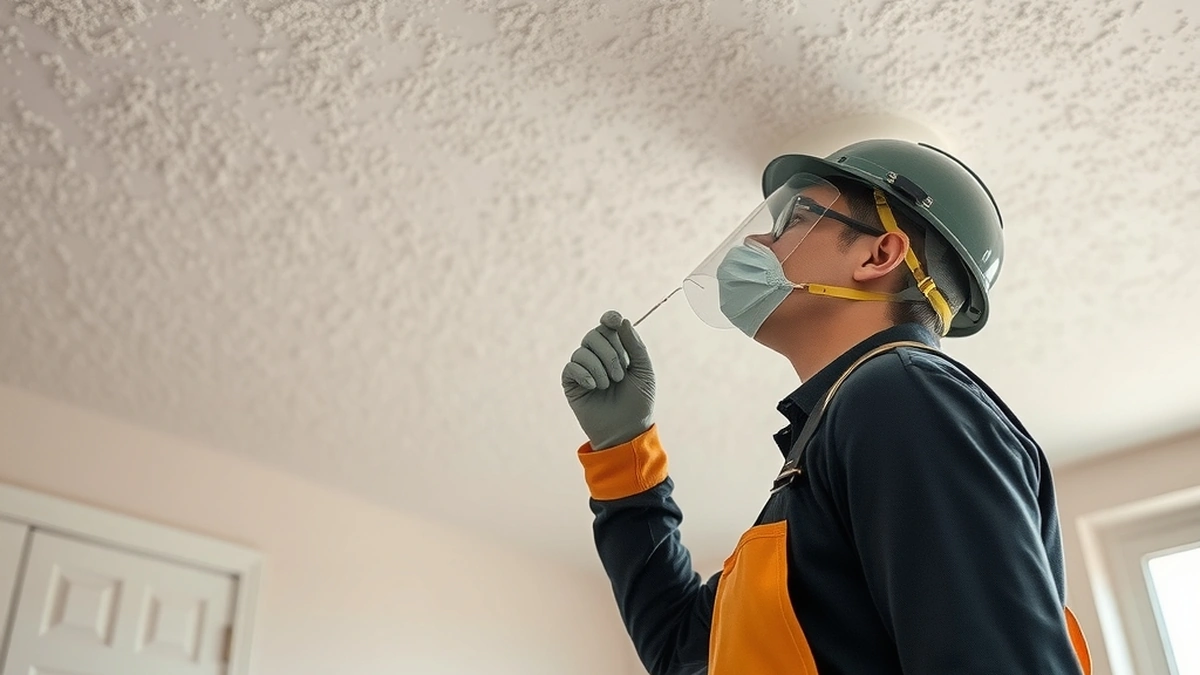
If your ceiling was installed before the 1980s and you plan work that could disturb it, testing is the only reliable way to determine whether asbestos is present. A professional collects small samples and sends them to a laboratory for analysis.
Bulk testing typically costs about $50–$150 per sample. A full asbestos survey, which may include multiple rooms and material types, often ranges from $300–$800 depending on property size and scope. These figures are estimates and can vary by location and contractor.
Testing before renovation prevents accidental contamination. If a ceiling contains asbestos and is disturbed without controls, fibers can spread through HVAC systems, settle on furniture, and require costly cleanup. Containment, negative air pressure, and specialized cleaning may be needed, which is far more expensive than testing upfront.
For more on how testing fits into the overall process, see our comparison of asbestos removal versus asbestos testing.
Know Your Professional Options
If testing confirms asbestos, you generally have two main paths: removal or encapsulation. Removal eliminates the material but is more disruptive and expensive. Encapsulation seals the material in place with a specialized coating or barrier, leaving it intact but inaccessible.
Abatement is typically estimated at $20–$50 per square foot. For example, a 12-foot by 14-foot room contains 168 square feet of ceiling. At $20 per square foot, the low estimate is $3,360. At $50 per square foot, the high estimate is $8,400. These are estimates; actual quotes depend on ceiling height, access, disposal fees, and local labor rates.
Encapsulation usually costs about $5–$15 per square foot. Using the same 168-square-foot room, the low estimate is $840 and the high estimate is $2,520. Encapsulation is not appropriate for every situation, especially if the ceiling is already damaged or if future renovation will require removal anyway.
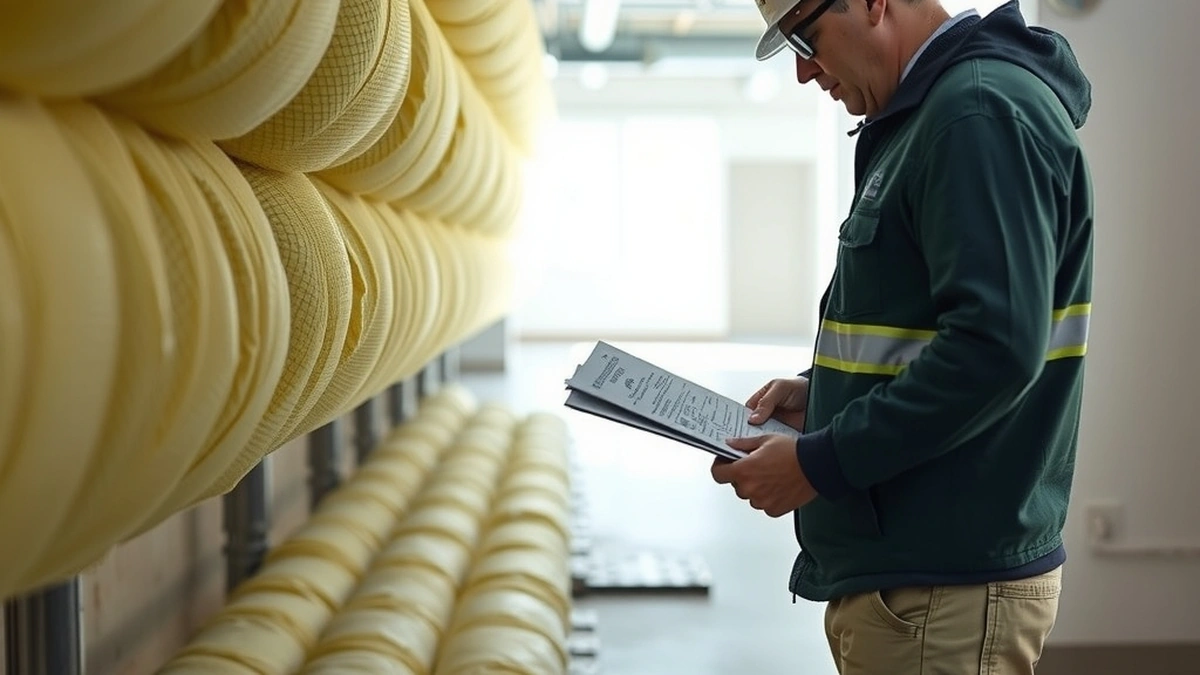
Other asbestos-related tasks carry different pricing. Pipe insulation removal is typically estimated at $25–$75 per linear foot. Floor tile removal is typically estimated at $10–$25 per square foot. These figures show that costs vary widely by material and location, so a site-specific quote is essential.
For detailed pricing context, review our guide to asbestos removal cost per square foot and our overview of how much asbestos removal costs.
Plan the Room and Budget Carefully
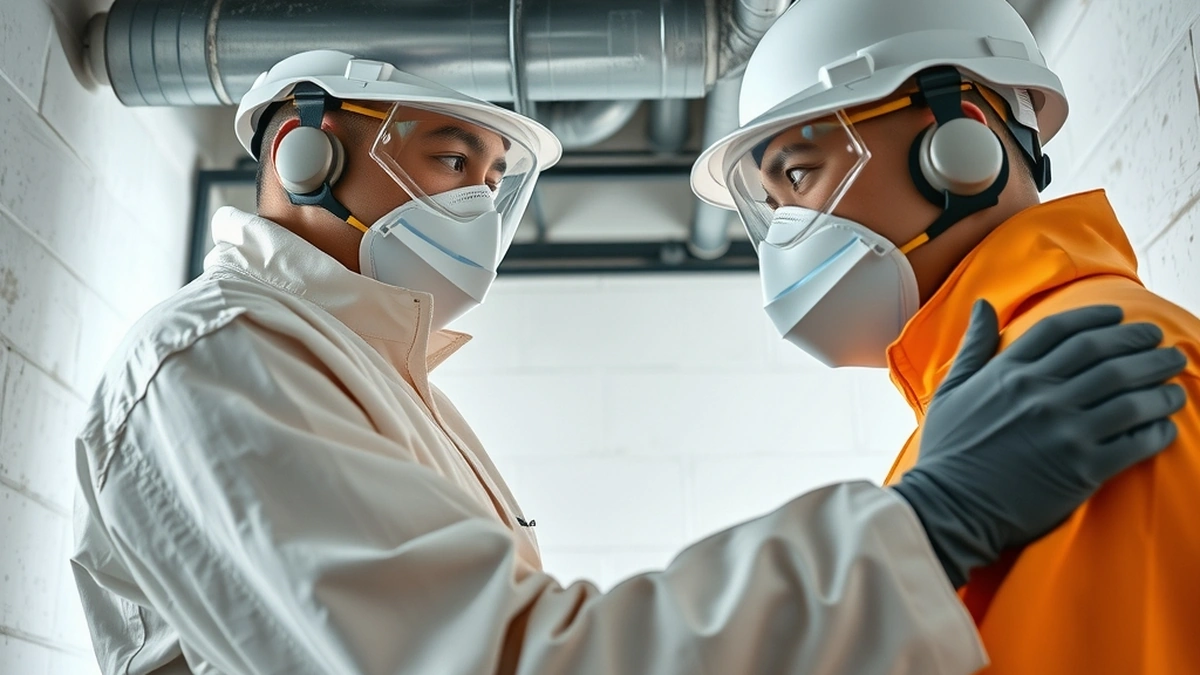
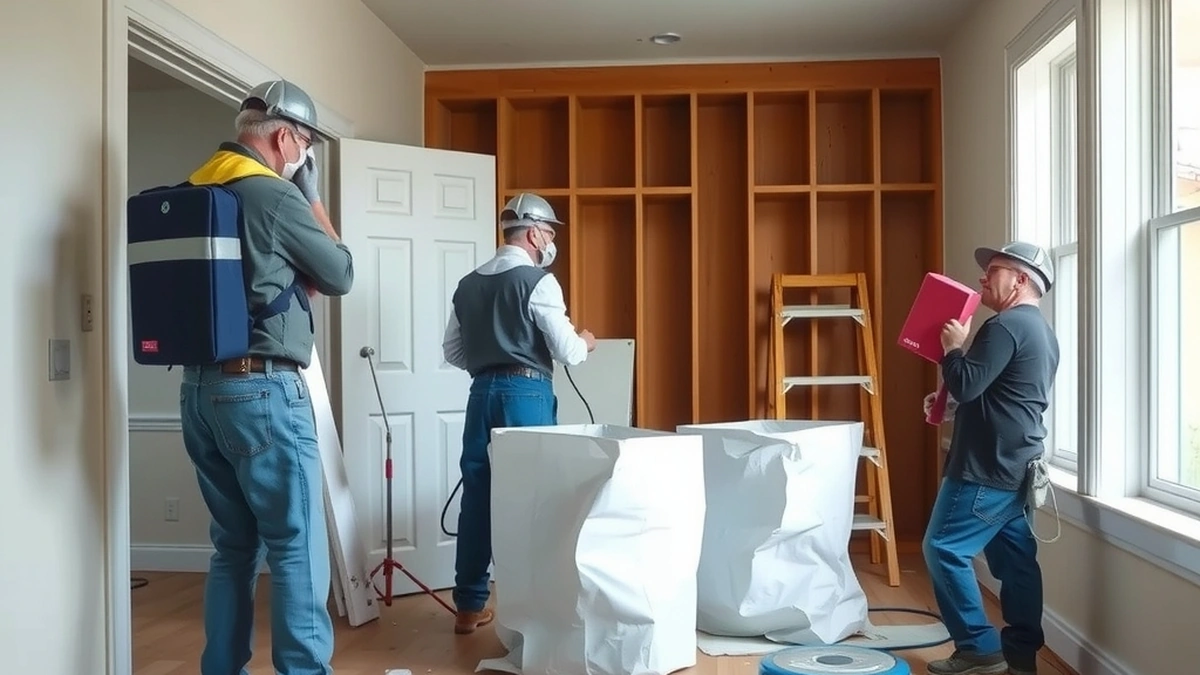
Before work begins, clear the room of furniture, rugs, and personal items if possible. Seal off HVAC vents in the area and ask the contractor about containment procedures. Professional abatement crews typically use plastic sheeting, negative air machines, and HEPA filtration to keep fibers from spreading.
Disposal is part of the cost. Asbestos waste must be bagged, labeled, and transported to an approved facility. Do not place asbestos debris in household trash or construction dumpsters. Improper disposal can create environmental hazards and legal liability.
Budgeting should include testing, abatement or encapsulation, disposal, and ceiling refinishing. After removal, the ceiling will need patching, sanding, priming, and painting or a new texture. Encapsulation may allow the existing finish to remain, but the encapsulant itself may change the ceiling’s appearance.
If you are repairing rather than removing a damaged section, our asbestos removal repair page explains what professional repair typically involves.
Maintain the Ceiling After Treatment
Once a popcorn ceiling has been tested, encapsulated, or removed, ongoing maintenance helps prevent future problems. Inspect the ceiling annually for cracks, water stains, peeling, or sagging. Address roof leaks and plumbing issues immediately to keep the surface dry.
If the ceiling was encapsulated, avoid hanging objects or performing work that could puncture the sealant. If the ceiling was removed and replaced, the new finish should be asbestos-free, but keep records of the abatement report and clearance testing for future buyers or contractors.
For homes with multiple suspect materials, such as pipe insulation or floor tiles, consider a broader maintenance plan. Our asbestos removal maintenance page covers ongoing care for properties with legacy asbestos materials.
When to Call a Professional
Call a licensed asbestos professional if:
- Your home was built before the 1980s and the ceiling texture is damaged.
- You plan renovation, demolition, or ceiling-mounted fixture installation.
- You notice water stains, sagging, or crumbling texture.
- You want confirmation of whether asbestos is present.
Do not attempt DIY removal of friable asbestos material. Disturbing it without containment and protective equipment can expose everyone in the home and contaminate the structure. Professional testing and abatement are the safest preventive measures.
For guidance on whether professional involvement is warranted in your situation, see our asbestos removal installation page.
Conclusion
Preventing popcorn ceiling problems means leaving intact texture undisturbed, testing before renovation, and hiring qualified professionals for any removal or encapsulation. Testing typically costs about $50–$150 per sample, while surveys often range from $300–$800. Abatement is generally estimated at $20–$50 per square foot, and encapsulation at $5–$15 per square foot. These are estimates, and actual costs depend on your home and location. Treat any suspect ceiling as potentially hazardous until laboratory results say otherwise, and never attempt DIY removal of friable material.
Next, compare how much does asbestos removal cost, asbestos removal installation, asbestos removal repair before you commit.
Frequently asked questions
What is a popcorn ceiling?
A popcorn ceiling is a spray-applied textured finish common in homes built roughly between the 1950s and 1980s, sometimes containing asbestos.
How do I know if my popcorn ceiling has asbestos?
You cannot tell by looking; only laboratory analysis of a collected sample can confirm whether asbestos fibers are present.
Can I remove a popcorn ceiling myself?
DIY removal of friable asbestos material is strongly discouraged because disturbing it can release hazardous fibers into your home.
How much does asbestos testing cost?
Bulk sampling typically runs about $50–$150 per sample, while a full survey often costs $300–$800 depending on property size.
What does abatement cost per square foot?
Professional asbestos abatement is generally estimated at $20–$50 per square foot, though actual prices vary by location and scope.
Is encapsulation an option for popcorn ceilings?
Encapsulation can seal the material in place and usually costs about $5–$15 per square foot, but it must be done by qualified professionals.
Sources
Some links are affiliate links.If you buy through them we may earn a commission at no extra cost to you. We do not accept payment for rankings. Read the full disclosure.