Pipe Insulation: Repair Options
Explore repair options for asbestos pipe insulation, including encapsulation, enclosure, and removal costs.
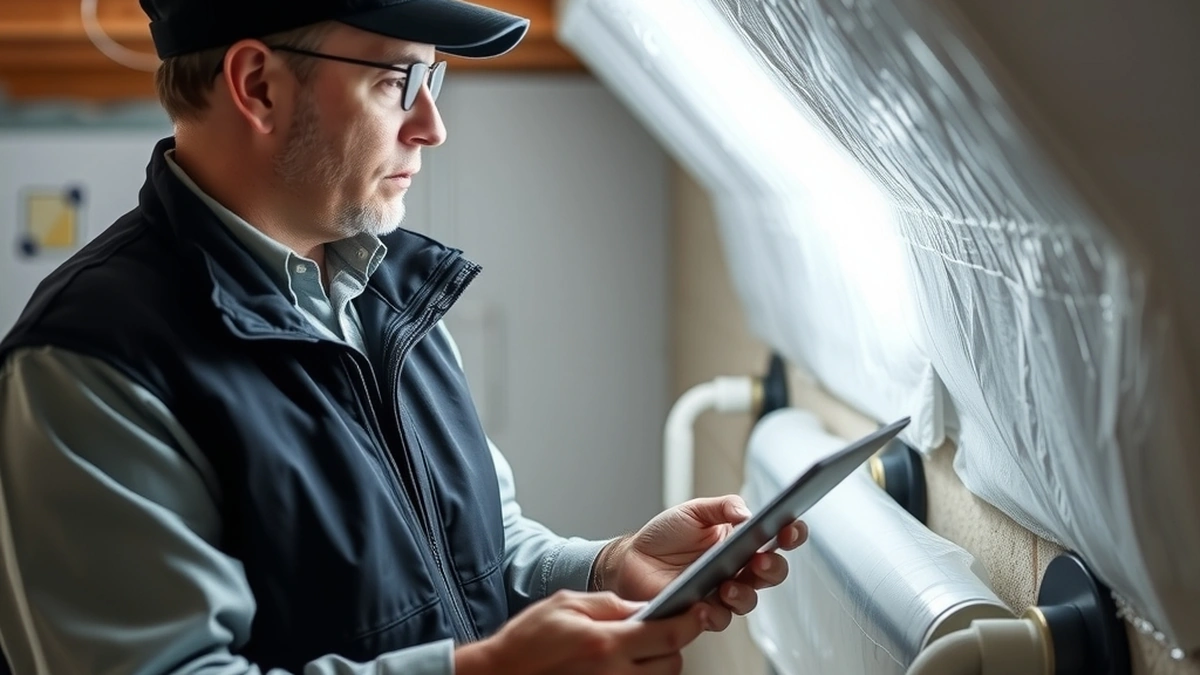
Repair options include encapsulation, enclosure, or removal by a licensed asbestos abatement contractor. Never disturb friable pipe insulation yourself.
- Typical survey cost
- $300–$800
- Encapsulation cost
- $5–$15 per sq ft
- Pipe insulation removal cost
- $25–$75 per linear ft
- Bulk testing cost
- $50–$150 per sample
Some links on this page are affiliate links.If you buy through them we may earn a commission at no extra cost to you. We do not accept payment for rankings. Read the full disclosure.
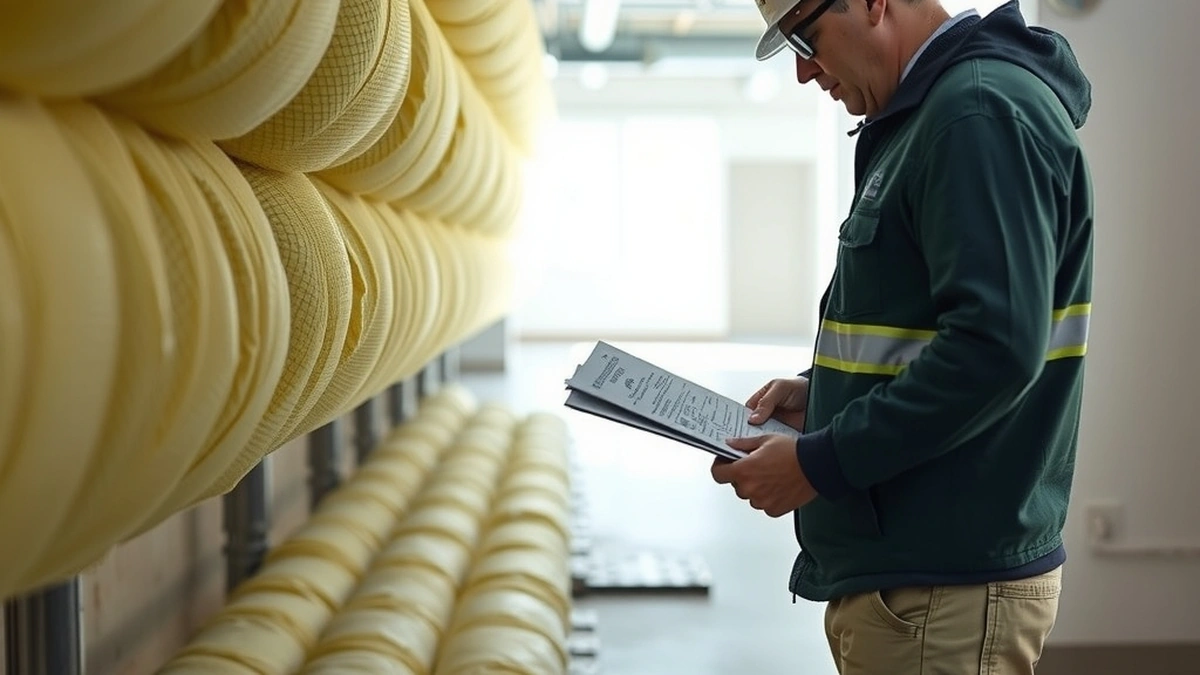
Pipe insulation: repair options depend on whether the material contains asbestos, its condition, and whether it is friable. If asbestos is confirmed, acceptable paths generally include encapsulation, enclosure, or removal by a licensed abatement contractor. Property owners should not attempt to disturb or repair friable pipe insulation on their own.
Start With Testing and a Survey
Before any repair decision, the material must be tested. A licensed inspector collects bulk samples and sends them to a lab. Bulk testing typically ranges from $50–$150 per sample. If multiple areas are involved, a full asbestos survey often costs $300–$800, depending on building size and sample count.
Testing results determine whether the pipe insulation is asbestos-containing material (ACM) and whether it is friable. Friable material can be crumbled by hand pressure and releases fibers more easily when disturbed. Non-friable ACM is more resistant, but it can still become hazardous if cut, sanded, or damaged.
Option 1: Encapsulation
Encapsulation involves applying a sealant or binding agent to the surface of asbestos pipe insulation so fibers cannot become airborne. It does not remove the asbestos; it locks it in place. This option is generally considered when the insulation is intact and not damaged.
Estimated encapsulation costs run about $5–$15 per sq ft. For example, if a basement contains 100 sq ft of insulated pipe runs, encapsulation might cost roughly $500–$1,500. These figures are estimates and vary by contractor, location, and access conditions.
Encapsulation is not appropriate for insulation that is already damaged, water-stained, or falling off the pipe. Once encapsulated, the material must be monitored over time. If the sealant cracks or peels, the asbestos underneath may be exposed again.
Option 2: Enclosure
Enclosure means building a permanent barrier around the asbestos pipe insulation, such as a sealed box or cover, to prevent contact and fiber release. The asbestos remains in place, but it is physically isolated from building occupants.
This approach is often used in mechanical rooms or crawl spaces where pipes run through areas with limited access. Like encapsulation, enclosure does not eliminate asbestos. It requires clear labeling, access restrictions, and ongoing inspections to make sure the barrier remains intact.
Costs for enclosure depend on materials and labor, and are usually quoted per project rather than per square foot. Property owners should request a written scope that specifies how the enclosure will be sealed, ventilated if needed, and maintained.
Option 3: Removal and Abatement
Full removal is the only option that permanently eliminates asbestos pipe insulation from the building. Licensed abatement contractors isolate the work area, use negative pressure and HEPA filtration, remove the insulation wet, and dispose of it as asbestos waste.
Pipe insulation removal is typically priced by linear foot rather than square foot. Estimated costs are $25–$75 per linear ft. For example, removing 40 linear feet of insulated pipe at $40 per linear ft would equal approximately $1,600. At $60 per linear ft, the same 40 linear feet would cost about $2,400. These are estimates; actual quotes depend on pipe diameter, insulation thickness, accessibility, and disposal fees.
Removal is usually recommended when insulation is damaged, friable, or when renovation work will inevitably disturb it. It is also the only choice if the property owner wants the asbestos gone completely rather than managed in place.
Cost Comparison Table
The table below shows estimated cost ranges for common asbestos-related services. These are national estimates and should not be treated as firm quotes.
| Service | Estimated Cost | Unit |
|---|---|---|
| Bulk testing | $50–$150 | per sample |
| Asbestos survey | $300–$800 | per survey |
| Encapsulation | $5–$15 | per sq ft |
| Pipe insulation removal | $25–$75 | per linear ft |
| Floor tile removal | $10–$25 | per sq ft |
| General abatement | $20–$50 | per sq ft |
For context, if a contractor quotes $35 per linear ft for pipe insulation removal and the job involves 60 linear feet, the removal subtotal would be approximately $2,100 before disposal, mobilization, or clearance testing.
Choosing the Right Repair Path
The decision among encapsulation, enclosure, and removal depends on several factors:
- Condition of the insulation: Damaged or friable material usually points toward removal.
- Location: Pipes in occupied areas may need removal; pipes in restricted mechanical spaces might be candidates for enclosure.
- Future plans: If walls or ceilings will be opened during renovation, removal may be more practical than managing ACM around future work.
- Budget: Encapsulation and enclosure often cost less upfront than removal, but they carry long-term monitoring responsibilities.
A licensed asbestos inspector or abatement contractor can assess the site and recommend a compliant approach. Property owners can review general cost guidance at /asbestos-removal-cost-per-square-foot/ and learn about the distinction between testing and abatement at /asbestos-removal-vs-asbestos-testing/.
Legal and Safety Considerations
Asbestos work in the United States is regulated by federal agencies including the EPA and OSHA, and many states have additional licensing and notification requirements. Abatement contractors should be properly licensed, carry insurance, and follow work practices that protect workers and occupants.
Clearance testing after removal confirms that the area meets re-occupancy standards. Property owners should keep records of surveys, abatement work orders, waste manifests, and clearance reports. These documents matter during real estate transactions and insurance claims.
Maintenance After Repair
If asbestos pipe insulation is encapsulated or enclosed rather than removed, it becomes part of the building’s ongoing asbestos management plan. Regular inspections should check for damage, moisture, or deterioration. Any disturbance—such as a pipe leak or accidental impact—requires immediate evaluation by a professional.
More information about maintaining asbestos-containing materials in place is available at /asbestos-removal-maintenance/. Property owners considering whether removal or repair fits their situation can also review general removal guidance at /asbestos-removal-installation/.
Never attempt DIY repair on friable asbestos pipe insulation. Disturbing the material can release microscopic fibers that remain airborne for hours and settle on surfaces throughout the building. Licensed contractors have the training, equipment, and waste-handling procedures required to manage asbestos safely.
Next, compare how much does asbestos removal cost, asbestos removal installation, asbestos removal repair before you commit.
Frequently asked questions
What are the repair options for asbestos pipe insulation?
Common options include encapsulation, enclosure, and full removal by a licensed asbestos abatement contractor.
Can I repair asbestos pipe insulation myself?
No. Disturbing friable asbestos pipe insulation can release fibers; repairs should be handled by licensed professionals.
How much does encapsulation cost?
Encapsulation is estimated at $5–$15 per sq ft, depending on material and site conditions.
How much does pipe insulation removal cost?
Removal is estimated at $25–$75 per linear ft for asbestos pipe insulation.
Is testing required before repair?
Yes. Bulk sampling typically costs $50–$150 per sample to confirm whether asbestos is present.
What is the difference between repair and abatement?
Repair may mean encapsulation or enclosure, while abatement usually refers to full removal and disposal.
Sources
Some links are affiliate links.If you buy through them we may earn a commission at no extra cost to you. We do not accept payment for rankings. Read the full disclosure.