Pipe Insulation: How to Prevent Asbestos Exposure
Learn how to prevent asbestos risks from pipe insulation through testing, encapsulation, and professional abatement without DIY removal.
Prevent asbestos pipe insulation hazards by identifying suspect material, scheduling professional testing, and using encapsulation or licensed abatement rather than DIY removal.
- Risk level
- High if friable and damaged
- Bulk testing cost
- $50–$150 per sample
- Asbestos survey cost
- $300–$800
- Pipe insulation removal cost
- $25–$75 per linear foot
- Encapsulation cost
- $5–$15 per square foot
Some links on this page are affiliate links.If you buy through them we may earn a commission at no extra cost to you. We do not accept payment for rankings. Read the full disclosure.
Pipe insulation installed before the 1980s may contain asbestos, and preventing exposure starts with leaving suspect material undisturbed. If the insulation is damaged, friable, or located where renovation could disturb it, the safest prevention path is professional testing followed by encapsulation or abatement by licensed contractors. Do not attempt to remove friable asbestos pipe insulation yourself.
Why Older Pipe Insulation Matters
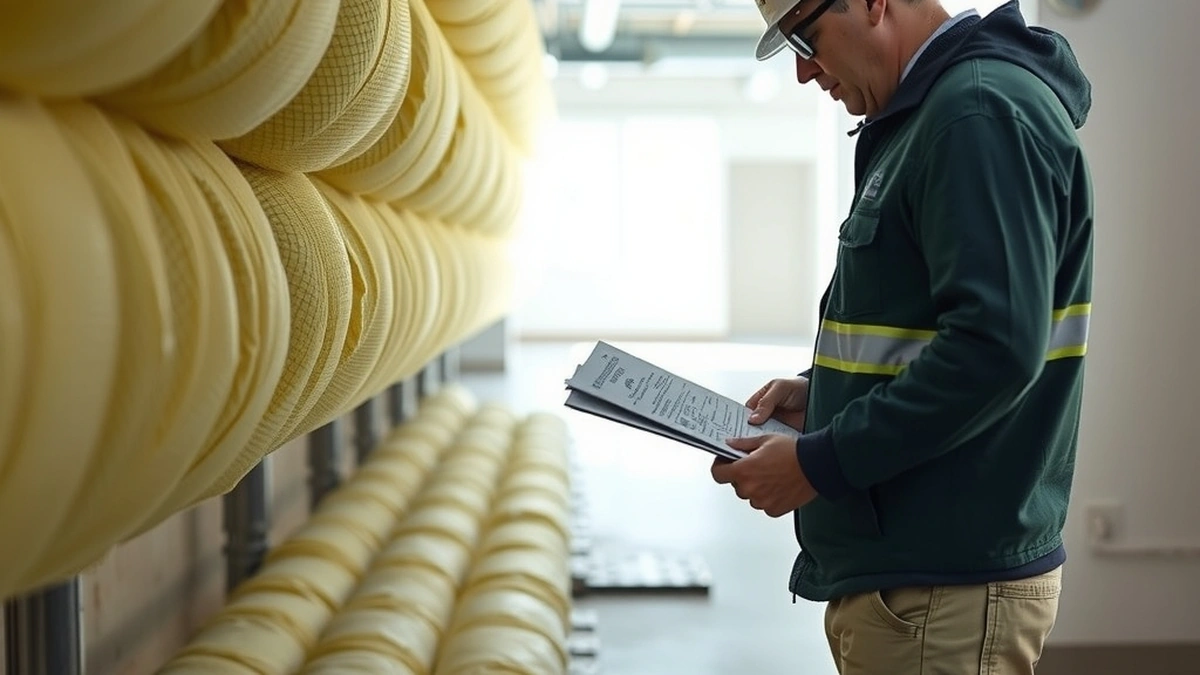
Asbestos was commonly added to pipe insulation because it resists heat and fire. In homes and commercial buildings constructed before the 1980s, asbestos-containing insulation often wrapped steam pipes, hot water pipes, and boiler lines. When the material remains intact and undisturbed, it generally poses a low immediate risk. The danger arises when insulation becomes friable, meaning it can be crumbled by hand pressure, or when it is cut, scraped, or broken during repairs.
Damaged insulation can release microscopic asbestos fibers into the air. Once inhaled, these fibers can lodge in lung tissue and contribute to serious health conditions over time. Prevention focuses on identifying where asbestos pipe insulation exists, assessing its condition, and controlling access so fibers never become airborne.
Identify Suspect Pipe Insulation Before Acting
You cannot tell whether pipe insulation contains asbestos by looking at it alone. Older insulation may appear as white or gray corrugated paper wrap, muddy paste on pipe joints, or pre-formed sections around elbows and valves. Because visual identification is unreliable, treat any insulation installed before 1980 as potentially asbestos-containing until proven otherwise.
The first prevention step is a professional asbestos survey. A qualified inspector locates suspect materials, evaluates their condition, and collects samples for laboratory analysis. Bulk testing typically costs $50–$150 per sample. A full property survey usually ranges from $300–$800, depending on square footage and the number of systems inspected. These figures are estimates and vary by region and contractor.
If you are planning a renovation that will expose pipes in walls, ceilings, or crawlspaces, schedule testing before demolition begins. Disturbing insulation without knowing its composition can contaminate the work area and require costly cleanup.
Control Access and Prevent Disturbance
Until testing confirms whether asbestos is present, restrict access to areas with exposed pipe insulation. Basements, boiler rooms, and utility closets should remain closed to children, pets, and untrained personnel. Do not use the space for storage if pipes are wrapped in deteriorating material.
Prevention also means avoiding activities that can damage insulation:
- Do not drill into walls or ceilings near insulated pipes.
- Do not wrap new materials over old insulation without confirming its composition.
- Do not attempt to clean dust or debris from insulated pipes with a household vacuum.
- Do not allow maintenance staff to cut or remove insulation without proper training and equipment.
If insulation is damaged, isolate the area and contact a licensed asbestos professional. Turning off HVAC systems in the affected zone can help limit the spread of fibers while you wait for an inspection.
Understand Your Prevention Options
Once testing confirms asbestos, you generally have two main paths: encapsulation or removal. The right choice depends on the condition of the insulation, its location, and your long-term plans for the building.
Encapsulation
Encapsulation involves applying a sealant or protective jacket over asbestos-containing insulation so fibers cannot escape. It is often appropriate when the material is in good condition and not likely to be disturbed. Encapsulation typically costs $5–$15 per square foot, though pricing varies by material and accessibility.
Encapsulation does not remove asbestos. It manages the material in place, which means future renovations or damage will still require professional handling. Building owners must maintain records of encapsulated areas and inform contractors before any work nearby.
Removal
Abatement removes asbestos pipe insulation entirely. Licensed contractors use containment, negative air pressure, HEPA filtration, and specialized tools to extract the material without releasing fibers. Pipe insulation removal generally costs $25–$75 per linear foot. For comparison, general asbestos abatement can run $20–$50 per square foot, and floor tile removal typically costs $10–$25 per square foot.
Here is a cost comparison for a hypothetical 40 linear foot run of basement pipe insulation:
- Testing: 3 samples at $100 each equals $300
- Encapsulation estimate: 40 square feet at $10 per square foot equals $400
- Removal estimate: 40 linear feet at $50 per linear foot equals $2,000
These numbers are illustrative estimates. Actual quotes depend on local labor rates, disposal fees, and site conditions. Removal is usually the more permanent solution, while encapsulation may be less disruptive in the short term.
Hire Licensed Professionals Only
Asbestos abatement is not a DIY task. Federal regulations under the EPA and OSHA establish training, licensing, and work practice requirements for asbestos professionals. Many states and localities impose additional rules for notification, transport, and disposal. Using an unlicensed contractor or attempting removal yourself can violate these regulations and create hazardous exposure.
When selecting a company, verify licensing, insurance, and references. Ask about containment procedures, air monitoring, and clearance testing after abatement. Clearance testing confirms that the area meets safety standards before reoccupation. For more information on professional services, review our guides on asbestos removal installation and asbestos removal repair.
Integrate Prevention Into Maintenance
Preventing asbestos hazards from pipe insulation is an ongoing responsibility, not a one-time fix. Include insulated pipes in routine building inspections. Look for signs of water damage, physical impact, or deterioration on insulation jackets. If pipes are located in areas with high moisture or temperature fluctuation, check them more frequently.
Maintenance staff should receive asbestos awareness training so they recognize suspect materials and know when to stop work. Keep an inventory of tested areas, sampling results, and abatement records. This documentation protects occupants and helps contractors avoid accidental disturbance during future projects.
For ongoing building care, our asbestos removal maintenance resource outlines how to manage known asbestos materials safely over time.
Testing Versus Abatement: Know the Difference
Property owners sometimes confuse asbestos testing with abatement. Testing identifies whether asbestos is present and where it is located. Abatement removes or encapsulates the material. Both are part of a prevention strategy, but they serve different purposes.
If you suspect asbestos pipe insulation but have not confirmed it, start with testing. Bulk sampling costs $50–$150 per sample, and a survey costs $300–$800. If results are positive, a licensed abatement contractor can recommend encapsulation or removal based on the material’s condition. For a detailed breakdown of how these services differ, see our comparison of asbestos removal versus asbestos testing.
Long-Term Prevention Checklist
Preventing exposure from asbestos pipe insulation requires consistent action. Use this checklist to reduce risk:
- Assume pre-1980 pipe insulation contains asbestos until testing proves otherwise.
- Schedule a professional asbestos survey before renovations or repairs near insulated pipes.
- Keep damaged or deteriorating insulation undisturbed and restrict access to the area.
- Choose encapsulation for stable material or removal for damaged or high-risk insulation.
- Hire only licensed asbestos abatement contractors for any removal or encapsulation work.
- Maintain records of test results, abatement reports, and clearance testing.
- Train maintenance personnel to recognize suspect materials and stop work when needed.
Following these steps helps ensure that asbestos fibers stay bound in the insulation and out of the air you breathe. If you need help finding qualified professionals, our directory of best asbestos removal services can connect you with vetted providers in your area.
When to Avoid DIY Entirely
Some homeowners consider removing pipe insulation themselves to save money. This is strongly discouraged for friable asbestos material. Disturbing asbestos without containment, negative pressure, and proper disposal can contaminate an entire home. Cleanup costs often far exceed the price of professional abatement, and the health risk to occupants is significant.
Non-friable materials in good condition may sometimes be managed in place, but even then, only a licensed professional should make that determination. Never sand, saw, break, or scrape suspected asbestos pipe insulation. For more on why DIY approaches are unsafe, read our overview of DIY asbestos removal.
Final Thoughts
Preventing asbestos exposure from pipe insulation comes down to identification, restraint, and professional intervention. Leave suspect material alone, test before you disturb, and rely on licensed contractors for encapsulation or abatement. Costs such as $50–$150 per sample for testing, $300–$800 for surveys, and $25–$75 per linear foot for pipe insulation removal are estimates, but they illustrate why prevention through planning is less expensive than emergency cleanup after exposure.
If you own or manage a building with older piping, schedule an inspection today. Knowing what is behind the walls and around the pipes is the first step toward keeping everyone safe.
Next, compare how much does asbestos removal cost, asbestos removal installation, asbestos removal repair before you commit.
Frequently asked questions
What is pipe insulation asbestos prevention?
Prevention means identifying suspect pipe insulation, avoiding disturbance, and using testing, encapsulation, or professional abatement to stop fiber release.
Can I remove asbestos pipe insulation myself?
No. DIY removal of friable asbestos pipe insulation is unsafe and can release hazardous fibers into your home air.
How much does asbestos pipe insulation testing cost?
Bulk sampling typically costs $50–$150 per sample, while a full asbestos survey ranges from $300–$800 depending on property size.
What does professional pipe insulation removal cost?
Licensed abatement for asbestos pipe insulation generally runs $25–$75 per linear foot, depending on access and condition.
Is encapsulation an option for pipe insulation?
Yes. Encapsulation seals the material in place and usually costs $5–$15 per square foot, but only a professional should apply it.
Which agencies regulate asbestos pipe insulation?
The EPA and OSHA set federal rules for asbestos handling, while state and local agencies may add licensing and disposal requirements.
Sources
Some links are affiliate links.If you buy through them we may earn a commission at no extra cost to you. We do not accept payment for rankings. Read the full disclosure.