Floor Tiles and Mastic: How to Prevent It
Learn how to prevent asbestos exposure from old floor tiles and mastic, including testing, encapsulation, and professional abatement options.
Prevent exposure by leaving intact asbestos floor tiles and mastic undisturbed, testing before renovation, and hiring licensed professionals for removal or encapsulation.
- Typical bulk testing cost
- $50–$150 per sample
- Asbestos survey cost
- $300–$800
- Floor tile removal cost
- $10–$25 per sq ft
- Encapsulation cost
- $5–$15 per sq ft
Some links on this page are affiliate links.If you buy through them we may earn a commission at no extra cost to you. We do not accept payment for rankings. Read the full disclosure.
Floor tiles and mastic: how to prevent it starts with leaving the material alone. Intact asbestos-containing floor tile and mastic generally do not release fibers when they remain undisturbed. Prevention means testing before renovation, avoiding sanding or scraping, and using licensed professionals for any removal or encapsulation work.
Many homes and commercial buildings constructed before the 1980s contain vinyl floor tiles and black mastic adhesive made with asbestos. The material was valued for durability and fire resistance, but aging floors can become a hazard during remodels. Property owners need a clear prevention strategy that prioritizes testing, containment, and professional abatement over do-it-yourself removal.
Identify the Risk Before Disturbing Anything
The first step in prevention is determining whether your floor tiles or mastic contain asbestos. You cannot tell by looking. Vinyl tiles, sheet flooring backing, and black cut-back mastic installed before the 1980s are common suspects, but only laboratory analysis can confirm it.
A licensed asbestos inspector collects bulk samples and submits them for testing. Bulk testing typically costs $50–$150 per sample. If you are planning a whole-floor assessment, an asbestos survey often runs $300–$800 depending on the size of the property and the number of areas sampled. These are estimates, and actual prices vary by location and contractor.
Do not scrape, sand, drill, or break up suspect flooring before testing. Disturbing asbestos-containing mastic or tile can release microscopic fibers into the air, where they can be inhaled and settle throughout the building.
Keep Intact Flooring in Place
When asbestos floor tile and mastic are in good condition, the safest prevention method is often to leave them undisturbed. Intact, non-friable vinyl tile bonded with mastic is unlikely to release fibers under normal foot traffic.
If you want to update the appearance without removing the old floor, covering it with new flooring may be an option. This approach avoids disturbing the asbestos-containing material, but it should only be done after confirming the existing tile is sound and well-adapted. A professional can evaluate whether the subfloor and tile condition support an overlay.
Remember that covering the material does not remove it. Future renovations, water damage, or demolition will still require proper asbestos handling. Keep records of where asbestos-containing flooring exists so contractors and future owners are aware.
Consider Encapsulation for Stable Surfaces
Encapsulation involves applying a sealant or protective coating over asbestos-containing floor tile or mastic to lock fibers in place. It is not removal, but it can be a practical prevention step when the material is intact and you want to reduce the risk of accidental damage.
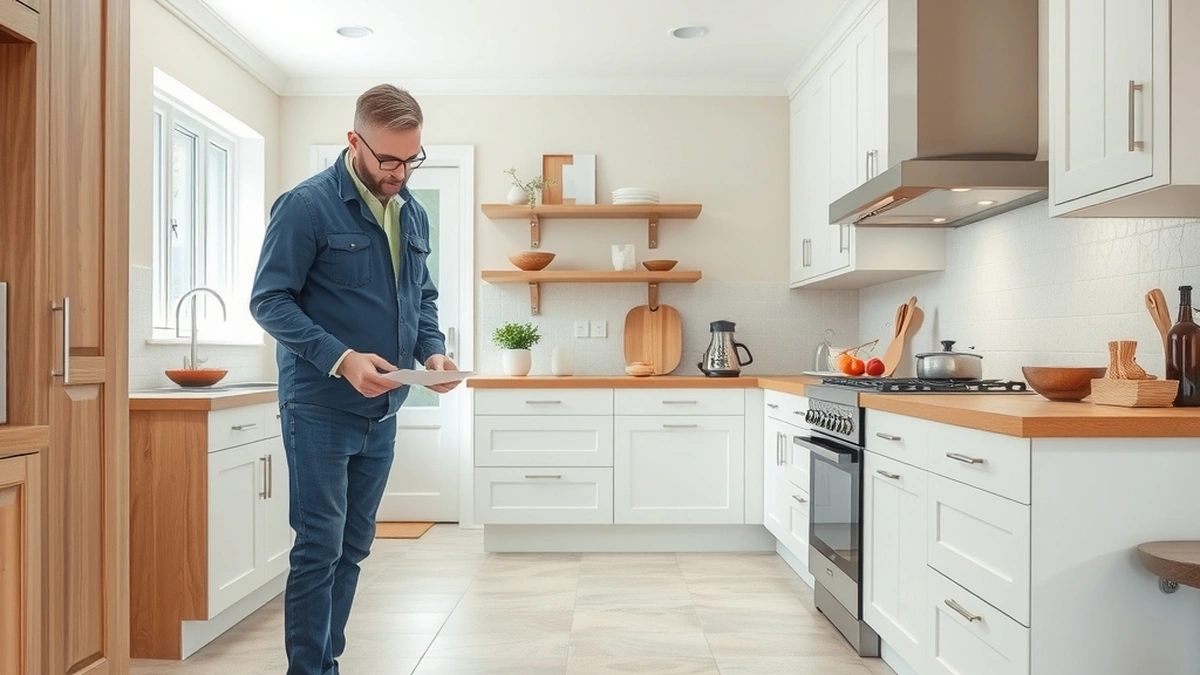
Encapsulation typically costs $5–$15 per sq ft. For example, a 200-square-foot kitchen might cost roughly $1,000 to $3,000 to encapsulate, depending on the product used and local labor rates. These figures are estimates and should be confirmed with a licensed abatement contractor.
Encapsulation is only appropriate when the tile and mastic are not cracked, loose, or crumbling. If the material is already damaged, encapsulation may trap deteriorating material beneath a surface that later fails. A professional assessment determines whether encapsulation or removal is the better choice.
Hire Licensed Professionals for Removal
When floor tile or mastic must come up—because of damage, renovation, or demolition—removal should be performed by licensed asbestos abatement contractors. Professionals use containment barriers, negative air pressure, HEPA filtration, and proper disposal methods to prevent fiber release.
Floor tile removal typically costs $10–$25 per sq ft. For a 300-square-foot area, that works out to roughly $3,000 to $7,500. General asbestos abatement can range from $20–$50 per sq ft depending on the complexity of the job. These are estimates, and site-specific factors such as accessibility, disposal fees, and air monitoring can affect the final price.
Never attempt to remove friable asbestos material yourself. DIY removal can contaminate your home, expose your family, and create hazardous waste that requires special handling. For more context on professional approaches, see our overview of asbestos removal installation and repair options.
Budget for Testing and Abatement
Prevention carries real costs, but they are predictable when you plan ahead. Below is a sample cost breakdown for a hypothetical 250-square-foot room with suspect floor tile and mastic.
| Item | Estimated Cost | Notes |
|---|---|---|
| Bulk testing (3 samples) | $150–$450 | $50–$150 per sample |
| Asbestos survey | $300–$800 | Full-property assessment |
| Encapsulation | $1,250–$3,750 | $5–$15 per sq ft |
| Floor tile removal | $2,500–$6,250 | $10–$25 per sq ft |
| Full abatement | $5,000–$12,500 | $20–$50 per sq ft |
Arithmetic example: If encapsulation costs $10 per sq ft and your room is 250 sq ft, the estimated material and labor cost is $2,500. If removal costs $18 per sq ft, the same room runs about $4,500. Actual quotes vary by region, contractor, and site conditions.
Testing and survey fees are separate from abatement. Budgeting for both ensures you are not surprised when an inspector confirms asbestos and a contractor prices the removal or encapsulation work.
Follow Safe Work Practices During Any Project
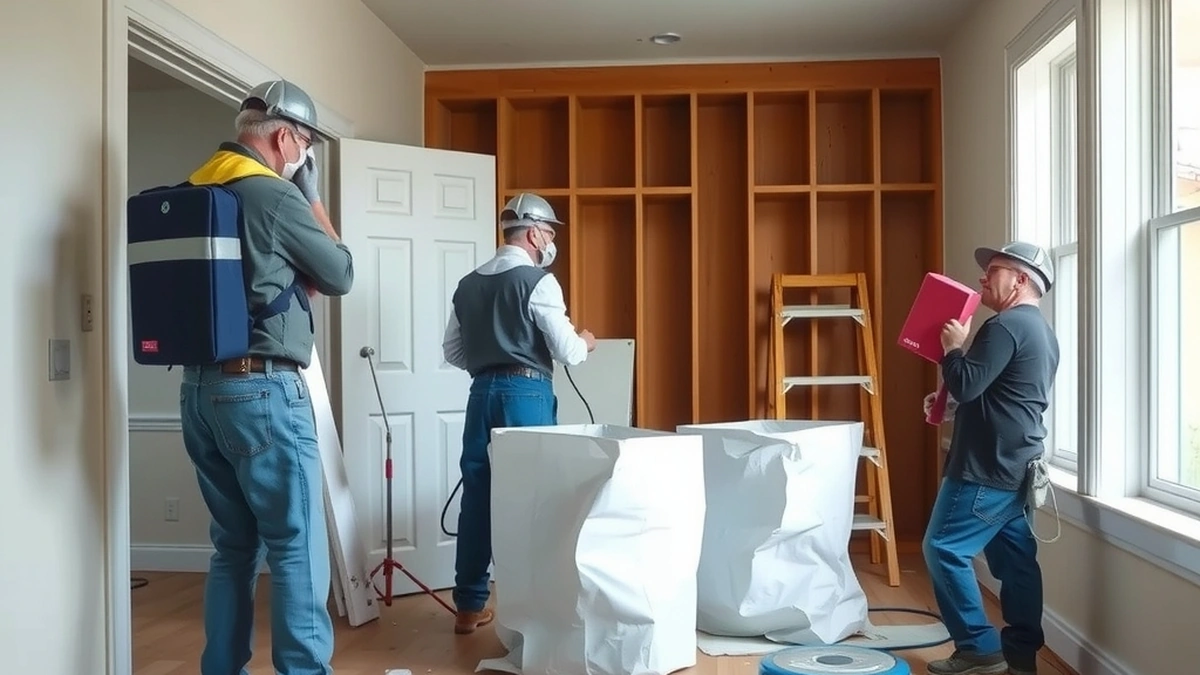
Even when professionals handle asbestos, property owners should understand the safety protocols involved. Abatement crews typically seal off the work area with polyethylene sheeting, use negative air machines with HEPA filters, and wear respirators and disposable coveralls. Waste is wetted, bagged, labeled, and transported to an approved disposal facility.
After removal or encapsulation, clearance testing may be performed to confirm the area is safe for reoccupancy. Air sampling and visual inspections help verify that no visible debris or elevated fiber levels remain.
If you suspect damage to older flooring—water leaks, cracked tiles, or peeling mastic—limit access to the area and contact a professional. Do not sweep or vacuum debris, as household vacuums can spread fibers rather than contain them.
Integrate Prevention Into Maintenance and Renovation
Asbestos prevention is not a one-time event. It should be part of ongoing property maintenance and renovation planning. Before replacing carpet, installing new flooring, or knocking down walls, check whether the underlying tile or mastic contains asbestos.
Routine inspections help identify damaged flooring early. Cracked or loose tiles should be evaluated by an inspector before they worsen. Keeping maintenance records, including test results and abatement reports, protects occupants and supports real estate transactions.
For property owners managing multiple units or commercial spaces, an asbestos management plan can track locations of asbestos-containing materials, schedule re-inspections, and coordinate licensed abatement when needed. Our guide on asbestos removal maintenance explains how to build a long-term prevention strategy.
Know When to Call an Expert
Prevention fails when assumptions replace data. If your building was constructed before the 1980s and you are planning any floor work, treat the tile and mastic as potentially asbestos-containing until proven otherwise. Testing is relatively inexpensive compared to the cost of contamination and cleanup.
Contact a licensed asbestos inspector to collect samples and a licensed abatement contractor for removal or encapsulation. Avoid contractors who offer quick, low-cost removal without containment, testing, or proper disposal. For help comparing service providers, see our resource on asbestos removal versus asbestos testing.
Preventing exposure from floor tiles and mastic comes down to three actions: test before you disturb, leave intact material alone when possible, and rely on licensed professionals for any removal or encapsulation. Those steps protect your property, your budget, and the people who use the space.
Next, compare how much does asbestos removal cost, asbestos removal installation, asbestos removal repair before you commit.
Frequently asked questions
Can I remove old floor tiles myself?
DIY removal of friable asbestos material is not recommended. Disturbing tiles or mastic can release fibers, so licensed abatement professionals should handle removal.
How do I know if my floor tiles contain asbestos?
Visual inspection cannot confirm asbestos. A licensed inspector must collect samples and send them to a lab for bulk testing, typically $50–$150 per sample.
Is encapsulation safer than removal?
Encapsulation seals the material in place and can cost $5–$15 per sq ft, but it is only appropriate when the tile and mastic are intact and undamaged.
What does mastic do?
Mastic is the adhesive used to bond floor tiles to the subfloor, and older formulations often contained asbestos fibers for strength and heat resistance.
How much does professional abatement cost?
Abatement estimates range from $20–$50 per sq ft depending on the scope, while floor tile removal specifically runs about $10–$25 per sq ft.
Should I test before replacing flooring?
Yes. Testing before any renovation prevents accidental disturbance of asbestos-containing tile or mastic and protects occupants from airborne fibers.
Sources
Some links are affiliate links.If you buy through them we may earn a commission at no extra cost to you. We do not accept payment for rankings. Read the full disclosure.