Asbestos Enclosure Maintenance Requirements
How to maintain asbestos enclosures during abatement, including inspection schedules, negative pressure, and regulatory compliance.
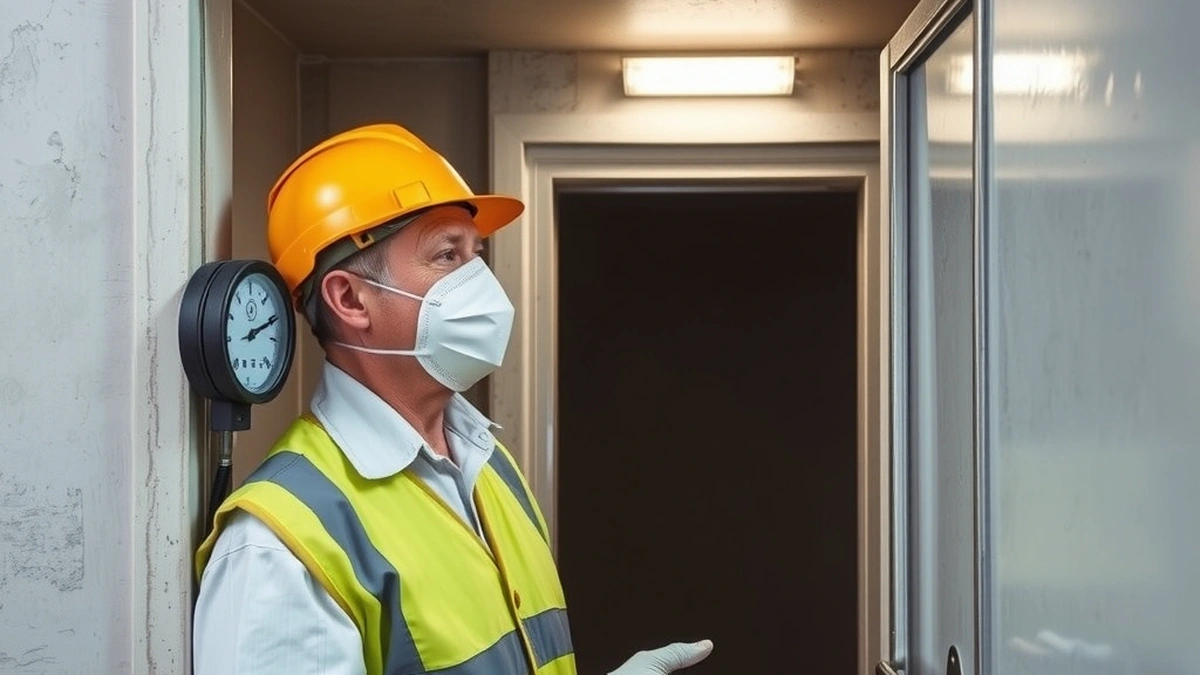
Enclosure maintenance means daily visual inspections, continuous negative pressure monitoring, and immediate repair of breaches to keep asbestos fibers contained during abatement.
- Primary regulatory focus
- OSHA and EPA asbestos work practices
- Inspection frequency
- At least once per work shift
- Negative pressure target
- 0.02 to 0.04 inches of water column
- Typical abatement cost
- $20–$50 per sq ft
Some links on this page are affiliate links.If you buy through them we may earn a commission at no extra cost to you. We do not accept payment for rankings. Read the full disclosure.
Enclosure maintenance is the routine inspection, testing, and repair of asbestos containment barriers during abatement. It keeps negative pressure stable, prevents fiber escape, and supports compliance with OSHA and EPA work practices. Maintenance continues from containment setup until final clearance testing is complete.
Why Enclosure Maintenance Matters
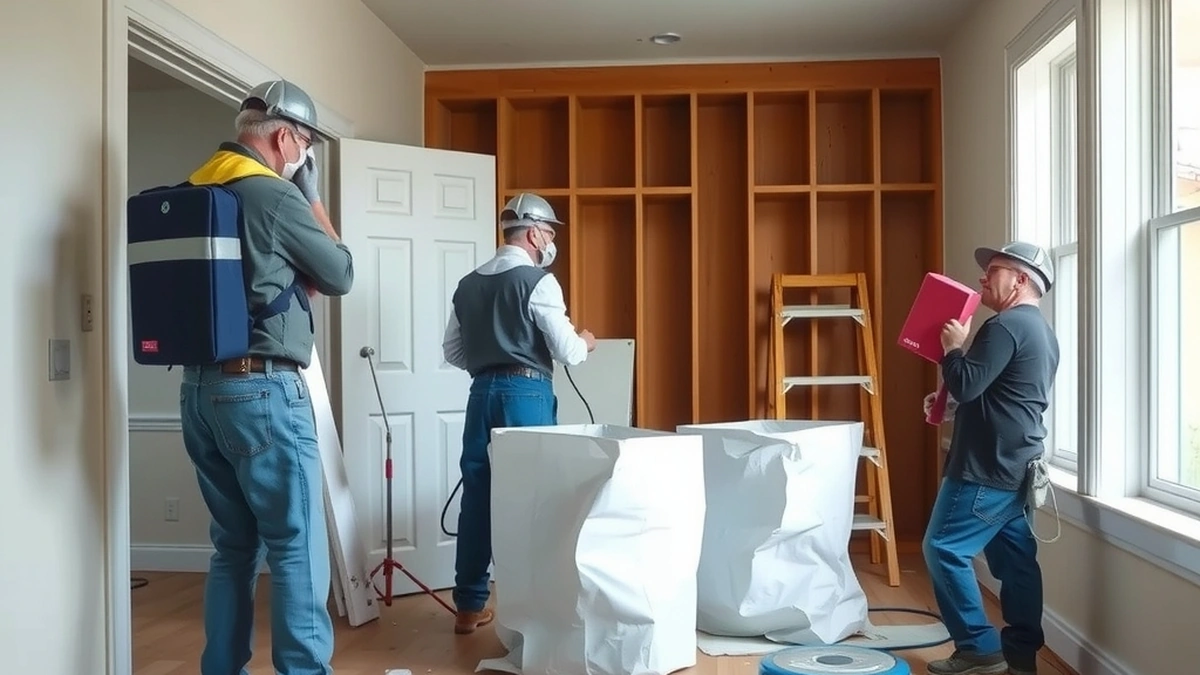
Asbestos enclosures isolate work areas from occupied spaces. Polyethylene sheeting, tape, and rigid barriers form the primary boundary, while HEPA-filtered exhaust units pull air inward to maintain negative pressure. If a seam tears, a zipper door fails, or a pressure differential collapses, fibers can migrate into adjacent rooms.
Maintenance is not optional. Regulatory frameworks treat containment integrity as a core element of asbestos abatement. Daily checks, pressure logs, and immediate breach repairs are standard expectations on regulated projects. Estimates for abatement work generally fall between $20 and $50 per square foot, and enclosure upkeep is part of that scope rather than a separate add-on.
Daily Inspection Routine
A competent person should inspect the enclosure at least once per work shift. The inspection covers:
- Sheeting seams and attachment points to walls, floors, and ceilings
- Entry and exit airlocks, including flap doors and zipper systems
- Negative pressure exhaust units and HEPA filters
- Decontamination unit chambers and shower curtains
- Penetrations for tools, hoses, or power cords
- Waste load-out areas and bagging stations
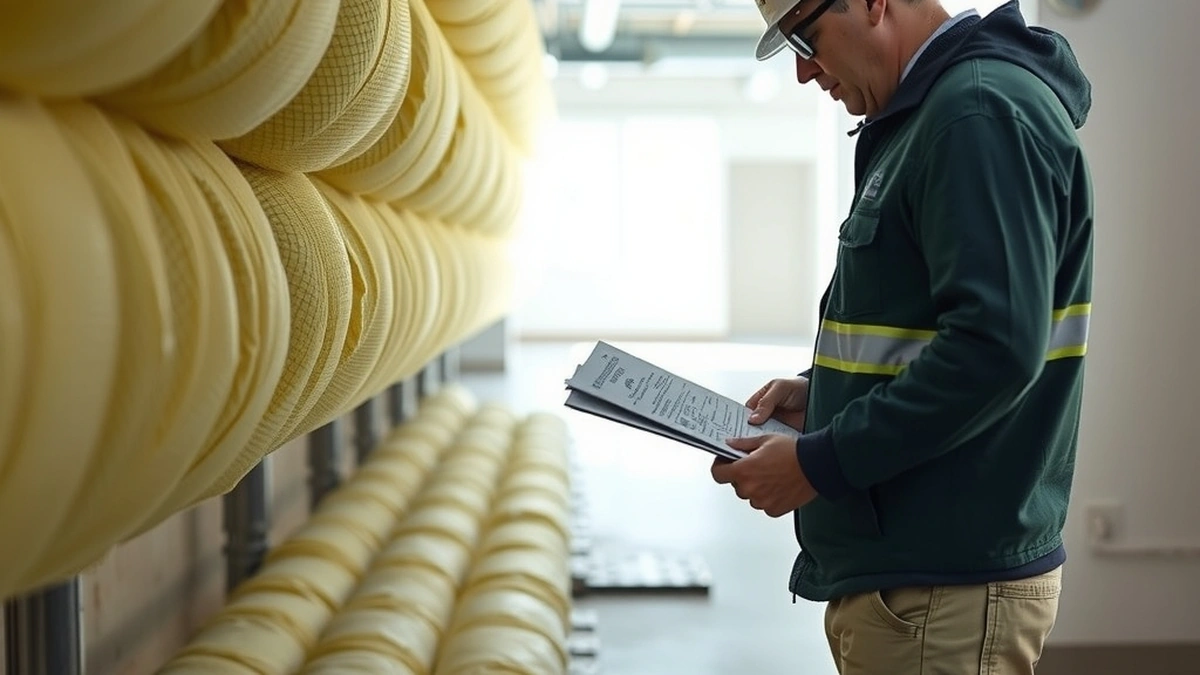
Inspectors look for tears, loose tape, sagging sheeting, and unusual odors or visible dust. Any defect is documented and repaired before work continues. If the enclosure surrounds pipe insulation, removal costs often range from $25 to $75 per linear foot, and containment failure can expand the affected area and increase those costs.
Negative Pressure Monitoring
Negative pressure means air flows into the enclosure rather than out of it. A manometer or digital pressure gauge measures the difference between the enclosure and adjacent areas in inches of water column. Many projects target 0.02 to 0.04 inches of water column, though specifications vary by site and consultant.
Pressure readings should be recorded at the start of each shift and after major changes, such as moving equipment or opening an airlock. If pressure drops toward zero or becomes positive, work stops until the cause is found and corrected. Common causes include exhaust unit failure, clogged HEPA filters, or large breaches in sheeting.
Airflow can be calculated using smoke tubes or visual indicators at enclosure openings. The direction of smoke movement confirms inward flow. These checks are observational and do not replace personal air monitoring or clearance sampling.
Repairing Breaches and Tears
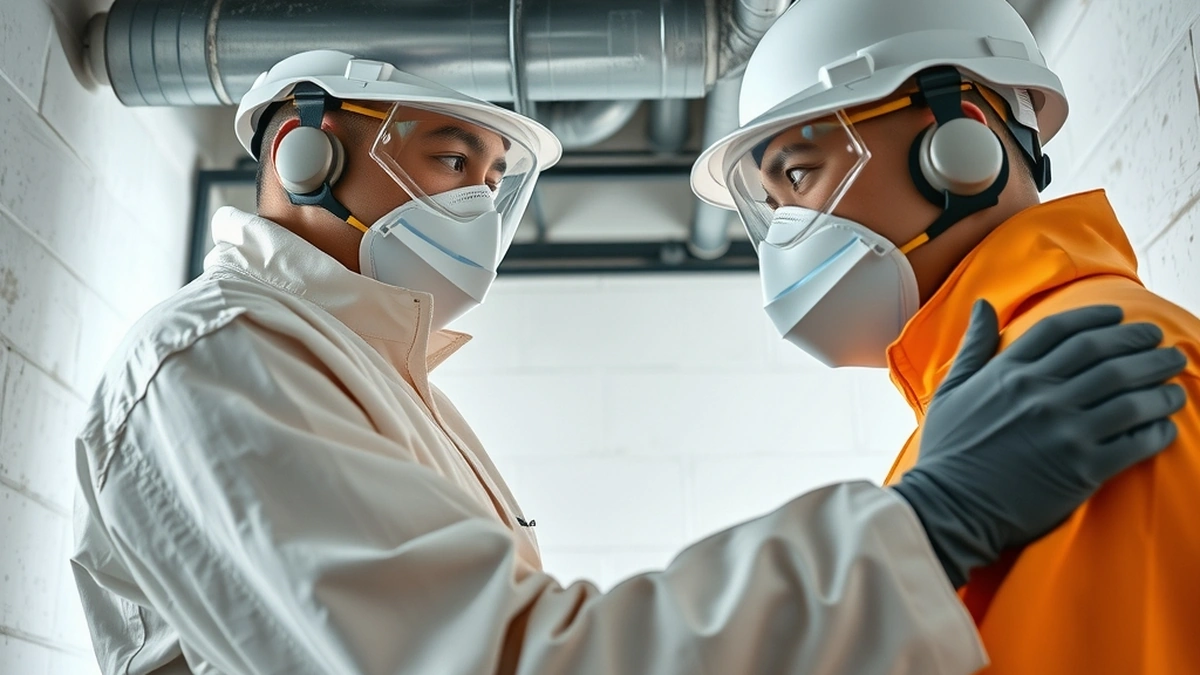
Small tears in polyethylene sheeting are repaired with compatible tape and additional sheeting patches. Larger failures may require removing and replacing entire wall sections. All repairs are performed by trained asbestos workers wearing appropriate respiratory protection and disposable coveralls.
If a breach occurs during active abatement, work in the immediate area stops. Workers exit through the decontamination unit, and the breach is sealed from inside the enclosure when possible. After repairs, negative pressure is re-established and verified before abatement resumes.
Bulk sampling of suspect debris outside the enclosure typically costs $50 to $150 per sample, while an asbestos survey may range from $300 to $800. These costs apply if contamination is suspected outside containment and the extent of impact must be determined.
Load Calculations and Containment Sizing
Enclosure dimensions affect exhaust requirements and structural load. For example, a containment area measuring 20 feet by 15 feet with a 10-foot ceiling contains 3,000 cubic feet of air. If the exhaust unit moves 1,000 cubic feet per minute, the theoretical air change rate is 20 changes per hour.
Negative pressure does not depend on room volume alone; it depends on the balance between exhaust volume and makeup air leakage. A tighter enclosure requires less exhaust to maintain the same pressure differential. Contractors often size HEPA negative air machines based on enclosure square footage and desired air changes, then verify with pressure readings rather than relying on calculations alone.
Floor tile removal inside an enclosure typically costs $10 to $25 per square foot. Encapsulation, where applicable, may cost $5 to $15 per square foot. These figures are estimates and vary by location, material condition, and disposal requirements.
Documentation and Recordkeeping
Maintenance logs should include the date, inspector name, pressure readings, defects found, repairs made, and time work resumed. Records support compliance demonstrations and help resolve disputes if clearance testing fails.
Photographs of enclosure condition at the start and end of each shift provide additional evidence. If air sampling is performed, results are attached to the maintenance log. Clearance testing, often conducted by a third party, confirms that the area meets reoccupancy criteria before enclosure removal.
Transition to Teardown
Enclosure maintenance ends only after abatement is complete and clearance criteria are met. Teardown involves removing sheeting, HEPA-vacuuming surfaces, and disposing of containment materials as asbestos-contaminated waste. Workers continue using respiratory protection during teardown because settled fibers may remain on enclosure surfaces.
After teardown, the area is visually inspected and, if required, clearance air samples are collected. Only after passing clearance can the space return to normal use. More detail on abatement pricing and scope is available in our overview of asbestos removal cost per square foot.
For projects that combine removal with other building work, our guide to asbestos removal installation explains how containment interfaces with construction schedules. If you need to understand how testing fits into the process, see our comparison of asbestos removal versus asbestos testing.
Routine enclosure maintenance protects workers, occupants, and the surrounding building from unnecessary asbestos exposure. It is a disciplined process of inspection, measurement, repair, and documentation that runs for the entire life of the containment.
Next, compare how much does asbestos removal cost, asbestos removal installation, asbestos removal repair before you commit.
Frequently asked questions
What is enclosure maintenance?
Enclosure maintenance is the ongoing upkeep of asbestos containment barriers, negative pressure systems, and decontamination units during abatement to prevent fiber release.
How often should enclosures be inspected?
Enclosures should be inspected at least once per work shift and after any event that could damage containment, such as equipment movement or severe weather.
What negative pressure is required?
Many abatement projects maintain negative pressure between 0.02 and 0.04 inches of water column relative to adjacent areas, though project specifications may vary.
Can building staff repair enclosure breaches?
Only trained asbestos workers should repair containment breaches; unauthorized repairs can disturb fibers and violate OSHA and EPA requirements.
What happens if negative pressure is lost?
Work should stop, the breach located and sealed, and pressure restored before abatement resumes; air monitoring may be needed to confirm safety.
How much does asbestos abatement cost?
Abatement typically ranges from $20 to $50 per square foot, depending on material, location, and containment complexity.
Sources
Some links are affiliate links.If you buy through them we may earn a commission at no extra cost to you. We do not accept payment for rankings. Read the full disclosure.