Asbestos Enclosure Cost: What to Expect
Learn how asbestos enclosure cost is calculated, what affects pricing, and when containment is the right abatement choice.
Asbestos enclosure cost typically runs $5 to $15 per square foot for encapsulation, while full removal averages $20 to $50 per square foot.
- Typical enclosure cost
- $5–$15 per sq ft
- Full abatement cost
- $20–$50 per sq ft
- Bulk testing
- $50–$150 per sample
- Asbestos survey
- $300–$800
Some links on this page are affiliate links.If you buy through them we may earn a commission at no extra cost to you. We do not accept payment for rankings. Read the full disclosure.
Asbestos enclosure cost refers to the price of sealing asbestos-containing material behind a durable barrier rather than removing it. For most projects, enclosure runs roughly $5 to $15 per square foot, while full abatement averages $20 to $50 per square foot. The right choice depends on material condition, location, and whether the asbestos is friable or non-friable.
What Enclosure Means in Asbestos Abatement
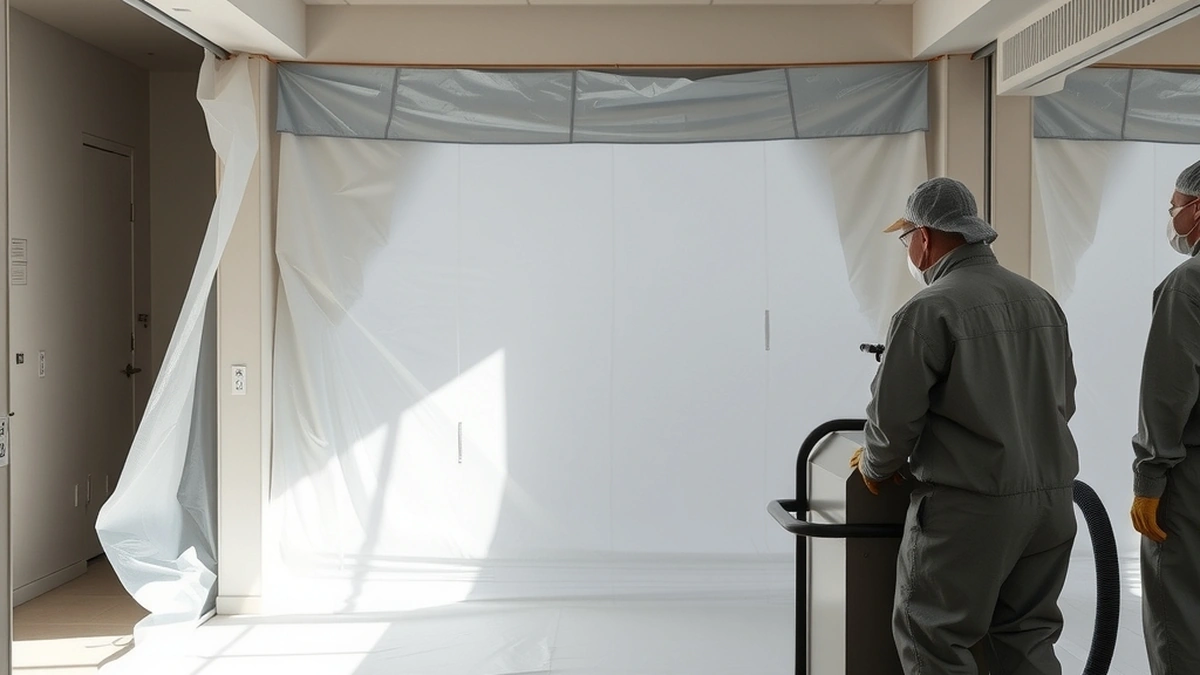
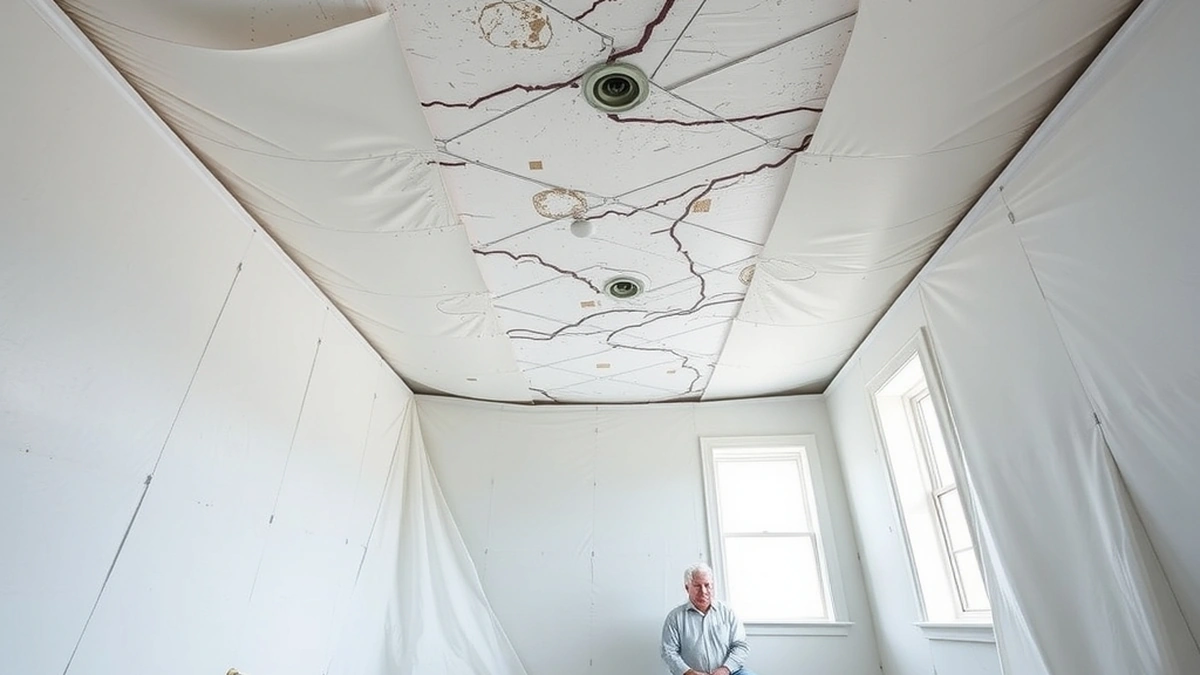
Enclosure, sometimes called encapsulation, involves covering asbestos-containing material with an airtight membrane, rigid board, or specialized coating. The goal is to prevent fibers from becoming airborne and entering occupied areas. This approach is often used when removal would disturb more material than leaving it in place, or when the material is in good condition and unlikely to degrade.
Enclosure does not eliminate asbestos from the building. It manages the hazard in place. Because the material remains behind the barrier, ongoing monitoring and maintenance are required to verify the seal stays intact.
Typical Enclosure Cost Estimates
Contractors usually price enclosure by square footage. The following figures are estimates and can vary by region, material type, and site accessibility.
| Item | Estimated Cost |
|---|---|
| Asbestos enclosure / encapsulation | $5–$15 per sq ft |
| Full asbestos abatement / removal | $20–$50 per sq ft |
| Pipe insulation removal | $25–$75 per linear ft |
| Floor tile removal | $10–$25 per sq ft |
| Bulk testing | $50–$150 per sample |
| Asbestos survey | $300–$800 |
For example, enclosing 1,000 square feet of asbestos-containing insulation at $10 per square foot would cost approximately $10,000. Removing the same area at $35 per square foot would cost roughly $35,000. Testing and survey fees are separate and must be completed before any enclosure work begins.
Factors That Drive Enclosure Cost
Several variables affect the final price:
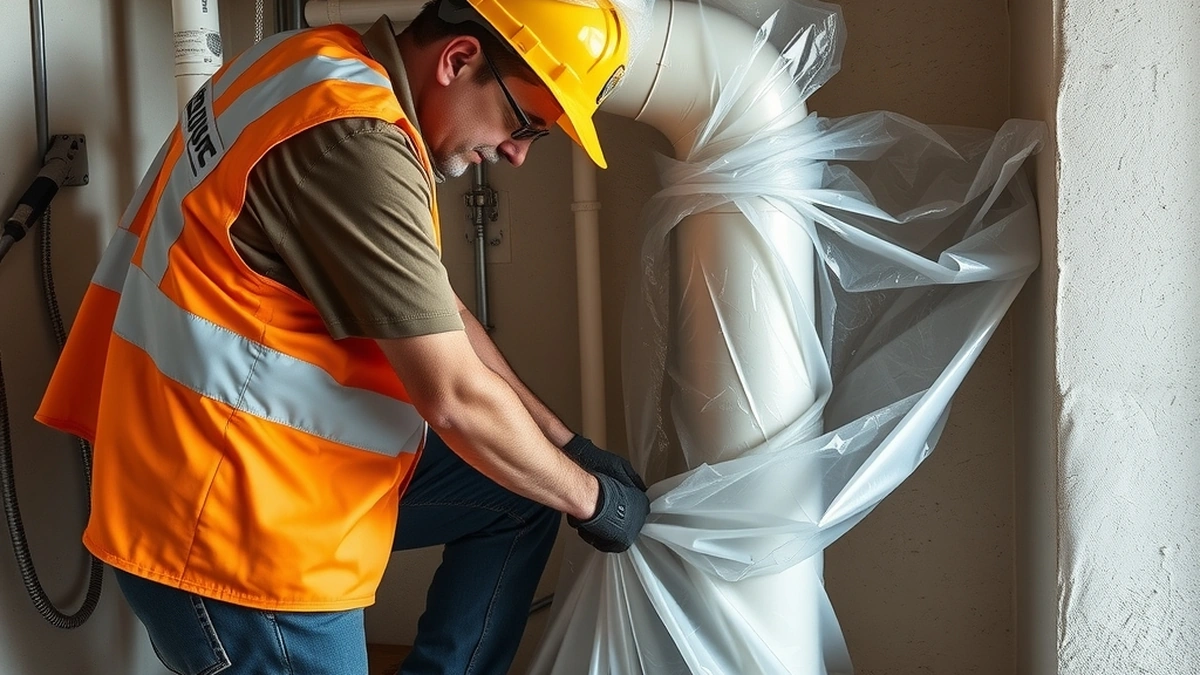
- Material type: Pipe insulation, floor tile, and sprayed-on fireproofing each require different enclosure methods.
- Accessibility: Crawl spaces, attics, and areas behind walls cost more to reach than open rooms.
- Barrier system: Heavy-gauge polyethylene sheeting costs less than rigid panels or cementitious coatings.
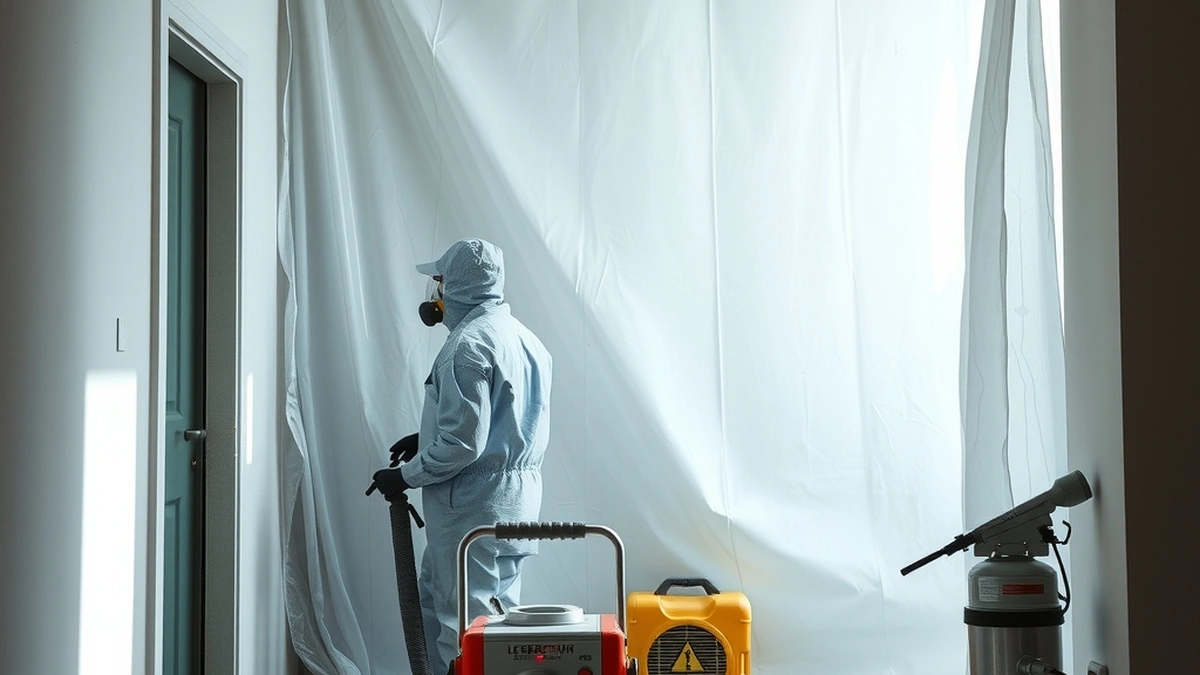
- Containment setup: Negative air pressure units, decontamination chambers, and HEPA filtration add labor and equipment costs.
- Waste and disposal: Even enclosure projects generate some waste, such as cut sheeting or damaged material, which must be disposed of as asbestos waste.
A 500-square-foot basement enclosure at $12 per square foot equals $6,000 in direct material and labor. Adding a negative air machine rental and disposal fees might bring the total closer to $7,500 to $8,500.
Testing and Survey Costs Come First
Before any enclosure is installed, a licensed inspector must confirm the presence of asbestos. Bulk testing costs $50 to $150 per sample. A full asbestos survey typically runs $300 to $800, depending on building size and the number of suspect materials.
These costs are not optional. Without confirmed test results, a contractor cannot lawfully design an enclosure or issue a proper abatement plan. Testing fees are separate from enclosure pricing and should be budgeted upfront.
When Enclosure Is Appropriate
Enclosure works best for non-friable asbestos in good condition. Examples include intact floor tile, undamaged cement pipe, or stable insulation jackets. If the material is friable—meaning it can be crumbled by hand pressure—enclosure may not be sufficient, and removal is often required.
Friable material should never be handled by untrained individuals. Disturbing it can release fibers that remain airborne for hours. Only licensed asbestos professionals should install enclosures over friable substrates.
Enclosure is also chosen when removal would create more risk than containment. For instance, removing asbestos insulation from behind finished walls might require demolition that spreads contamination. In those cases, sealing the area in place is the safer path.
Enclosure vs. Removal and Repair
Property owners often compare enclosure with full removal. Removal eliminates the asbestos entirely but costs more and creates a larger disturbance during the project. Enclosure costs less upfront but leaves the material in place, which means future buyers, lenders, or renovators must be notified.
Repair is another option for small areas of damage. A localized patch may cost less than full enclosure, but it only addresses the damaged section. If multiple areas are affected, enclosure or removal is usually more practical.
For broader context on pricing, see our overview of asbestos removal cost per square foot. If you are weighing whether to remove or contain material, our guide on asbestos removal vs asbestos testing explains how survey results shape the decision. For ongoing care after an enclosure is installed, our asbestos removal maintenance page covers inspection schedules and recordkeeping.
Maintenance and Long-Term Obligations
An enclosure is not a one-time expense. The barrier must be inspected regularly for tears, water damage, or separation from the substrate. Any breach must be repaired promptly by a qualified contractor.
Building owners should keep records of the original survey, enclosure installation date, materials used, and inspection results. These documents are often required during real estate transactions, insurance reviews, or future renovation planning.
Enclosure also affects future work. If a wall or ceiling containing enclosed asbestos is later opened for plumbing or electrical upgrades, the barrier must be re-established or the material removed under proper abatement procedures.
Choosing a Licensed Contractor
Asbestos enclosure should only be performed by licensed abatement professionals. They follow EPA and OSHA regulations for containment, worker protection, and waste disposal. Unlicensed work can result in fines, failed inspections, and increased exposure risk.
When requesting quotes, ask for proof of licensing, insurance, and a written scope of work. The estimate should specify the enclosure method, square footage, cost per square foot, and any separate fees for testing, surveys, or disposal.
For additional guidance on hiring qualified help, review our best asbestos removal directory and our asbestos removal installation overview. If you are considering whether any part of the work can be done without professional help, our DIY asbestos removal page explains why friable material is never a do-it-yourself project.
Enclosure offers a lower-cost alternative to full removal in the right circumstances, but it carries long-term responsibilities. Testing, professional installation, and routine inspection are all part of the total cost of ownership.
Frequently asked questions
What is asbestos enclosure?
Enclosure means sealing asbestos-containing material behind an airtight barrier so fibers cannot enter occupied spaces.
How much does enclosure cost per square foot?
Enclosure or encapsulation generally costs about $5 to $15 per square foot, depending on material and site conditions.
Is enclosure cheaper than removal?
Yes. Removal typically runs $20 to $50 per square foot, while enclosure stays closer to $5 to $15 per square foot.
Does enclosure require testing first?
Yes. Bulk sampling costs $50 to $150 per sample, and a full survey usually runs $300 to $800 before any work begins.
Can I enclose friable asbestos myself?
No. Friable material releases fibers easily and must be handled by licensed professionals under containment protocols.
How long does an enclosure last?
A properly installed enclosure can last for years, but it requires periodic inspection and maintenance to remain effective.
Sources
Some links are affiliate links.If you buy through them we may earn a commission at no extra cost to you. We do not accept payment for rankings. Read the full disclosure.