Encapsulation Reviews for Asbestos-Containing Materials
Compare encapsulation vs removal costs and reviews for asbestos-containing materials. Professional abatement guidance from Asbestos Removal Lab.
Encapsulation costs $5–$15 per square foot and seals asbestos in place rather than removing it, making it a lower-cost alternative to full abatement when materials are in good condition.
- Encapsulation cost
- $5–$15 per sq ft
- Full abatement cost
- $20–$50 per sq ft
- Bulk testing
- $50–$150 per sample
- Asbestos survey
- $300–$800
Some links on this page are affiliate links.If you buy through them we may earn a commission at no extra cost to you. We do not accept payment for rankings. Read the full disclosure.
Encapsulation reviews focus on whether sealing asbestos-containing material in place is a practical alternative to removal. Encapsulation typically costs $5–$15 per square foot, compared with $20–$50 per square foot for full abatement. This article reviews how encapsulation works, what it costs, and when licensed professionals may recommend it over removal.
What Encapsulation Reviews Actually Evaluate
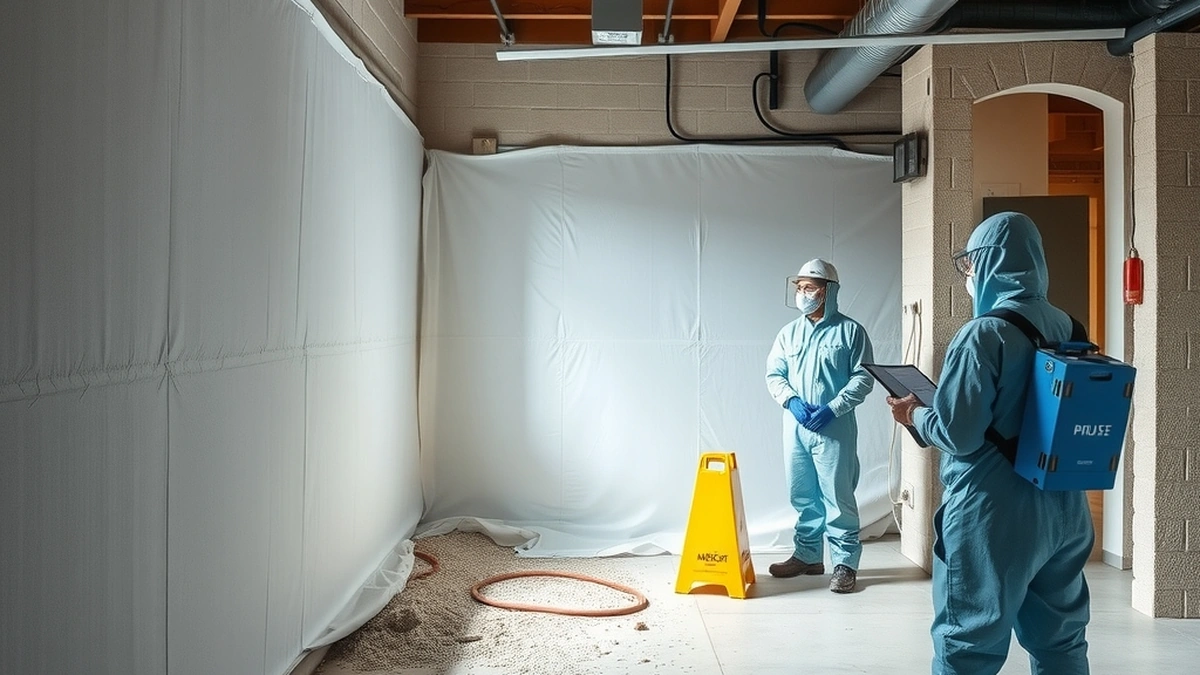
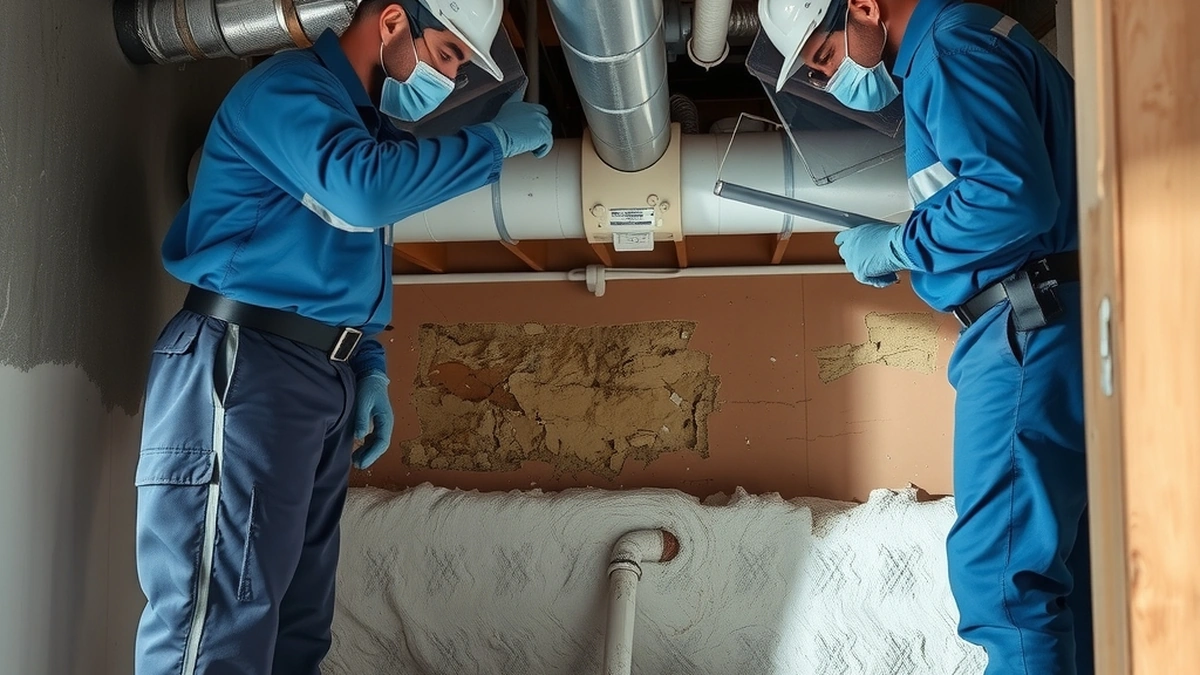
Encapsulation reviews assess the suitability of applying a bridging or penetrating encapsulant to asbestos-containing materials such as pipe insulation, boiler jackets, duct wrap, or floor tile mastic. The goal is to create a durable barrier that traps fibers and prevents them from becoming airborne. Reviews consider material condition, accessibility, future renovation plans, and local regulatory requirements.
Encapsulation does not remove asbestos. It manages it in place. That distinction matters for property owners weighing long-term liability, disclosure obligations, and future demolition costs. A material that is encapsulated today may still require removal during a major renovation or building tear-down.
How Encapsulation Differs From Removal
Removal physically extracts asbestos-containing material and disposes of it as hazardous waste. Encapsulation covers or coats the material so it remains in the building. Because removal disturbs the material, it carries higher immediate fiber-release risk if containment fails. Encapsulation avoids that disturbance, but it introduces a long-term inspection and maintenance obligation.
Cost is a major differentiator. Full abatement runs $20–$50 per square foot. Pipe insulation removal costs $25–$75 per linear foot. Floor tile removal runs $10–$25 per square foot. Encapsulation falls at $5–$15 per square foot. For a 400-square-foot basement with asbestos pipe insulation and duct wrap, encapsulation might cost $2,000–$6,000, while removal could run $8,000–$20,000 or more depending on linear footage and disposal fees.
Cost Arithmetic for Common Scenarios
Encapsulation pricing scales with surface area, not just material volume. Consider a utility room measuring 12 feet by 15 feet with 180 square feet of ceiling area containing asbestos-textured coating. At $5–$15 per square foot, encapsulation costs $900–$2,700. Full abatement of the same ceiling at $20–$50 per square foot costs $3,600–$9,000.
For pipe insulation, encapsulation is priced by square footage of pipe surface, not linear feet. A 3-inch diameter pipe running 40 linear feet has a surface area of roughly 31 square feet (circumference of about 0.79 feet times 40 feet). Encapsulating that surface at $5–$15 per square foot costs approximately $155–$465. Removing the same insulation at $25–$75 per linear foot costs $1,000–$3,000. These figures are estimates and exclude setup, containment, air monitoring, and disposal.
Testing adds to the total. Bulk sampling costs $50–$150 per sample. An asbestos survey costs $300–$800. Before any encapsulation contract is signed, a licensed inspector should confirm asbestos presence and material condition through laboratory analysis.
When Encapsulation Is Appropriate
Encapsulation is generally considered only when asbestos-containing material is in good condition, firmly bonded, and not likely to be disturbed. Damaged, friable, or crumbling material is usually a candidate for removal or enclosure rather than encapsulation. Friable material can release fibers with minor air movement or contact, and coating over it may not provide a reliable long-term seal.
Building plans also influence the decision. If a renovation will disturb walls, ceilings, or pipes in the near future, encapsulation may only delay removal and add cost. If the material will remain undisturbed for years, encapsulation can be a cost-effective management strategy under an operations and maintenance plan.
The Role of Licensed Abatement Professionals
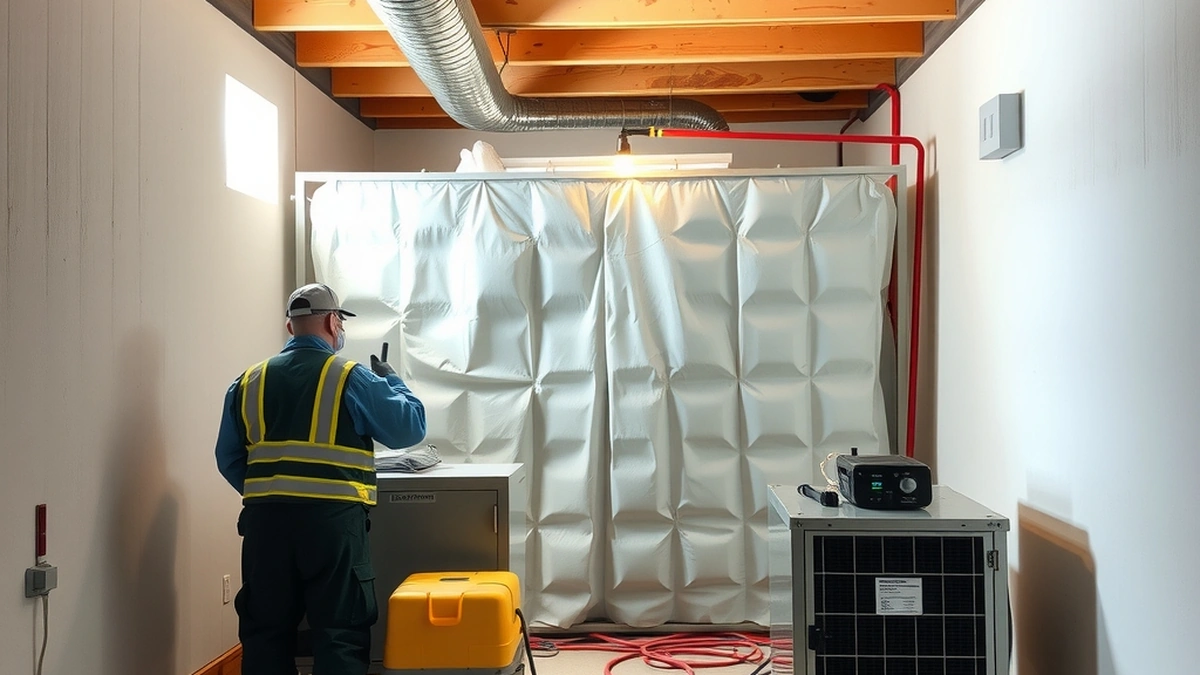
Encapsulation is not a DIY task for friable asbestos. Licensed abatement contractors understand containment, negative pressure, worker protection, waste handling, and clearance testing. They also know which encapsulants are compatible with specific substrates and which products meet applicable fire and building code requirements.
Property owners should verify contractor licensing, insurance, and references before signing. A reputable contractor provides a written scope, identifies the encapsulant product, explains surface preparation, and outlines post-encapsulation inspection intervals. Encapsulation reviews from past customers can indicate reliability, but they should not replace credential verification.
Maintenance and Long-Term Obligations
Encapsulated material must be inspected on a regular schedule. Inspectors look for peeling, cracking, water damage, or physical impact that could compromise the encapsant. If the barrier fails, fibers may become exposed, requiring repair or removal. Maintenance records support disclosure during real estate transactions and help demonstrate regulatory compliance.
Encapsulation also affects future work. Any contractor who disturbs encapsulated asbestos must follow asbestos work practices. Demolition or renovation permits may require disclosure of encapsulated material, and abatement may become mandatory before permits are issued.
Related Services and Cost Context
Encapsulation sits within a broader set of asbestos services. Testing confirms whether material contains asbestos. Abatement removes it. Repair addresses localized damage. Maintenance keeps encapsulated or intact material stable over time. Understanding how these services relate helps property owners budget accurately and avoid paying for unnecessary work.
For more detail on pricing, see the asbestos removal cost breakdown and the comparison of removal versus testing. Property owners considering encapsulation should also review repair options for limited damage and maintenance requirements for long-term management. These resources explain how encapsulation fits into an overall asbestos risk strategy.
Encapsulation reviews consistently show that sealing asbestos in place can reduce upfront costs compared with removal, but it does not eliminate the material or the responsibility that comes with it. Property owners should start with testing and survey results, consult licensed abatement professionals, and weigh encapsulation against removal based on condition, budget, and future building plans.
Next, compare how much does asbestos removal cost, asbestos removal installation, asbestos removal repair before you commit.
Frequently asked questions
What is asbestos encapsulation?
Encapsulation applies a sealant or coating over asbestos-containing material to bind fibers and prevent release, rather than removing the material from the building.
How much does encapsulation cost?
Professional encapsulation typically ranges from $5 to $15 per square foot, depending on material condition, location, and encapsulation method used.
Is encapsulation safer than removal?
Encapsulation avoids disturbing friable asbestos, which can reduce immediate fiber release, but it leaves the material in place and requires long-term monitoring.
Can I encapsulate asbestos myself?
DIY encapsulation of friable asbestos is not recommended; federal and state regulations generally require licensed abatement contractors for regulated materials.
How long does encapsulation last?
Encapsulant lifespan varies by product and environment, but it is not permanent and must be inspected periodically for damage, peeling, or wear.
Does encapsulation require a survey first?
Yes, an asbestos survey and bulk sampling are needed to confirm asbestos presence, condition, and whether encapsulation is an acceptable management option.
Sources
Some links are affiliate links.If you buy through them we may earn a commission at no extra cost to you. We do not accept payment for rankings. Read the full disclosure.