Disposal Installation for Asbestos Waste
How licensed contractors handle disposal installation when removing asbestos-containing materials, including containment, transport, and landfill rules.
Disposal installation is the sealed containment and staging system used to move asbestos waste from a worksite to an approved landfill without releasing fibers.
- Regulatory focus
- EPA and OSHA rules
- Typical containment
- 6-mil poly sheeting, negative air
- Waste labeling
- Required by DOT and landfill
- Cost range
- Included in abatement estimate
Some links on this page are affiliate links.If you buy through them we may earn a commission at no extra cost to you. We do not accept payment for rankings. Read the full disclosure.
Disposal installation is the engineered containment and staging process used to move asbestos-containing waste from a worksite to an approved landfill. It includes sealed barriers, negative air pressure, decontamination units, and leak-tight packaging designed to keep fibers from escaping during removal and transport. This work should be performed by licensed asbestos abatement professionals, not by property owners attempting do-it-yourself removal of friable material.
What Disposal Installation Means
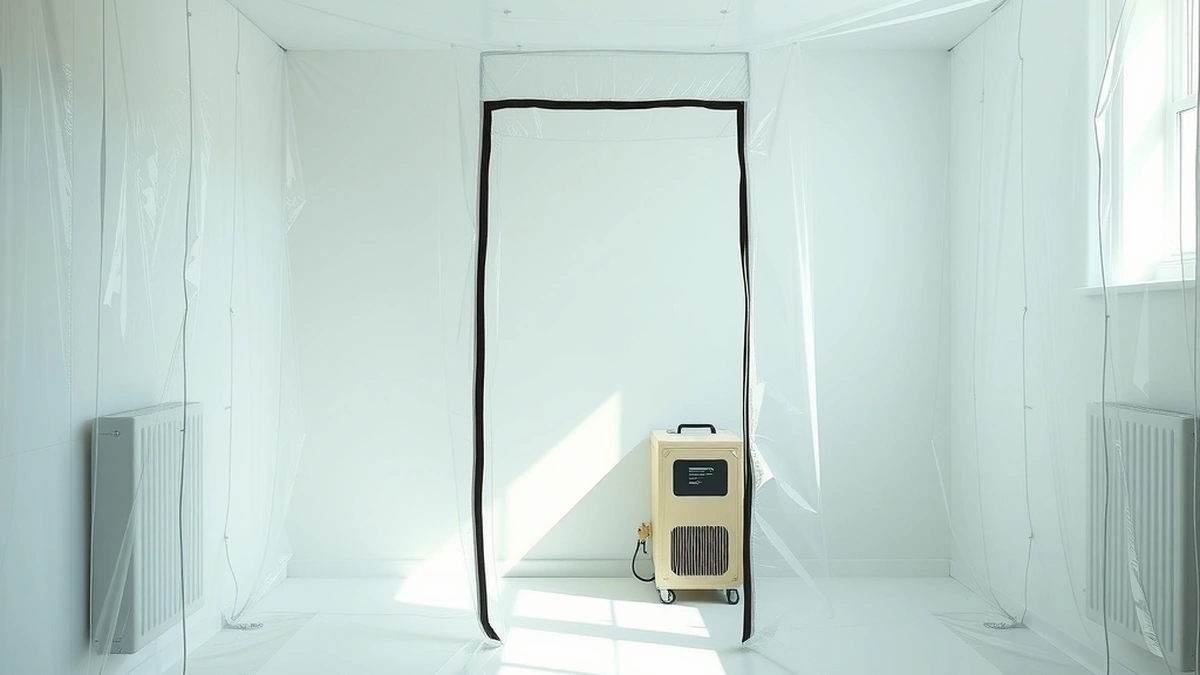
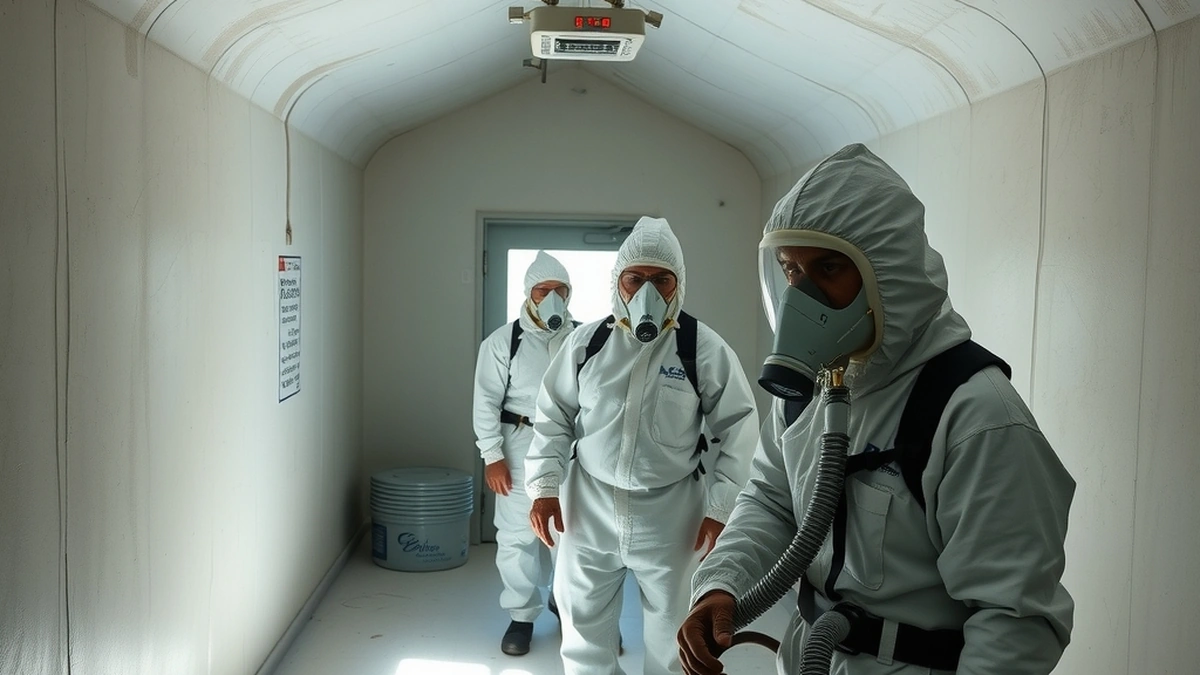
Disposal installation describes the temporary infrastructure built around asbestos abatement so waste can be handled safely until it reaches a disposal facility. The setup typically consists of 6-mil polyethylene sheeting taped over walls, floors, and openings, along with negative air machines that pull filtered air out of the containment area. Workers pass through a decontamination chamber before exiting, and waste is bagged or containerized inside the sealed zone.
The goal is to prevent asbestos fibers from becoming airborne during the transition from building material to packaged waste. Because asbestos is regulated as a hazardous substance when disturbed, disposal installation must follow EPA, OSHA, and Department of Transportation requirements. Landfills that accept asbestos waste usually require advance notice, proper labeling, and documentation showing the material came from a licensed abatement project.
How Containment Is Built
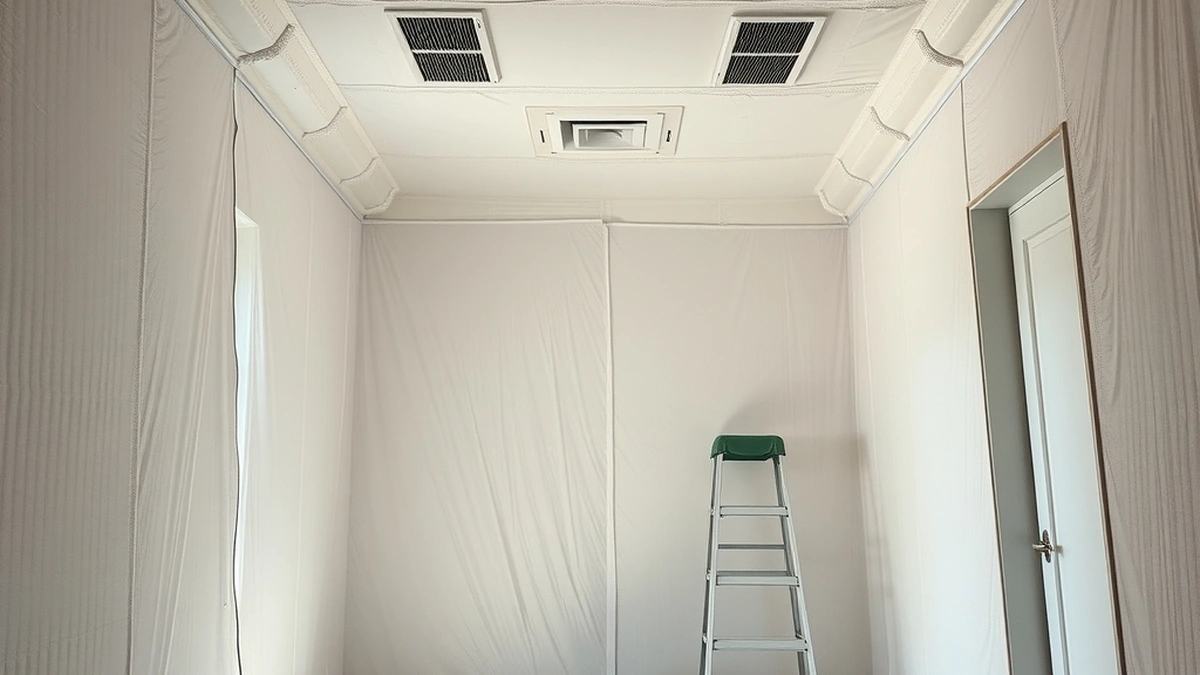
A standard disposal installation begins with isolating the work area. Contractors cover surfaces with two layers of 6-mil plastic sheeting and seal seams with tape. Negative air pressure is established using HEPA-filtered exhaust units, which maintain a pressure differential so air flows into the containment rather than out of it. Air changes are calculated based on the volume of the enclosure, often measured in cubic feet.
For example, if a containment area measures 20 feet long by 15 feet wide by 8 feet high, the volume is 2,400 cubic feet. If the protocol requires six air changes per hour, the exhaust system must move 14,400 cubic feet per hour, or 240 cubic feet per minute. These figures are estimates used for planning; actual requirements depend on the project design and applicable regulations.
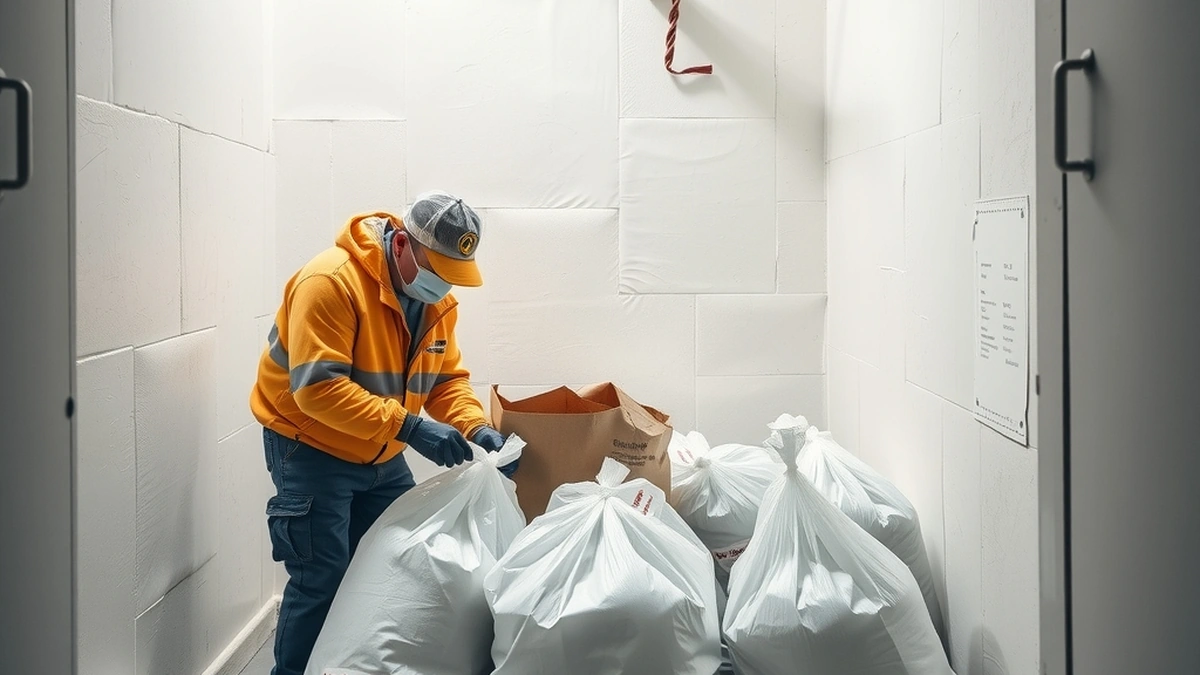
Waste is placed inside the containment, wetted to reduce fiber release, and sealed in labeled 6-mil poly bags or rigid, leak-tight containers. The outer surfaces of bags are wiped down before they pass through the decontamination unit to the clean side for transport.
Cost Context and Load Estimates
Disposal installation is not usually sold as a standalone line item. It is part of the broader abatement project, which typically ranges from $20 to $50 per square foot depending on material type, location, and accessibility. Pipe insulation removal often runs $25 to $75 per linear foot, while floor tile removal may cost $10 to $25 per square foot. Encapsulation, when appropriate, can range from $5 to $15 per square foot. These are estimates and should be confirmed with a licensed contractor after an on-site survey.
To illustrate how disposal factors into project math, consider a room with 400 square feet of asbestos-containing floor tile. At $10 to $25 per square foot, removal alone could cost $4,000 to $10,000. If the project also includes bulk testing at $50 to $150 per sample and a survey at $300 to $800, total pre-abatement and abatement costs rise accordingly. Disposal fees, landfill tipping charges, and transport are folded into the contractor’s quote.
Waste weight matters for transport. A single 6-mil asbestos disposal bag might hold 30 to 50 pounds of wetted material, depending on size and density. Ten bags could weigh 300 to 500 pounds, not including the weight of the packaging itself. A small truckload of containerized asbestos waste may easily exceed 1,000 pounds, which affects vehicle selection and landfill paperwork. Contractors calculate load weights to stay within legal vehicle limits and to provide accurate disposal estimates.
Regulatory Requirements
The EPA regulates asbestos under the Clean Air Act and the Toxic Substances Control Act, while OSHA sets worker protection standards for airborne exposure. The Department of Transportation governs how hazardous waste is packaged and moved on public roads. Many states also operate their own asbestos programs with stricter rules than federal minimums.
Before disposal begins, contractors typically submit notifications to the appropriate state or local agency. Waste shipment records must accompany the material, and the receiving landfill must sign off that it accepts asbestos-containing waste. Failure to follow these steps can result in fines and liability for the property owner.
HUD provides guidance for asbestos in housing, particularly for renovation and demolition projects receiving federal assistance. Property owners should verify that their contractor holds the required licenses and carries insurance for asbestos abatement work.
What Happens at the Landfill
Not all landfills accept asbestos. Only facilities permitted to handle asbestos-containing material may receive it. When a shipment arrives, the landfill inspects the packaging, checks labels and manifests, and directs the waste to a designated disposal cell. The material is usually buried immediately and covered to prevent disturbance.
Some landfills require waste to be double-bagged and clearly marked with asbestos warning labels. Others accept rigid containers lined with polyethylene. Drivers may need to remain in their vehicles or follow site-specific safety rules while on the property. Disposal installation ends only when the waste is accepted and documented at the facility.
Related Abatement Topics
Disposal installation connects to several other stages of an asbestos project. Testing identifies whether material contains asbestos, while abatement covers the actual removal or encapsulation. Repair may address localized damage without full removal, and maintenance plans help manage asbestos that remains in place. Cost estimates vary widely by square foot and material type, so comparing removal cost per square foot across projects can help set expectations. Property owners considering their options should review the difference between asbestos removal and asbestos testing before hiring a contractor. For those weighing whether to hire professionals, resources on DIY asbestos removal explain why friable material should not be handled without licensing.
Choosing a Contractor
Selecting a licensed asbestos abatement contractor is the most important decision in a disposal installation project. Ask for proof of licensing, insurance, and recent project references. Request a written scope that includes containment setup, air monitoring, waste packaging, transport, landfill disposal, and clearance testing. Confirm that the quote specifies which landfill will receive the waste and that all disposal fees are itemized.
Avoid contractors who suggest dumping asbestos in regular construction debris containers or who offer prices far below market estimates. Improper disposal creates long-term liability and health risks for workers, occupants, and waste handlers.
Final Considerations
Disposal installation is a regulated, multi-step process that protects people and the environment from asbestos exposure. It is not a task for untrained individuals, especially when friable material is involved. Licensed contractors build sealed containments, establish negative air pressure, package waste in leak-tight containers, and transport it to approved landfills with complete documentation.
Costs depend on the size of the project, the type of material, and local disposal fees. Estimates such as $20 to $50 per square foot for abatement or $50 to $150 per bulk sample provide a starting point, but a site survey is necessary for accurate pricing. Property owners should prioritize regulatory compliance and worker safety over short-term savings when planning asbestos disposal.
Next, compare how much does asbestos removal cost, asbestos removal installation, asbestos removal repair before you commit.
Frequently asked questions
What is disposal installation?
Disposal installation refers to the sealed containment, decontamination, and staging setup used to package asbestos waste for transport to an approved disposal facility.
Who can perform disposal installation?
Only licensed asbestos abatement contractors should handle disposal installation; unlicensed handling of friable asbestos is not recommended.
Where does asbestos waste go?
Asbestos waste must go to a landfill permitted to accept asbestos-containing material, not standard construction debris sites.
How is asbestos waste packaged?
Waste is typically wetted, sealed in 6-mil polyethylene bags or leak-tight containers, and labeled before removal from the containment area.
Is disposal installation part of abatement cost?
Yes, containment setup, waste packaging, transport, and landfill fees are generally included in the overall abatement price.
Can homeowners dispose of asbestos themselves?
Homeowners should not handle friable asbestos disposal themselves; licensed professionals are required for safe and legal removal and disposal.
Sources
Some links are affiliate links.If you buy through them we may earn a commission at no extra cost to you. We do not accept payment for rankings. Read the full disclosure.