Cement Siding: Repair Options for Older Homes
Learn how to assess and repair cement siding, when asbestos testing is needed, and what abatement or encapsulation may cost.
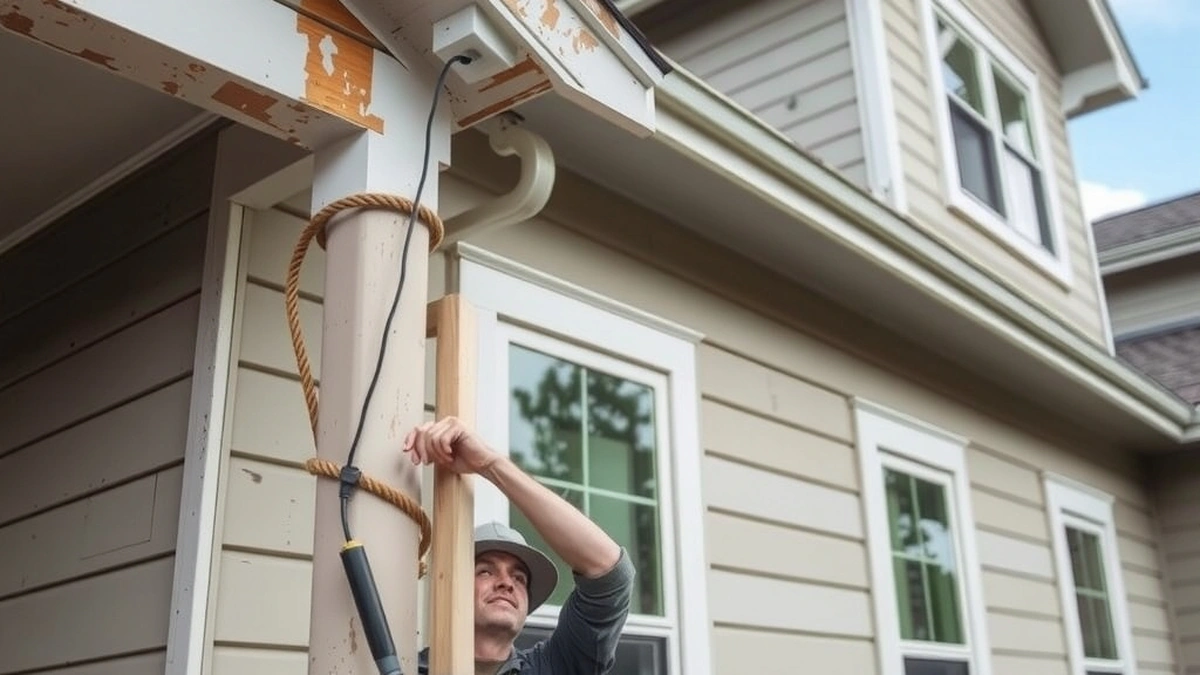
Repair options depend on whether the siding contains asbestos; intact siding can often be patched or encapsulated, while damaged material may require professional abatement.
- Typical siding age for concern
- Pre-1980s cement siding
- Bulk asbestos testing
- $50–$150 per sample
- Asbestos survey
- $300–$800
- Professional abatement
- $20–$50 per sq ft
- Encapsulation
- $5–$15 per sq ft
Some links on this page are affiliate links.If you buy through them we may earn a commission at no extra cost to you. We do not accept payment for rankings. Read the full disclosure.
Cement siding repair depends on the age of the material, its condition, and whether it contains asbestos. Intact siding can often be patched or sealed, while cracked or crumbling panels may require removal by a licensed professional. Because visual inspection cannot confirm asbestos, testing is the first step before any repair work begins.
Assessing Cement Siding Condition
Cement siding was widely used on U.S. homes through the mid-20th century. Panels installed before the 1980s may contain asbestos fibers mixed with cement to add strength and fire resistance. When the siding remains whole and undisturbed, the material generally poses a lower exposure risk. Problems arise when panels crack, chip, break, or weather to the point where fibers can become airborne.
Start by walking the perimeter of the house and noting any broken edges, missing panels, or surface deterioration. Measure the affected area in square feet so you can compare repair approaches later. For example, a section measuring 10 feet by 8 feet equals 80 square feet of siding. If you plan to replace that section, knowing the exact area helps you estimate costs and communicate clearly with contractors.
Testing Before You Repair
You cannot tell whether cement siding contains asbestos by looking at it. A bulk sample must be collected and analyzed in a laboratory. Bulk testing typically costs $50–$150 per sample. If you need a broader evaluation of the exterior, an asbestos survey may cost $300–$800 depending on the size of the property and the number of samples taken.
Do not scrape, sand, drill, or power-wash the siding before testing. Disturbing the material can release fibers, turning a manageable situation into a contamination issue that requires full abatement. If the lab report comes back negative, you can proceed with conventional repairs. If asbestos is present, your repair options narrow to methods that avoid disturbing the material or to professional removal.
Repair Option 1: Patching Intact Siding
When cement siding is sound but has minor surface damage, spot repairs may be appropriate. Small chips or hairline cracks can sometimes be filled with a compatible patching compound, provided the work does not require sanding or cutting into the material. This option only applies if testing confirms the siding is asbestos-free or if the damage is truly superficial and does not release dust.
Patching is not a substitute for structural repair. If a panel is broken through or the edges are crumbling, patching will not restore weather protection. In those cases, the damaged panel usually needs to be removed and replaced. If the siding contains asbestos, removal must be handled by a licensed abatement contractor rather than a general handyman.
Repair Option 2: Encapsulation
Encapsulation involves applying a specialized sealant or coating over the siding to bind the material and prevent fiber release. This approach can be appropriate when asbestos cement siding is intact but showing signs of aging. Encapsulation typically costs $5–$15 per square foot, making it less expensive than full removal.
To see how the math works, consider a home with 1,000 square feet of cement siding. At the low end, encapsulation would cost approximately $5,000. At the high end, it would cost approximately $15,000. These figures are estimates and do not include preparation, disposal, or potential repairs to underlying sheathing.
Encapsulation does not remove asbestos. It covers it. Future renovation, demolition, or severe impact can still damage the siding and create exposure risks. Homeowners who choose encapsulation should keep records of the product used and the areas treated, especially if they plan to sell the home later.
Repair Option 3: Professional Abatement
When cement siding is extensively damaged, friable, or must be removed for a renovation project, abatement is the appropriate path. Professional asbestos abatement generally costs $20–$50 per square foot. For an 800-square-foot section of siding, the low-end estimate is $16,000, and the high-end estimate is $40,000. These are estimates; actual prices vary by location, site access, and disposal requirements.
Abatement contractors contain the work area, use negative air pressure where required, remove the material wet to suppress dust, and dispose of it as asbestos waste. This process protects occupants and workers, but it is significantly more expensive than patching or encapsulation. If only a few panels are damaged, some contractors may perform a limited removal rather than abating the entire exterior.
Comparing Repair Costs
The table below shows estimated cost ranges for common scenarios. These figures are illustrative and should be confirmed with local contractors.
| Repair method | Estimated cost | Best for |
|---|---|---|
| Bulk asbestos testing | $50–$150 per sample | Confirming material composition |
| Asbestos survey | $300–$800 | Whole-home exterior evaluation |
| Patching | Varies by contractor | Minor damage on non-asbestos siding |
| Encapsulation | $5–$15 per sq ft | Intact asbestos siding needing sealing |
| Abatement | $20–$50 per sq ft | Damaged or friable asbestos siding |
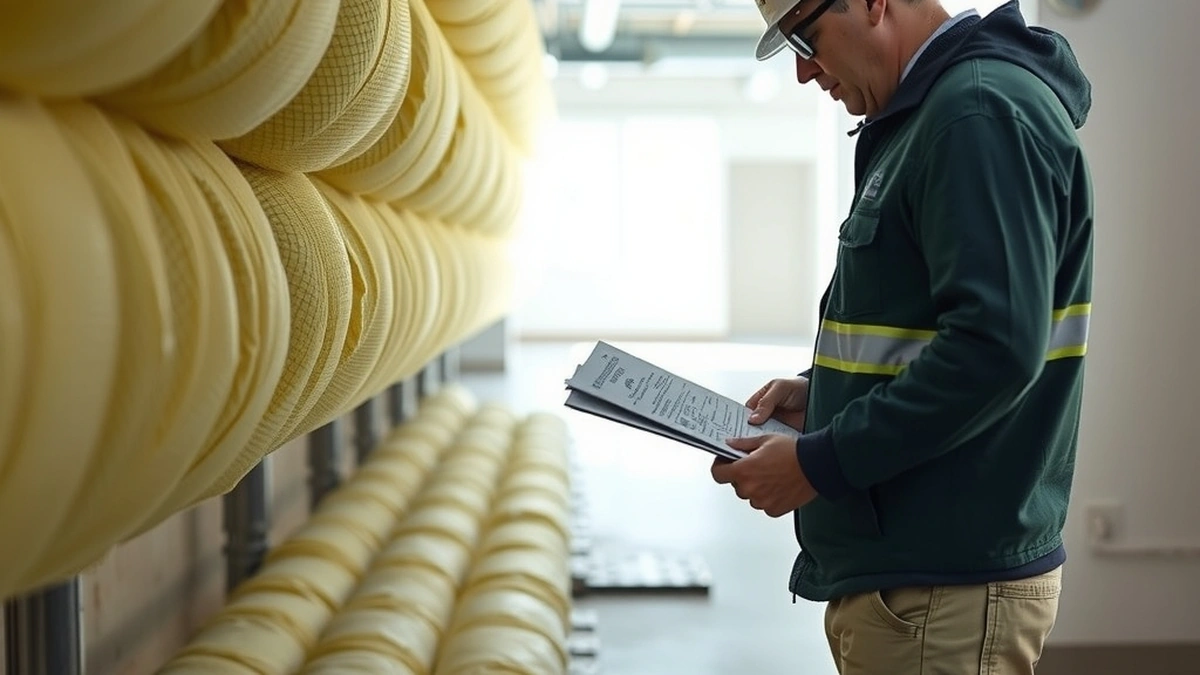
Costs for other asbestos-related work are not directly comparable to siding, but they provide context for how abatement pricing is structured. Pipe insulation removal typically runs $25–$75 per linear foot, while floor tile removal often costs $10–$25 per square foot. Siding falls within the broader abatement range because it involves exterior access, scaffolding, and weatherproofing after removal.
Hiring the Right Professional
Asbestos work is regulated at the federal level by agencies including the EPA and OSHA, and many states have additional licensing and notification requirements. A contractor who removes asbestos cement siding should provide proof of licensing, insurance, and proper disposal documentation. Ask whether the company performs testing in-house or uses an independent laboratory, and request a written scope of work before signing a contract.
Avoid any contractor who suggests dry scraping, dry sanding, or unsealed disposal of cement siding. Those practices can release fibers into the soil and air, creating long-term hazards for neighbors and future occupants. If a contractor encourages you to remove asbestos siding yourself to save money, treat that as a warning sign.
Maintenance After Repair
Once siding has been patched, encapsulated, or replaced, regular inspection helps catch problems early. Check the exterior annually for new cracks, loose fasteners, or water infiltration around windows and doors. Keep gutters clean so water does not run down the siding and accelerate wear.
If you encapsulated asbestos siding, monitor the coating for peeling or blistering. A failing encapsulant can expose the underlying material and may require reapplication or removal. Keep maintenance records and any lab reports in a home file. This documentation is useful for insurance claims, future renovations, and real estate disclosures.
For more background on how testing fits into the repair process, see our overview of asbestos removal versus asbestos testing. If you are weighing the full cost of a project, our guide to asbestos removal cost per square foot provides additional pricing context. Homeowners considering whether to handle any part of the work themselves should review our page on DIY asbestos removal before making a decision.
This article is for informational purposes only and does not constitute medical advice. Asbestos exposure can pose serious health risks. Always consult a licensed asbestos professional for testing, abatement, and repair decisions.
Next, compare how much does asbestos removal cost, asbestos removal installation, asbestos removal repair before you commit.
Frequently asked questions
Does old cement siding contain asbestos?
Cement siding installed before the 1980s may contain asbestos fibers, but only laboratory testing can confirm it.
Can I repair asbestos cement siding myself?
Homeowners should not disturb friable asbestos material; minor repairs on intact siding should be evaluated by a professional first.
How much does asbestos siding testing cost?
Bulk sampling typically runs $50–$150 per sample, while a full property survey can cost $300–$800.
What is encapsulation for cement siding?
Encapsulation seals the siding with a specialized coating to lock fibers in place, usually estimated at $5–$15 per sq ft.
When is abatement required for siding?
Abatement is generally needed when siding is broken, crumbling, or being removed during renovation, at roughly $20–$50 per sq ft.
Can I paint over old cement siding?
Painting intact siding may be acceptable, but sanding, scraping, or power washing can release fibers and should be avoided without testing.
Sources
Some links are affiliate links.If you buy through them we may earn a commission at no extra cost to you. We do not accept payment for rankings. Read the full disclosure.