Cement Siding: How to Prevent Asbestos Exposure
Learn how to prevent asbestos hazards from older cement siding, including inspection, testing, encapsulation, and professional abatement costs.
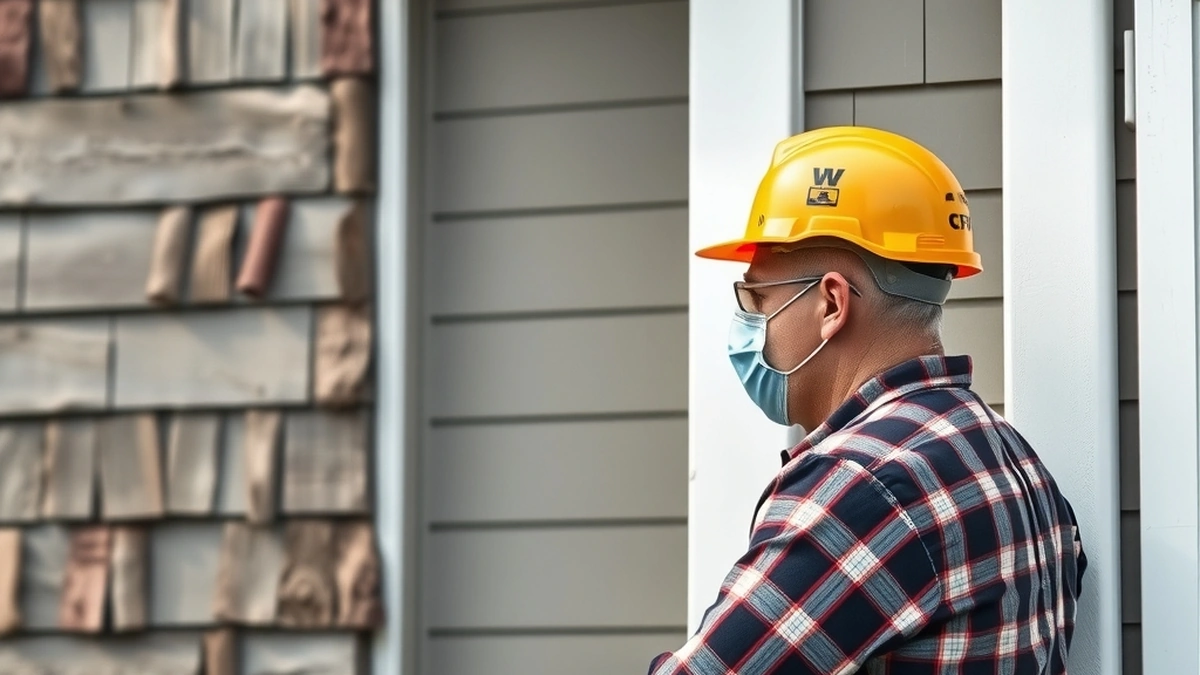
Prevent asbestos hazards from cement siding by leaving intact material undisturbed, testing before renovation, and hiring licensed professionals for removal or encapsulation.
- Typical bulk testing cost
- $50–$150 per sample
- Asbestos survey cost
- $300–$800
- Abatement cost
- $20–$50 per sq ft
- Encapsulation cost
- $5–$15 per sq ft
Some links on this page are affiliate links.If you buy through them we may earn a commission at no extra cost to you. We do not accept payment for rankings. Read the full disclosure.
Cement siding installed before the early 1980s may contain asbestos fibers. Preventing exposure starts with leaving intact siding undisturbed and confirming its composition before any renovation, repair, or replacement work. If the material is damaged or you plan to disturb it, only a licensed asbestos professional should handle testing, encapsulation, or removal.
Older cement siding, sometimes called transite siding, was valued for durability and fire resistance. Manufacturers added asbestos to cement to strengthen the boards and improve weathering. When the siding remains whole and undisturbed, the fibers are generally bound in the cement matrix and do not readily become airborne. The risk rises when siding cracks, breaks, or is cut, drilled, sanded, or power-washed. Disturbing the material can release microscopic fibers that, once inhaled, pose a long-term health hazard.
Prevention follows a clear sequence: identify the siding’s age and condition, test suspect material, and choose a management strategy based on the results. Intact siding in good condition may simply be monitored. Damaged siding or siding scheduled for demolition usually requires encapsulation or abatement by a licensed contractor. Homeowners should not attempt DIY removal of friable asbestos-containing material.
Identify the Age and Condition of Your Siding
Homes built or sided before roughly 1980 are the most likely candidates for asbestos cement siding. After that period, many manufacturers shifted to other formulations, though existing stock may have been used later. Look for siding boards that are thin, rigid, and often have a textured or wood-grain surface. Boards may be fastened with nails at the bottom edge and overlap horizontally.
Condition matters as much as age. Siding that is whole, firmly attached, and free of cracks presents a lower immediate exposure risk. Siding that is chipped, broken, peeling, or crumbling is more likely to release fibers, especially if it is friable, meaning it can be crumbled by hand pressure. Non-friable asbestos cement can become friable through weathering, impact, or improper maintenance.
Walk the perimeter of the house and note any damage. Do not touch, scrape, or attempt to clean suspect siding before testing. If you plan to paint, replace windows, or install new siding nearby, assume the old material contains asbestos until laboratory results say otherwise.
Test Before You Disturb
Visual inspection cannot confirm or rule out asbestos. The only reliable method is to collect samples and submit them to an accredited laboratory for analysis, typically using polarized light microscopy. A licensed asbestos inspector should take the samples to avoid accidental fiber release during collection.
Bulk testing typically costs $50–$150 per sample. If an inspector needs to visit the property and assess multiple areas, a full asbestos survey generally runs $300–$800. For a typical house with cement siding on three elevations, an inspector might collect three to five samples. At $100 per sample as a midpoint estimate, laboratory fees alone could total $300–$500, plus the survey fee.
Testing is a necessary first step before any renovation budget is set. Knowing whether the siding contains asbestos determines whether you need abatement, encapsulation, or can proceed with standard exterior work. For more on how testing fits into the overall process, see our comparison of asbestos removal versus asbestos testing.
Choose Encapsulation or Removal
If testing confirms asbestos and the siding is damaged or will be disturbed, you generally face two options: encapsulation or removal. Encapsulation involves applying a sealant or covering that binds the fibers and prevents release. Removal involves taking the siding off and disposing of it as asbestos-containing waste.
Encapsulation typically costs $5–$15 per square foot. For 1,000 square feet of siding, that is $5,000–$15,000. Full abatement typically costs $20–$50 per square foot. For the same 1,000 square feet, removal could cost $20,000–$50,000. Encapsulation is less expensive upfront, but it does not eliminate the asbestos. Future renovation or demolition will still require disclosure and likely abatement.
Removal permanently addresses the hazard but costs more and requires careful containment, negative air pressure in some cases, decontamination units, and licensed disposal. Encapsulation may be appropriate for siding in fair condition where the owner wants to delay removal, but it is not a substitute for abatement if the material is already deteriorating.
Costs vary by location, accessibility, height, and local disposal fees. These figures are estimates; a licensed contractor should provide a written quote after inspecting the property. For broader pricing context, see our guide to asbestos removal cost per square foot.
Follow Safe Work Practices
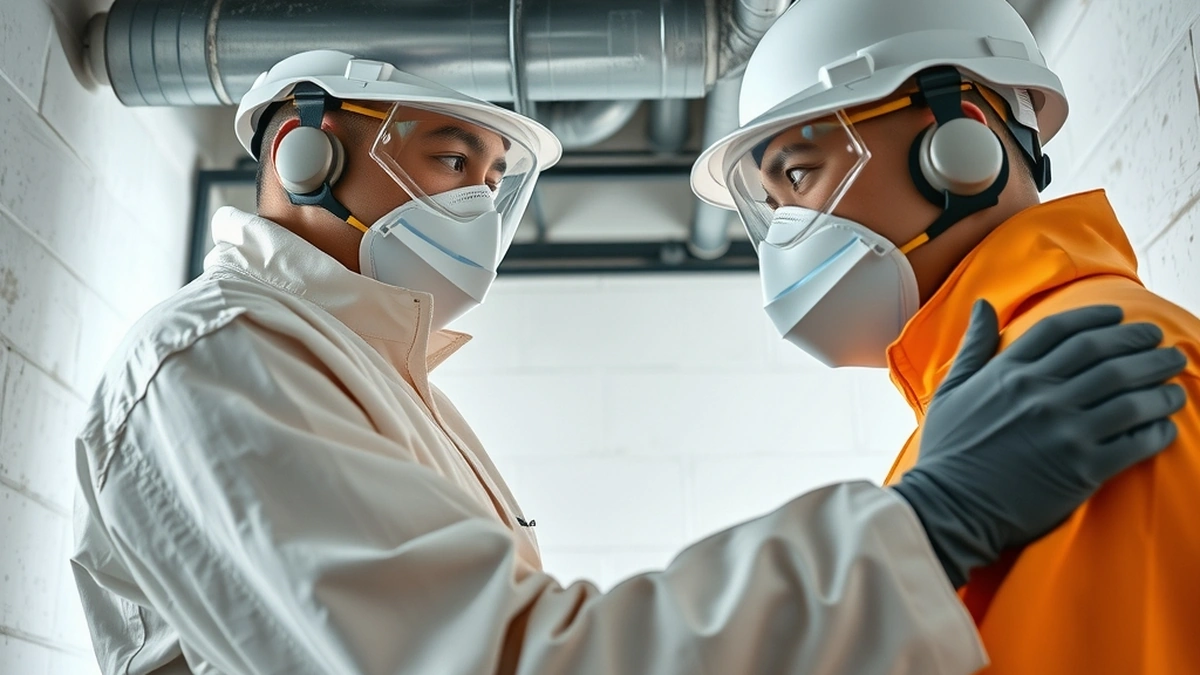
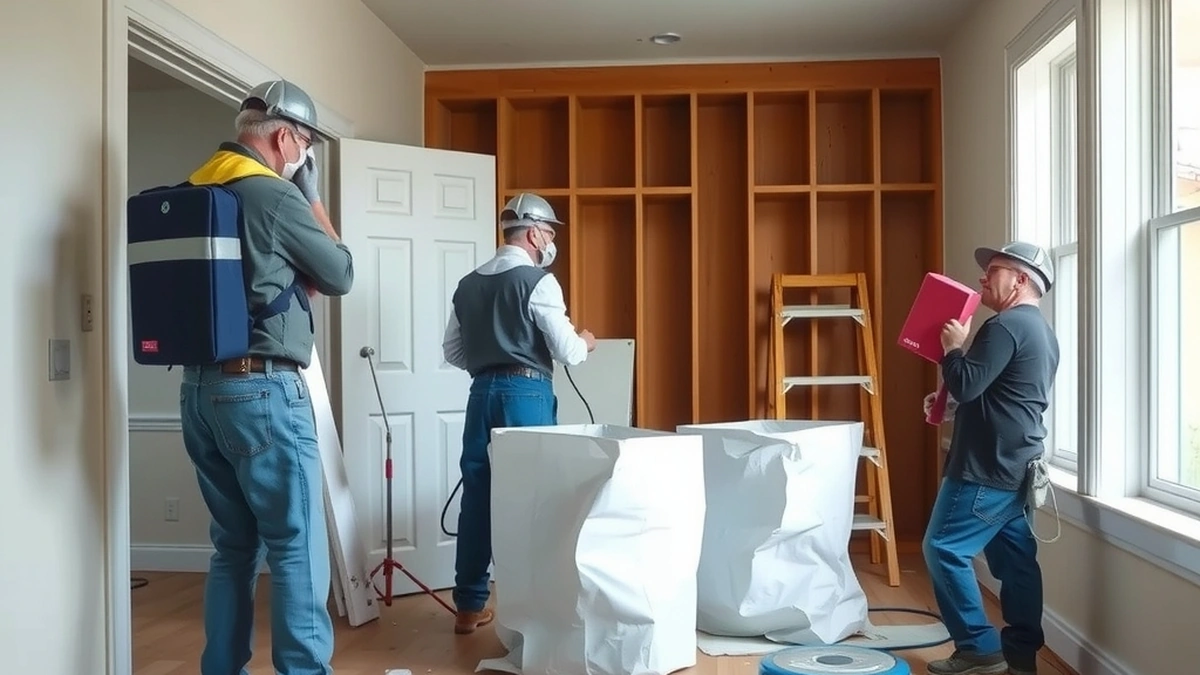
If you hire a contractor, verify licensing and insurance before work begins. Asbestos abatement is regulated at federal, state, and local levels. Contractors should contain the work area with plastic sheeting, use negative air machines where required, keep material wet to suppress dust, and dispose of waste at an approved facility. Workers should wear respirators and disposable coveralls.
Homeowners should never sand, scrape, drill, cut, or power-wash suspect cement siding. Power washing is especially risky because it can pulverize the surface and spread fibers across the yard, driveway, and neighboring properties. Even removing a single damaged board without containment can contaminate the surrounding soil.
Do not store removed siding in a garage or basement. Asbestos waste must be sealed in labeled, leak-tight containers and transported to a licensed disposal site. Improper disposal can create liability and expose waste handlers to dangerous fibers.
For guidance on handling repairs around asbestos-containing materials, see our article on asbestos removal repair. If you are planning ongoing upkeep of a property with legacy siding, our maintenance overview covers inspection intervals and recordkeeping.
Budget for the Full Project
Prevention costs extend beyond the siding itself. A complete project may include testing, survey, abatement or encapsulation, disposal, and replacement siding. Here is an illustrative estimate for a two-story home with 1,500 square feet of cement siding.
Bulk testing: 5 samples at $100 each equals $500. Asbestos survey: one visit at $600 equals $600. Encapsulation: 1,500 square feet at $10 per square foot equals $15,000. Removal: 1,500 square feet at $35 per square foot equals $52,500. Replacement siding: materials and labor vary widely by product and region.
These numbers are estimates for planning purposes only. Actual quotes depend on local labor rates, scaffolding needs, lead paint considerations, and disposal facility charges. If other building components contain asbestos, such as pipe insulation or floor tile, those costs are separate. Pipe insulation removal typically runs $25–$75 per linear foot, while floor tile removal typically runs $10–$25 per square foot.
Homeowners should set aside a contingency of 15 to 20 percent for unexpected findings, such as additional suspect material discovered behind the siding during removal.
Maintain and Monitor Intact Siding
If testing shows asbestos but the siding is intact and you are not planning renovations, the safest prevention strategy is often to leave it alone and monitor it. Inspect the siding annually, preferably in spring and fall, for cracks, chips, loose boards, or water intrusion. Pay attention to areas near downspouts, windows, and corners where impact or moisture damage is more likely.
Keep records of test results, inspection dates, and any contractor work. Documentation is valuable if you sell the home, because buyers and inspectors often ask about known asbestos-containing materials. Disclosure requirements vary by state, but transparency reduces legal risk and helps buyers plan for future abatement.
Avoid attaching trellises, signs, or fixtures directly to suspect siding, because drilling creates dust. If you need to mount something near the siding, consult an asbestos professional first. For more on long-term care of properties with asbestos materials, see our maintenance resource.
Know When to Call a Professional
You should contact a licensed asbestos professional if the siding is damaged, if you plan any work that will cut or remove it, or if you are buying an older home and want confirmation before closing. Professionals can perform surveys, collect samples safely, and supervise abatement or encapsulation in compliance with applicable rules.
Do not attempt DIY removal of friable asbestos-containing siding. The equipment, training, and disposal requirements exceed what most homeowners can manage safely, and improper work can contaminate the entire property. For context on why professional involvement matters, see our overview of DIY asbestos removal risks.
If you need help finding qualified providers, our directory of best asbestos removal services can help you compare licensed contractors in your area. Installation questions after abatement are covered in our removal and installation guide.
Preventing asbestos exposure from cement siding comes down to caution, testing, and professional execution. Leave intact material undisturbed, test before you renovate, and hire licensed abatement contractors for any removal or encapsulation work. With proper management, older cement siding can be maintained safely until it is ready for professional replacement.
Note: Cost figures are estimates and vary by location, contractor, and project scope. This article provides general information and does not constitute medical advice or a recommendation to perform DIY asbestos removal.
Next, compare how much does asbestos removal cost, asbestos removal installation, asbestos removal repair before you commit.
Frequently asked questions
Does all cement siding contain asbestos?
No. Cement siding installed after the early 1980s is less likely to contain asbestos, but only laboratory testing can confirm whether older siding contains asbestos fibers.
Can I paint over asbestos cement siding?
Painting intact siding may be possible, but you should test first and avoid sanding, scraping, or power washing, which can release fibers.
How much does asbestos siding removal cost?
Professional abatement typically runs $20–$50 per square foot, so a 1,000-square-foot wall could cost roughly $20,000–$50,000 depending on conditions.
Is encapsulation cheaper than removal?
Yes. Encapsulation generally costs $5–$15 per square foot, compared with $20–$50 per square foot for full removal, but it only seals rather than eliminates the material.
Can I remove asbestos siding myself?
No. DIY removal of friable asbestos material is strongly discouraged; federal and state rules usually require licensed abatement contractors for regulated work.
Who should test my cement siding?
A licensed asbestos inspector or industrial hygienist should collect samples and send them to an accredited laboratory for polarized light microscopy analysis.
Sources
Some links are affiliate links.If you buy through them we may earn a commission at no extra cost to you. We do not accept payment for rankings. Read the full disclosure.