Abatement vs Wet Removal: Key Differences and Costs
Compare asbestos abatement and wet removal methods, including costs, regulations, and when each approach applies.
Abatement is the full regulatory process for controlling asbestos; wet removal is a specific technique that keeps material wet during removal to limit fibers.
- Abatement cost range
- $20–$50 per sq ft
- Wet removal / pipe insulation
- $25–$75 per linear ft
- Floor tile removal
- $10–$25 per sq ft
- Encapsulation
- $5–$15 per sq ft
- Asbestos survey
- $300–$800
Some links on this page are affiliate links.If you buy through them we may earn a commission at no extra cost to you. We do not accept payment for rankings. Read the full disclosure.
Abatement and wet removal are not interchangeable terms. Abatement is the overall regulatory process for managing asbestos-containing material, while wet removal is a specific work practice used during that process to keep fibers from becoming airborne. Understanding the difference helps property owners plan for testing, containment, and licensed contractor work.
What Abatement Covers
Asbestos abatement refers to the complete set of actions taken to control or eliminate asbestos hazards. That can include removal, enclosure, encapsulation, or repair, depending on the material condition and applicable regulations. Abatement projects typically begin with an asbestos survey, followed by bulk sampling to confirm the presence of asbestos fibers. A survey generally costs $300–$800, and bulk testing runs $50–$150 per sample.
Once asbestos is confirmed, abatement must follow federal, state, and local rules. The EPA regulates asbestos under laws such as the National Emission Standards for Hazardous Air Pollutants, while OSHA sets worker protection standards. HUD also provides guidance for asbestos in housing. Abatement cost estimates usually fall between $20 and $50 per square foot, though actual pricing depends on material type, square footage, containment requirements, and disposal fees.
Property owners should not treat abatement as a DIY project, especially for friable material that can crumble under hand pressure. Licensed asbestos contractors are trained to establish containment, use negative air pressure, handle waste properly, and conduct clearance testing after the work is done.
What Wet Removal Means
Wet removal is a technique, not a standalone project type. During wet removal, asbestos-containing material is saturated with water or amended water before and during disturbance. The goal is to weigh down fibers so they do not become airborne when the material is scraped, cut, or removed.
Wetting is commonly required for many removal tasks because dry removal can release high concentrations of respirable fibers. Contractors often apply water through low-pressure sprayers and keep the work area continuously damp until the material is sealed in leak-tight containers. Waste is then disposed of as asbestos-containing material at an approved facility.
Wet removal does not eliminate the need for containment, personal protective equipment, or air monitoring. It is one control measure within a broader abatement plan. Using water incorrectly, such as creating electrical hazards or runoff that spreads contamination, can create new risks. Trained professionals manage water volume, containment, and decontamination to keep the work area safe.
Cost Comparison by Material
Costs vary significantly based on what is being removed and how it is accessed. The figures below are estimates and should be confirmed with a licensed abatement contractor after an on-site inspection.
| Material or service | Estimated cost |
|---|---|
| General asbestos abatement | $20–$50 per sq ft |
| Pipe insulation removal | $25–$75 per linear ft |
| Floor tile removal | $10–$25 per sq ft |
| Encapsulation | $5–$15 per sq ft |
| Asbestos survey | $300–$800 |
| Bulk testing | $50–$150 per sample |
For example, removing 100 square feet of asbestos floor tile at $10–$25 per square foot would cost roughly $1,000–$2,500, not including survey, testing, containment, or disposal. Removing 50 linear feet of pipe insulation at $25–$75 per linear foot would cost about $1,250–$3,750. Encapsulating 200 square feet of material at $5–$15 per square foot might cost $1,000–$3,000 and leaves the material in place under a sealant.
Encapsulation can be less disruptive than removal because the asbestos is not disturbed, but it is not appropriate for every situation. Damaged or deteriorating material usually requires removal rather than encapsulation. A survey and risk assessment help determine which method applies.
Regulation and Safety First
EPA rules address asbestos in schools, public buildings, and demolition or renovation projects. OSHA standards protect workers through exposure limits, training requirements, and respiratory protection. State and local agencies may have stricter requirements, including licensing for abatement contractors and notification before work begins.
Wet removal supports compliance by reducing airborne fiber levels, but it does not replace other requirements. Containment barriers, decontamination units, HEPA filtration, worker training, and waste manifests are typically part of a compliant abatement project. Clearance testing after abatement confirms that the area meets re-occupancy standards.
Property owners should verify that a contractor holds the required licenses and insurance before signing a contract. Written proposals should specify the scope of work, containment methods, waste disposal plans, and post-abatement verification. Choosing the lowest bid without checking credentials can lead to incomplete work, regulatory violations, and future liability.
When Testing Comes Before Any Work
No abatement or wet removal should begin without confirming whether asbestos is present. Building materials installed before the 1980s, and sometimes later, may contain asbestos. Common examples include pipe insulation, floor tile, mastic, ceiling texture, roofing, and cement products.
Bulk sampling at $50–$150 per sample identifies asbestos in suspect materials. A full survey at $300–$800 maps out where asbestos exists throughout a building. These steps protect occupants and workers by preventing accidental disturbance of asbestos-containing material. Testing also informs cost estimates, because removal pricing depends on material type and quantity.
For more on how testing fits into the overall process, see our guide on asbestos removal vs asbestos testing. If you are trying to budget for a project, our page on asbestos removal cost per square foot breaks down pricing factors in more detail.
Removal vs Encapsulation vs Repair
Abatement offers several paths, and the right one depends on material condition, location, and future plans for the building.
Removal physically takes the asbestos-containing material out of the building. It is often the best choice for damaged material, planned demolition, or renovations that will disturb the material. Removal costs more than encapsulation but eliminates the source.
Encapsulation applies a sealant to bind asbestos fibers in place. It costs roughly $5–$15 per square foot and can be appropriate for material in good condition that will not be disturbed. Encapsulation does not remove asbestos, so the material must be monitored and managed over time.
Repair addresses localized damage without removing entire sections. It may involve patching or sealing small areas. Repair is typically less expensive than full removal but leaves most of the material in place.
These decisions should be made after a survey and in consultation with a licensed abatement professional. Our asbestos removal repair page covers repair options, while our asbestos removal maintenance page discusses ongoing management of encapsulated or undisturbed material.
Wet Removal in Practice
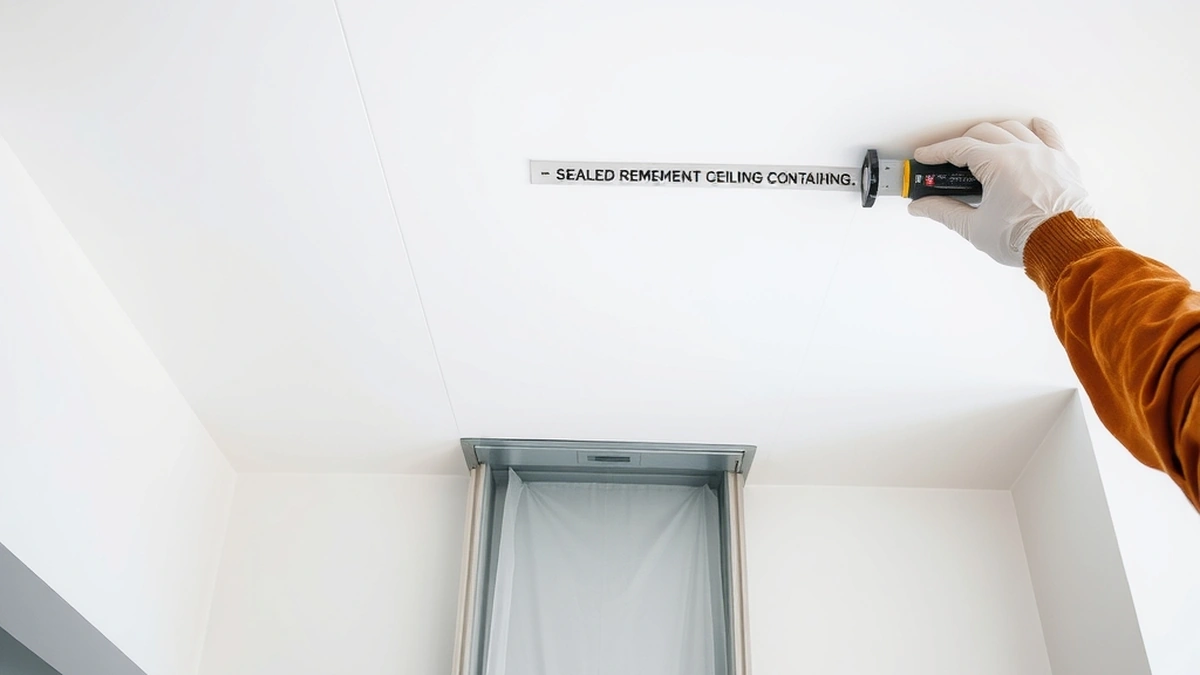
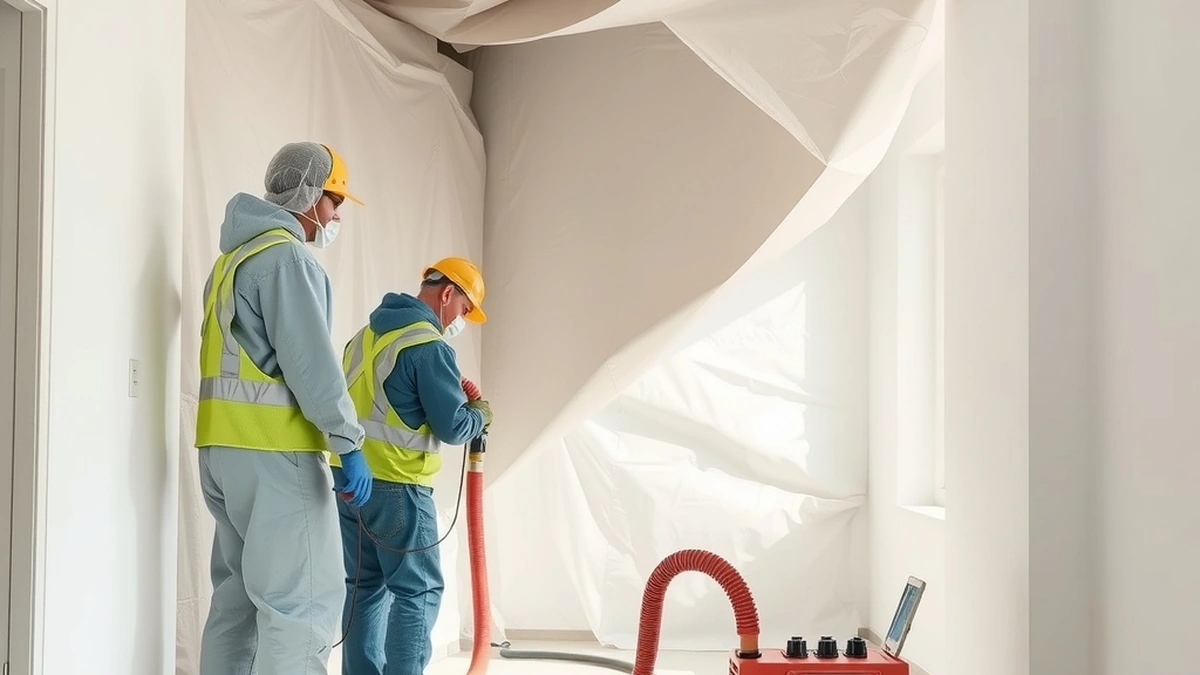
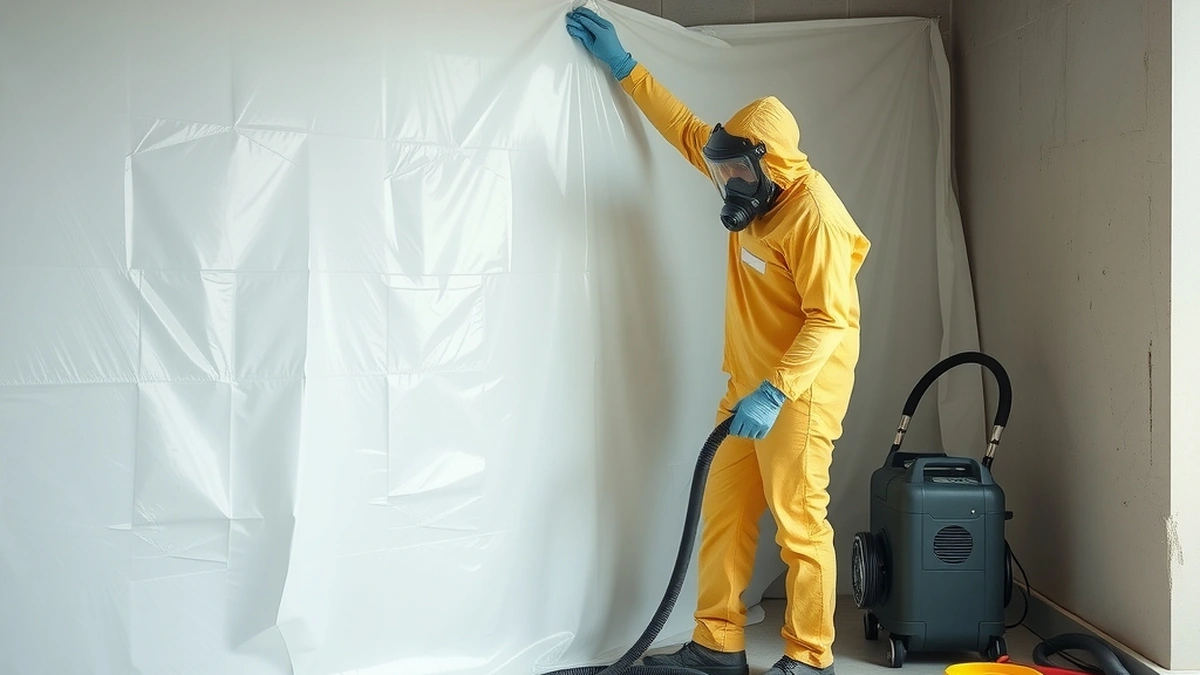
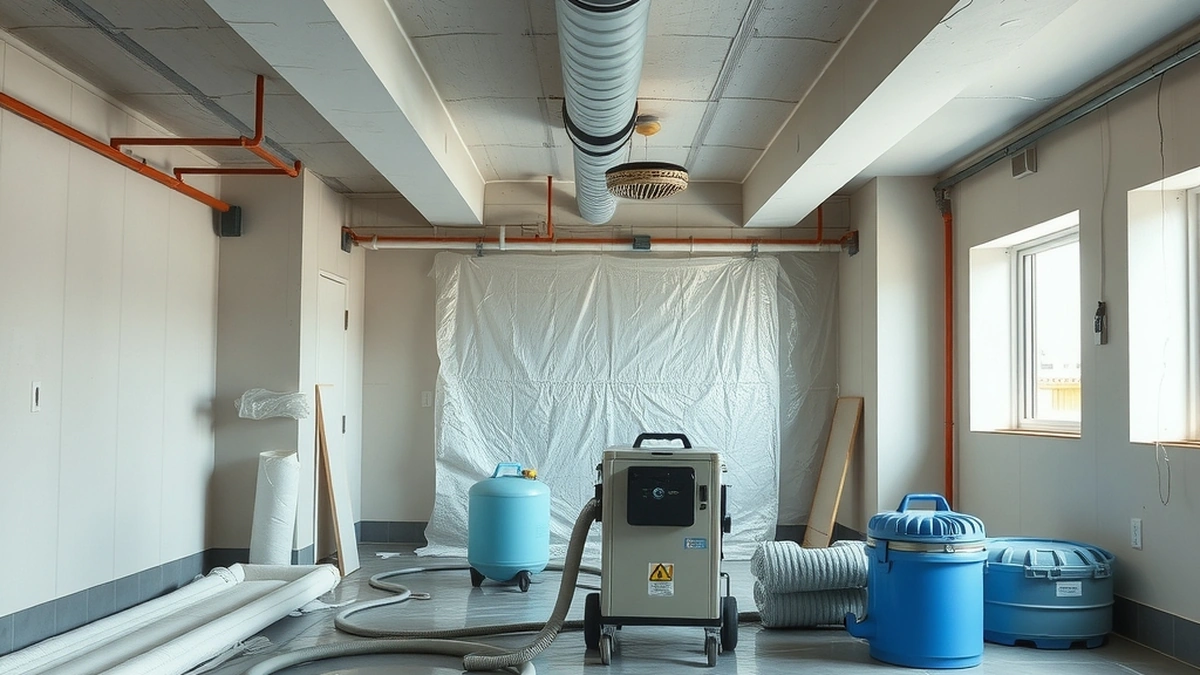
When wet removal is selected, the work area is sealed off with plastic sheeting and tape. Negative air machines with HEPA filters exhaust air to the outside, creating pressure that keeps fibers inside the containment. Workers wear respirators and disposable coveralls, and they pass through a decontamination area when leaving the work zone.
Material is wetted before removal and kept wet throughout the process. Removed material is placed in labeled, leak-tight containers and transported to an approved disposal site. After removal, surfaces are cleaned with HEPA vacuums and wet wiping. Air sampling may be conducted before containment is removed.
Wet removal is not a substitute for licensing or training. Water can create slip hazards, damage electrical systems, or spread contamination if runoff is not controlled. Professionals plan water application, containment drainage, and worker safety as part of the abatement design.
Choosing the Right Approach
The choice between removal and wet removal is not really an either-or decision. Wet removal is a method used within an abatement project when removal is the selected strategy. The real decision is whether to remove, encapsulate, or manage asbestos in place, and then which work practices best control fiber release during that work.
Start with testing and a survey to confirm asbestos presence. Then consult a licensed abatement contractor to evaluate material condition, regulatory requirements, and cost. Request a written scope that specifies whether wet removal, encapsulation, or another method will be used, and how clearance will be verified.
For help finding qualified providers, see our best asbestos removal overview. If you are considering whether any part of the work can be done without professionals, our DIY asbestos removal page explains why friable material should not be handled by untrained individuals. For broader project planning, our asbestos removal installation page covers what to expect when abatement is part of a renovation or rebuild.
All cost figures in this article are estimates. Actual prices depend on location, material condition, accessibility, disposal fees, and contractor rates. Always obtain a site-specific quote from a licensed asbestos abatement professional before beginning work.
Next, compare how much does asbestos removal cost, asbestos removal installation, asbestos removal repair before you commit.
Frequently asked questions
What is asbestos abatement?
Abatement is the regulated process of controlling asbestos-containing material through removal, enclosure, or encapsulation to reduce exposure risk.
What is wet removal?
Wet removal is a technique where asbestos material is kept saturated with water or amended water during abatement to suppress airborne fibers.
Is wet removal required by law?
Wet methods are commonly required under EPA and OSHA rules for many asbestos removal tasks, but specific requirements depend on material type and condition.
How much does abatement cost?
Professional asbestos abatement typically ranges from $20 to $50 per square foot, depending on material, location, and containment needs.
Can I remove asbestos myself?
DIY removal of friable asbestos is strongly discouraged; federal and state rules generally require licensed abatement contractors for regulated work.
Does testing come before abatement?
Yes, bulk sampling at $50–$150 per sample and a survey at $300–$800 usually precede abatement to confirm where asbestos is present.
Sources
Some links are affiliate links.If you buy through them we may earn a commission at no extra cost to you. We do not accept payment for rankings. Read the full disclosure.