Disposal vs Abatement: What's the Difference?
Learn the difference between asbestos disposal and abatement, including costs, regulations, and when each applies.
Abatement removes or seals asbestos hazards; disposal is the lawful transport and burial of abated waste. They are distinct steps in the same process.
- Abatement
- Removal, encapsulation, or enclosure of asbestos-containing material
- Disposal
- Sealed transport and landfill burial of asbestos waste
- Abatement cost
- $20–$50 per sq ft
- Disposal cost
- Typically bundled into abatement estimate
Some links on this page are affiliate links.If you buy through them we may earn a commission at no extra cost to you. We do not accept payment for rankings. Read the full disclosure.
Disposal and abatement are not interchangeable terms. Abatement refers to the removal, encapsulation, or enclosure of asbestos-containing material (ACM) to eliminate a hazard. Disposal refers to the lawful packaging, transport, and burial of the resulting waste at an approved facility. Understanding the difference matters because each step carries separate regulatory obligations, documentation requirements, and cost implications.
What Abatement Covers
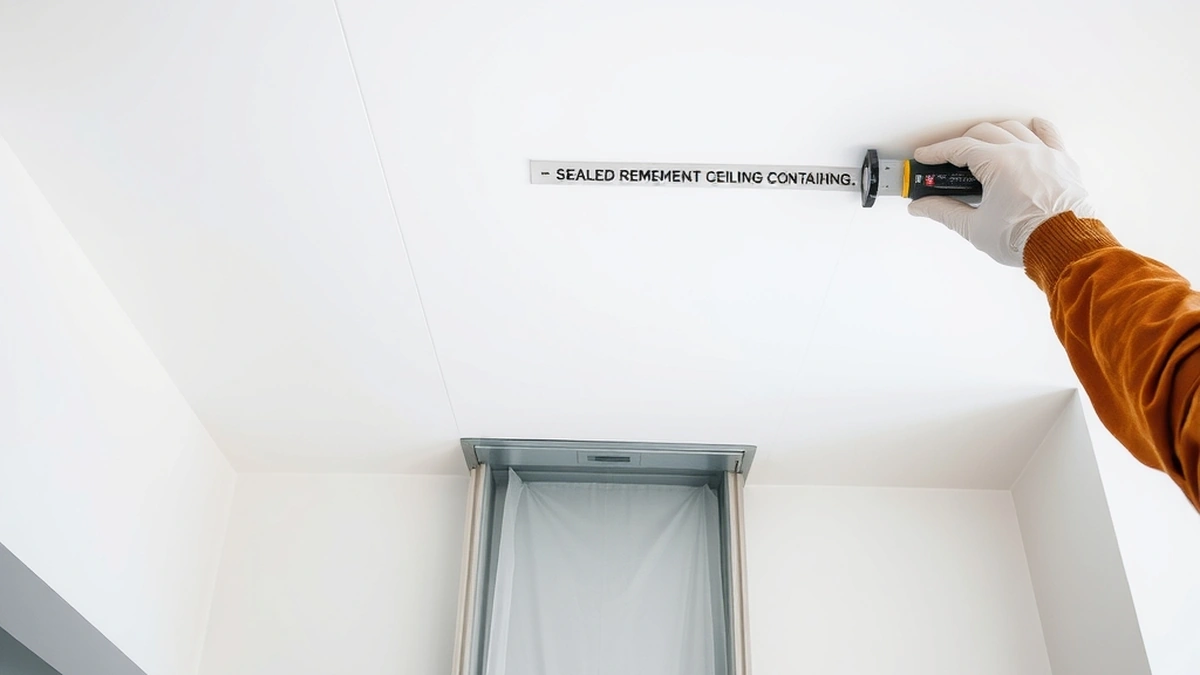
Asbestos abatement is the active process of addressing ACM in a building. Depending on the material and its condition, a licensed contractor may remove it entirely, encapsulate it with a sealant, or enclose it behind an airtight barrier. Friable material, which crumbles easily and releases fibers, generally requires removal rather than repair or encapsulation.
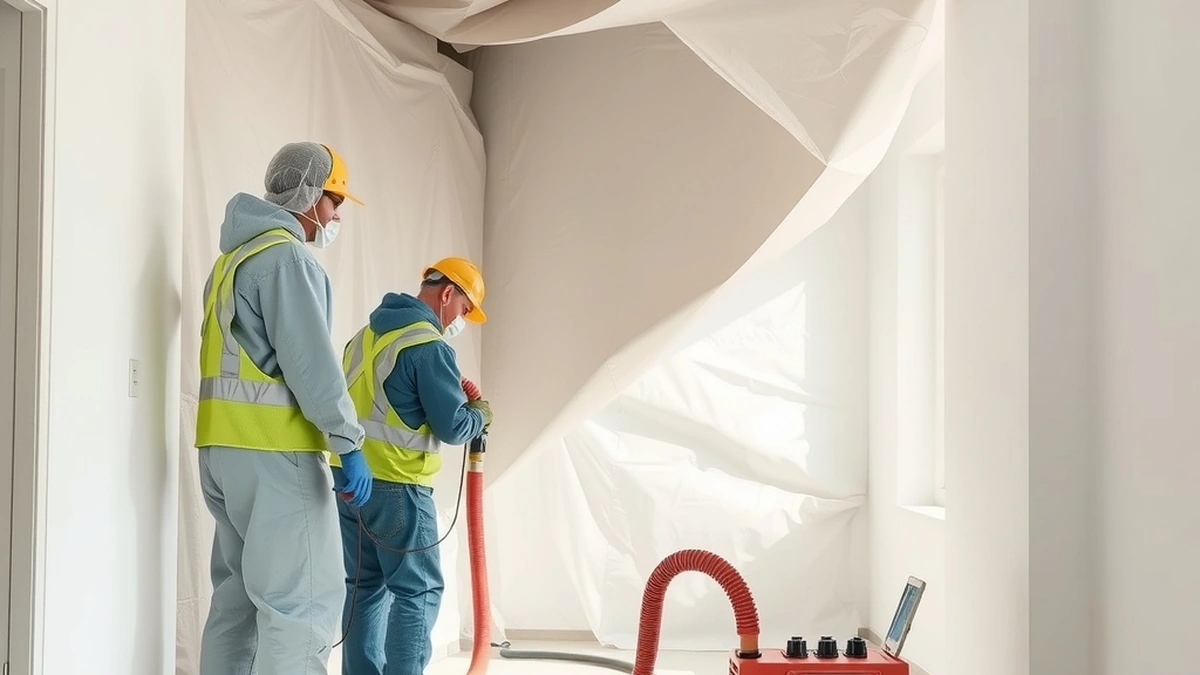
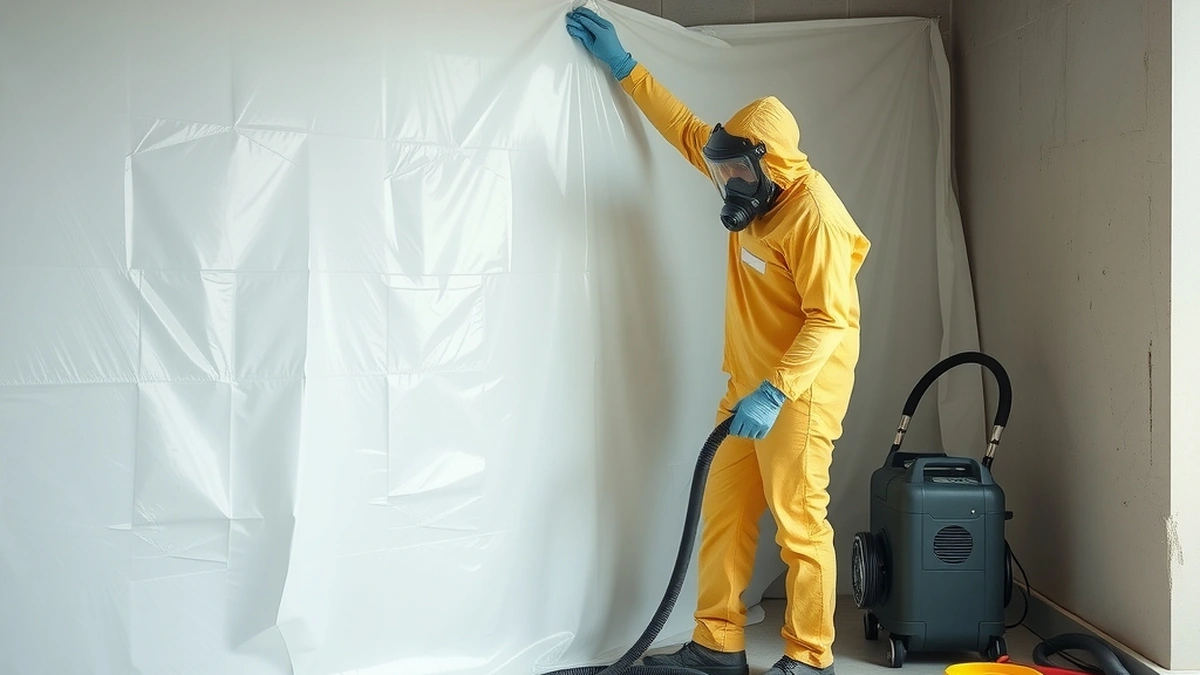
Abatement follows strict containment procedures. Workers seal off the area with plastic sheeting, create negative air pressure with HEPA filtration, wear respirators and disposable coveralls, and wet materials to suppress fiber release. After the work is complete, the area undergoes visual inspection and air clearance testing before reoccupation.
Costs vary by material and method. Full removal typically ranges from $20 to $50 per square foot. For example, abating 500 square feet of asbestos-containing floor tile at $10 to $25 per square foot would cost roughly $5,000 to $12,500. Pipe insulation removal runs $25 to $75 per linear foot, so 20 linear feet could cost $500 to $1,500. Encapsulation, when appropriate, costs $5 to $15 per square foot. These figures are estimates and depend on local labor rates, accessibility, and disposal fees.
What Disposal Covers
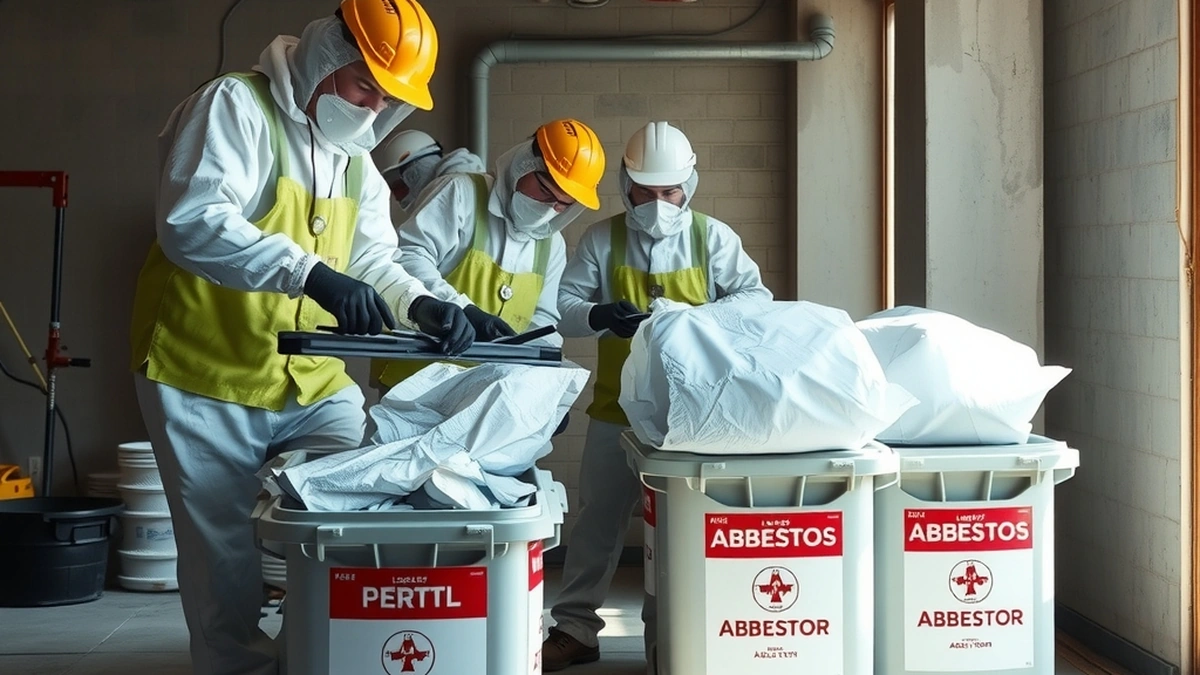
Disposal begins only after abatement is finished. Waste is wetted, sealed in leak-tight containers, and labeled according to EPA and Department of Transportation requirements. It is then transported to a landfill authorized to accept asbestos waste. The abatement contractor typically handles manifests and tracking documents that record where the waste originated and where it was buried.
Disposal costs are usually bundled into the abatement estimate rather than listed as a separate line item. Landfill tipping fees depend on weight and distance. If a project generates 2 tons of asbestos waste and the landfill charges $50 per ton, disposal fees add $100 to the project. Hauling those 2 tons 50 miles at a hypothetical $3 per mile adds $150 in transport. These numbers are illustrative; actual charges vary by facility and region.
Property owners should never place asbestos waste in regular trash or demolition debris. Illegal disposal can trigger enforcement action and cleanup liability. Licensed abatement firms maintain the permits and paperwork needed to demonstrate lawful handling from removal to final burial.
Testing Comes First
Before any abatement or disposal occurs, a building must be surveyed to confirm where asbestos exists. Bulk testing costs $50 to $150 per sample, and a full survey typically runs $300 to $800. Testing identifies the type and location of ACM, which determines whether removal, encapsulation, or enclosure is appropriate.
Skipping testing creates legal and safety risks. Disturbing material without knowing its asbestos content can expose workers and occupants to airborne fibers and may violate EPA and OSHA regulations. A survey report also helps contractors provide accurate abatement quotes because they know the square footage and material types involved.
For more on how testing fits into the overall process, see our comparison of asbestos removal vs asbestos testing.
Removal vs Encapsulation vs Enclosure
Abatement offers three primary approaches, and the choice affects both cost and long-term management.
Removal physically takes the ACM out of the building. It is the most permanent solution but also the most labor-intensive. Floor tile removal costs $10 to $25 per square foot, while pipe insulation removal runs $25 to $75 per linear foot. Once removed, the material is disposed of as asbestos waste.
Encapsulation applies a sealant that binds fibers in place so they cannot become airborne. It costs $5 to $15 per square foot and is less disruptive than removal, but the material remains in the building and may require future monitoring or abatement if damaged.
Enclosure builds a permanent barrier around the ACM, such as a sealed wall or ceiling. Like encapsulation, it leaves the material in place and imposes ongoing obligations to inspect and maintain the barrier.
Property owners should weigh upfront cost against long-term responsibility. Removal ends the hazard but costs more initially. Encapsulation and enclosure cost less but require continued management.
Regulatory Framework
Federal rules govern how asbestos is handled and discarded. The EPA regulates asbestos under the Clean Air Act and the Toxic Substances Control Act, including requirements for work practices, notification, and disposal. OSHA sets worker protection standards, including exposure limits, respirator requirements, and training for abatement crews. State and local agencies often add stricter rules, such as licensing for contractors and notification before demolition.
Disposal is regulated as a waste-handling activity. Asbestos waste must go to a permitted landfill, and transporters must follow packaging and labeling rules. Abatement contractors typically secure the necessary permits and provide waste shipment records. Property owners who hire unlicensed individuals or attempt to dispose of asbestos themselves risk fines and liability.
Cost Comparison at a Glance
| Service | Typical Cost Range | Unit |
|---|---|---|
| Bulk testing | $50–$150 | per sample |
| Asbestos survey | $300–$800 | per survey |
| Full abatement | $20–$50 | per sq ft |
| Pipe insulation removal | $25–$75 | per linear ft |
| Floor tile removal | $10–$25 | per sq ft |
| Encapsulation | $5–$15 | per sq ft |
These figures are estimates. A 1,000-square-foot area requiring full abatement at the midpoint of $35 per square foot would cost approximately $35,000. The same area encapsulated at $10 per square foot would cost roughly $10,000, but the asbestos would remain on-site under management requirements.
Choosing the Right Path
The decision between removal and disposal-friendly alternatives depends on material condition, renovation plans, and budget. Damaged or friable material usually requires removal because encapsulation cannot reliably contain deteriorating ACM. Intact material in good condition may qualify for encapsulation or enclosure, lowering immediate cost but extending long-term obligations.
Disposal is not a standalone alternative to abatement. You cannot dispose of asbestos in place; you must first abate it, then dispose of the waste. If a contractor quotes disposal without describing containment, removal, encapsulation, or air clearance, the scope is incomplete.
Property owners should obtain written estimates that separate testing, abatement, and disposal where possible, and confirm that the contractor holds required licenses and insurance. For broader pricing context, see our guide on asbestos removal cost per square foot.
When asbestos is confirmed, licensed abatement is the only appropriate path for friable material. Attempting removal without training and containment risks fiber release, regulatory violations, and exposure. For information on why untrained handling is discouraged, review our overview of DIY asbestos removal.
Abatement and disposal are sequential steps in a regulated process. Abatement removes or seals the hazard; disposal lawfully buries the waste. Testing identifies what is present, containment protects workers during abatement, and manifests document that waste reached an approved facility. Property owners should treat both stages as essential and rely on licensed professionals for execution.
Frequently asked questions
What is asbestos abatement?
Abatement is the controlled removal, encapsulation, or enclosure of asbestos-containing material performed by licensed professionals under EPA and OSHA rules.
What is asbestos disposal?
Disposal is the lawful packaging, transport, and burial of asbestos waste at an approved landfill after abatement is complete.
Can I dispose of asbestos myself?
Homeowners should not handle friable asbestos waste; licensed abatement contractors manage containment, transport, and disposal documentation.
How much does abatement cost?
Professional abatement typically runs $20 to $50 per square foot, depending on material, location, and containment requirements.
Is encapsulation cheaper than removal?
Yes, encapsulation generally costs $5 to $15 per square foot, while full removal runs $20 to $50 per square foot.
Do I need testing before abatement?
Yes. Bulk testing costs $50 to $150 per sample and surveys run $300 to $800 to confirm where asbestos is present before work begins.
Sources
Some links are affiliate links.If you buy through them we may earn a commission at no extra cost to you. We do not accept payment for rankings. Read the full disclosure.