Cement Siding: Warning Signs of Asbestos
Learn how to spot damaged cement siding that may contain asbestos, when to test, and what abatement or encapsulation typically costs.
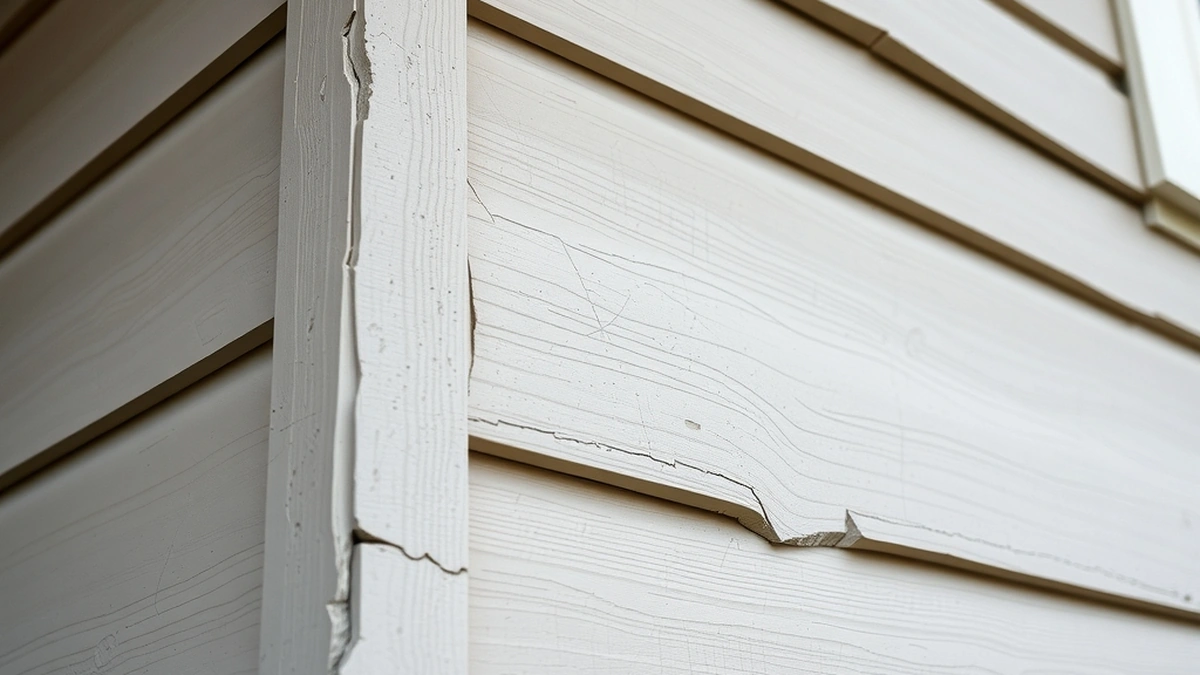
Cracked, crumbling, or weathered cement siding installed before the 1980s may release asbestos fibers and should be inspected by a professional before any repair or removal.
- Common age range
- Pre-1980s homes
- Bulk testing
- $50–$150 per sample
- Asbestos survey
- $300–$800
- Abatement
- $20–$50 per sq ft
- Encapsulation
- $5–$15 per sq ft
Some links on this page are affiliate links.If you buy through them we may earn a commission at no extra cost to you. We do not accept payment for rankings. Read the full disclosure.
Cement siding installed on homes built before the 1980s may contain asbestos fibers. When the siding is intact and undisturbed, it generally poses a lower risk, but cracking, chipping, or weathering can turn it into a hazard. Recognizing the warning signs early helps homeowners decide when to call a professional for testing and abatement.
Why Cement Siding May Contain Asbestos
Manufacturers once added asbestos to cement siding to improve strength, durability, and fire resistance. If your home was built or sided before the 1980s, there is a reasonable chance the cement siding contains asbestos. The fibers are typically bound within the cement matrix, which means the material is often non-friable when it is in good condition. Non-friable asbestos does not crumble easily under hand pressure and is less likely to release fibers simply by sitting on a wall.
The risk changes when the material deteriorates. Once cement siding cracks, breaks, or is cut during renovation, the bound fibers can become airborne. Inhaling those fibers is the primary health concern associated with asbestos exposure. Because you cannot identify asbestos by sight alone, visual warning signs should prompt testing rather than assumptions.
Visible Warning Signs on Cement Siding
Homeowners should inspect cement siding regularly for specific indicators of damage and aging. The following signs suggest the material may be compromised and should be evaluated by a qualified professional:
- Cracks running through individual shingles or panels
- Chipped or broken edges, especially near the bottom of walls
- Sections that appear spongy, soft, or crumbly when touched
- Discoloration or staining that suggests water infiltration
- Missing fasteners or loose panels that shift under pressure
- Previous repair patches that look mismatched or poorly sealed
- Dust or debris accumulating at the base of the siding after wind or rain
A single hairline crack may not be an emergency, but widespread cracking or pieces falling off the wall indicates the siding is no longer intact. At that point, disturbing the material through scraping, sanding, or power washing could release asbestos fibers into the air.
When Weathering Becomes a Problem
Cement siding is designed to last for decades, but freeze-thaw cycles, moisture intrusion, and impact damage take a toll. In colder climates, water that penetrates small cracks can freeze and expand, widening the damage over time. In humid regions, persistent moisture can promote surface deterioration and make the cement more porous.
If you notice siding that flakes like old paint or crumbles when gently pressed, treat it as potentially friable. Friable asbestos material can release fibers with minimal disturbance, which raises the exposure risk for anyone nearby. Do not attempt to sweep, vacuum, or hose down damaged siding before a professional assessment. Dry sweeping in particular can lift fine particles into the breathing zone.
Testing Costs and What to Expect
Before any abatement work begins, a professional should confirm whether the siding contains asbestos. Bulk sampling typically costs $50–$150 per sample. A full asbestos survey, which may include multiple samples and a written report, generally ranges from $300–$800 depending on the size of the property and the number of areas tested.
For example, if a contractor collects four siding samples from different elevations of a house, the laboratory analysis alone could cost roughly $200–$600. Adding a site visit and report brings the total closer to the survey range. These figures are estimates, and actual prices vary by location and contractor.
Testing matters because it determines the next steps. If the siding is asbestos-free, you can proceed with ordinary repairs or replacement. If it contains asbestos, you need a plan for encapsulation, repair, or removal by a licensed abatement contractor.
Abatement and Encapsulation Costs
When asbestos cement siding is damaged beyond simple repair, abatement is usually the safest path. Full asbestos abatement for siding typically costs $20–$50 per square foot. For a 1,000-square-foot wall area, that works out to an estimated $20,000–$50,000, though actual quotes depend on site access, disposal fees, and local labor rates.
Encapsulation is sometimes an alternative when the siding is still largely intact but showing early signs of wear. This process involves applying a sealant or covering over the material to lock fibers in place. Encapsulation generally costs $5–$15 per square foot. For the same 1,000-square-foot area, the estimated range is $5,000–$15,000. Encapsulation is not appropriate for siding that is already crumbling or breaking apart, because the sealant cannot restore structural integrity.
If your project involves other building components, keep these reference prices in mind. Pipe insulation removal typically runs $25–$75 per linear foot. Floor tile removal usually costs $10–$25 per square foot. These are separate from siding work but may appear in a whole-home abatement estimate.
What Not to Do With Damaged Siding
DIY removal of asbestos cement siding is strongly discouraged, especially when the material is friable or broken. Power tools, saws, and sanders can pulverize the cement and release high concentrations of fibers. Even hand removal can create dust if the siding snaps or crumbles during prying.
Homeowners should also avoid:
- Pressure washing older cement siding
- Scraping or wire brushing the surface
- Sanding edges to prepare for paint
- Removing panels without containment and negative air controls
- Disposing of siding debris in household trash
Asbestos waste is regulated and must be handled, transported, and disposed of according to federal and local requirements. Improper disposal can create liability and expose neighbors or waste workers to fibers.
If you are considering any exterior renovation that involves siding, review your options carefully. For general cost context, see our guide on asbestos removal cost per square foot. For a comparison between testing and abatement, see asbestos removal vs asbestos testing.
Working With Licensed Professionals
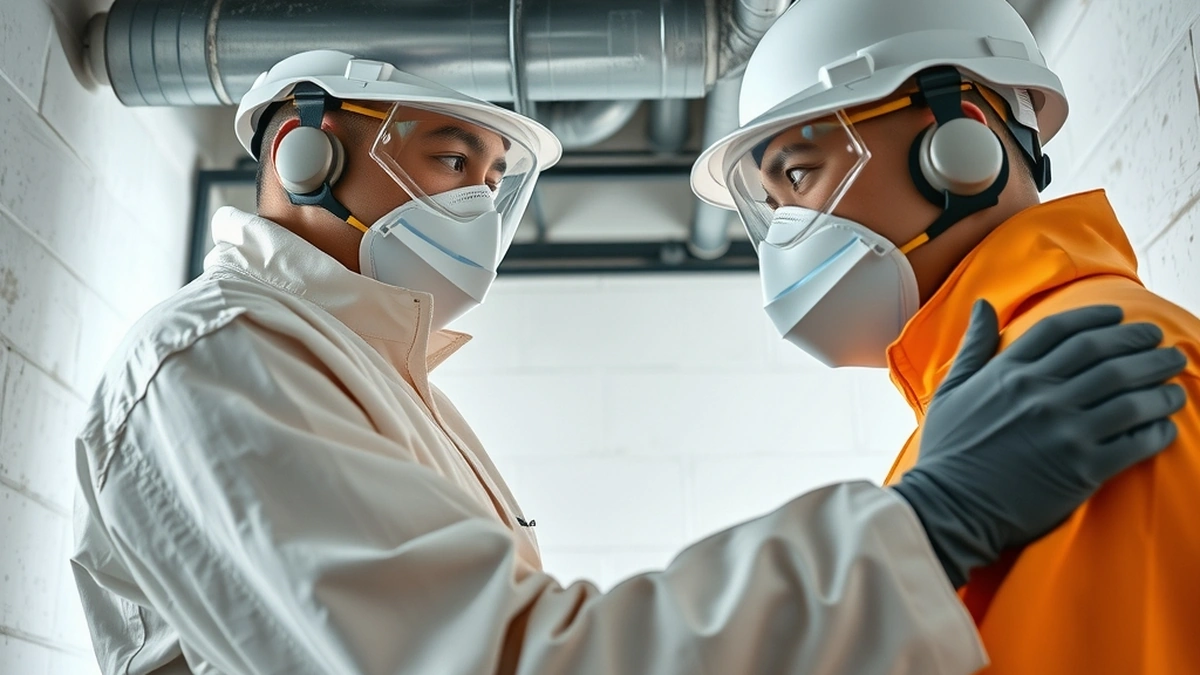
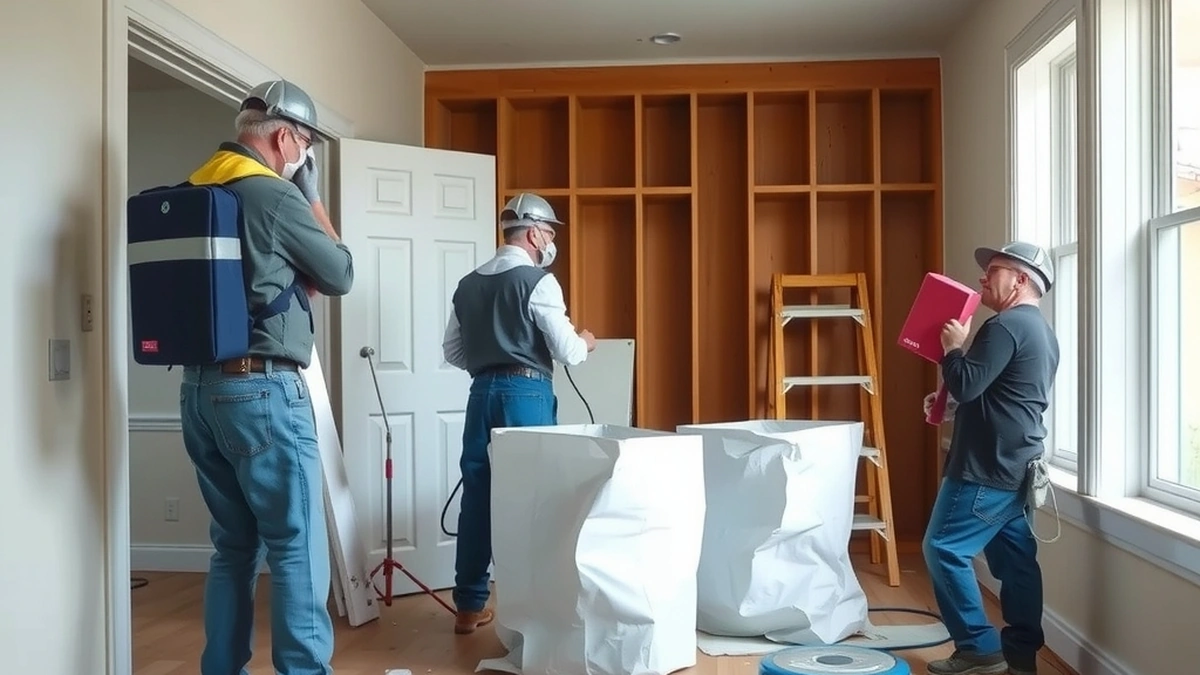
Asbestos abatement contractors are trained to contain work areas, use negative air pressure where required, wear appropriate respiratory protection, and dispose of waste at approved facilities. When hiring a contractor, ask for proof of licensing, insurance, and experience with exterior cement siding specifically.
A professional inspection should include a visual assessment, sample collection, and a written recommendation. If abatement is required, the contractor should provide a scope of work that outlines containment methods, removal techniques, clearance testing, and disposal documentation.
For broader context on what abatement projects involve, see our overview of how much does asbestos removal cost. If your siding needs repair rather than full removal, our page on asbestos removal repair covers limited intervention options. Ongoing care for intact asbestos materials is addressed in asbestos removal maintenance.
Long-Term Monitoring and Maintenance
Even if your cement siding tests positive for asbestos but remains in good condition, it does not necessarily require immediate removal. Intact, non-friable asbestos cement siding can often be left in place and monitored. Set a schedule to inspect the siding at least once a year, and after major storms or impacts.
Look for new cracks, loose panels, or signs of water damage. Keep vegetation trimmed away from the walls to reduce moisture retention and physical contact. If you plan to repaint the house, consult an asbestos professional before any surface preparation that could disturb the siding.
For homes where asbestos materials are present but stable, a maintenance plan can help prevent small issues from becoming expensive abatement projects. Our asbestos removal maintenance page outlines routine checks and record-keeping practices that support long-term safety.
Bottom Line
Cement siding warning signs include cracks, chips, crumbling edges, loose panels, and debris at the base of the wall. If your home was built before the 1980s, treat damaged cement siding as potentially containing asbestos until testing proves otherwise. Avoid DIY removal or surface disturbance, and contact a licensed professional for sampling and abatement guidance.
Testing typically costs $50–$150 per sample, with surveys ranging from $300–$800. Abatement generally runs $20–$50 per square foot, while encapsulation may cost $5–$15 per square foot where appropriate. Acting early can protect your household and prevent fiber release during routine home maintenance.
Frequently asked questions
Does all cement siding contain asbestos?
No. Cement siding made after the 1980s is less likely to contain asbestos, but only laboratory testing can confirm whether older siding contains asbestos fibers.
Can I paint over damaged asbestos cement siding?
Painting damaged siding does not make it safe. Disturbing the surface during prep can release fibers, so a professional assessment should come first.
How do I know if my siding is friable?
Friable material crumbles under hand pressure. Cement siding is often non-friable when intact, but weathering, cracking, or breakage can make it hazardous.
What should I do if I see broken siding?
Avoid touching or sweeping the area, keep people away, and contact a licensed asbestos professional for testing and abatement options.
Is encapsulation cheaper than removal?
Encapsulation often costs $5–$15 per sq ft, while full abatement typically runs $20–$50 per sq ft, though encapsulation is not appropriate for every condition.
Who can legally remove asbestos siding?
Licensed asbestos abatement contractors should handle removal. DIY removal of friable or damaged asbestos material is strongly discouraged.
Sources
Some links are affiliate links.If you buy through them we may earn a commission at no extra cost to you. We do not accept payment for rankings. Read the full disclosure.