Wet Removal Cost for Asbestos Abatement
Professional wet removal cost estimates for asbestos abatement, including pricing factors, containment, and licensed contractor requirements.
Wet asbestos removal typically costs $20 to $50 per square foot, with total project prices driven by material type, square footage, containment, and disposal fees.
- Typical abatement range
- $20–$50 per sq ft
- Pipe insulation removal
- $25–$75 per linear ft
- Floor tile removal
- $10–$25 per sq ft
- Encapsulation alternative
- $5–$15 per sq ft
- Asbestos survey
- $300–$800
Some links on this page are affiliate links.If you buy through them we may earn a commission at no extra cost to you. We do not accept payment for rankings. Read the full disclosure.
Wet removal cost depends on the material being abated, the size of the work area, and the containment required to keep fibers from becoming airborne. For most residential and commercial projects, licensed contractors price asbestos abatement between $20 and $50 per square foot. Pipe insulation removal typically runs $25 to $75 per linear foot, while floor tile removal averages $10 to $25 per square foot.
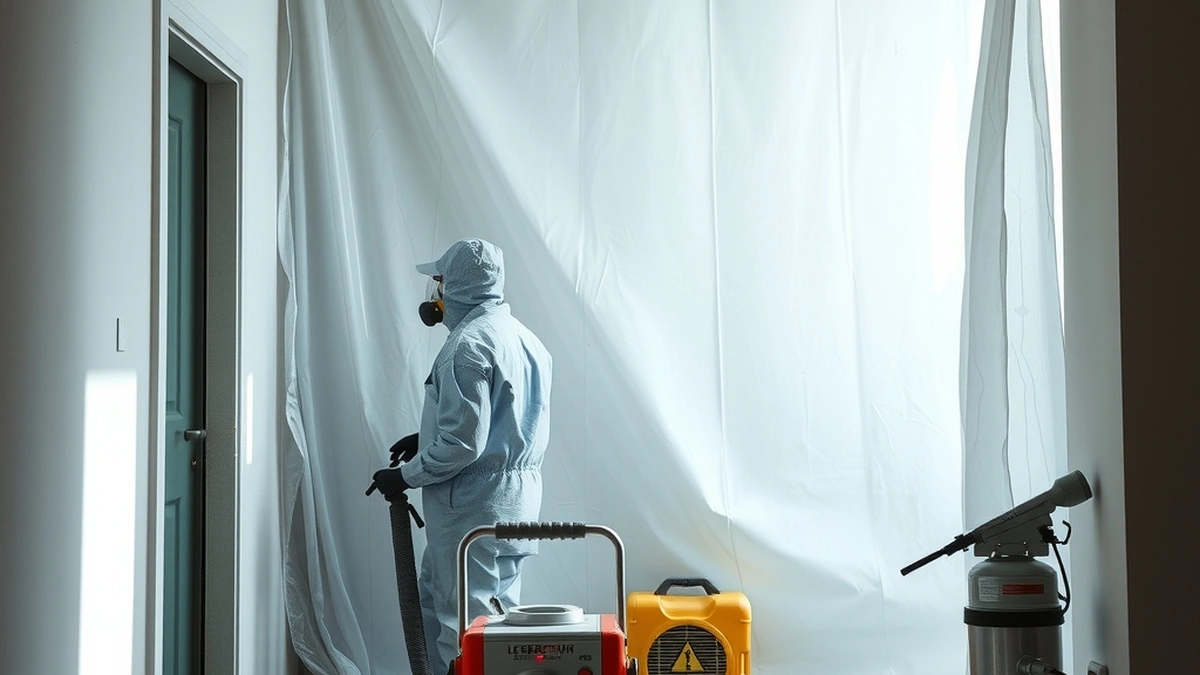
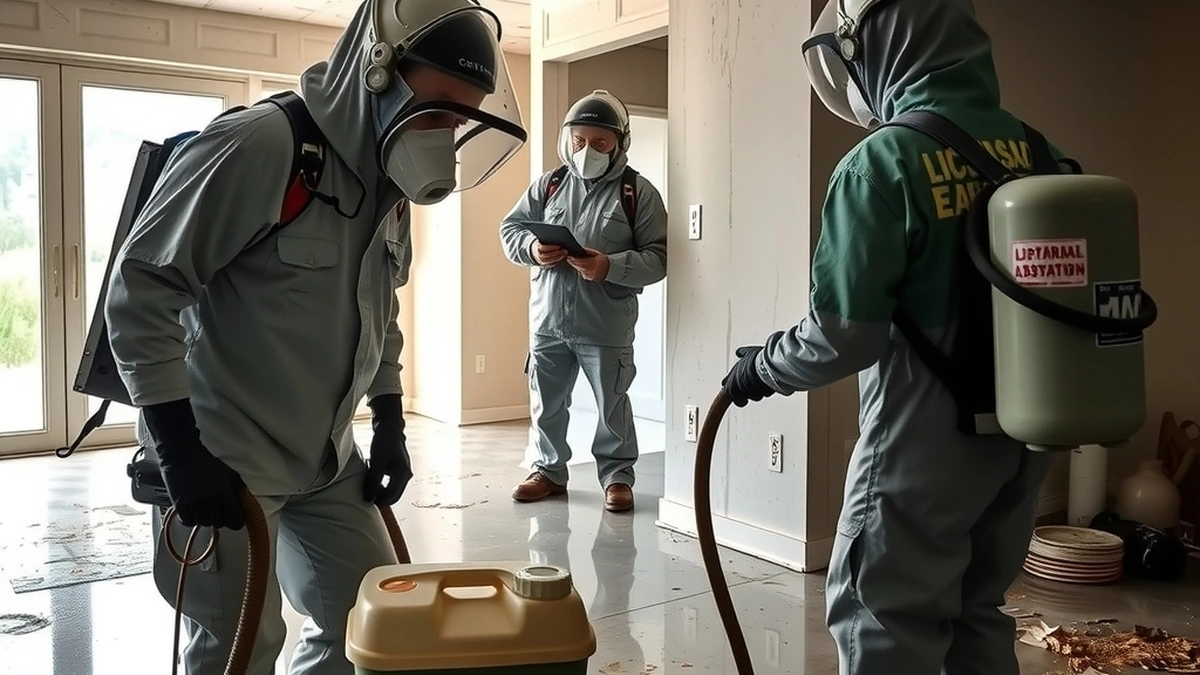
Wet removal is an abatement method in which asbestos-containing material is saturated with water or a surfactant solution before and during removal. Keeping the material wet reduces the release of respirable fibers, which is why it is commonly specified for friable asbestos such as pipe insulation, boiler wrapping, and sprayed-on fireproofing. Because the process requires containment, negative air pressure, decontamination units, and regulated waste disposal, it is not a task for untrained property owners.
What Drives Wet Removal Pricing
Contractors calculate wet removal cost based on several measurable factors. The first is the type of material. Thermal system insulation on pipes and ducts is priced by linear foot, while floor tiles, ceiling tiles, and wall panels are priced by square foot. The second factor is accessibility. Material located behind walls, above ceilings, or in crawl spaces requires additional demolition and reconstruction, which adds labor hours.
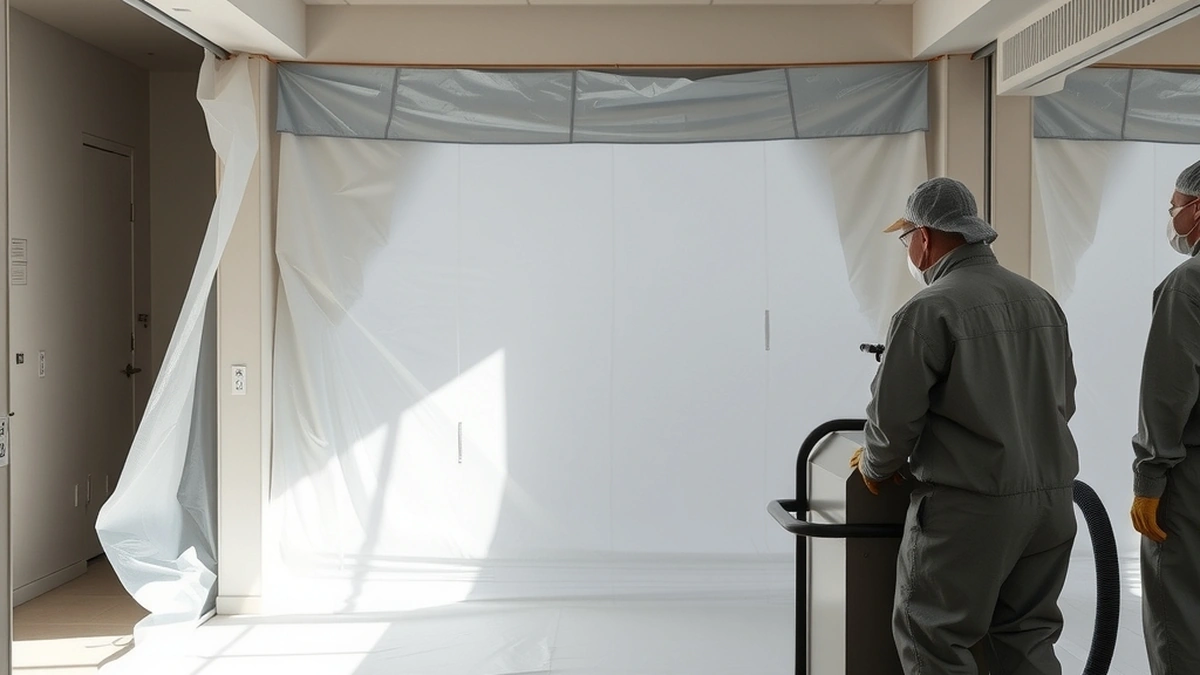
The third factor is containment. A small pipe segment in a basement may need a mini-containment of a few hundred square feet, while a full-building floor tile removal may require sealing an entire level with polyethylene sheeting, establishing negative air machines, and installing worker decontamination chambers. Each layer of containment increases material and labor costs.
Disposal is another significant line item. Asbestos waste must be bagged in labeled, leak-tight containers, transported by a licensed hauler, and disposed of at an approved landfill. Tipping fees vary by region and weight, so heavier materials such as asbestos cement board generally cost more to dispose of than lightweight insulation.
Sample Cost Arithmetic
To illustrate how estimates are built, consider a 400-square-foot basement with asbestos-containing floor tile. At $10 to $25 per square foot, the removal range is:
- Low estimate: 400 sq ft × $10 = $4,000
- High estimate: 400 sq ft × $25 = $10,000
If the same basement contains 100 linear feet of asbestos pipe insulation priced at $25 to $75 per linear foot, the range is:
- Low estimate: 100 linear ft × $25 = $2,500
- High estimate: 100 linear ft × $75 = $7,500
Combining both scope items produces a project range of $6,500 to $17,500 before survey, testing, clearance, and disposal fees. These figures are estimates only; actual quotes depend on site conditions and local labor rates.
Testing and survey costs are separate from removal. Bulk sampling typically costs $50 to $150 per sample, and a full asbestos survey often runs $300 to $800. Clearance testing after abatement confirms that the area meets re-occupancy standards and is usually quoted separately by the testing firm.
Wet Removal vs. Encapsulation
Encapsulation is sometimes presented as a lower-cost alternative to removal. It involves applying a sealant or binding agent over asbestos-containing material so fibers cannot become airborne. Encapsulation generally costs $5 to $15 per square foot, which is less than full wet removal. However, encapsulation leaves the asbestos in place. Future renovations, damage, or deterioration can still require complete abatement later.
Wet removal permanently removes the material from the building. It is typically required when the material is already damaged, when renovation or demolition will disturb it, or when building owners want to eliminate future liability. Choosing between removal and encapsulation should be based on a licensed inspector’s assessment and the building’s long-term plans, not price alone.
Why Licensed Contractors Are Required
Federal and state regulations treat asbestos as a hazardous material. The EPA regulates asbestos under the Clean Air Act and the Asbestos Hazard Emergency Response Act, while OSHA sets worker protection standards for airborne exposure. HUD provides guidance for asbestos in housing, particularly during renovation and demolition of federally assisted properties.
Because of these regulations, wet removal of friable asbestos should only be performed by licensed asbestos abatement contractors. These professionals are trained in containment setup, negative air pressure, worker decontamination, wet methods, and proper waste manifesting. Attempting this work without licensing and equipment risks exposure, regulatory violations, and costly cleanup of contaminated areas.
Property owners should verify a contractor’s license, insurance, and asbestos-specific credentials before signing a contract. A reputable abatement firm will provide a written scope of work, explain containment and disposal procedures, and arrange third-party clearance testing after the job is complete.
The Role of Testing Before Removal
No abatement project should begin without confirmed sampling. Bulk testing identifies whether suspect material contains asbestos and at what concentration. A survey maps the location, condition, and quantity of asbestos-containing materials throughout the building. This information determines whether wet removal is necessary, which containment level is required, and how waste should be handled.
Testing costs are modest compared with abatement, but they are essential. A $50 to $150 per sample bulk test or a $300 to $800 survey can prevent unnecessary removal of non-asbestos material and ensure that all contaminated areas are included in the contract. For more on how testing fits into the overall process, see our overview of asbestos removal versus asbestos testing.
Hidden Costs to Budget For
Beyond the per-square-foot or per-linear-foot removal rate, several additional costs commonly appear on abatement invoices. Mobilization fees cover the transport of containment materials, negative air machines, and decontamination units to the job site. Air monitoring during and after removal verifies that fiber levels remain below regulatory limits. Clearance testing by an independent inspector is often required before the area can be reoccupied.
If asbestos is found in multiple rooms or systems, the project may be phased to keep other parts of the building usable. Phasing increases setup and teardown costs because containment must be built and removed multiple times. Reconstruction after removal—such as replacing floor tile, drywall, or pipe insulation—is typically priced separately by a general contractor and is not included in the abatement quote.
Getting an Accurate Quote
The most reliable way to determine wet removal cost for a specific property is to schedule an on-site inspection by a licensed asbestos consultant or abatement contractor. The inspector will identify suspect materials, collect bulk samples, assess condition and accessibility, and provide a written estimate that includes testing, containment, removal, disposal, and clearance.
For broader pricing context, readers can review our general guide on how much asbestos removal costs, our breakdown of asbestos removal cost per square foot, and our comparison of asbestos removal versus asbestos testing. Property owners considering related work may also find information on asbestos removal installation, repair, and maintenance, as well as our list of best asbestos removal practices. We strongly advise against DIY removal of friable asbestos; licensed professionals should handle all regulated abatement.
Wet removal is a regulated, labor-intensive process, and its cost reflects the engineering controls, worker protection, and lawful disposal required to complete it safely. Estimates should always be treated as planning figures until a licensed contractor inspects the site and issues a firm quote.
Next, compare how much does asbestos removal cost, asbestos removal installation, asbestos removal repair before you commit.
Frequently asked questions
What is wet removal?
Wet removal is a regulated abatement method where asbestos-containing material is kept saturated during removal to suppress airborne fibers.
How much does wet removal cost per square foot?
Professional asbestos abatement using wet removal methods generally ranges from $20 to $50 per square foot, depending on material and site conditions.
Does wet removal cost more than encapsulation?
Yes. Encapsulation typically runs $5 to $15 per square foot, while full wet removal usually costs $20 to $50 per square foot.
Is testing required before wet removal?
Yes. Bulk sampling costs $50 to $150 per sample, and a full survey often runs $300 to $800 before any abatement work begins.
Can homeowners do wet removal themselves?
No. Friable asbestos removal should be performed by licensed abatement contractors using containment, negative air, and proper disposal.
What affects wet removal pricing?
Material type, linear or square footage, containment size, negative air requirements, waste disposal, and regional labor rates all influence cost.
Sources
Some links are affiliate links.If you buy through them we may earn a commission at no extra cost to you. We do not accept payment for rankings. Read the full disclosure.