Vermiculite Insulation: What a Fix Costs
Vermiculite insulation abatement costs, testing fees, and removal estimates for US homes. Professional pricing and safety guidance.
Professional vermiculite insulation abatement typically runs $20 to $50 per square foot, with testing at $50–$150 per sample and surveys at $300–$800.
- Bulk testing
- $50–$150 per sample
- Asbestos survey
- $300–$800
- Abatement
- $20–$50 per sq ft
- Pipe insulation removal
- $25–$75 per linear ft
- Floor tile removal
- $10–$25 per sq ft
Some links on this page are affiliate links.If you buy through them we may earn a commission at no extra cost to you. We do not accept payment for rankings. Read the full disclosure.
Vermiculite insulation abatement typically costs between $20 and $50 per square foot, depending on the size of the area, accessibility, and whether full removal or encapsulation is chosen. Testing and survey fees add several hundred dollars to the total, and most homeowners should expect a multi-stage project rather than a same-day fix. Because vermiculite can contain asbestos, the work should be handled by licensed professionals.
What Vermiculite Insulation Is
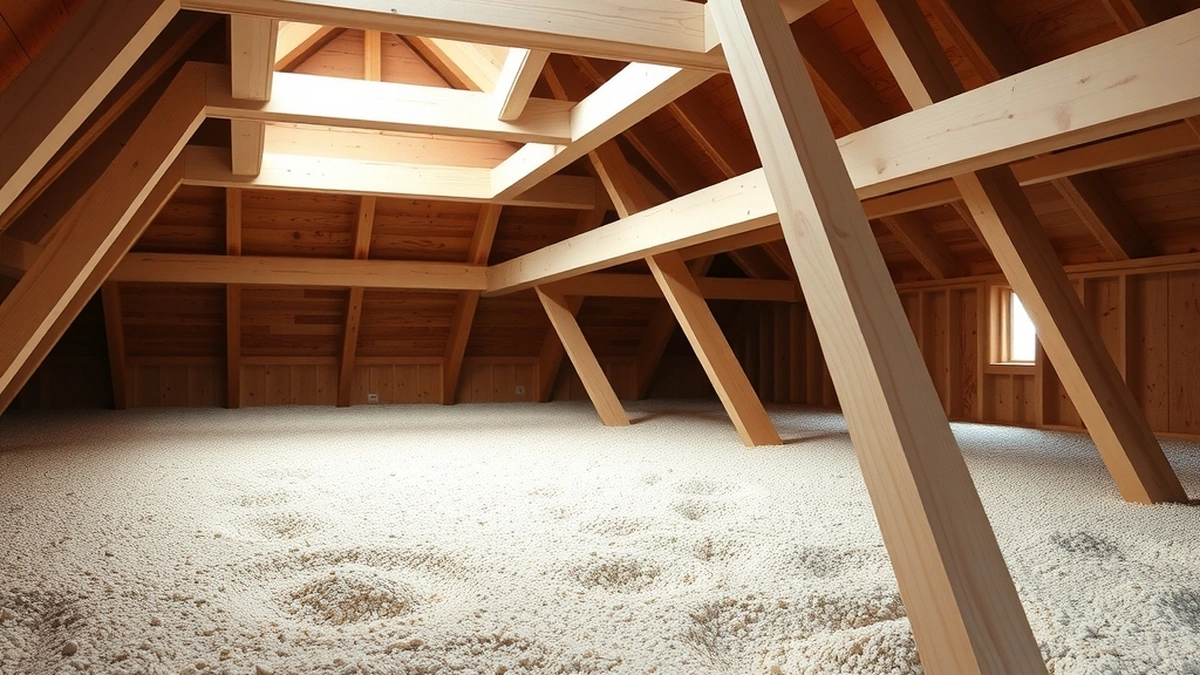
Vermiculite is a naturally occurring mineral that expands when heated, creating a lightweight, fire-resistant material once commonly poured or blown into attics and wall cavities. Much of the vermiculite insulation sold in the United States between the 1920s and 1990s came from a mine in Libby, Montana, that was contaminated with asbestos. Not every bag of vermiculite contains asbestos, but the association is strong enough that regulators and safety agencies treat undisturbed vermiculite as a potential hazard until testing proves otherwise.
The material looks like small, pebble-like granules, often grayish-brown or silvery-gold. It may be found in attics, inside walls, or around chimneys and flues. If your home was built before 1990 and has loose-fill insulation that matches this description, you should assume it could contain asbestos until a laboratory says otherwise.
Testing and Survey Costs
Before any abatement work begins, you need to know whether the material actually contains asbestos. Bulk testing generally runs $50 to $150 per sample. An inspector typically collects multiple samples from different parts of the attic or wall cavities, so the total testing cost depends on how many samples are required.
A full asbestos survey usually costs $300 to $800. This includes visual inspection, sample collection, chain-of-custody documentation, and laboratory analysis. The survey report tells you where asbestos is present, how much material is involved, and whether the material is friable—meaning it can be crumbled by hand pressure and is more likely to release fibers when disturbed.
These figures are estimates. Actual prices vary by region, inspector availability, and the number of samples needed. You can learn more about how testing fits into the overall process at /asbestos-removal-vs-asbestos-testing/.
Abatement Costs by Method
When asbestos-containing vermiculite is confirmed, the next decision is removal versus encapsulation. Full abatement typically costs $20 to $50 per square foot. For a 1,000-square-foot attic, that works out to roughly $20,000 to $50,000. For a 1,500-square-foot attic, the range is about $30,000 to $75,000.
Encapsulation is less expensive, at roughly $5 to $15 per square foot. The same 1,000-square-foot attic would cost approximately $5,000 to $15,000 to encapsulate. Encapsulation seals the material in place rather than removing it, which can be appropriate when the insulation is in good condition and unlikely to be disturbed. However, encapsulation does not eliminate the material, and future buyers or renovators will still need to deal with it.
Other related removal costs include pipe insulation at $25 to $75 per linear foot and floor tile removal at $10 to $25 per square foot. These are separate line items if your project involves more than attic insulation.
| Item | Cost Range | Unit |
|---|---|---|
| Bulk testing | $50–$150 | per sample |
| Asbestos survey | $300–$800 | per survey |
| Vermiculite abatement | $20–$50 | per sq ft |
| Encapsulation | $5–$15 | per sq ft |
| Pipe insulation removal | $25–$75 | per linear ft |
| Floor tile removal | $10–$25 | per sq ft |
These numbers are estimates and should be confirmed with a licensed contractor after an on-site inspection.
What Drives the Price Up or Down
Several factors move the final cost within or beyond the ranges above. Accessibility is a major one. An open attic with easy entry is simpler to contain and clean than insulation tucked behind finished walls or under multiple layers of flooring. If contractors must remove drywall or flooring to reach the vermiculite, labor and disposal costs rise.
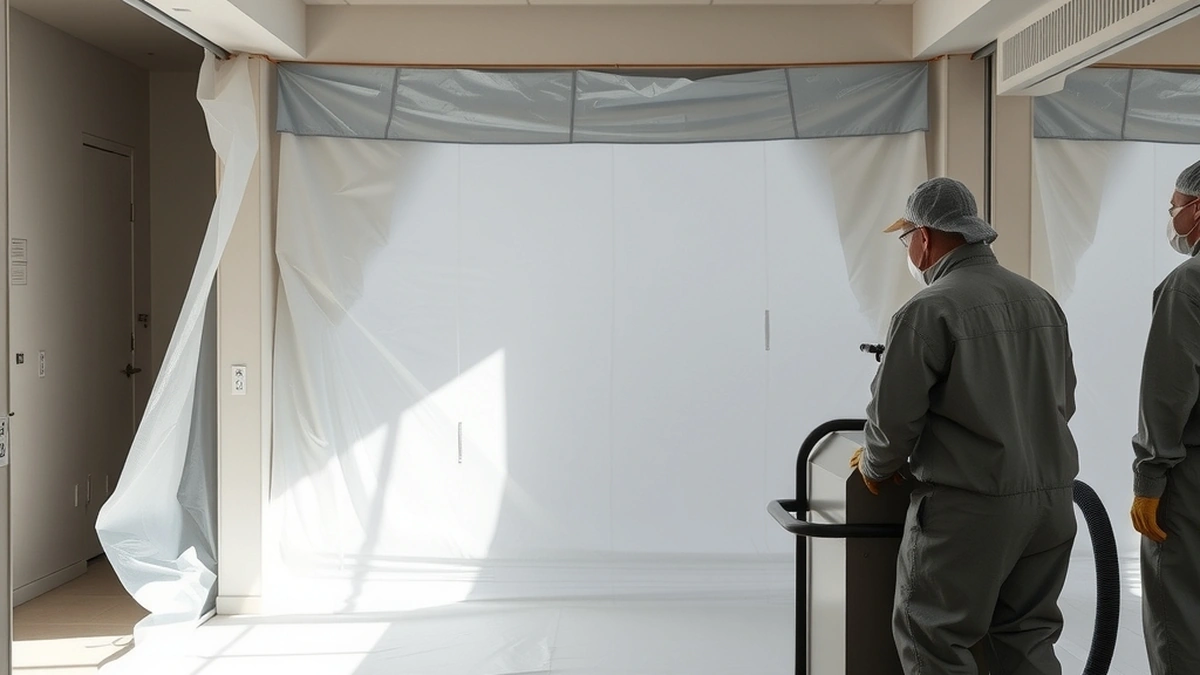
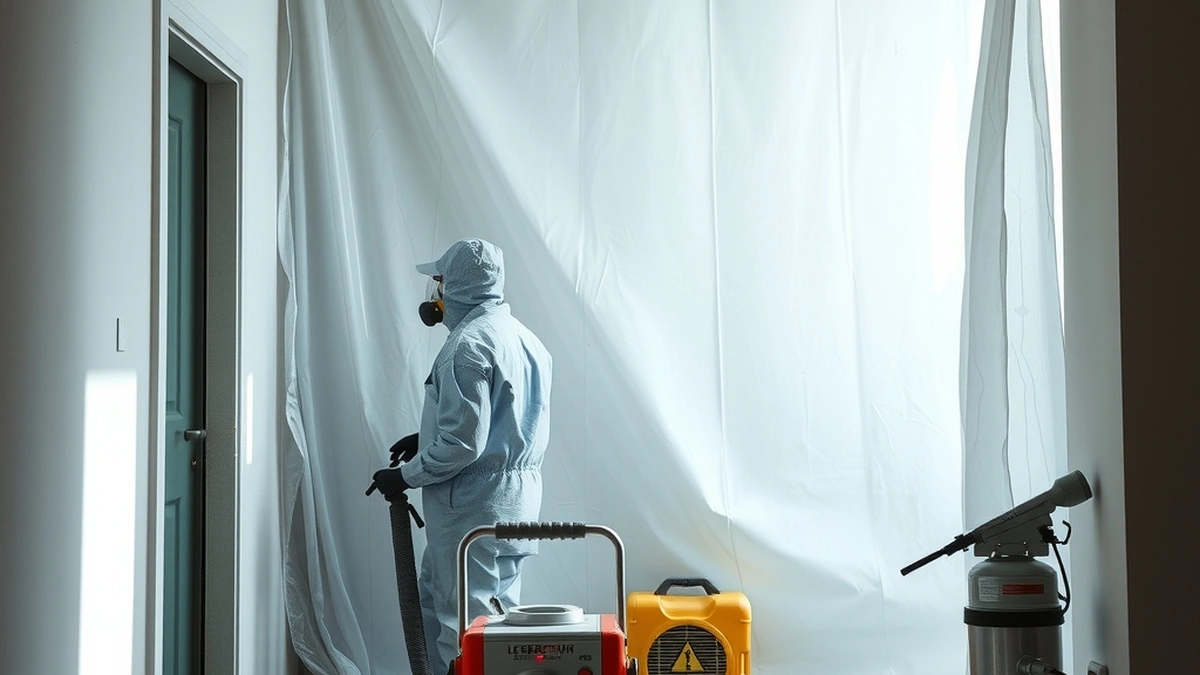
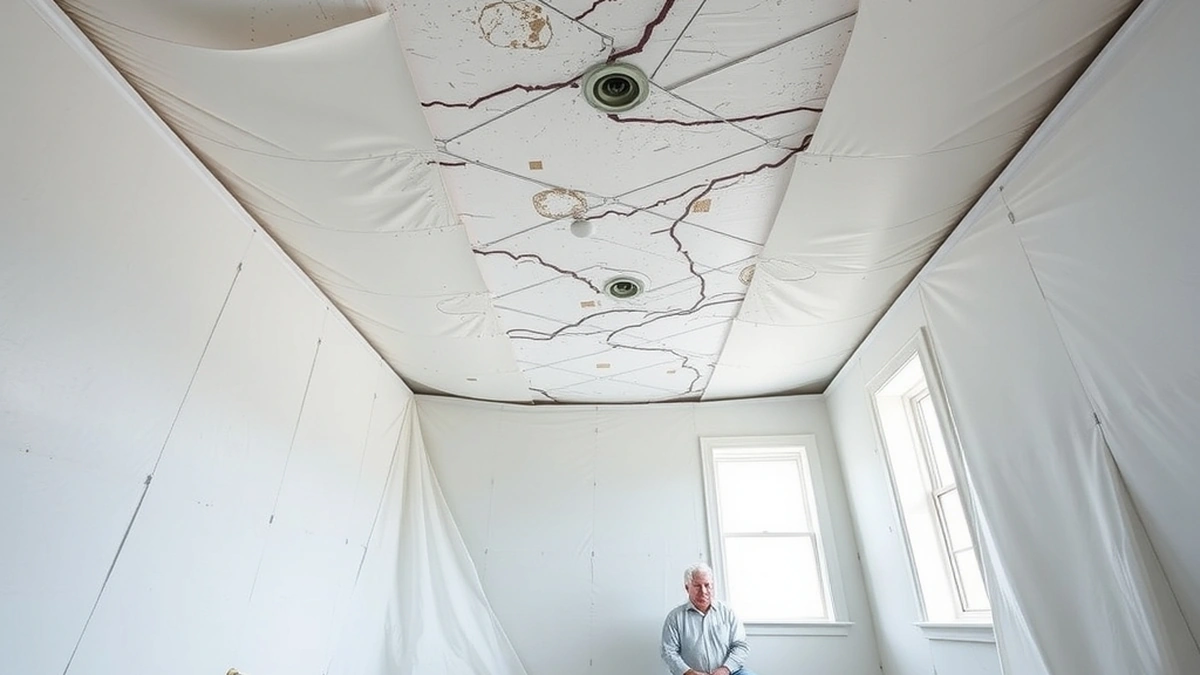
Containment requirements also affect price. Abatement crews must seal off the work area with plastic sheeting, create negative air pressure, and use HEPA filtration to prevent fibers from spreading to the rest of the house. Larger containment areas and more complex layouts increase labor and material costs.
Disposal fees depend on local hazardous waste regulations and the distance to an approved landfill. Heavier loads cost more to transport and dispose of. For example, if a crew removes 2,000 pounds of contaminated insulation and debris, disposal is priced by weight and volume, not just square footage.
Clearance testing after the job adds another layer of cost but is essential. An independent inspector verifies that the area is safe for reoccupation. Skipping this step can leave you with unresolved liability and potential health risks.
Why Professional Removal Matters
Disturbing vermiculite insulation without proper controls can release asbestos fibers into the air. Once airborne, fibers can be inhaled and remain in the lungs for years. There is no known safe level of asbestos exposure, which is why federal and state regulations generally require licensed professionals for abatement work.
DIY removal of friable asbestos-containing material is not recommended. Homeowners who attempt it risk contaminating their entire home, creating cleanup costs that far exceed the price of professional abatement. For more context on why professional involvement matters, see /diy-asbestos-removal/.
Licensed contractors follow work practices outlined by OSHA and EPA guidelines. They wear respirators and protective clothing, seal work areas, wet the material to suppress dust, and dispose of waste at approved facilities. They also provide documentation that may be required for real estate transactions or insurance claims.
The Full Project Timeline
A typical vermiculite abatement project follows several stages. First, the inspection and testing phase takes a few days to schedule and complete. Once results confirm asbestos, the contractor prepares a scope of work and obtains any necessary permits.
Next comes setup. Crews seal the work area, install negative air machines, and establish decontamination zones. Removal or encapsulation follows, usually taking several days depending on square footage and access. After the material is removed or sealed, the area is cleaned with HEPA vacuums and wet wiping methods.
Finally, an independent inspector conducts clearance testing. If the area passes, containment is taken down and the space is released for reoccupation. From first call to final clearance, expect anywhere from one to three weeks for a standard residential attic project. Larger homes or complicated layouts can take longer.
Related Costs and Maintenance
Vermiculite abatement is sometimes part of a larger renovation. If you are already planning to replace attic insulation, upgrade HVAC ductwork, or finish a room, coordinating the abatement with other trades can reduce mobilization costs. You can review broader pricing context at /asbestos-removal-cost-per-square-foot/.
After abatement, ongoing maintenance is usually minimal if the material was fully removed. If encapsulation was chosen instead, periodic inspections are wise to ensure the sealant remains intact. For guidance on long-term care of asbestos-containing materials, see /asbestos-removal-maintenance/.
If your project involves replacing insulation or repairing surrounding surfaces after removal, /asbestos-removal-installation/ and /asbestos-removal-repair/ cover those adjacent scopes. For help selecting a qualified provider, /best-asbestos-removal/ outlines what to look for in a contractor.
Bottom Line
Vermiculite insulation abatement is a significant investment, but it is one that protects indoor air quality and property value. Testing starts at $50 to $150 per sample, surveys run $300 to $800, and removal averages $20 to $50 per square foot. Encapsulation offers a lower-cost alternative at $5 to $15 per square foot but does not remove the material.
All figures in this article are estimates. Actual costs depend on your location, the condition of the insulation, and the complexity of the containment work. The safest first step is to contact a licensed asbestos professional for an inspection and written quote.
Next, compare how much does asbestos removal cost, asbestos removal installation, asbestos removal repair before you commit.
Frequently asked questions
Does vermiculite insulation contain asbestos?
Not all vermiculite insulation contains asbestos, but much of the material sold under the Zonolite brand came from a mine in Libby, Montana, that was contaminated with asbestos. Only laboratory testing can confirm whether your insulation is hazardous.
How much does vermiculite testing cost?
Bulk testing typically costs $50 to $150 per sample. An inspector may collect multiple samples from different areas of the attic or wall cavities to get a representative result.
Can I remove vermiculite insulation myself?
DIY removal of friable asbestos-containing material is strongly discouraged. Disturbing vermiculite can release airborne fibers, and federal and state regulations generally require trained professionals for abatement.
What is encapsulation, and when is it used?
Encapsulation seals the material in place with a specialized coating rather than removing it. It costs roughly $5 to $15 per square foot and may be appropriate when removal is impractical or the material is in good condition and undisturbed.
How long does vermiculite abatement take?
Project length depends on square footage, accessibility, and containment requirements. A typical attic abatement can take several days to a couple of weeks, including setup, removal, clearance testing, and teardown.
Who should I hire for vermiculite removal?
Hire an EPA- or state-licensed asbestos abatement contractor. Verify credentials, request a written scope of work, and confirm that clearance testing will be performed after the job is complete.
Sources
Some links are affiliate links.If you buy through them we may earn a commission at no extra cost to you. We do not accept payment for rankings. Read the full disclosure.