Is asbestos removal worth it?
A practical guide to deciding whether to remove asbestos, covering costs, scenarios, and when licensed work is the safer choice.
Yes, if asbestos is confirmed present and friable, removal by licensed professionals is usually the safest path. If the material is intact and undisturbed, encapsulation may be cheaper than full removal.
- Typical range
- Varies by system and site
- First step
- Measure the space and confirm the load
- Professional help
- Recommended for structural or electrical work
Some links on this page are affiliate links.If you buy through them we may earn a commission at no extra cost to you. We do not accept payment for rankings. Read the full disclosure.
Is Asbestos Removal Worth It?
Yes, if asbestos is confirmed present and friable, removal by licensed professionals is usually the safest path. If the material is intact and undisturbed, encapsulation may be cheaper than full removal. Deciding depends on your exposure risk, budget, and the condition of the material.
Why This Question Arises
Many homeowners and property managers ask this question because they discover asbestos during renovations, surveys, or complaints. The answer is rarely simple. It depends on what the material is made of, how much of it there is, and whether anyone is likely to disturb it. Asbestos was widely used in construction through the 1970s, so older homes often contain it without owners realizing it. The key is to get a professional assessment before making any decisions.
What You’re Actually Dealing With
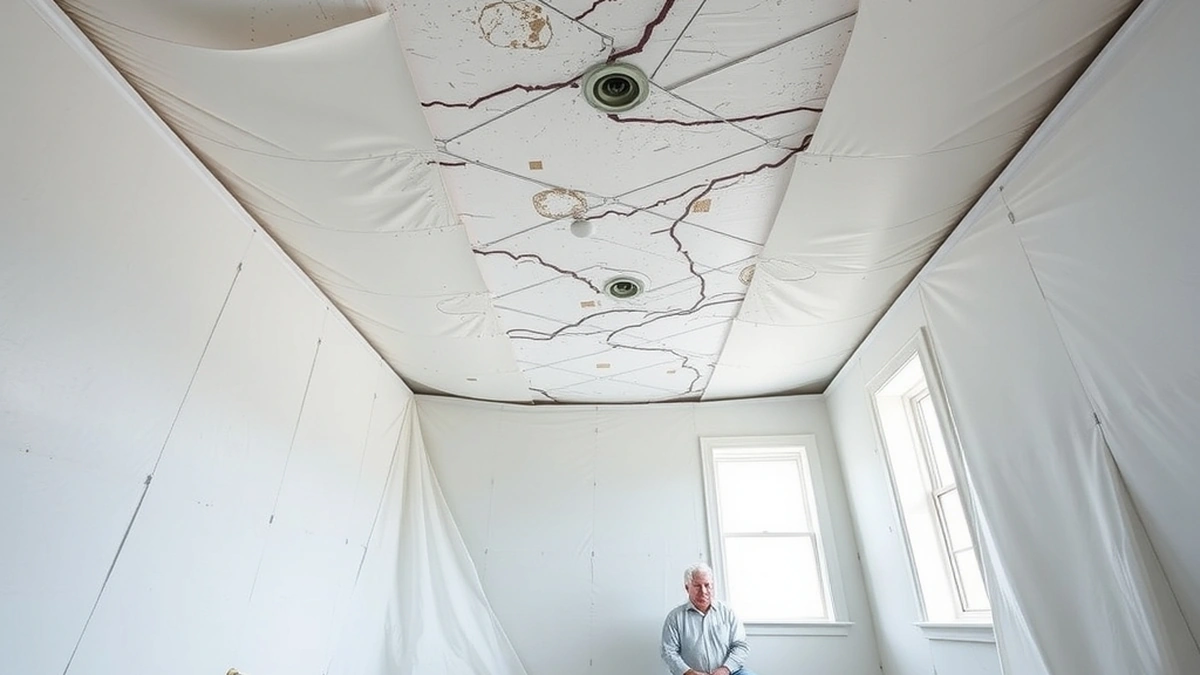
Asbestos can appear in floor tiles, pipe insulation, ceiling textures, joint compound, and many other building products. Not all of it needs to be removed. Some materials, like intact vinyl floor tile, may be encapsulated safely. Others, like crumbling pipe insulation or damaged ceiling texture, pose a higher risk of fiber release and should be removed. The first step is always professional testing to confirm presence and type.
Cost Breakdown for Common Scenarios
Costs vary widely based on scope, location, and clearance requirements. Here are representative estimates:
| Material Type | Estimated Cost | Example Calculation |
|---|---|---|
| General abatement | $20–$50 per sq ft | 500 sq ft × $20–$50 = $10,000–$25,000 |
| Pipe insulation removal | $25–$75 per linear ft | 20 linear ft × $25–$75 = $500–$1,500 |
| Floor tile removal | $10–$25 per sq ft | 100 sq ft × $10–$25 = $1,000–$2,500 |
| Encapsulation | $5–$15 per sq ft | 150 sq ft × $5–$15 = $750–$2,250 |
These figures assume standard commercial or residential conditions. Clearance testing, disposal fees, and permit costs can add several thousand dollars to a job. For larger projects, obtain multiple bids from licensed contractors. [Read more about asbestos removal cost per square foot.]
Removal vs. Encapsulation: Which Is Cheaper?
Full removal is typically more expensive but eliminates the material entirely. Encapsulation seals the asbestos so fibers cannot escape, which can be sufficient for small, sealed areas. If the material is deteriorating or part of a renovation, removal is usually the better long-term choice. For a 150-square-foot section of sealed pipe insulation, encapsulation might cost $750 to $2,250 versus $500 to $1,500 for removal plus disposal—so costs can be similar, but removal removes future risk. [Compare removal versus encapsulation approaches.]
When Removal Is Clearly the Right Call
Removal makes sense when the material is damaged, deteriorating, or likely to be disturbed during normal use. Examples include crumbling ceiling texture, degraded pipe insulation, or floor tiles that will be replaced anyway. In occupied spaces like kitchens or living rooms, removal reduces ongoing exposure risk. Licensed removal also simplifies future inspections because the hazard is gone.
When Encapsulation May Suffice
Encapsulation works well for intact, sealed materials that won’t be disturbed. It is often chosen when removal would be too disruptive or expensive, such as in a small utility room. The material is sealed with a protective coating, and the contractor verifies containment afterward. This approach keeps costs lower and avoids disturbing asbestos-containing components that still function properly.
Budgeting Your Project
Start with a professional survey costing $300 to $800 to identify suspect materials. Then decide whether testing ($50 to $150 per sample) or removal is appropriate. Add disposal fees, permits, and clearance testing—often $500 to $2,000 extra depending on jurisdiction. Budget conservatively and prioritize safety over cost savings. For typical residential projects, plan for at least $3,000 to $10,000 when full removal is required. [See how much asbestos removal really costs.]
Choosing a Licensed Contractor
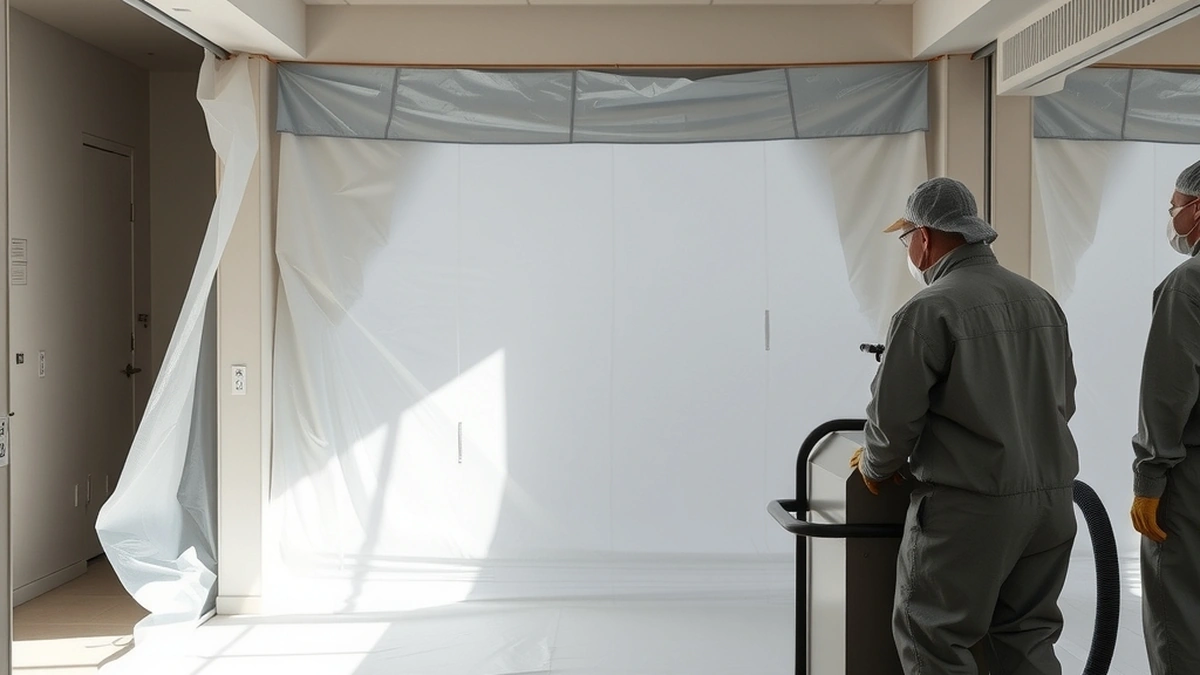
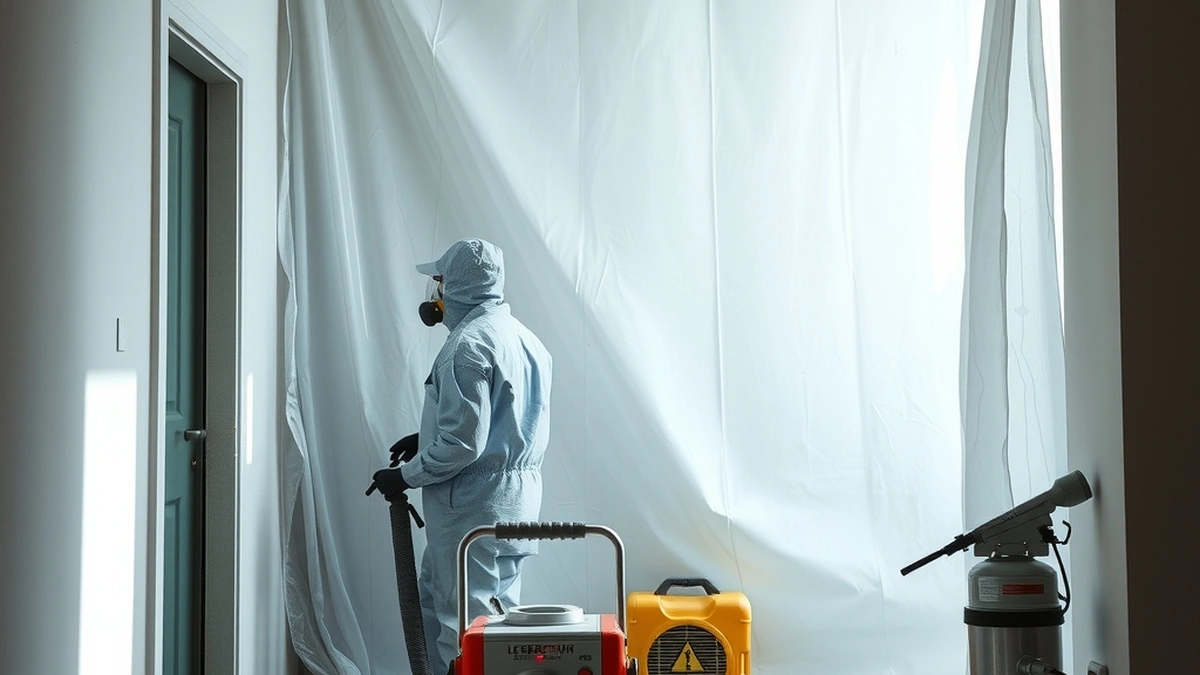
Select only contractors who hold state licenses and carry liability insurance. Ask for their EPA NESHAP compliance records and references. Verify they follow proper containment, negative air pressure, and waste disposal procedures. Never accept estimates from unlicensed workers, even if they seem low-cost. Proper execution protects your health and ensures the job meets federal and state requirements. [Find licensed asbestos removal contractors near you.]
Frequently Asked Questions
How much does a full asbestos removal project cost?
Full abatement runs $20 to $50 per square foot depending on location, scope, and clearance requirements. For example, 500 square feet of ceiling tiles might cost $10,000 to $25,000.
What is the cost of encapsulation as an alternative?
Encapsulation typically costs $5 to $15 per square foot, which can be significantly lower than full removal for small, sealed areas.
Can I remove asbestos myself?
No. DIY removal of friable asbestos is dangerous and illegal in most jurisdictions. Only licensed contractors should handle confirmed or suspected asbestos.
How much does bulk sampling cost?
Bulk testing costs $50 to $150 per sample when you need lab confirmation before any work begins.
What does an asbestos survey cost?
A professional survey generally costs $300 to $800 to identify suspect materials and document locations.
When is removal clearly the right choice?
Removal is the right call when material is damaged, deteriorating, or part of a planned renovation, especially in occupied spaces where disturbance risk is high.
Next, compare how much does asbestos removal cost, asbestos removal installation, asbestos removal repair before you commit.
Frequently asked questions
How much does a typical asbestos removal project cost?
Full abatement runs $20 to $50 per square foot depending on location, scope, and clearance requirements. For example, 500 square feet of ceiling tiles might cost $10,000 to $25,000.
What is the cost of encapsulation as an alternative?
Encapsulation typically costs $5 to $15 per square foot, which can be significantly lower than full removal for small, sealed areas.
Can I remove asbestos myself?
No. DIY removal of friable asbestos is dangerous and illegal in most jurisdictions. Only licensed contractors should handle confirmed or suspected asbestos.
How much does bulk sampling cost?
Bulk testing costs $50 to $150 per sample when you need lab confirmation before any work begins.
What does an asbestos survey cost?
A professional survey generally costs $300 to $800 to identify suspect materials and document locations.
When is removal clearly the right choice?
Removal is the right call when material is damaged, deteriorating, or part of a planned renovation, especially in occupied spaces where disturbance risk is high.
Sources
Some links are affiliate links.If you buy through them we may earn a commission at no extra cost to you. We do not accept payment for rankings. Read the full disclosure.