Floor Tiles and Mastic: What a Fix Costs
Cost breakdown for asbestos floor tile and mastic testing, removal, and encapsulation per square foot.
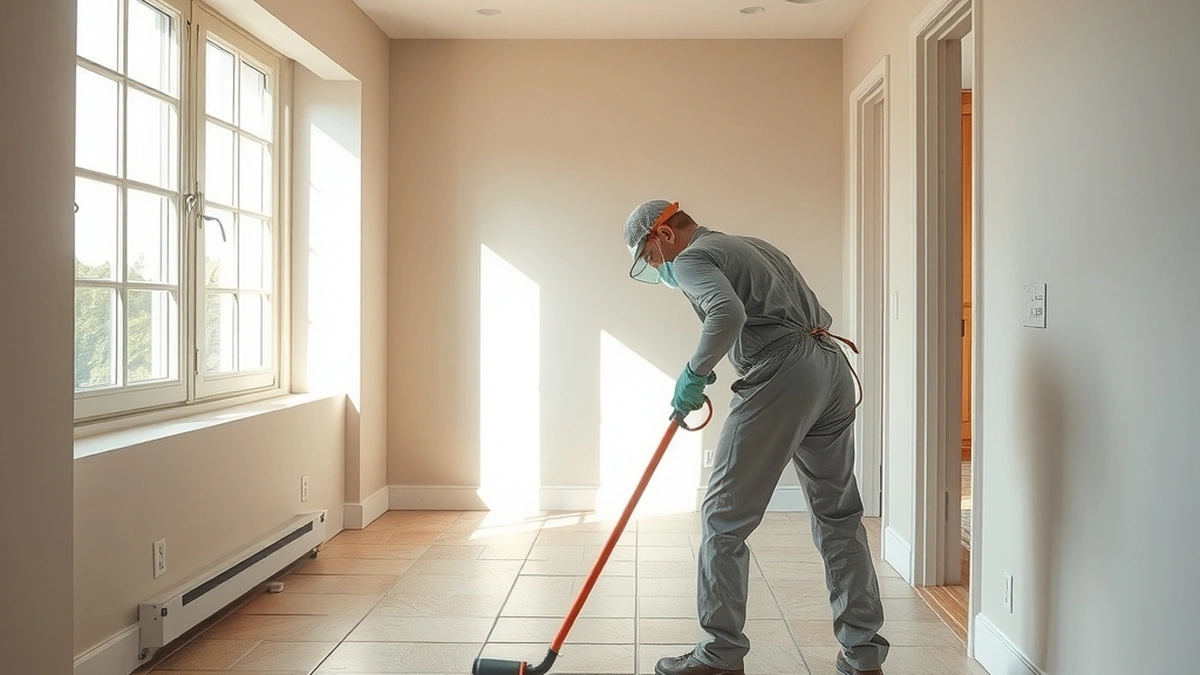
Professional asbestos floor tile and mastic projects typically range from $300 for testing to $10–25 per square foot for removal, depending on square footage and method.
- Bulk testing (per sample)
- $50–$150
- Asbestos survey
- $300–$800
- Floor tile removal
- $10–$25 per sq ft
- Encapsulation
- $5–$15 per sq ft
- Full abatement
- $20–$50 per sq ft
Some links on this page are affiliate links.If you buy through them we may earn a commission at no extra cost to you. We do not accept payment for rankings. Read the full disclosure.
Fixing asbestos floor tiles and mastic usually costs between $300 for initial testing and $10 to $25 per square foot for removal. Full abatement, when required, can run $20 to $50 per square foot. Encapsulation, where applicable, is typically priced at $5 to $15 per square foot.
The total depends on whether the material is intact or damaged, how many samples a laboratory must analyze, and whether you choose removal or encapsulation. Below is a practical cost breakdown for residential and commercial spaces.
Testing and Survey Costs
Before any abatement work begins, you need to know if asbestos is present. A licensed inspector collects bulk samples of floor tile and mastic and sends them to a lab. Bulk testing costs $50–$150 per sample. Most projects require multiple samples because tile and mastic are often treated as separate materials, and different rooms may have different installation dates.
An asbestos survey typically costs $300–$800. This includes visual inspection, sample collection, chain-of-custody documentation, and a written report. For a 1,000-square-foot area with four samples at $100 each, testing alone might total $400 plus the survey fee, or roughly $700–$1,200 before any removal work is scheduled.
These figures are estimates. Actual pricing varies by region, laboratory turnaround time, and site accessibility.
Floor Tile Removal Costs
Floor tile removal is priced at $10–$25 per square foot. The range reflects differences in tile type, adhesive condition, subfloor access, and whether the material is friable. Non-friable vinyl tile in good condition sits at the lower end of the range, while damaged or crumbling tile requires more containment and labor, pushing costs higher.
Here is sample arithmetic for a 200-square-foot kitchen:
- Low estimate: 200 sq ft × $10 = $2,000
- High estimate: 200 sq ft × $25 = $5,000
Add testing and survey costs, and the project could land between roughly $2,700 and $6,200. Waste disposal, containment barriers, negative air machines, and post-abatement clearance testing are usually separate line items or bundled into the contractor’s quote depending on the provider.
Mastic Removal Considerations
Mastic, the adhesive beneath floor tiles, often contains asbestos even when the tiles themselves do not. Contractors may quote mastic removal separately or include it in the square-foot price. Because mastic must be scraped, chemically softened, or mechanically removed, it can add labor hours and disposal weight.
If a contractor quotes floor tile removal at $10–$25 per square foot but excludes mastic, you should ask whether mastic abatement is additional. Some firms bundle both, while others itemize mastic at a separate rate. Getting a written scope that lists tile and mastic separately prevents surprise change orders.
Encapsulation as an Alternative
When floor tile is intact and well bonded, encapsulation may be an option. Encapsulation costs $5–$15 per square foot and involves sealing the material with a specialized coating or covering it with new flooring that locks fibers in place.
For a 300-square-foot basement:
- Low estimate: 300 sq ft × $5 = $1,500
- High estimate: 300 sq ft × $15 = $4,500
Encapsulation is less disruptive than removal because it does not require tearing up the subfloor. However, it is not appropriate for damaged, loose, or friable tile. It also leaves asbestos in place, which can affect future renovation plans and real estate disclosures. A licensed inspector or abatement contractor should confirm whether encapsulation meets local regulations and lender requirements.
Full Abatement Pricing
Full abatement is priced at $20–$50 per square foot. This is broader than simple floor tile removal because it includes containment setup, air monitoring, worker decontamination units, HEPA filtration, waste transport, and disposal at an approved landfill. For commercial spaces, abatement may also require after-hours work to avoid disrupting business operations.
Example for a 500-square-foot retail space:
- Low estimate: 500 sq ft × $20 = $10,000
- High estimate: 500 sq ft × $50 = $25,000
These numbers are estimates and do not include testing, surveys, or replacement flooring. If pipe insulation is present in the same area, that work is typically quoted separately at $25–$75 per linear foot, which is outside the scope of floor tile abatement but relevant to whole-building projects.
Choosing Between Removal and Encapsulation
Removal permanently eliminates the asbestos-containing material from the building. It is the preferred choice when tile is damaged, when subfloor repairs are needed, or when future demolition is planned. Removal also simplifies future real estate transactions because buyers and lenders often prefer documentation that asbestos floor tile has been abated.
Encapsulation leaves the material in place under a sealant or new floor covering. It costs less upfront and generates less waste, but it creates a long-term management obligation. Future contractors must be told that asbestos exists beneath the surface, and any later demolition will still require abatement.
If you are weighing options, review our general cost guide at /how-much-does-asbestos-removal-cost/ and the per-square-foot breakdown at /asbestos-removal-cost-per-square-foot/. For context on how abatement compares to testing services, see /asbestos-removal-vs-asbestos-testing/.
Regulatory and Safety Context
Asbestos floor tile and mastic are regulated under federal and state rules. The EPA sets standards for asbestos in schools and public buildings, and OSHA establishes worker protection requirements for abatement crews. State environmental agencies often require notification before abatement begins and may mandate clearance air sampling after work is complete.
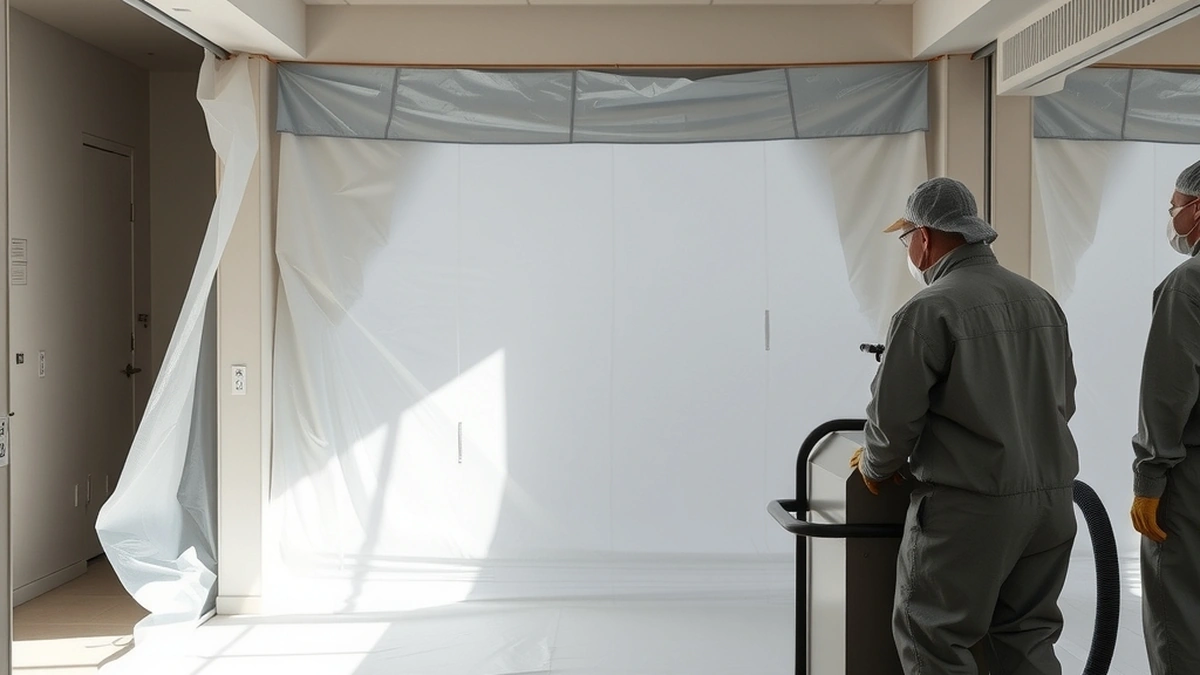
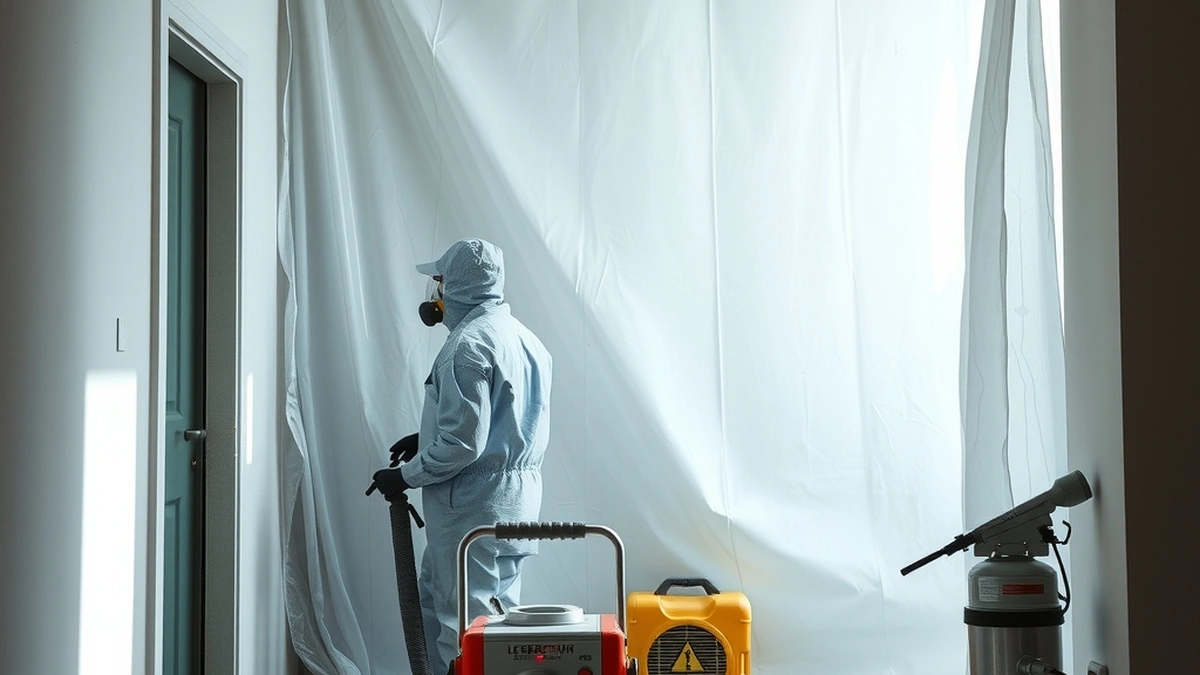
Property owners should not attempt to remove damaged asbestos floor tile themselves. Disturbing the material can release fibers into the air, creating exposure risks for occupants and workers. Licensed abatement contractors use containment, negative pressure, and decontamination procedures to limit fiber release.
For more on professional installation and repair procedures, see /asbestos-removal-installation/ and /asbestos-removal-repair/. If you are considering ongoing building upkeep, /asbestos-removal-maintenance/ explains how to monitor encapsulated or in-place asbestos over time.
Getting an Accurate Quote
Start with a licensed asbestos inspector who can identify suspect materials and collect samples. Once lab results confirm asbestos, request written quotes from at least two abatement contractors. Each quote should specify:
- Square footage of tile and mastic
- Removal or encapsulation method
- Containment and disposal approach
- Whether testing, survey, and clearance fees are included
- Estimated start and completion dates
Prices shown here are estimates. Actual costs depend on your location, building type, material condition, and contractor availability. Avoid any contractor who suggests dry scraping, power sanding, or unsealed removal of asbestos floor tile.
For general guidance on selecting a provider, see /best-asbestos-removal/. Homeowners considering their own work should review /diy-asbestos-removal/ to understand why professional abatement is strongly recommended for friable or damaged material.
Next, compare how much does asbestos removal cost, asbestos removal installation, asbestos removal repair before you commit.
Frequently asked questions
Does old floor tile always contain asbestos?
Not necessarily, but vinyl floor tiles and mastic installed before the 1980s often do. Only laboratory bulk testing can confirm whether asbestos is present.
Can I remove asbestos floor tiles myself?
DIY removal of friable or damaged asbestos material is strongly discouraged. Disturbing tiles can release fibers, and regulations often require licensed abatement professionals.
Is encapsulation cheaper than removal?
Yes. Encapsulation generally runs $5–$15 per square foot, while floor tile removal typically costs $10–$25 per square foot, depending on conditions.
How many samples should I test?
The number depends on room size and material variation. Each bulk sample usually costs $50–$150, and multiple samples may be needed across different areas.
Does mastic count as separate material?
Yes. Mastic adhesive beneath floor tiles is often tested and abated separately, and it may contain asbestos even when the tiles above it do not.
What if my tiles are in good condition?
Intact, non-friable asbestos floor tile may be managed in place or encapsulated rather than removed, but a licensed inspector should make that determination.
Sources
Some links are affiliate links.If you buy through them we may earn a commission at no extra cost to you. We do not accept payment for rankings. Read the full disclosure.