Asbestos Removal Testing: Costs, Process, and Safety
Learn what asbestos removal testing costs, how surveys work, and when to hire a licensed abatement professional.
Asbestos removal testing confirms asbestos before abatement through bulk sampling and surveys. Testing costs $50 to $150 per sample, while full surveys typically run $300 to $800.
- Bulk testing (per sample)
- $50–$150
- Asbestos survey
- $300–$800
- Abatement (per sq ft)
- $20–$50
- Pipe insulation removal (per linear ft)
- $25–$75
- Floor tile removal (per sq ft)
- $10–$25
Some links on this page are affiliate links.If you buy through them we may earn a commission at no extra cost to you. We do not accept payment for rankings. Read the full disclosure.
Asbestos removal testing is the step that confirms whether asbestos is present before abatement begins. It combines bulk sampling of suspect materials with a site survey to map contamination. Results determine the removal method, worker protections, and disposal requirements.
Why Testing Comes Before Removal
Asbestos cannot be identified by sight alone. Building materials installed before the 1980s—such as pipe insulation, floor tile, ceiling texture, and joint compound—may contain asbestos fibers that are only visible under a microscope. Disturbing these materials without testing can release fibers into the air and create exposure risks for occupants and workers.
Testing answers three questions before any abatement contract is signed:
- Is asbestos present in the material?
- What type and concentration of asbestos is detected?
- Is the material friable, meaning it can be crumbled by hand pressure, or non-friable?
The answers drive the scope of work. A non-friable floor tile in good condition may be a candidate for encapsulation, while damaged pipe insulation usually requires full removal under containment.
Bulk Sampling and Laboratory Analysis
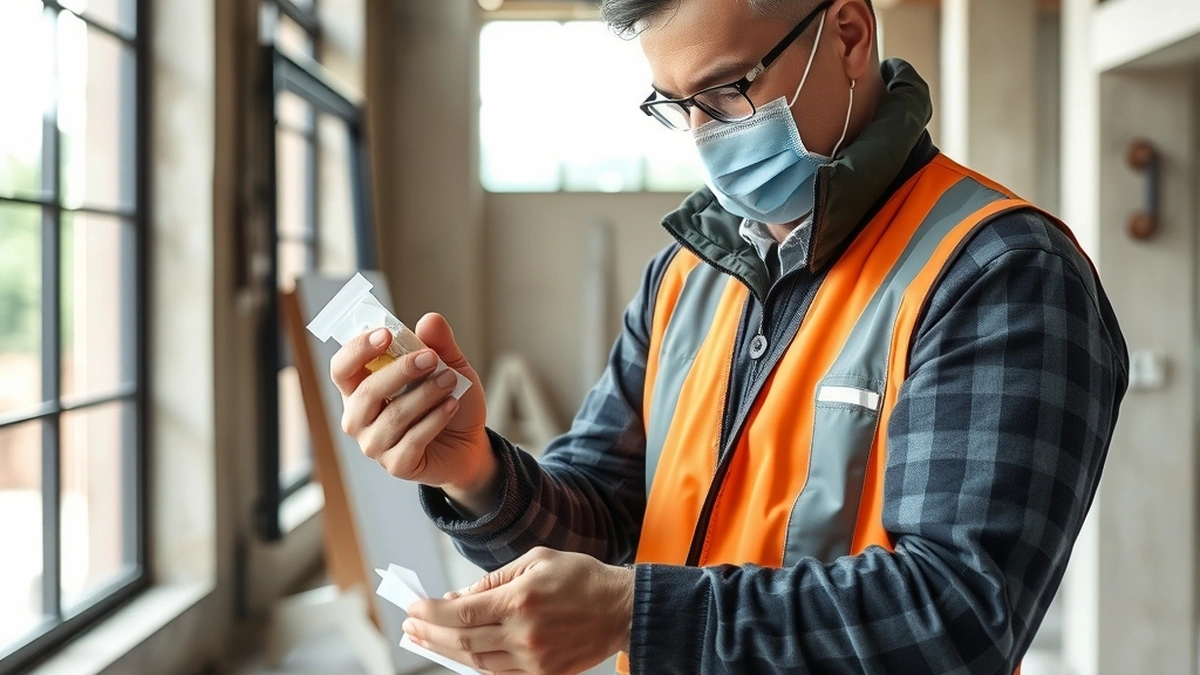
Bulk sampling involves cutting or coring a small piece of suspect material and sending it to a laboratory for polarized light microscopy (PLM) analysis. According to the canonical pricing used throughout this guide, bulk testing costs $50 to $150 per sample.
If an inspector collects six samples from different areas of a home, the laboratory cost alone ranges from $300 to $900. That estimate does not include the inspector’s travel, site visit, or report writing. Turnaround time also affects price; standard results may take several days, while expedited analysis costs more.
Samples must be collected carefully to avoid spreading fibers. For friable materials such as sprayed-on insulation or damaged pipe lagging, only trained professionals wearing respirators and using containment should collect samples. DIY sampling of friable material is not recommended.
The Asbestos Survey
A full asbestos survey goes beyond individual samples. An accredited inspector walks the property, identifies suspect materials, maps their locations, and collects samples according to a sampling strategy. Survey costs typically range from $300 to $800.
The survey report includes:
- Material descriptions and locations
- Approximate square footage or linear footage
- Friability assessment
- Laboratory results for each sample
- Recommendations for abatement or management
For a 1,500-square-foot house with suspected asbestos in the basement pipe insulation and kitchen floor tile, an inspector might collect eight to twelve samples. At $50 to $150 per sample, laboratory fees run $400 to $1,800. Adding the $300 to $800 survey fee brings total testing costs to roughly $700 to $2,600, depending on sample count and site complexity.
From Test Results to Abatement Costs
Once testing confirms asbestos, abatement pricing is based on the material type, condition, and quantity. The canonical cost ranges are:
- Abatement: $20 to $50 per square foot
- Pipe insulation removal: $25 to $75 per linear foot
- Floor tile removal: $10 to $25 per square foot
- Encapsulation: $5 to $15 per square foot
Here is how the arithmetic works for common scenarios.
Scenario 1: Basement pipe insulation A basement contains 40 linear feet of damaged asbestos pipe insulation requiring removal. At $25 to $75 per linear foot, the removal cost is $1,000 to $3,000. If testing shows the material is non-friable and intact, encapsulation at $5 to $15 per square foot of surface area may cost less, but encapsulation is not appropriate for damaged or deteriorating insulation.
Scenario 2: Kitchen floor tile A 200-square-foot kitchen has asbestos floor tile. Removal at $10 to $25 per square foot equals $2,000 to $5,000. Encapsulation, if suitable, would cost $1,000 to $3,000 for the same area. Testing determines whether the tile can be covered safely or must be removed before new flooring is installed.
Scenario 3: Whole-room abatement A 400-square-foot room requires full abatement. At $20 to $50 per square foot, the project costs $8,000 to $20,000. Testing fees are a small fraction of that total, but they prevent the far greater cost of unnecessary work or improper removal.
These figures are estimates. Actual quotes depend on local labor rates, disposal fees, containment requirements, and whether the property must be vacated during work.
Choosing a Testing and Abatement Professional
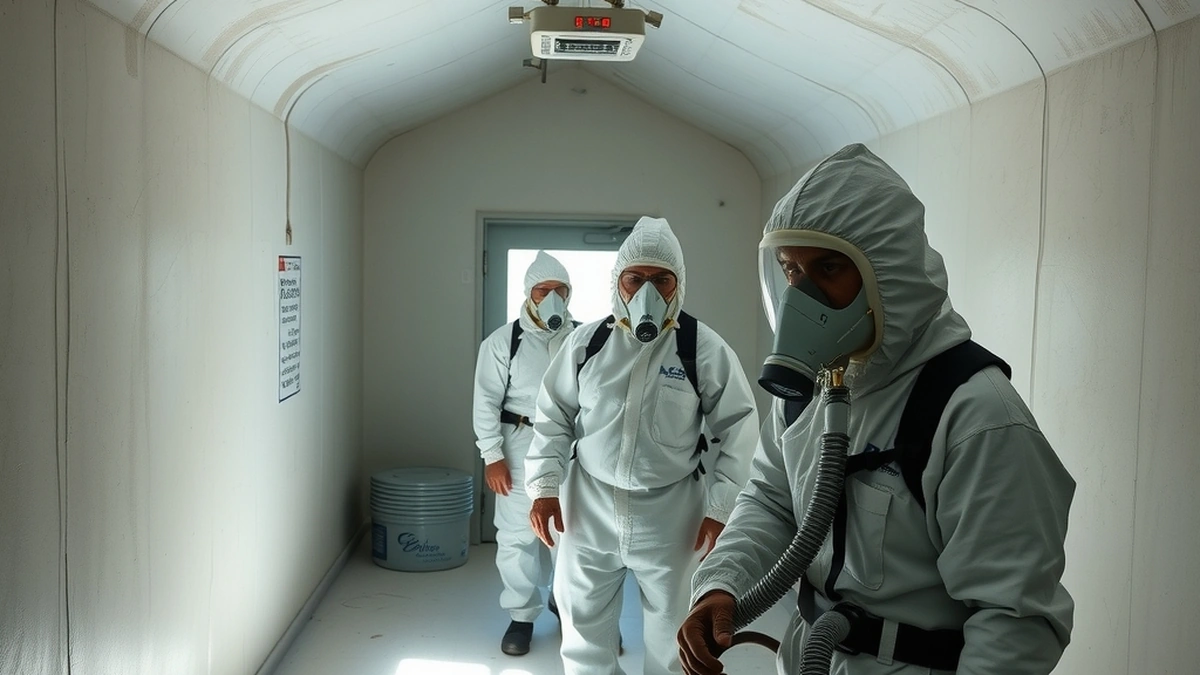
Asbestos removal testing should be performed by an accredited asbestos inspector. The inspector should follow recognized sampling protocols and use an accredited laboratory. Abatement should be performed by a licensed asbestos contractor trained in containment, negative air pressure, decontamination, and proper disposal.
Property owners can verify credentials through state licensing boards or the EPA’s asbestos program. OSHA regulates worker exposure during abatement, requiring training, medical monitoring, and air monitoring for many removal jobs. Hiring unqualified workers to save on testing or removal costs often leads to regulatory fines, failed clearance testing, and higher long-term costs.
Testing vs. Removal: What the Results Mean
Testing and removal are separate services with different purposes. Testing identifies the hazard; removal controls or eliminates it. For a detailed comparison of these stages, see our guide on asbestos removal vs asbestos testing.
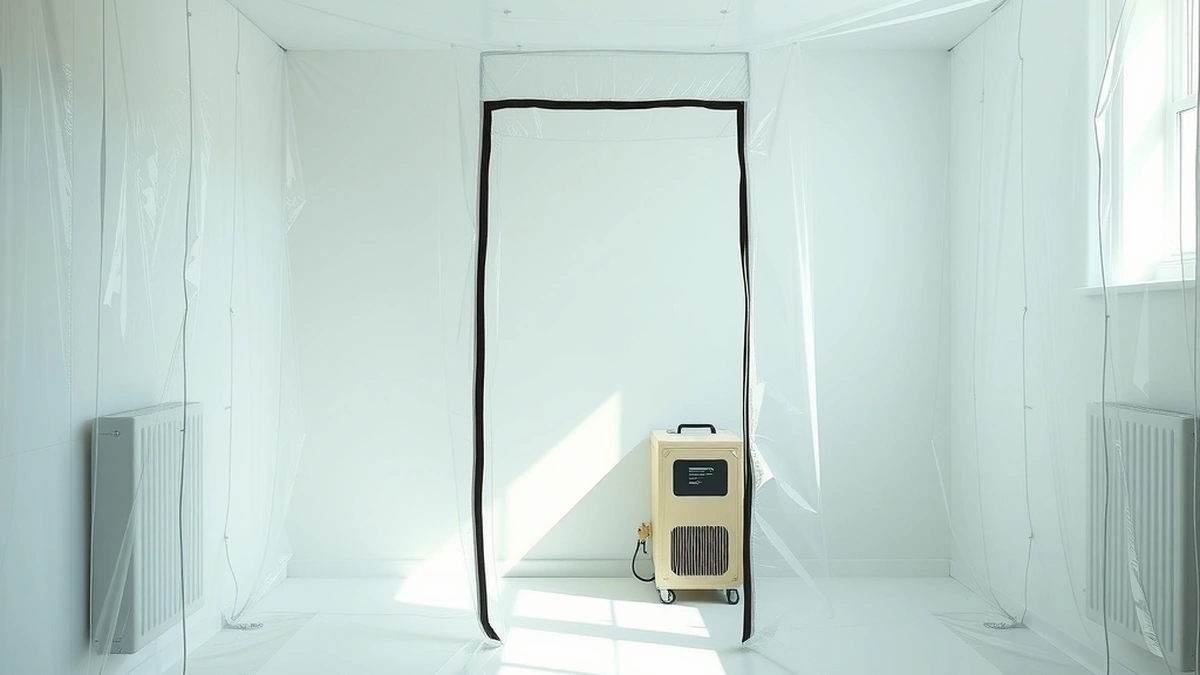
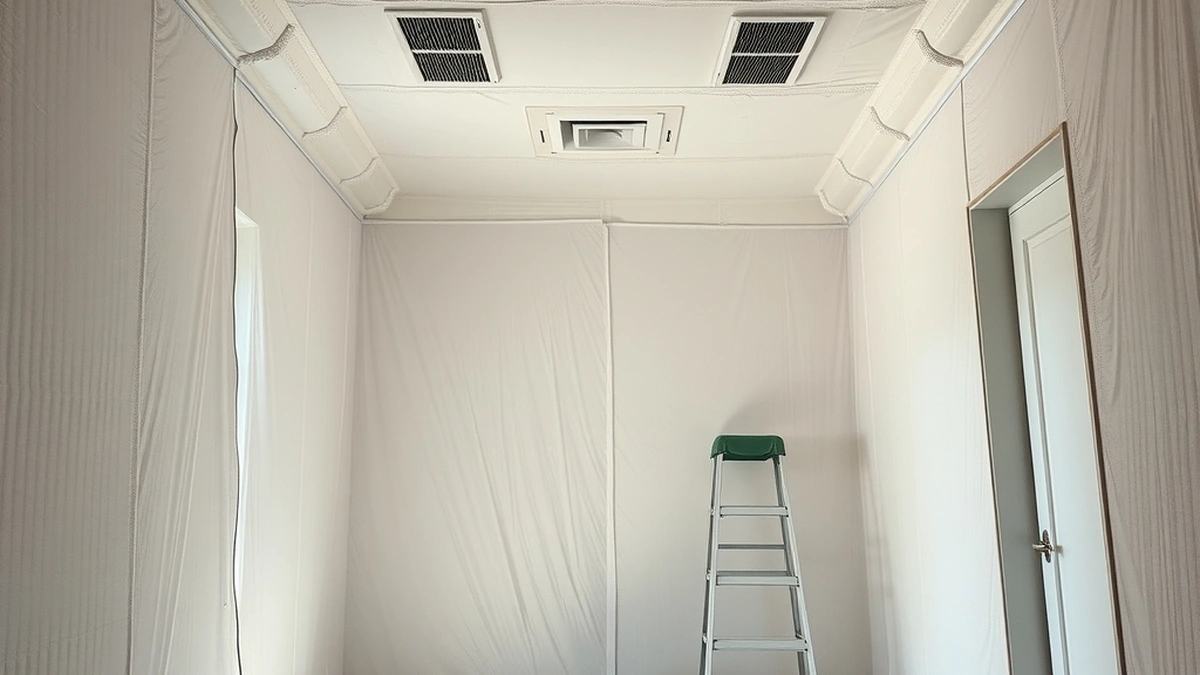
If testing confirms asbestos and removal is required, the next step is the abatement process. That process includes containment setup, HEPA filtration, wet removal methods, waste packaging, and clearance air testing before the area is reoccupied. Learn more about that sequence in our asbestos abatement process overview.
Testing also informs budgeting. Property owners who want a broader cost picture before hiring a contractor can review our asbestos removal cost guide to understand how square footage, material type, and location affect final pricing.
What Happens After Testing
After laboratory results return, the property owner receives a report indicating which materials contain asbestos and at what concentration. Materials above the regulatory threshold are treated as asbestos-containing materials (ACM). The report helps the abatement contractor prepare a work plan, notify the appropriate agencies if required, and provide an accurate quote.
Clearance testing is performed after abatement to confirm the area is safe for reoccupation. This is separate from pre-abatement testing and involves visual inspection and air sampling by an independent party. Passing clearance is typically required before containment barriers come down and normal building use resumes.
Bottom Line
Asbestos removal testing is a necessary first step, not an optional add-on. Bulk sampling costs $50 to $150 per sample, and full surveys typically run $300 to $800. Those costs are small compared with abatement, which ranges from $20 to $50 per square foot for general removal, $25 to $75 per linear foot for pipe insulation, and $10 to $25 per square foot for floor tile. Testing prevents guesswork, protects workers and occupants, and ensures that abatement work matches the actual hazard. Always use accredited inspectors and licensed abatement professionals, and never attempt to remove friable asbestos material without professional containment.
Frequently asked questions
What is asbestos removal testing?
It is the process of collecting and analyzing suspect materials to confirm asbestos before any abatement or renovation work begins.
How much does bulk testing cost?
Bulk testing typically costs $50 to $150 per sample, depending on the laboratory and turnaround time.
What does an asbestos survey cost?
A full asbestos survey generally costs $300 to $800, covering site inspection, sampling, and reporting.
Can I test asbestos myself?
Homeowners may collect samples in some jurisdictions, but friable material should only be handled by trained professionals using proper containment.
When is testing required before abatement?
Testing is required before disturbing suspect materials in most renovation, demolition, or abatement projects to determine the correct work method.
Who should perform asbestos removal testing?
Testing should be performed by an accredited inspector and analyzed by a qualified laboratory following recognized sampling protocols.
Sources
Some links are affiliate links.If you buy through them we may earn a commission at no extra cost to you. We do not accept payment for rankings. Read the full disclosure.